Modern vehicles can record far more than mileage and fuel consumption. From acceleration and braking habits to location history, connected cars generate information that could reveal how, when, and where their owners drive.
Sure, that technology can make vehicles safer and more convenient, but it also raises uncomfortable questions about who actually controls the information. Drivers may not always understand what they’re sharing or how it could eventually be used.
Automotive privacy has been under scrutiny lately, particularly where insurance companies are concerned, following a major settlement involving General Motors and the sale of customer driving data.
Now, Ford is making its own position explicit through a new initiative called the Privacy Promise, which explains how customers can manage connected-vehicle information and what Ford says it will never sell.
GM’s $220 Million Settlement Raises The Stakes
On October 29, GM agreed to pay $220 million to resolve allegations brought by a coalition of 36 state attorneys general. Investigators found that its Smart Driver program collected driving and location information that was sold to data brokers and subsequently made available to insurers.
The information included speeding, hard braking, acceleration, and individual trip records, potentially influencing insurance premiums. The settlement also requires GM to obtain express consent before collecting or disclosing certain driving and location data.
Ford Makes A Specific Promise To Drivers

Ford’s new policy explicitly states that it does not sell information about customers’ driving behavior to data brokers. The company also says it designs its connected services around privacy protections, including anonymizing or aggregating information where appropriate.
Connected vehicles routinely collect diagnostic information, driving characteristics, and location data. Ford says it uses this information for navigation, roadside assistance, vehicle troubleshooting, product development, and personalized services.
Owners Can Switch Off Data Sharing
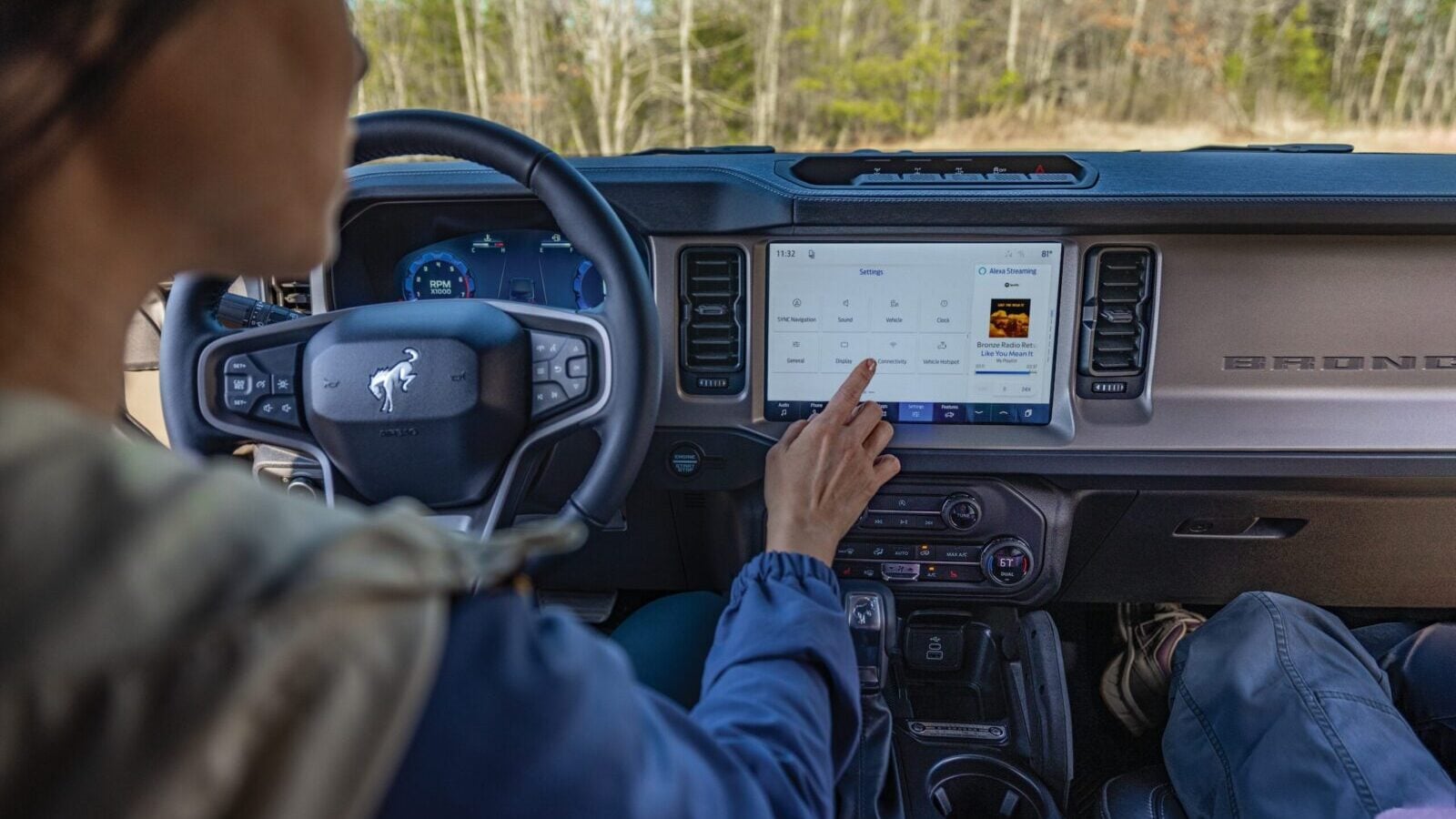
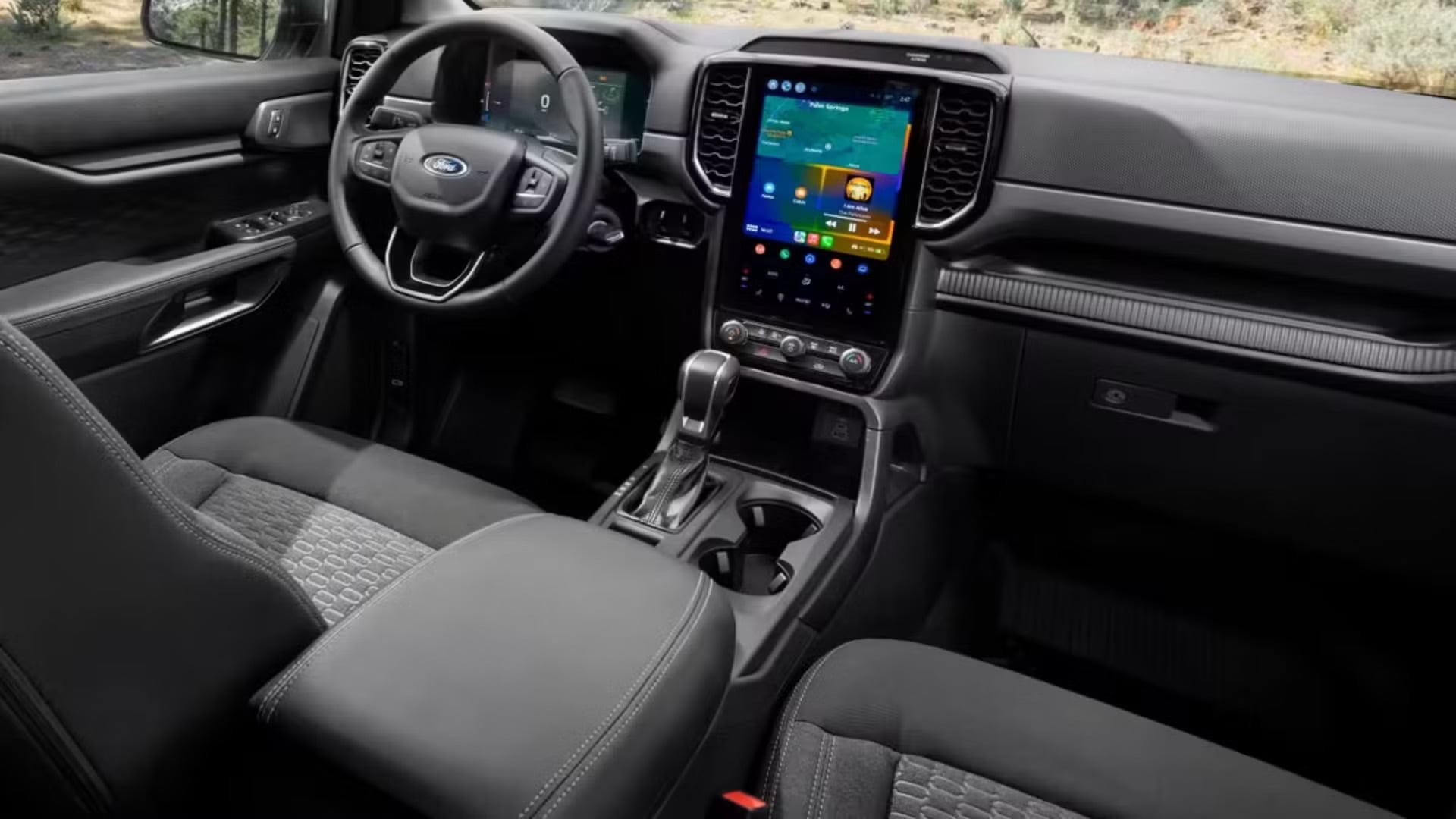
Ford says owners can review and change their privacy preferences through their vehicle’s touchscreen or the Ford App. Drivers can also opt out of connected-vehicle data sharing entirely, although doing so disables certain functions.
Those trade-offs include losing access to features such as BlueCruise, internet connectivity, and vehicle-location information in the app. Ford recommends that owners of vehicles built from 2018 onward check their settings.
Ford Wants Owners to Check Their Privacy Settings
Ford surveyed just over 1,000 American consumers while developing the initiative and found that customers valued control over their information. The automaker plans to expand its privacy resources to Lincoln owners and additional markets.
Ford’s promise should offer some reassurance to owners concerned about how their driving data is being used. Still, it’s worth checking the privacy settings in your vehicle to see exactly what information you’re sharing and which features depend on it.