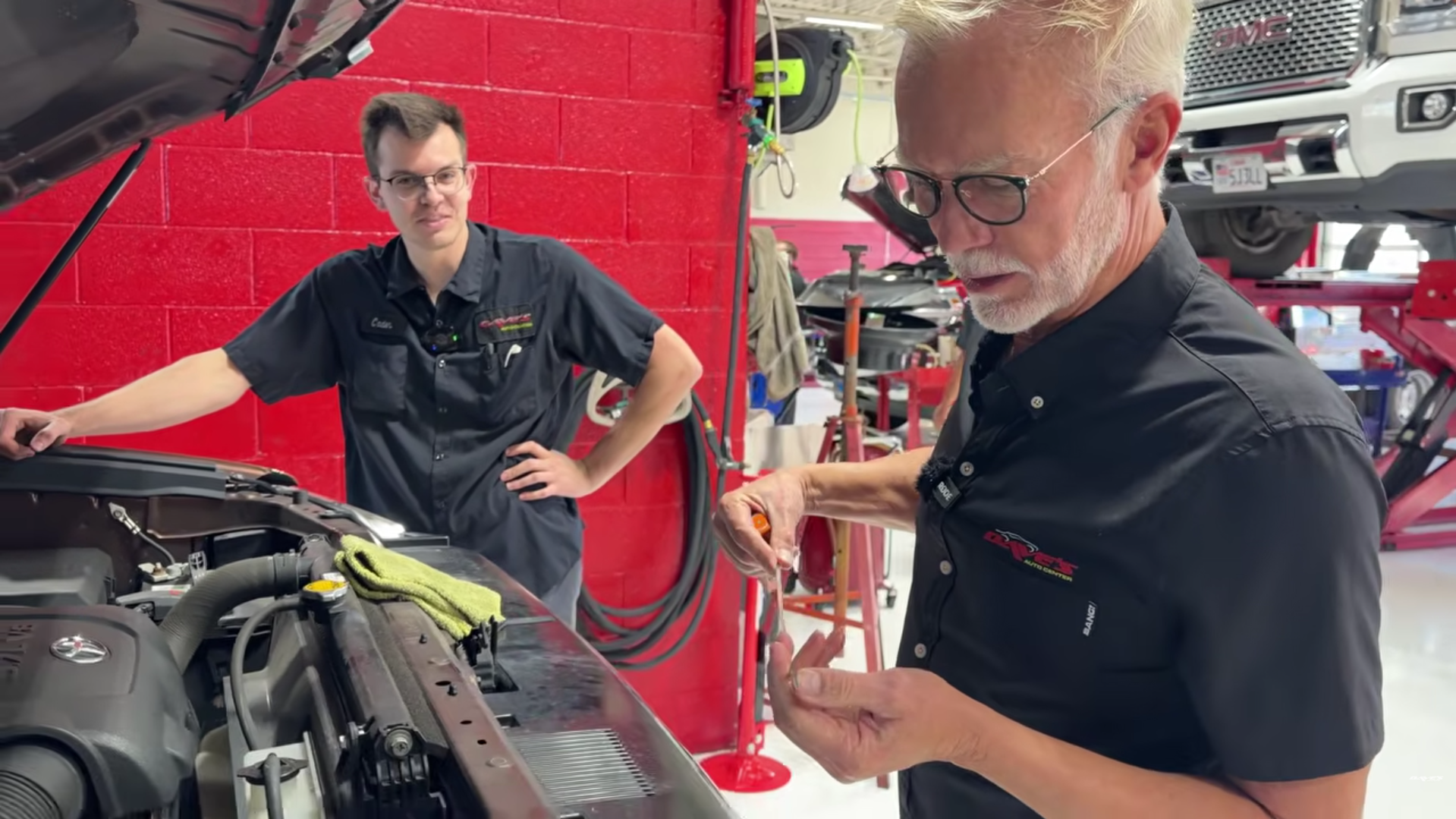
A Toyota Tundra owner took his truck to a repair shop for a routine inspection before a road trip, only to receive a staggering repair estimate. The shop said his pickup needed a replacement engine and front differential, with the combined bill exceeding $25,000.
The diagnosis was surprising because the truck hadn’t shown any obvious signs of serious mechanical trouble. It still drove normally, didn’t overheat, and wasn’t noticeably losing coolant.
The owner had purchased the Tundra with roughly 35,000 miles on the odometer and hoped to keep it for years to come. Faced with a repair estimate that could make that difficult, he decided to seek another opinion.
As documented on the Dave’s Auto Center YouTube channel, the second inspection produced very different findings. It also showed why even seemingly serious mechanical symptoms deserve proper investigation before major components are condemned.
A $19,000 Engine Replacement Raises Questions
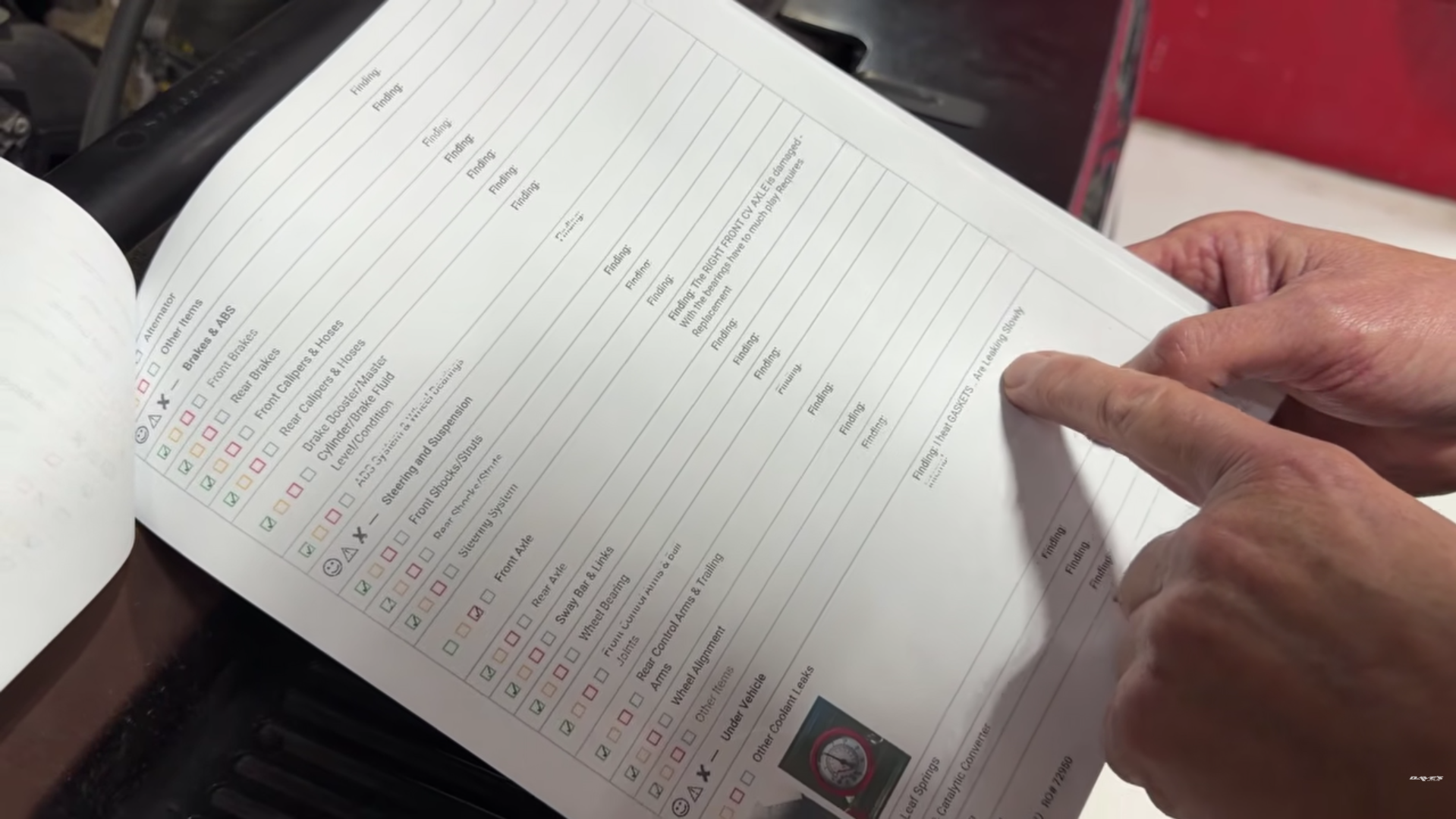
The vehicle was a 2016 Toyota Tundra with approximately 118,000 miles. The original shop recommended an engine replacement costing around $19,000, citing suspected internal head-gasket leakage and oil seepage around the valve covers.
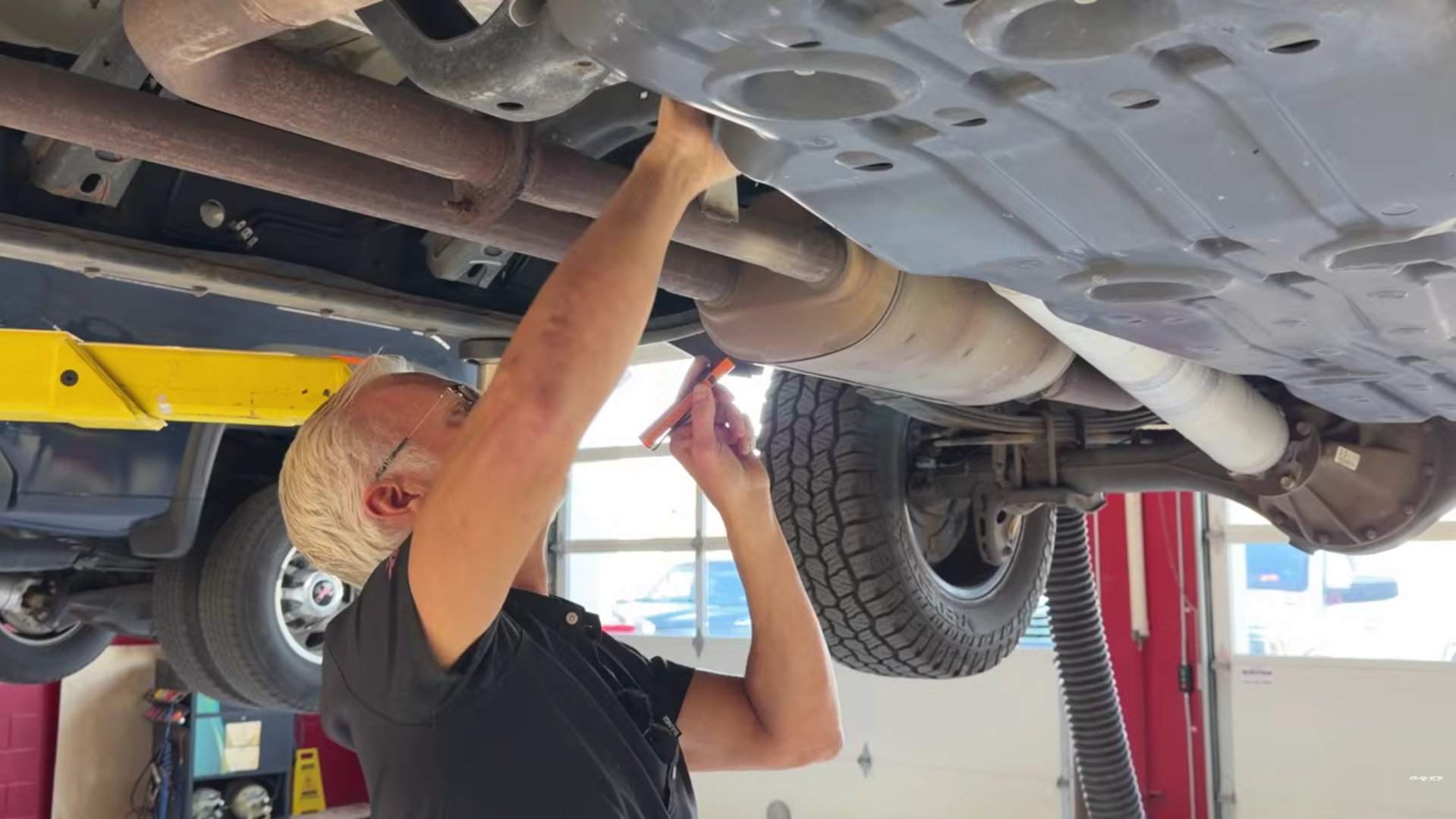
However, Dave found the engine running smoothly, with clean oil at the correct level and no obvious external coolant leaks. Removing the underbody protection revealed only minor oil seepage, with no obvious external evidence of a problem severe enough to justify replacing the engine.
The owner also confirmed that he hadn’t needed to top up the coolant. Dave questioned the diagnosis, although he acknowledged that further testing would help establish whether an internal leak existed.
A $5,700 Differential Repair Comes Under Scrutiny
The original estimate also included approximately $5,700 for a front differential carrier assembly and related axle work. The shop claimed it had detected excessive movement where the CV axles entered the differential housing.
Dave initially found no concerning movement or leaking seals, but a four-wheel-drive test revealed a metallic scraping noise. He traced it to a bent dust shield and eliminated the sound with a simple screwdriver.
After contacting the original shop, Dave learned that its recommendation was based on axle movement rather than the scraping noise. His technician subsequently detected some play on the left side, prompting plans to measure it accurately with a dial indicator.
Dave explained that some movement where the axle enters the differential can be normal. Excessive bushing wear, however, can compromise the oil seal, making the absence of leakage an important clue rather than definitive proof that everything was fine.
Routine Maintenance Instead of Major Repairs
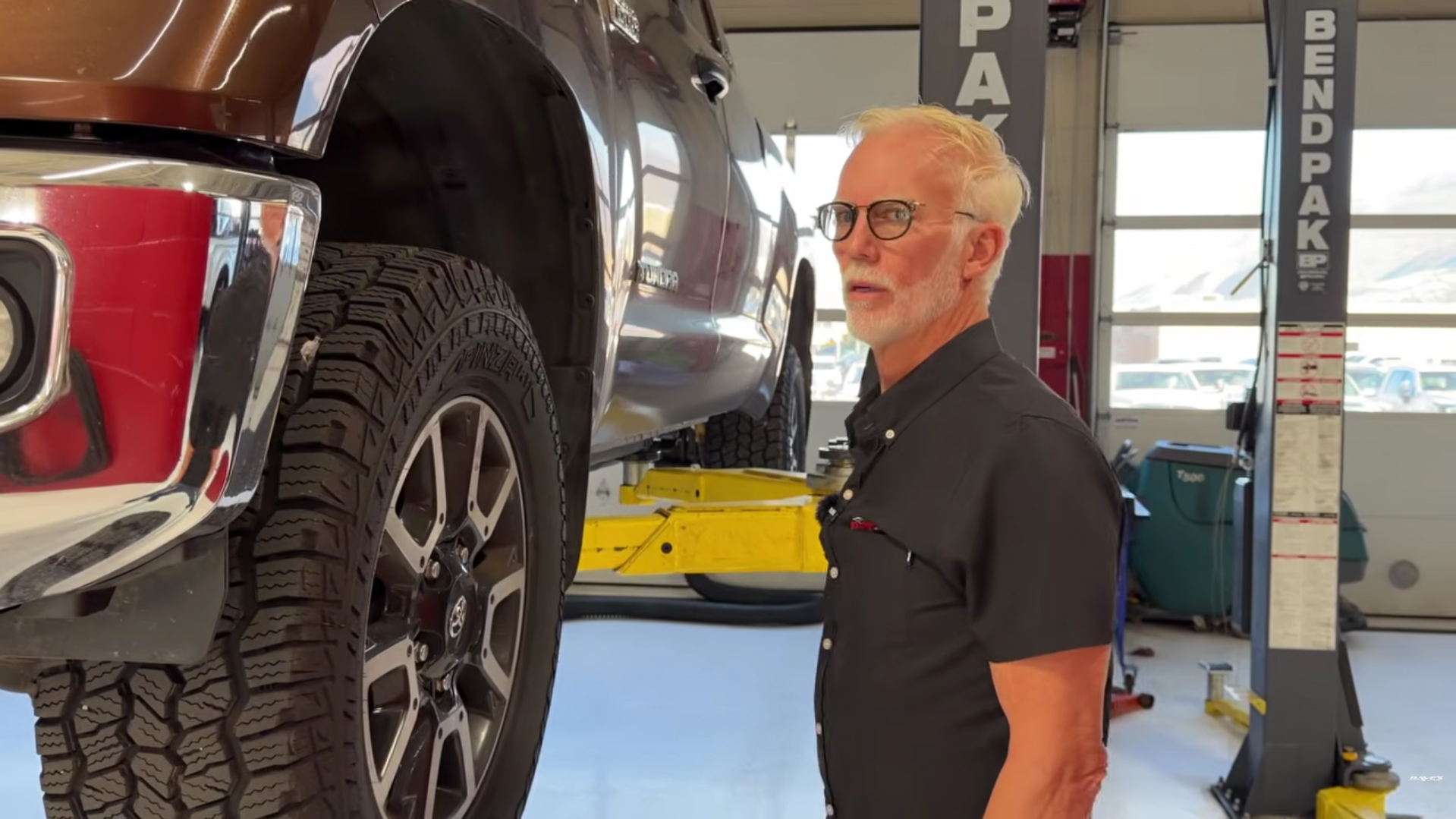
Dave concluded that neither the engine nor the front differential required replacement based on his inspection. Instead, he recommended overdue maintenance, including fluid changes and spark plugs.
The Tundra’s owner was understandably relieved, having avoided an enormous repair bill. The case illustrates why a second opinion, backed by careful diagnosis rather than assumptions, can make a huge difference when it comes to car repairs and maintenance.