

If you are in the market for a new full-size truck or SUV, get ready for a little sticker shock. Ford and General Motors have quietly increased the destination and delivery fees on their 2026 trucks and large SUVs to $2,795. That fee is now a fixed part of the cost of every vehicle, and it applies across most of the big-ticket lineup, from Ford’s F-150 to GM’s Silverado, Sierra, and full-size SUVs.
Destination charges are the fees automakers charge to cover the cost of shipping a vehicle from the factory to the dealership. They are not optional, and they are not negotiable. In the past, these fees were much lower, but they have been climbing steadily in recent years.
Ford and GM’s new rates mark one of the largest jumps yet, putting the fee at nearly $2,800 for a typical full-size truck. Cadillac, GM’s luxury brand, is even higher at $2,895.

For buyers, that means the price you see on the sticker is not the full story. A truck advertised at $55,000 could now come with an additional $2,795 fee tacked on before you even start discussing options or trade-ins. For many shoppers, that could be the difference between a deal that feels comfortable and one that suddenly feels too expensive.
Why the Fees are Rising
Industry observers say the increases are tied to rising shipping costs. Trucks and large SUVs are heavy and moving them from the factory to dealers is expensive.
Automakers have been trying to absorb some of those costs in recent years without hiking the headline MSRP too much. Increasing the destination fee is one way to do that, and it allows companies to keep the advertised price looking competitive while still covering shipping expenses.
Ford and GM both confirm that destination fees are reviewed regularly. The companies did not give detailed explanations for why the 2026 fees are higher, but analysts suggest it is a combination of fuel costs, labor, and logistical challenges across North America. The trend is not unique to these two brands.
Most automakers have been steadily raising destination charges over the last several years. Ram and Toyota still have lower fees, but experts warn those numbers could rise soon as well.
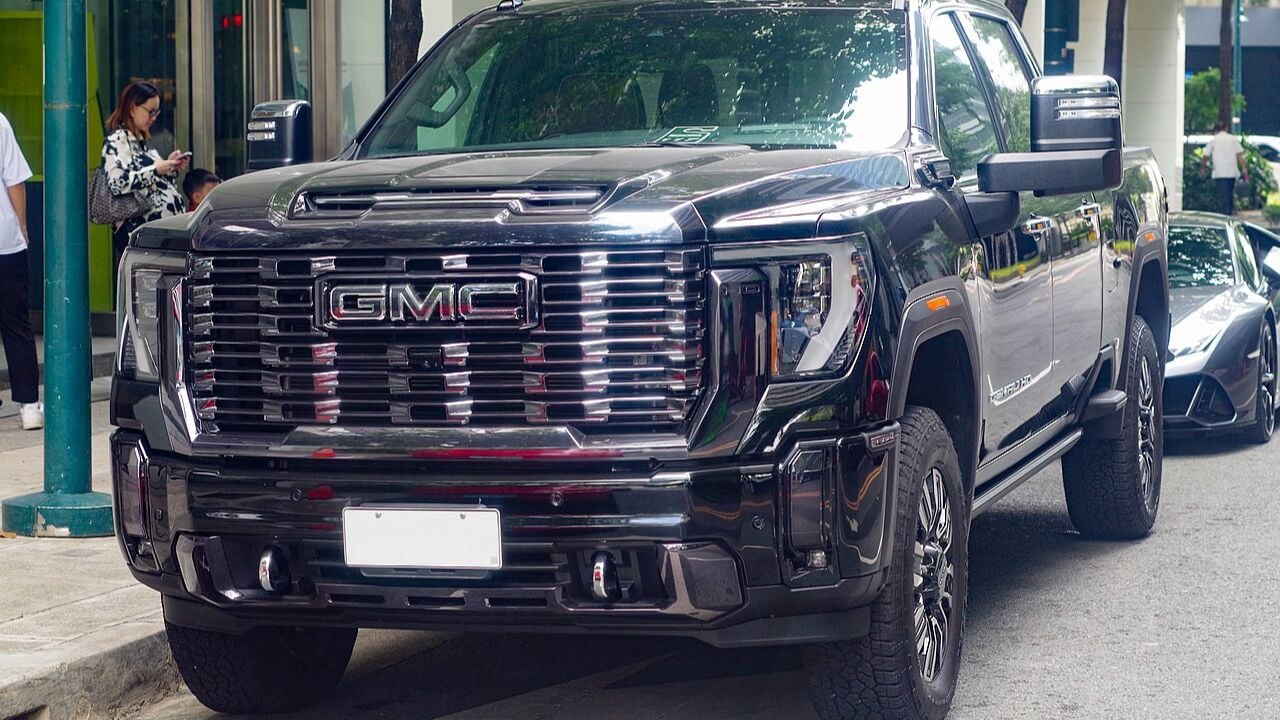
That said, it may be important to always check the destination fee before assuming a sticker price represents what you will pay. It might seem like a small part of the total cost at first glance, but on trucks that already start in the high $40,000 or $50,000 range, a nearly $3,000 fee is significant.
What It Means for Buyers
Despite the higher fee, full-size trucks remain extremely popular. Ford, GM, and other manufacturers continue to see strong demand for pickups and SUVs, partly because these vehicles remain versatile for work, family, and towing. We recently reported that GM has idled its EV-focused manufacturing plant while ramping up production of full-sized ICE trucks at its Flint facility.
That means automakers may feel confident passing along increased costs without scaring away buyers.
Still, for budget-conscious shoppers, it is worth paying attention. If you are shopping for a truck, ask your dealer for the full out-the-door price, which includes destination charges, taxes, and any dealer fees. That number gives you a much clearer picture than the sticker price alone.
Ultimately, the new destination fee rules are just another reminder that buying a truck (or any car, for that matter) involves more than picking the trim and color. Every extra cost adds up, and the destination fee has become one of the fastest-growing line items on a buyer’s invoice.
The next time you browse the lot, remember that $2,795 is already built into the price, and plan your budget accordingly. Let’s leave you with this thoughtful comment by a reader:
“For $2800 I could fly to Detroit, spend a night at a good hotel, get a couple of hot dogs at Duly’s Place and pay for gas and hotel costs on the way home. I wonder, does this delivery charge apply if you pick your Vette up in Bowling Green?”