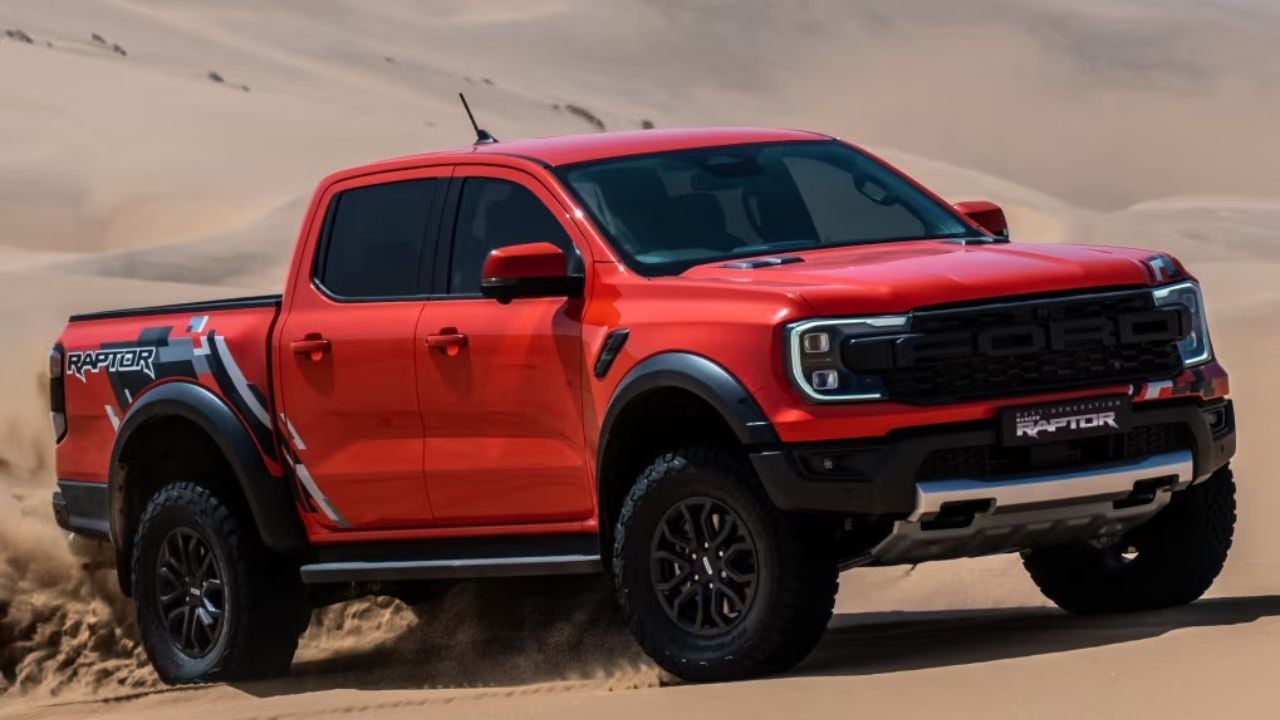
Ford could soon make one of the most unexpected strategic turns in the European auto industry in recent years. According to information from Spanish media, the American automaker is in serious talks with Geely over the sale of part of its Valencia plant.
Such a move would give the Chinese giant something highly valuable: the chance to build cars in Europe under its own brand for the first time.
For Ford, the potential deal would bring money into a European business that has been under pressure. Sales have weakened, while the cost of developing battery electric models continues to rise.
For Geely, the logic is even clearer. A European factory would give it a direct industrial base in one of the world’s most difficult and important car markets.
Valencia Has Too Much Unused Capacity
At the center of the talks is the Body 3 hall, the production line where the Mondeo, Galaxy, and S-Max were once built. Ford’s Valencia factory has an annual capacity of about 300,000 vehicles, but today it effectively produces only the Kuga.
That leaves a large part of the facility underused. Selling part of the factory would give Ford a significant financial boost at a time when every investment decision in Europe is being examined more carefully.
Geely would gain far more than a building. Producing cars inside the European Union would allow the Chinese company to avoid EU tariffs on battery electric vehicles imported from China, which are set at 18.8% for the brand.
It would also give Geely a better way to adapt its vehicles to local demand, supplier networks, and European regulatory expectations.
Galaxy EX2 Could Be The First Model
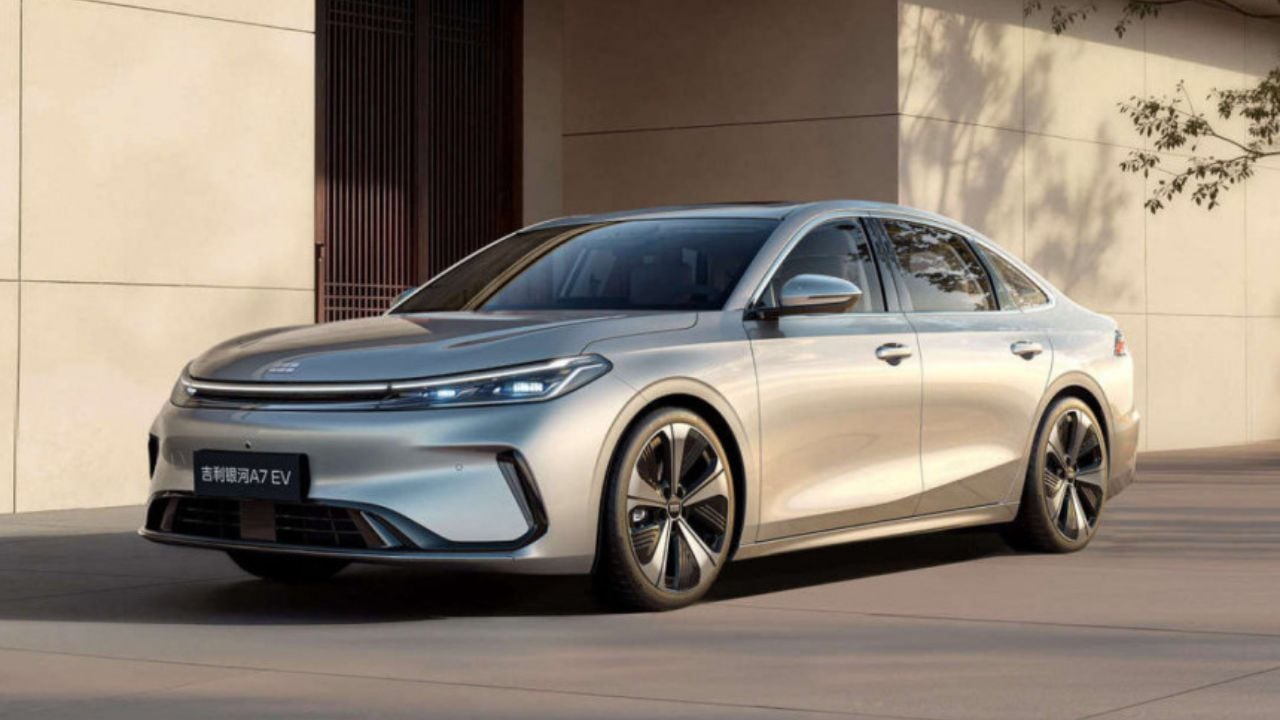
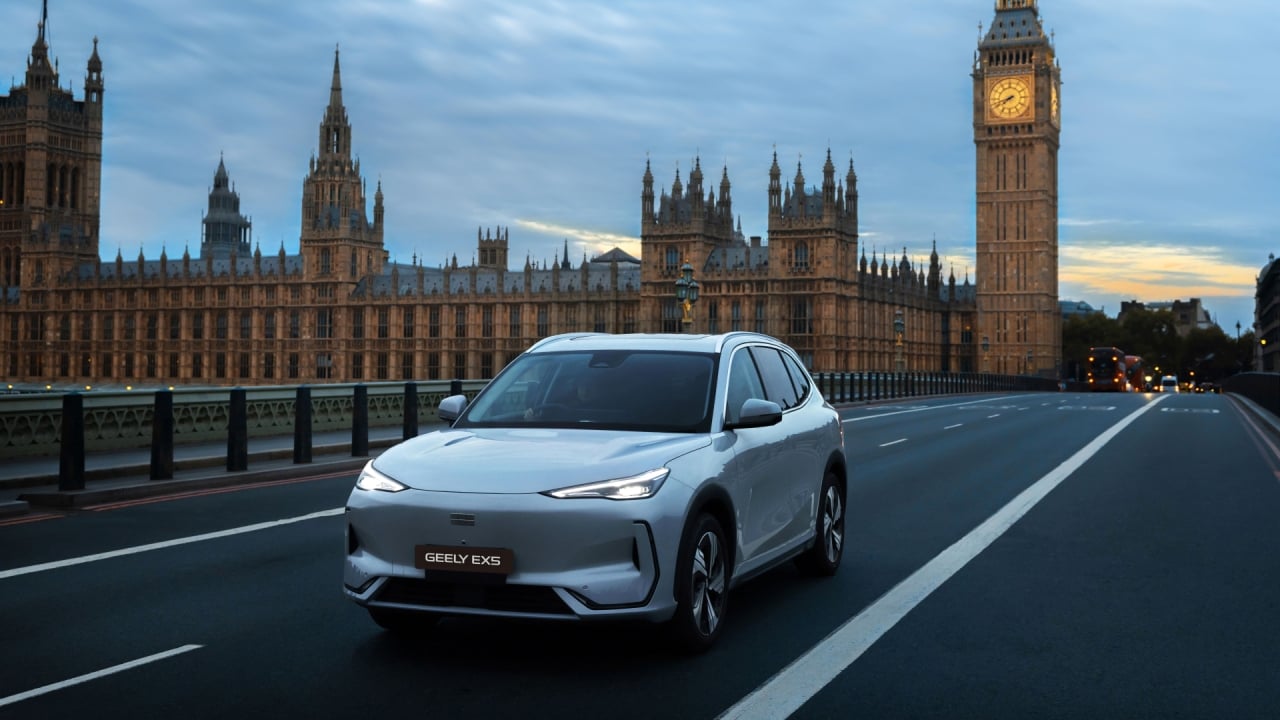
The first model that could come off the production lines in Valencia is the Galaxy EX2, a compact battery electric crossover similar in size to the Ford Puma. In China, this car is sold as the Galaxy Xingyuan, and it was the country’s best-selling car last year.
The model uses Geely’s modular GEA platform, which was developed for battery electric and plug-in hybrid powertrains in several sizes and body styles. That flexibility makes it especially useful for a company trying to scale quickly in different markets.
The possible cooperation may not end with Chinese cars being built in Europe. Industry sources claim Geely could also produce a future Ford model based on the same platform.
That would allow Ford to reduce the development cost of new battery electric vehicles, especially at a time when the company is trying to rationalize spending after a slowdown in EV demand.
Ford’s Future Valencia Crossover Could Be A Key Piece
Ford confirmed last year that Valencia would become home to a new crossover that would indirectly replace the Focus. That model is expected to be offered with hybrid and battery electric powertrain options.
It is also expected to become one of Ford’s most important global products. At first, it was believed the vehicle would use the existing C2 platform to avoid costly changes to the production lines.
A possible deal with Geely now opens the door to a different scenario, one in which Ford could use Chinese platform technology instead. That would have seemed unlikely not long ago, but the industry has changed quickly.
Ford already uses partnerships for European models. The Capri and Explorer are based on Volkswagen’s MEB platform, while new battery electric models developed with Renault technology are expected before the end of the decade.
Chinese Technology Is Becoming Harder To Ignore
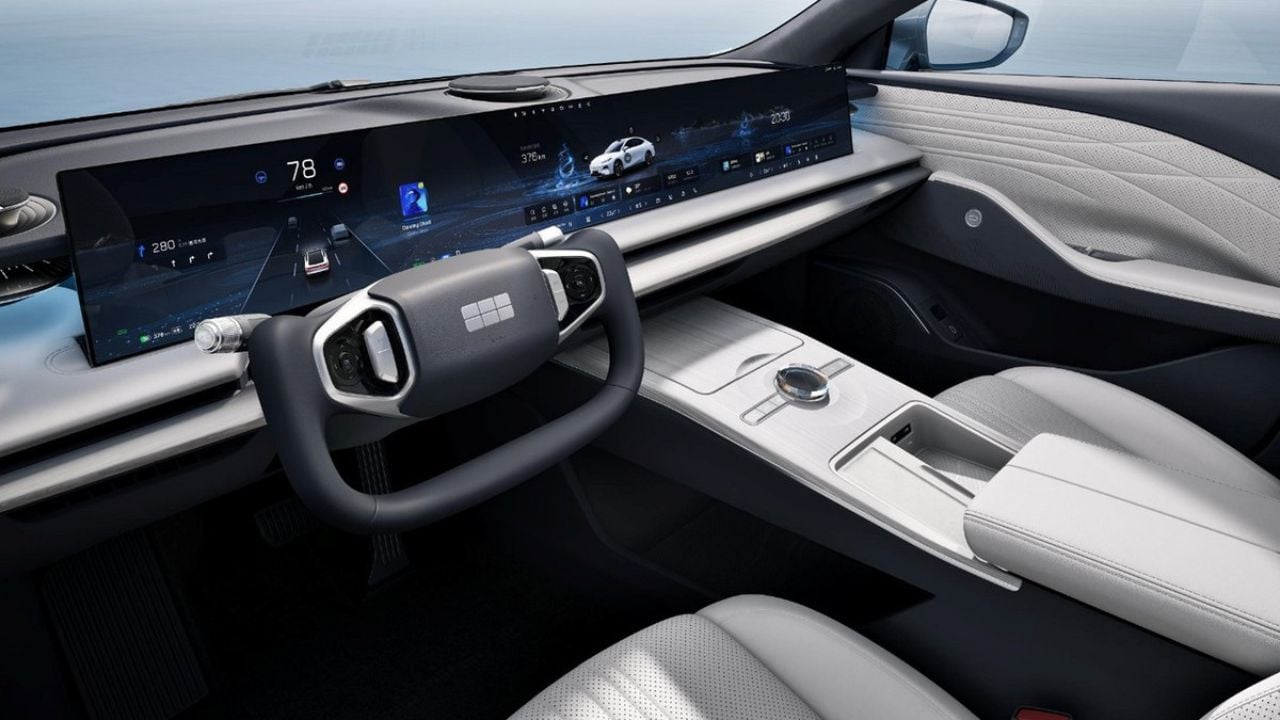
Cooperation with Chinese manufacturers is no longer seen as unusual. In a market where new platform development has become extremely expensive and risky, it increasingly looks like a practical necessity.
Ford CEO Jim Farley has spoken openly several times about the huge competitive advantage Chinese manufacturers currently have. He has especially pointed to BYD, emphasizing that Chinese companies hold a multiyear lead in battery technology and production efficiency, helped in part by strong state support.
That is one reason Ford is moving quickly to find a business model that can deliver more competitive battery electric cars at lower prices.
The American company is also developing its own universal EV platform, designed for affordable battery electric vehicles expected from 2027. The first model will be a midsize electric pickup with about 300 miles of range, a 48-volt system, LFP batteries, and a target price of around $30,000.
Geely Could Already Be Helping Ford
Even while Ford develops its own technology, it is clearly exploring deeper cooperation with Chinese companies. Additional attention came after a statement from Alex Gu, Geely’s vice president, who effectively revealed that the company is helping Ford develop the next generation of the Ranger.
Ford declined to comment on those claims. Still, the fact that Geely is already developing its own pickup planned for 2028 gives the statement more weight.
According to Australia’s Carsales, a Ford delegation recently visited China to intensify talks with Geely. Executives from the two companies also reportedly met in Michigan.
Ford officially denies cooperation for the U.S. market, but talks about European projects appear to be growing more serious.
A Sign Of A Changed Global Industry
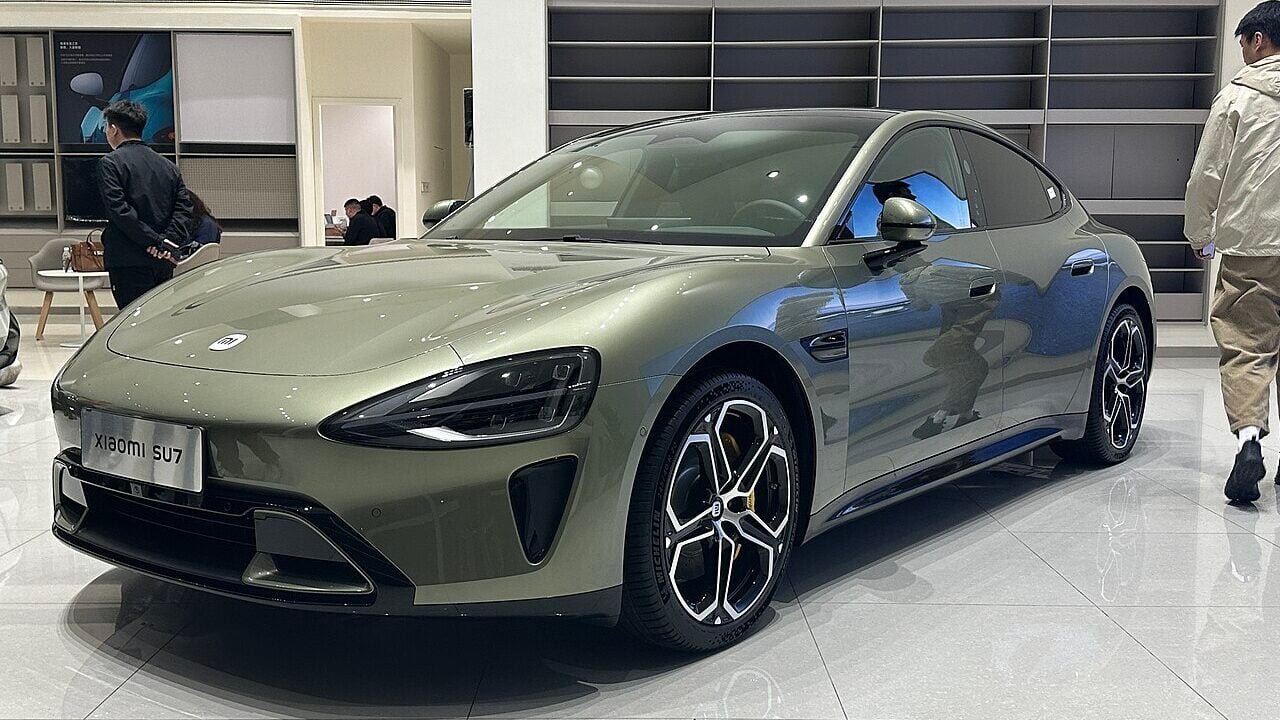
The irony is hard to miss. The whole story comes at a time when Jim Farley reportedly drives a Chinese battery electric car, the Xiaomi SU7, every day, a car that has become a symbol of China’s rapid technological progress.
That detail captures the scale of the change. Chinese automakers are no longer only low-cost challengers. They are becoming technology references that even the largest Western manufacturers study closely.
For Ford, a possible Valencia deal with Geely would be more than a factory transaction. It would show how much the balance of power in the global auto industry has shifted. Even the biggest American automakers are now being pushed to seek partners among companies they once saw mainly as threats.
This article originally appeared on Autorepublika.com and has been republished with permission by Guessing Headlights. AI-assisted translation was used, followed by human editing and review.