
A Cocoa, Florida woman is in jail after police say she steered her vehicle toward a group of children playing outside, openly described the incident as “target practice,” and then, when officers showed up to sort things out, helpfully announced that a “special present” was coming their way — and clarified, unprompted, that yes, that was a threat.
Pamela Dresser, 59, was arrested Sunday evening after Cocoa Police responded to a call at an apartment complex on Rosa L. Jones Drive. What they found upon arrival was a woman in what the probable cause affidavit describes as a “highly agitated state” — which, given everything that followed, feels like something of an understatement. Bystanders were already yelling that Dresser had swerved toward children in the area and used the phrase “target practice” to characterize it.
Dresser, for her part, offered a different version of events: she had simply made a wide turn to avoid a yellow cart parked near the road. She also acknowledged that she had gone and done donuts in a nearby gravel lot afterward, because apparently the evening still had some road time left in it. When she returned to the parking lot, a confrontation was waiting. According to investigators, she admitted to making the “target practice” comment but framed it as a joke.
Whether or not the joke landed, the rest of the evening did not go well for Dresser. As officers attempted to speak with other residents, she made statements indicating that a “special present” would soon be delivered, then — apparently feeling the statement lacked sufficient clarity — added the phrase “that is a threat.” Officers arrested her on the spot. Witness accounts collected afterward painted a fuller picture: four children had scattered after Dresser’s vehicle came toward them, she had displayed her middle finger, and reportedly yelled a racial slur. One witness stated that Dresser later admitted, explicitly and without much ambiguity, that she had in fact tried to run the children over.
The Charges She Is Now Facing
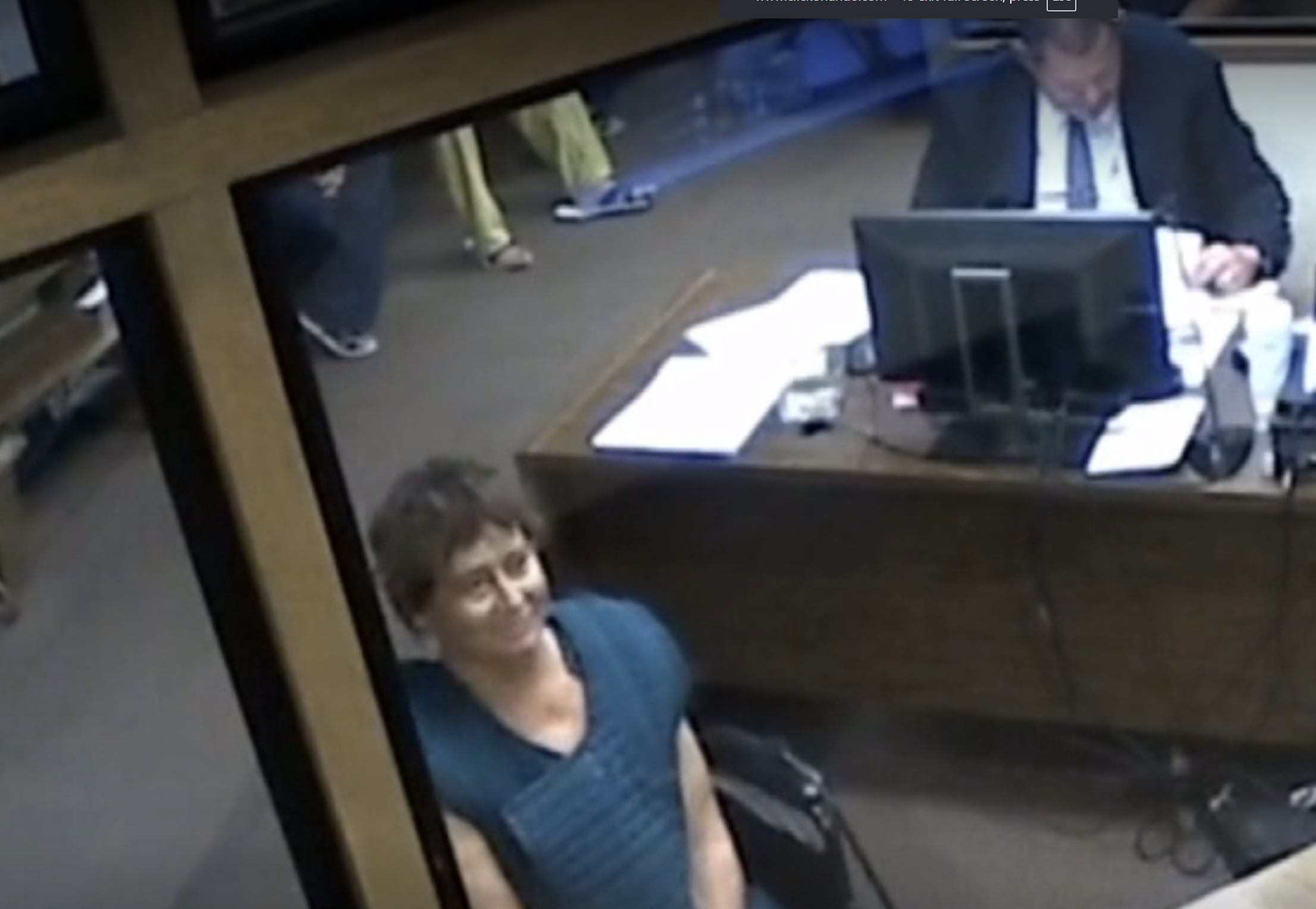
Dresser left the scene in handcuffs rather than a vehicle. She currently faces four counts of child abuse without great bodily harm, four counts of aggravated assault with a deadly weapon without intent to kill, and two counts of making threats against a public servant.
Her bond is set at $250,000, and she is scheduled for arraignment on July 2.
When a Car Becomes a Weapon: How the Law Treats It
Using a vehicle to threaten or harm someone is treated seriously under Florida law, and for good reason. A car weighing two or more tons traveling at even moderate speed presents a level of danger comparable to many conventional weapons. Florida statutes allow for aggravated assault charges when a vehicle is used in a threatening manner, and prosecutors have successfully argued for felony convictions in cases where no physical contact was made but the intent to intimidate or harm was clear.
In cases involving children as victims, courts tend to apply additional weight to the circumstances, which explains the scope of the charge sheet Dresser is now dealing with.
Residential Parking Lots and the Problem of Informal Space
Part of what makes incidents like this one particularly concerning is the setting. Apartment complex parking lots occupy a kind of legal gray zone in terms of pedestrian safety expectations. Children playing in these spaces is common, especially in warmer months, and the low-speed, informal nature of the environment tends to create a false sense of security. Unlike a public road with clear traffic laws and enforcement expectations, a residential lot can feel like a lawless middle ground.
Florida has seen recurring incidents of aggressive driving in these spaces, and law enforcement agencies have increasingly emphasized that standard traffic and criminal statutes apply regardless of whether the road is public or private.
What “Aggravated Assault With a Deadly Weapon” Actually Means
It is worth pausing on one of the specific charges here. Aggravated assault with a deadly weapon without intent to kill is a third-degree felony in Florida, carrying a potential sentence of up to five years in prison. The “without intent to kill” qualifier does not soften the charge significantly in practice; it simply distinguishes it from a more severe category.
A vehicle qualifies as a deadly weapon under Florida law when used in a way that is capable of causing death or great bodily harm. The donuts in the gravel lot, the alleged swerve toward the children, and her own statements in front of witnesses and officers effectively handed prosecutors a well-documented case.
A Reminder That Cars Require More Than a License
For the driving community, incidents like this one are a grim reminder of what happens when someone treats a vehicle as an extension of their frustration rather than a machine requiring judgment and responsibility. Most drivers reading this have enough experience behind the wheel to understand exactly how quickly things can go wrong even in controlled, low-speed situations. A parking lot is not a test track, and children are not traffic cones.
Dresser faces a substantial legal reckoning, and her arraignment in July will determine how the case formally proceeds. In the meantime, a $250,000 bond suggests the court is not inclined to take her evening’s decisions lightly.