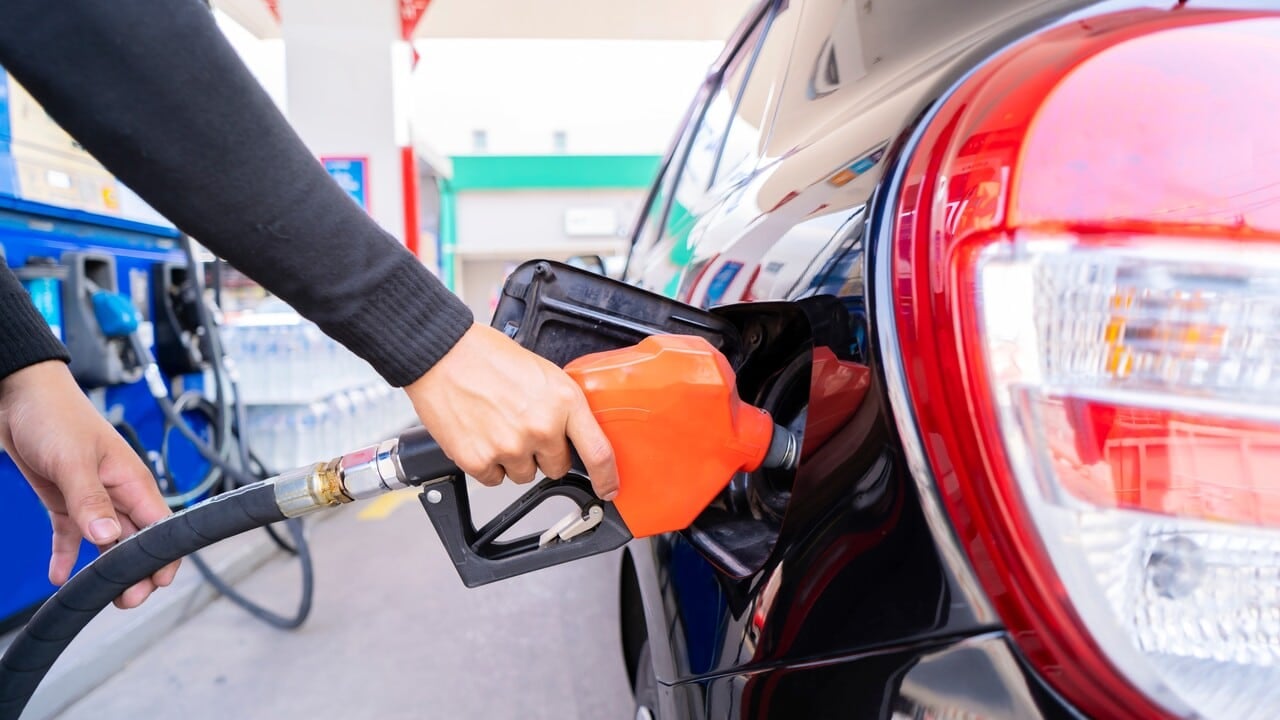
Florida is making an unusual call at the pump. Starting May 1, the Sunshine State will allow gas stations to sell winter-blend gasoline during what would normally be peak summer-fuel season, thanks to a 90-day emergency order designed to put some relief in drivers’ pockets. It is the kind of policy move that flies under the radar until you actually stop to think about what it means for the price on that big sign at the corner station.
If you have ever noticed that gas prices tend to creep up in the spring and stay stubbornly high through summer, part of that has to do with the type of fuel being sold. Summer-grade gasoline is more expensive to produce than its winter counterpart, and refineries have to retool to make it. Florida’s emergency order essentially skips that transition for 90 days, letting retailers move a cheaper product out the door during a time of year when consumers are usually paying a premium.
The policy is being framed as a financial lifeline for Floridians who have been squeezing every dollar at the gas station. Whether it actually delivers meaningful savings will depend on how quickly the market responds, and whether stations pass along any production savings to consumers rather than padding margins. But the intent is clear: the state wants cheaper gas on shelves, and this is one lever it can pull without waiting on Congress or OPEC.
There is, however, a catch worth knowing about. Winter-grade gasoline is not typically sold in warm-weather states during the summer for a reason, and that reason involves air quality. This is not just a bureaucratic formality; it is a real environmental tradeoff that Florida is making in the name of affordability, and it is worth understanding before you fill up and drive off feeling good about the price.
What Is the Difference Between Winter and Summer Gasoline?
Most people assume gasoline is just gasoline, but fuel blends actually change with the seasons. Summer-grade gasoline is specially formulated to reduce evaporation in hot weather, which cuts down on the smog-forming compounds released into the air when temperatures climb. It is more complex and more expensive to produce, which is a big reason why gas prices tend to rise heading into the warmer months.
Winter-grade gasoline, by contrast, contains a higher percentage of ethanol and other additives that help engines start in cold conditions. It evaporates more readily, which is perfectly fine in cold climates but becomes a concern when temperatures are pushing into the 80s and 90s. In warmer states, selling winter blend during summer months has traditionally been avoided because of what that extra evaporation can mean for air quality.
Florida is making a deliberate exception to that norm, betting that the economic benefit to consumers outweighs the environmental cost over a 90-day window.
Will This Actually Lower Gas Prices for Drivers?
That is the question everyone at the pump is going to be asking. The honest answer is: it depends. The savings from using a cheaper-to-produce blend do not automatically get handed to the consumer. Retailers and distributors have their own margins to protect, and market forces do not always flow in a straight line from production cost to pump price.
That said, increased supply of a lower-cost product does tend to create downward pressure on prices, especially in a competitive retail environment where stations are already undercutting each other by a few cents a gallon to win business. If the blending and distribution savings are meaningful enough, there is a reasonable chance some of that does find its way to Florida drivers over the course of the 90-day window.
It is also worth noting that Florida is a massive state with millions of drivers, so even a modest per-gallon savings adds up quickly when you multiply it across the volume of fuel being sold daily. The state clearly thinks the math is worth it.
The Environmental Tradeoff Worth Paying Attention To
Here is where things get a little complicated. Winter-blend gasoline has a higher evaporative profile, meaning more fuel vapor escapes into the air during storage, fueling, and combustion in hot weather. Those vapors are a precursor to ground-level ozone, the main ingredient in smog, which has real health implications for people with asthma, heart conditions, and respiratory issues.
The reason summer fuel standards exist in the first place is that regulators recognized decades ago that the chemistry of combustion and evaporation changes in the heat, and that the consequences fall disproportionately on people who already have health vulnerabilities. Florida’s emergency order is essentially asking those residents to absorb a bit more of that risk for 90 days in exchange for potential savings at the pump.
That is not necessarily the wrong call, but it is a call that deserves transparency. Drivers in Florida’s major urban areas, where air quality is already a concern and heat is relentless, may want to keep an eye on how air quality monitors trend over the summer if this order goes into effect.
What This Situation Can Teach Us About How Gas Prices Work
Florida’s move is actually a useful lens for understanding something most people never think about: fuel policy is not as simple as supply and demand. The price you pay at the pump is shaped by refining costs, seasonal regulations, state and federal blending requirements, distribution logistics, and yes, political decisions like this one.
Emergency orders like this one reveal that some of the “structural” costs baked into fuel prices are, in fact, flexible when there is enough political will to move them. That should prompt a broader conversation about whether some seasonal fuel regulations are more about protecting margins than protecting the environment, and whether states have more tools available to them during price spikes than they typically use.
It also underscores that energy policy almost always involves tradeoffs. Cheaper gas sounds like a pure win, but the reason we do not always use the cheapest version of gas is that cheaper often means more emissions. Florida is not hiding that tradeoff, but it is making a choice that prioritizes wallets over air quality for three months, and that is a policy debate worth having out in the open.