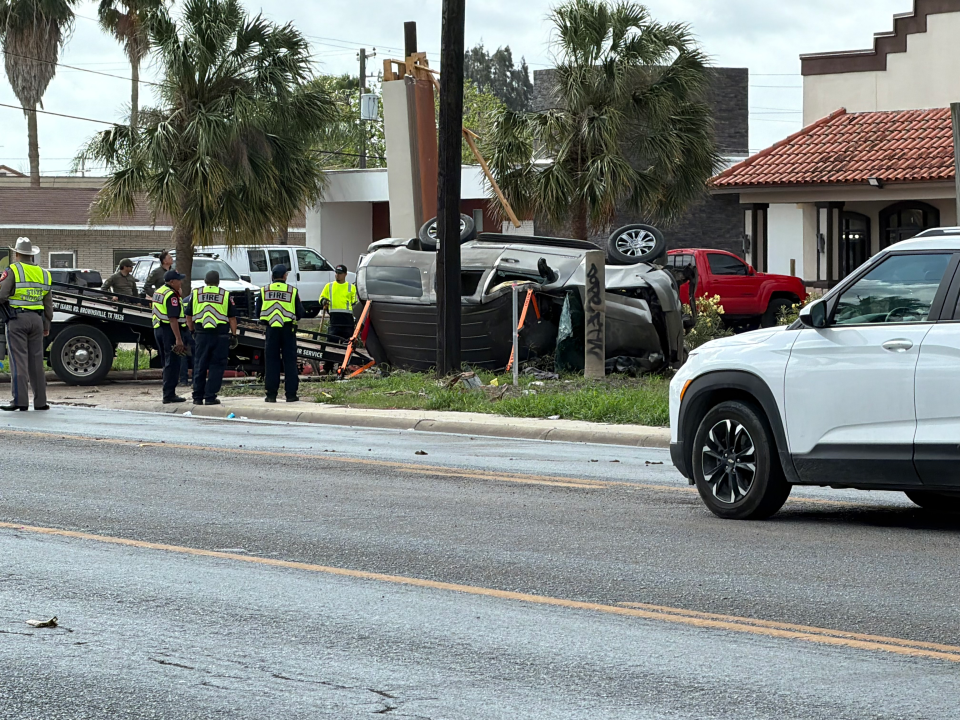
A Wednesday morning police chase in Brownsville turned into a chaotic scene on State Highway 4 when a fleeing driver lost control of his vehicle, rolled it over, and was found to have four migrants riding along for the trip. The Texas Department of Public Safety confirmed the incident, and while the driver walked away with only minor injuries, he will not be walking away from the legal consequences quite so easily.
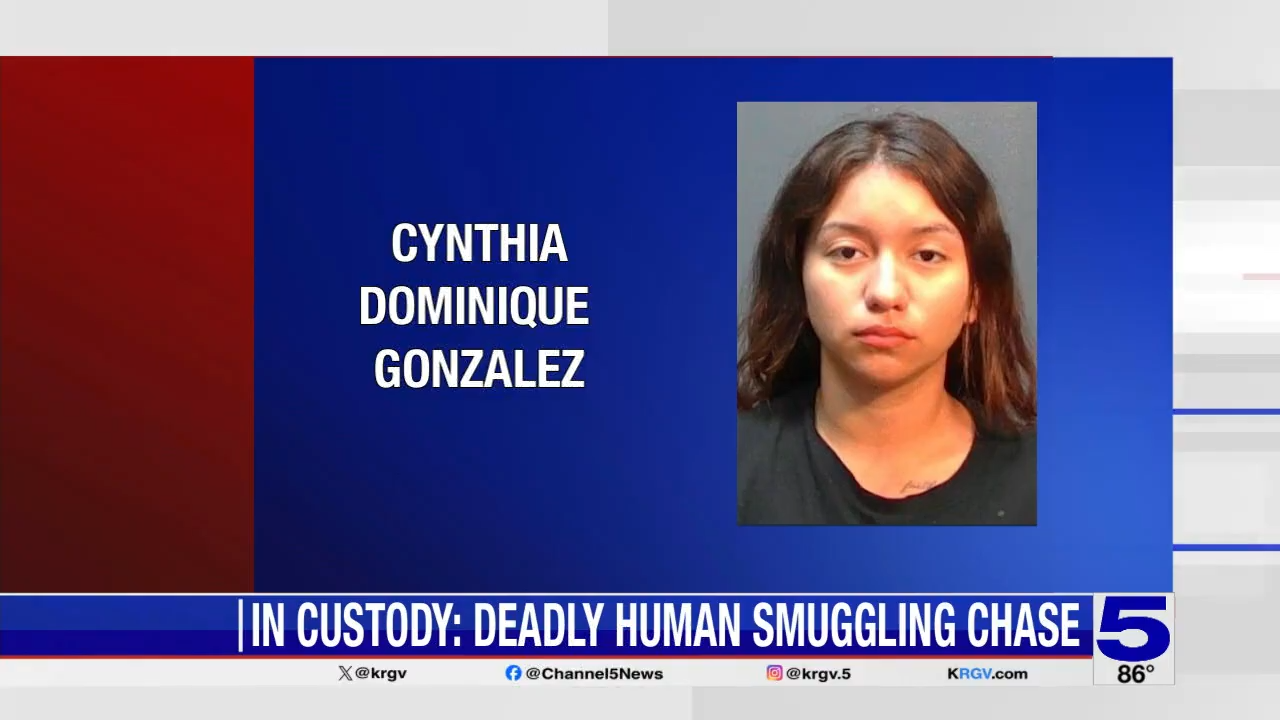
DPS says the man is currently recovering in a hospital, and charges are expected to be filed once he is discharged. His identity has not yet been released, pending that release. The agency confirmed he is expected to face charges of human smuggling and evading arrest, two serious offenses that carry significant federal and state penalties in Texas.
The four migrants who were passengers in the vehicle at the time of the crash were turned over to U.S. Border Patrol following the incident. It remains unclear whether any of them suffered injuries in the rollover, a detail that has not yet been addressed by authorities.
South Texas has long been a hotspot for smuggling activity, and law enforcement pursuits tied to suspected human smuggling operations are not uncommon in the Rio Grande Valley region. This latest incident, however, serves as a stark reminder of just how dangerous these situations can become, not only for law enforcement, but for the migrants themselves who are often the most vulnerable people in the vehicle.
How the Chase Unfolded
The pursuit got started Wednesday morning at the intersection of State Highway 4 and Oklahoma Avenue in Brownsville. From there, the driver headed east on Highway 4, with authorities in tow. The chase came to an abrupt end east of Owens Road when the vehicle rolled over, bringing the pursuit to a halt and prompting an immediate emergency response.
DPS did not release details on what initially drew law enforcement’s attention to the vehicle or what prompted the driver to flee, but the sequence of events suggests officers had reason enough to initiate the stop before the driver decided speed was a better option than compliance.
What We Know About the Charges
Human smuggling charges in Texas are no small matter. Under Texas Penal Code, smuggling of persons can be charged as a state jail felony all the way up to a first-degree felony, depending on the circumstances, including whether the victims were put in danger or suffered injuries. Given that a rollover crash was involved, prosecutors may have room to pursue elevated charges.
Evading arrest with a vehicle is also a felony in Texas when it results in serious bodily injury, property damage, or, as in this case, an accident. The driver’s decision to run rather than pull over compounded what might have otherwise been a less severe legal situation.
DPS confirmed his identity will be made public once he is released from the hospital, at which point formal charges are expected to be filed.
The Human Cost of Smuggling Operations
Lost in the legal conversation is the reality that four human beings were passengers in that vehicle when it rolled. Migrants who are smuggled across the border often have little to no say in how they are transported, who drives them, or what risks they are exposed to along the way. They pay significant sums of money to smugglers, sometimes everything they have, often placing their physical safety entirely in the hands of someone whose primary motivation is profit, not their wellbeing.
Rollover crashes during smuggling-related pursuits have resulted in deaths across Texas in recent years. The fact that no fatalities were reported here is notable, and frankly a bit lucky given the circumstances.
What This Incident Can Teach Us
Stories like this one have a tendency to get reduced to a quick headline and a charge sheet, but there is more worth examining here. First, high-speed pursuits are dangerous for everyone involved, including bystanders, and the decision to flee from law enforcement dramatically raises the stakes for everyone on the road. Second, the migrants involved in this crash are not suspects. They are, at minimum, witnesses, and potentially victims of the very person driving the car.
For communities in the Rio Grande Valley, incidents like this are frustratingly common. Local law enforcement, DPS, and federal agencies operate in a region where smuggling networks are well-established and well-funded. While a single arrest makes a dent, the broader challenge remains considerable. Understanding that reality, rather than treating each incident as isolated, is where meaningful conversation about border policy and public safety tends to begin.