A wagon usually tells the world it is here to be useful. It carries people, luggage, dogs, groceries, ski gear, and all the ordinary pieces of daily life that make a car genuinely valuable.
That is exactly what makes the most extreme factory wagons so fascinating. Their shape suggests practicality, but the engine bay tells a much wilder story.
The best fast wagons are not quick because someone modified them later. They left the factory with engines and chassis hardware that belonged in the same conversation as super sedans, grand tourers, and serious performance cars.
These five wagons prove that a long roof can hide real power. Some are more visually aggressive than true sleepers, but each one still turns the practical wagon idea into something wonderfully unreasonable.
Where Practical Shapes Hide Extraordinary Power
A wagon needs more than big horsepower to belong here. The engine has to feel genuinely special, whether through exotic cylinder count, racing influence, unusual factory approval, or output that felt outrageous for a practical body style.
The car also needs to be factory-built, because the real magic comes from an automaker approving this level of performance for something with cargo space and rear seats. A modified wagon can be entertaining, but a production wagon with this much power says something stronger about the brand that built it.
Visual restraint also matters, though not every car here is invisible. Some have flared arches, big wheels, and performance trim, but they still carry the basic shape of a useful estate car rather than a low-slung exotic.
These choices were judged by engine character, performance credibility, rarity, and how strongly each one disrupts the normal idea of what a wagon should be.
2008 to 2010 Audi RS6 Avant
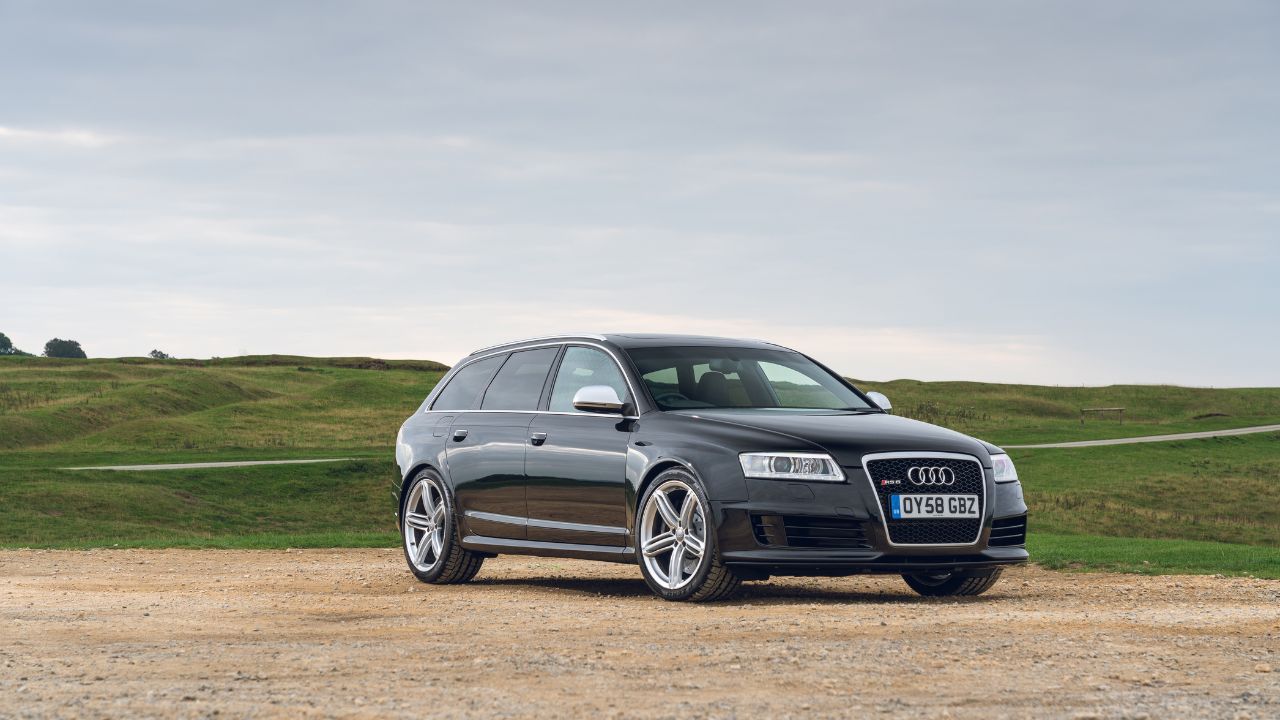
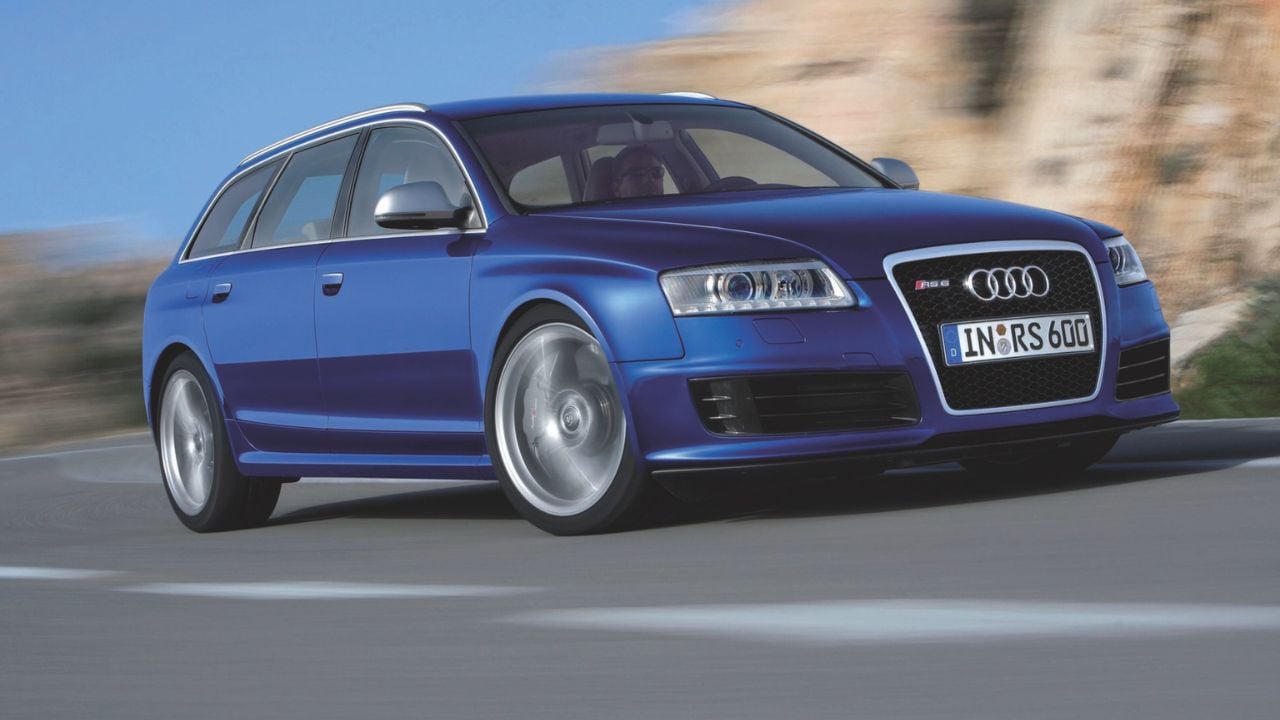
The C6 Audi RS6 Avant may be the ultimate answer to this topic. From the outside, it looked like a serious, muscular Audi wagon, but not something every casual observer would immediately place near supercar territory.
Under the hood sat a 5.0-liter twin-turbo V10 related to Audi’s wider V10 family but heavily reworked for RS6 duty. It was rated at 571 hp and 479 lb-ft of torque, which made the RS6 Avant feel almost absurd for a family estate car.
Quattro all-wheel drive helped turn that output into effortless pace. The car could cover huge ground quickly, carry real cargo, and still deliver the kind of V10 force most people did not expect from a wagon.
The genius of this RS6 is the contradiction. It could look respectable in traffic, then unleash twin-turbo V10 power like something far more exotic.
2007 to 2010 BMW M5 Touring
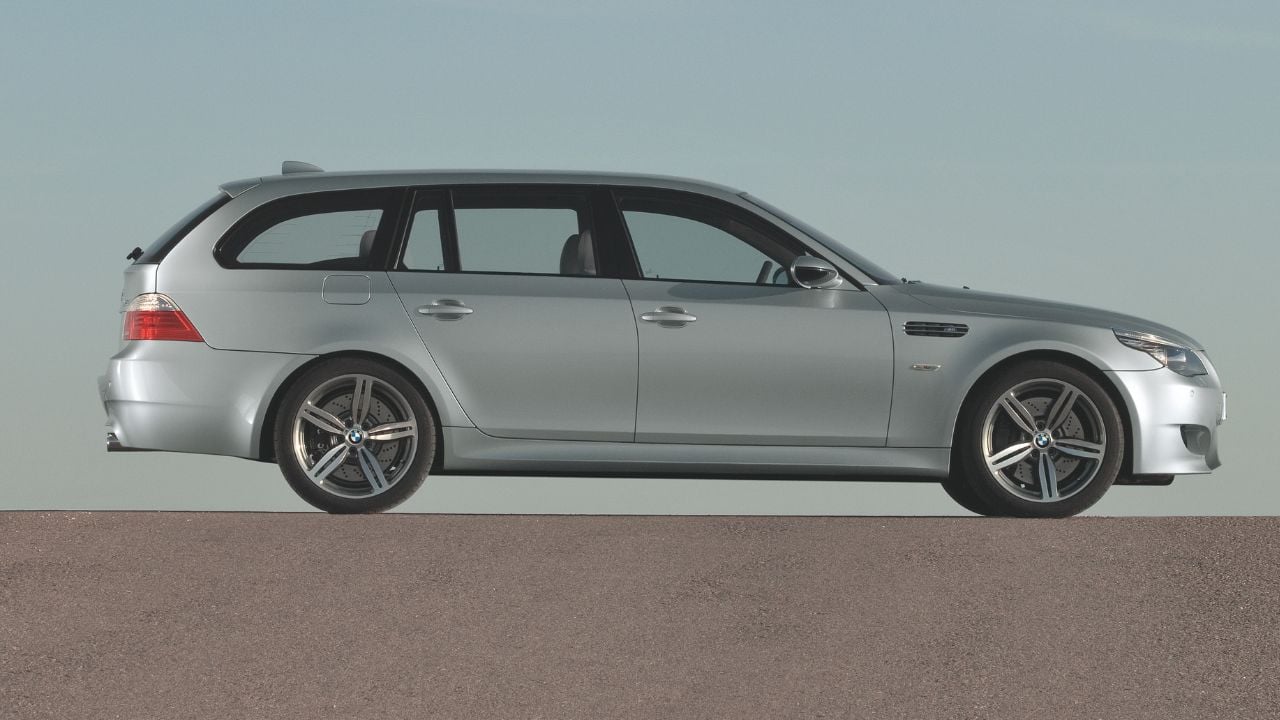
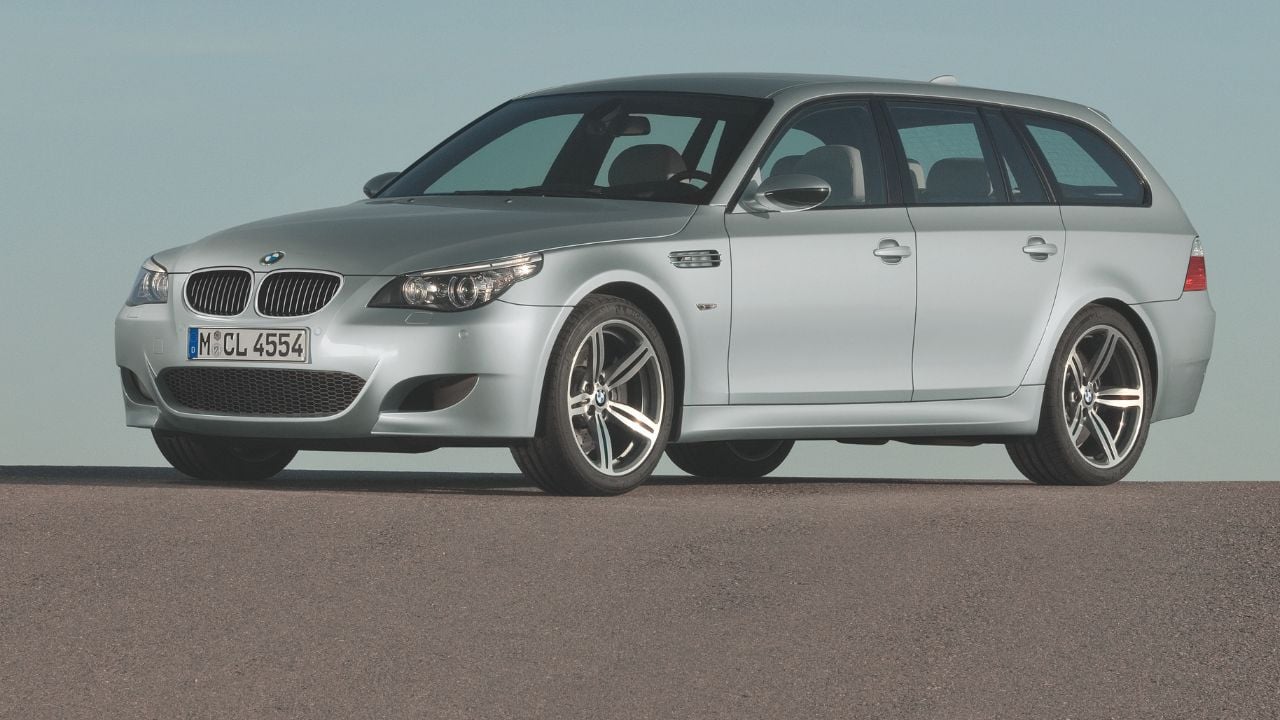
The E61 BMW M5 Touring is one of the greatest examples of BMW building something beautifully irrational. It took the practical 5 Series wagon body and gave it the S85 5.0-liter V10, one of the most exotic engines BMW ever put into a road car.
BMW M lists the M5 Touring with 507 hp, 520 Nm of torque, and a maximum engine speed of 8,250 rpm. Power went through a 7-speed SMG transmission, which gave the wagon a very different personality from the diesel estates parked beside it in Europe.
The M5 Touring was not subtle once the engine came alive. The sound, revs, and throttle response made it feel closer to a motorsport fantasy than family transport.
That is what keeps its legend strong. It had rear seats, luggage space, and a long roof, yet its engine belonged to one of the strangest and most memorable chapters in BMW M history.
2011 to 2014 Cadillac CTS-V Sport Wagon

The Cadillac CTS-V Sport Wagon is the American muscle wagon that should not have existed, which is exactly why people love it. Cadillac took a practical wagon body and installed the supercharged 6.2-liter LSA V8.
That engine was closely related to the Corvette ZR1’s LS9 family and produced 556 hp and 551 lb-ft of torque in the CTS-V Wagon. The result was a luxury long-roof Cadillac with the kind of acceleration and noise usually reserved for far less practical machines.
The available 6-speed manual transmission made it even more special. Very few factory wagons offered this much power, rear-wheel drive, and a clutch pedal in the same package.
The CTS-V Wagon remains one of the clearest examples of factory excess hiding inside a family-friendly body. It had cargo space, luxury trim, and enough supercharged V8 force to make the whole idea feel slightly unreal.
1994 to 1995 Audi RS2 Avant
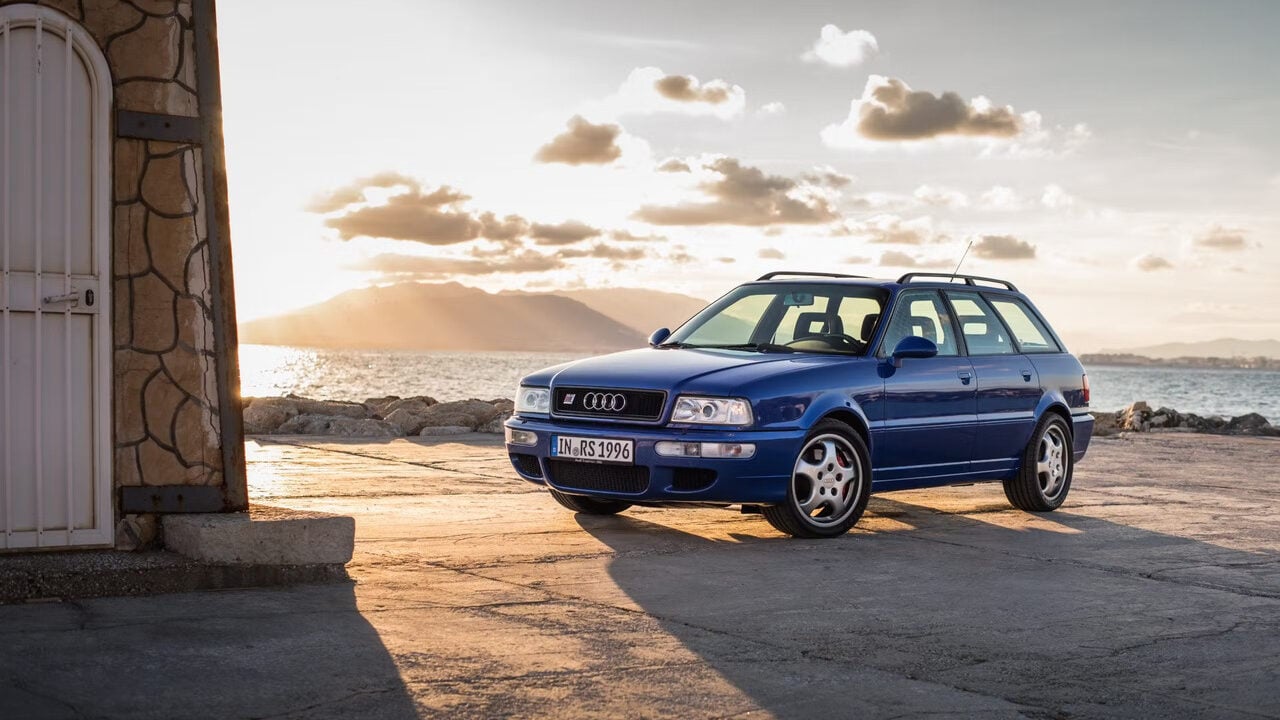
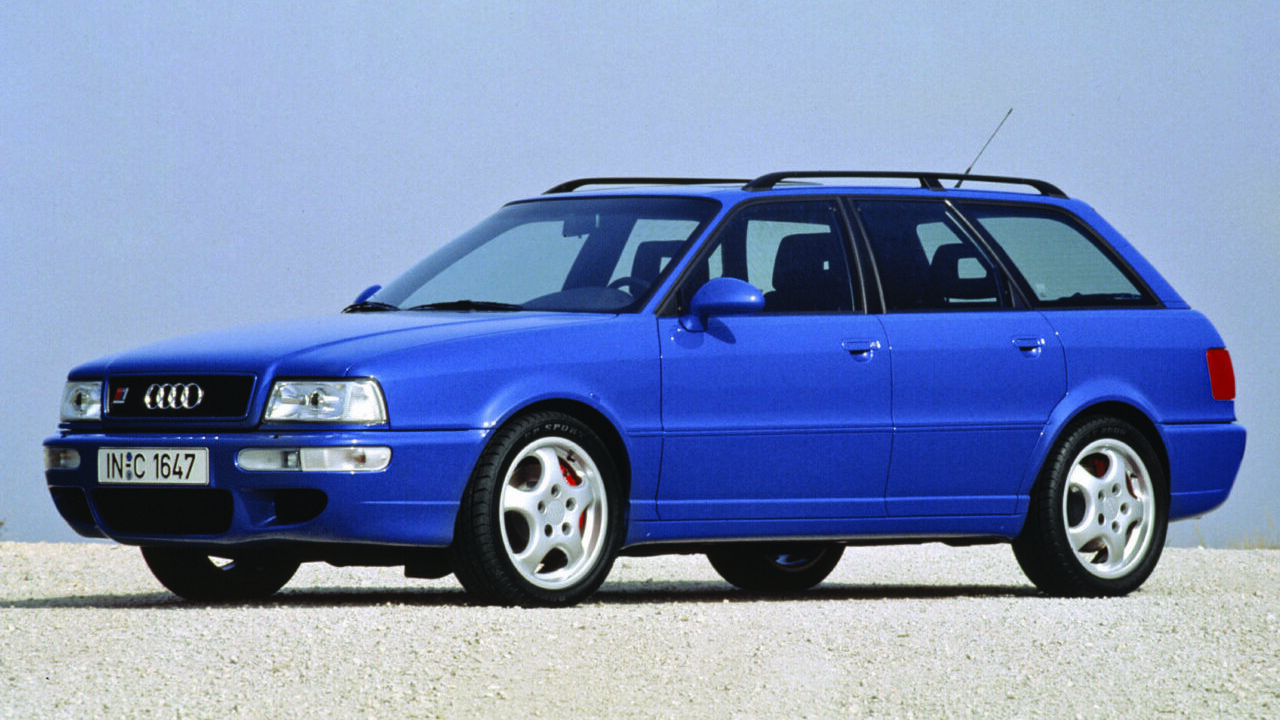
The Audi RS2 Avant belongs here because it helped create the modern fast-wagon formula. It looked like a practical Audi estate, but Porsche was deeply involved in its development, which gave the car a level of credibility few wagons had in the 1990s.
Its turbocharged 2.2-liter inline-five produced 315 PS, or about 311 hp, along with 410 Nm of torque. The RS2 also used quattro all-wheel drive, a 6-speed manual transmission, Porsche-developed brakes, Porsche wheels, and assembly work completed at Porsche’s Zuffenhausen facility.
It was not a supercar engine in the literal sense, but the performance was outrageous for a family wagon of its era. The RS2 helped prove that an estate car could be fast, rare, useful, and genuinely desirable all at once.
Its importance goes beyond the numbers. Without the RS2, the modern idea of the fast Audi Avant would not feel nearly as established.
2014 to 2015 Jaguar XFR-S Sportbrake
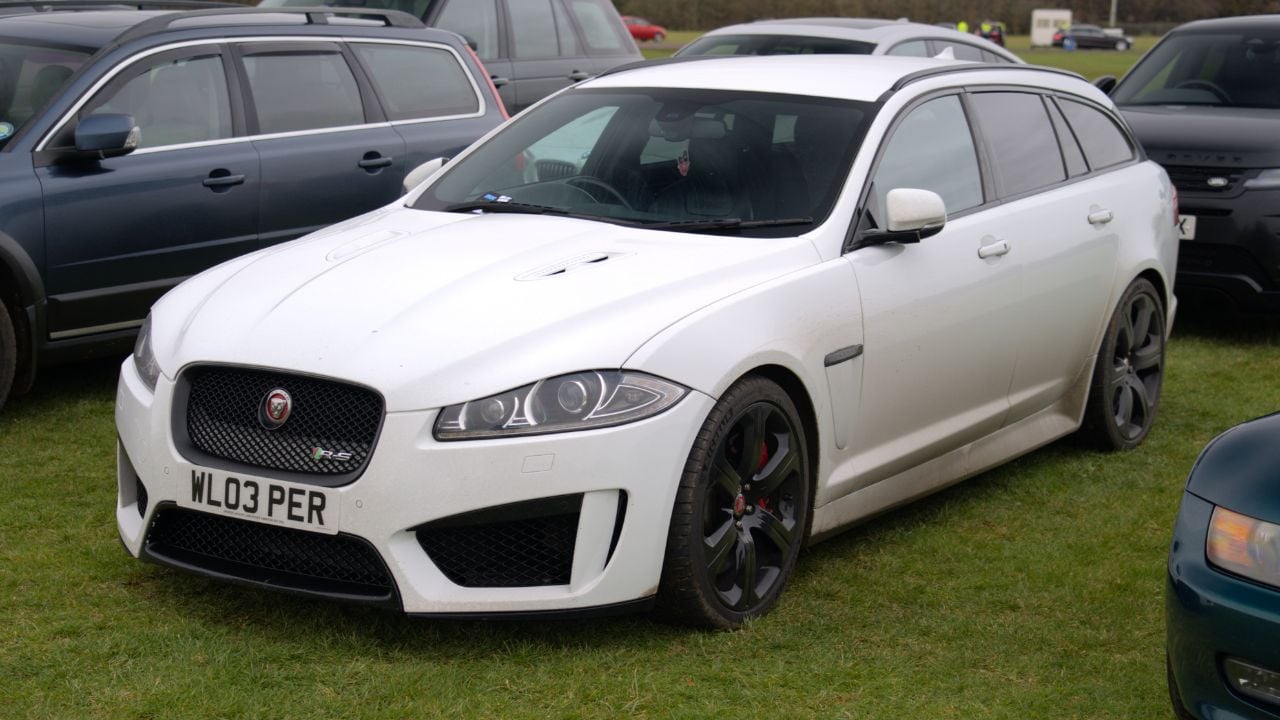
The Jaguar XFR-S Sportbrake brought British elegance and supercharged aggression into one rare wagon body. Its 5.0-liter supercharged V8 produced 550 PS, about 542 bhp, and 502 lb-ft of torque.
Jaguar said the XFR-S Sportbrake could reach 100 km/h in 4.8 seconds and run to an electronically limited 300 km/h. Those numbers made the practical XF wagon body feel almost absurd.
It was not as visually quiet as some of the wagons here. The bodywork, wheels, and performance trim made its intentions fairly clear to anyone who knew what they were seeing.
That did not make it any less special. The XFR-S Sportbrake had speed, noise, rarity, and style in equal measure. It felt like Jaguar proving that a wagon could still be dramatic, elegant, and slightly unhinged.
Why These Wagons Still Feel So Irresistible
The best fast wagons work because they refuse to choose between practicality and serious performance. They carry the shape of responsibility, then hide engines and hardware that belong to a much more emotional part of the car world.
That contrast gives them their lasting appeal. The Audi RS6 Avant brought twin-turbo V10 force to the family estate. The BMW M5 Touring put a high-revving S85 V10 under a long roof. The Cadillac CTS-V Sport Wagon hid Corvette-related supercharged power inside an American luxury wagon. The Audi RS2 Avant used Porsche development to help define the fast wagon as we know it. The Jaguar XFR-S Sportbrake wrapped supercharged V8 aggression in rare British estate-car style.
These cars remind us that performance does not always need a low roof, two seats, or a supercar badge to feel special.
Sometimes the most exciting machine is the one that looks ready for a sensible errand, then leaves the car world wondering how anyone got approval to build it.