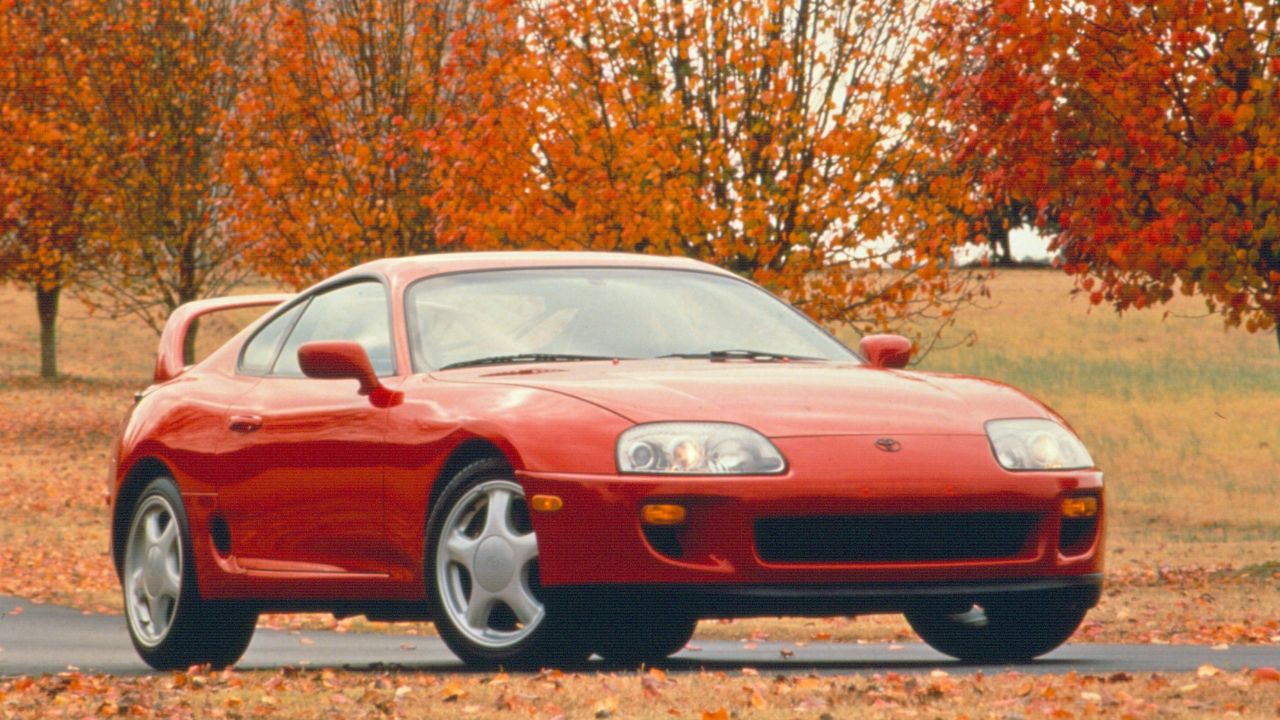
The Japanese collector market looks very different in 2026 from the one buyers saw five years ago. Cars that once felt like attainable weekend rewards now sit in a much more serious part of the market, and the best examples are no longer being priced like casual enthusiast toys.
That shift was never driven by badge nostalgia alone. The biggest winners usually paired motorsport credibility, manual gearboxes, shrinking supplies of clean cars, and an enthusiast base willing to pay real money for the right specification. The important thing now is staying honest about which nameplates really exploded, which ones simply matured into more expensive collector territory, and which trims or condition bands actually deserve the stronger numbers.
That is where this group stands out. These five cars do not all tell the exact same market story, but every one of them has moved into a more serious price bracket than many buyers would have expected a few years ago. In each case, the market logic still holds up.
How This List Was Filtered

This article focuses on trims and condition bands rather than pretending every example of a nameplate is worth the same money. That matters because the Japanese collector market has become sharply condition-sensitive, with originality, mileage, history, and specification now separating ordinary cars from premium ones.
I gave the most weight to Hagerty valuation work and Hagerty market analysis, then checked those signals against public auction comps from Bring a Trailer and broader tracking from CLASSIC.COM. Some of these cars clearly doubled over a meaningful recent period. Others did not, but still moved far enough into a new pricing tier that they now demand to be taken much more seriously than they once were.
Celebrity cars, movie props, and freak one-off sales were treated as noise unless the normal market backed them up. The five below are the ones that best combine real price movement, market depth, and a collector story that still looks credible now.
1989 To 1991 Honda Civic Si
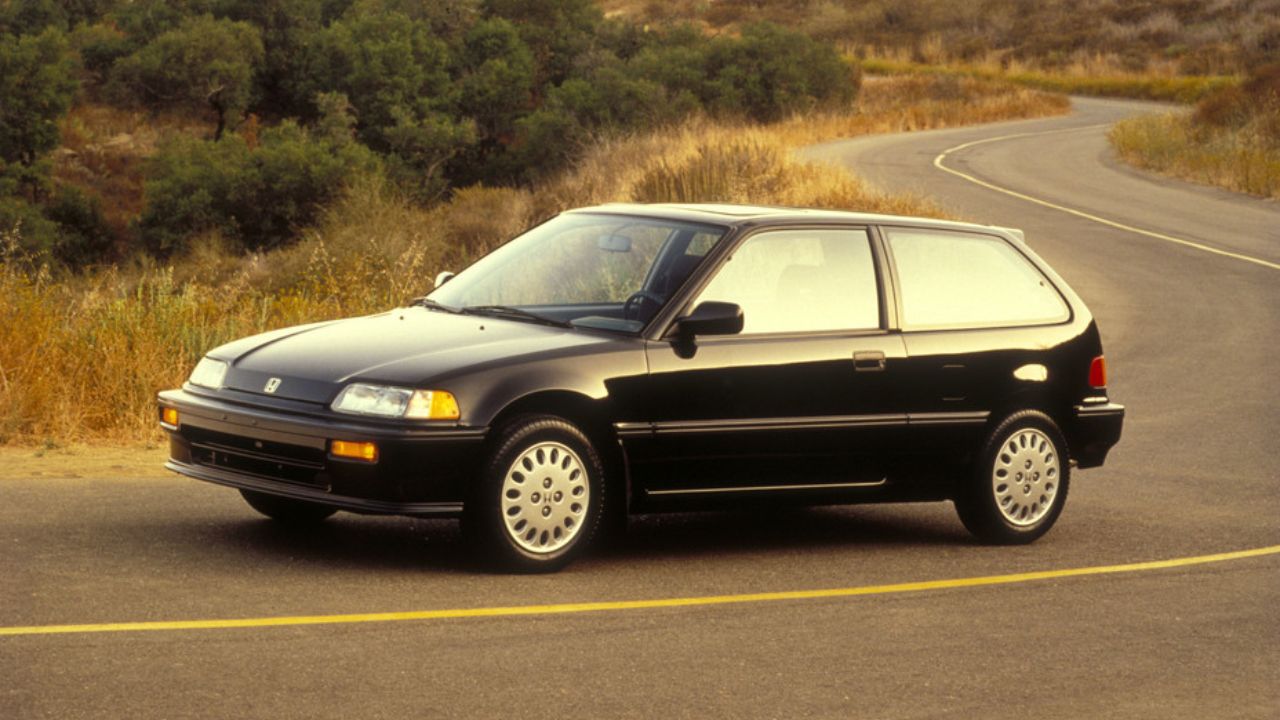
This is the car that proves the Japanese collector story reaches far beyond the usual hero-car names. Hagerty noted in September 2024 that the 1989 to 1991 Honda Civic Si had reached a median #2 value of $16,800, essentially more than double where it stood five years earlier. Hagerty’s current guide still places a good 1991 Civic Si around $14,600, which shows the car has held onto a much more serious collector profile than it once had.
The Civic Si fits this kind of article because its appeal is rational as well as emotional. It is small, simple, durable when cared for, and deeply tied to the rise of Honda performance culture in America. For years, cars like this were treated as cheap fun, which meant many were raced, swapped, rusted, or altered beyond recognition. Once collectors started valuing clean survivors instead of just the idea of the car, the price curve changed. That is how a humble coupe turns into a real collectible.
1990 To 1994 Nissan Skyline GT-R R32
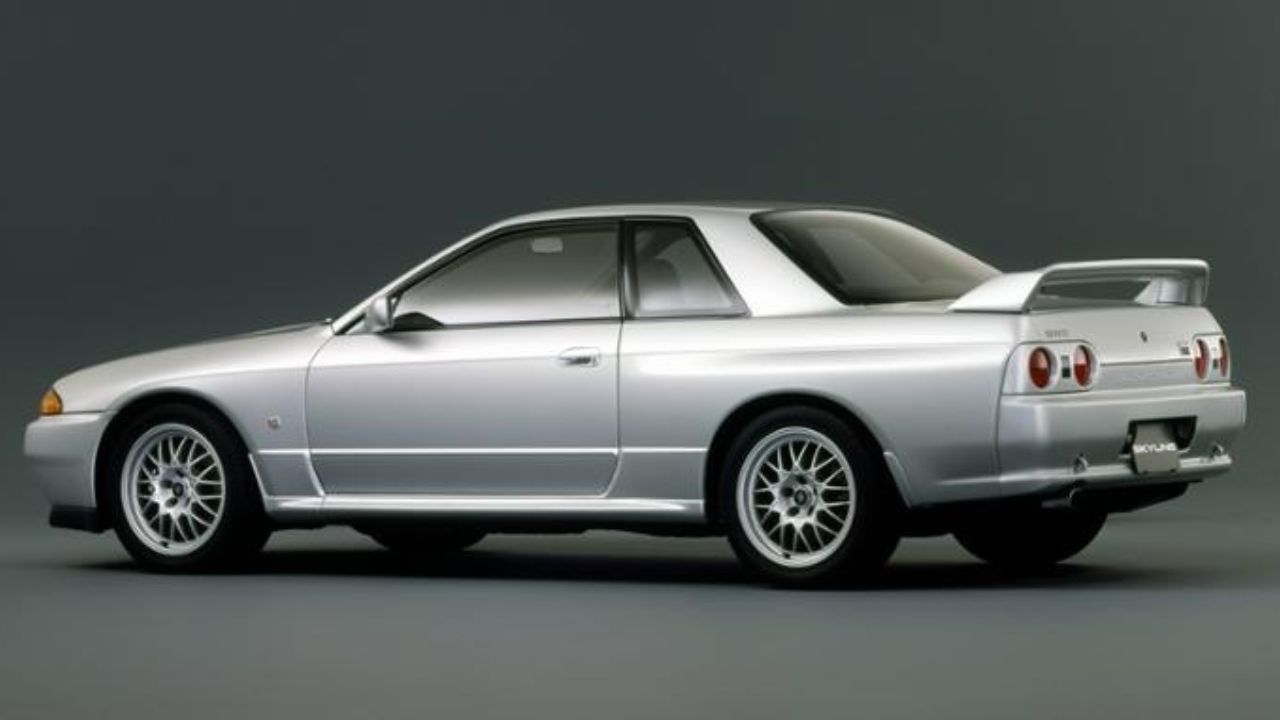
This one belongs here without argument. Hagerty wrote in 2025 that the R32-generation Nissan Skyline GT-R had risen 113 percent from 2020 to 2023, and the current 1990 valuation guide still places a good Skyline GT-R around $55,200. That already tells you plenty, but the more important point is that the R32 has held onto its status instead of fading after the import-window rush.
The reasons are easy to understand. The R32 brought the Godzilla legend, the RB26DETT soundtrack, the all-wheel-drive technical intrigue, and the motorsport reputation that turned it into a global icon long before many American buyers could legally import one. Once the 25-year rule opened the door, demand did exactly what people expected and then kept going. Buyers were not just purchasing performance. They were buying one of the defining Japanese hero cars of the modern era, and the supply of honest, well-kept cars was never generous enough to keep prices calm for long.
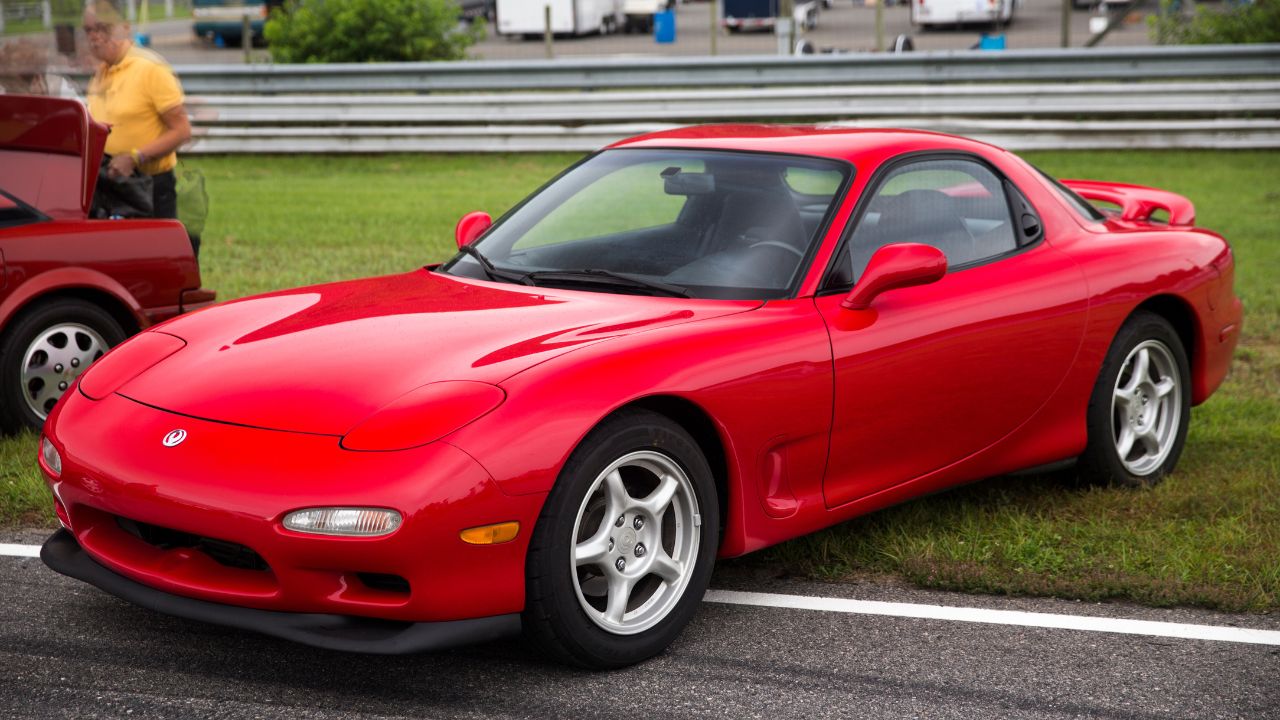
1993 To 1995 Mazda RX-7 FD

The FD RX-7 stopped being a theory a long time ago. Hagerty wrote in late 2020 that excellent-condition FD values had more than doubled over the prior three years, moving from $20,600 to $41,100, and by early 2025 Hagerty placed 1993 to 1995 RX-7s at a #2 value of $57,000, with more used #3 cars already sitting above $40,000. Hagerty’s current 1993 guide now places a good RX-7 at $42,500, while CLASSIC. COM’s 1993 FD market page still shows the broader market benchmark sitting just above $40,000.
The FD is powerful in this space because it delivers rarity, design drama, and a driving feel that still feels exotic. The rotary story adds mystique, the styling still stops people cold, and the best manual cars feel much more special now than they did when the market treated them as simply another used Japanese performance coupe. Many were modified hard, many were neglected, and many buyers now want the exact opposite of that history. They want clean, correct, documented cars. Once that preference hardened, FD values had very little room left to stay cheap.
1993 To 1998 Toyota Supra Mk IV Turbo
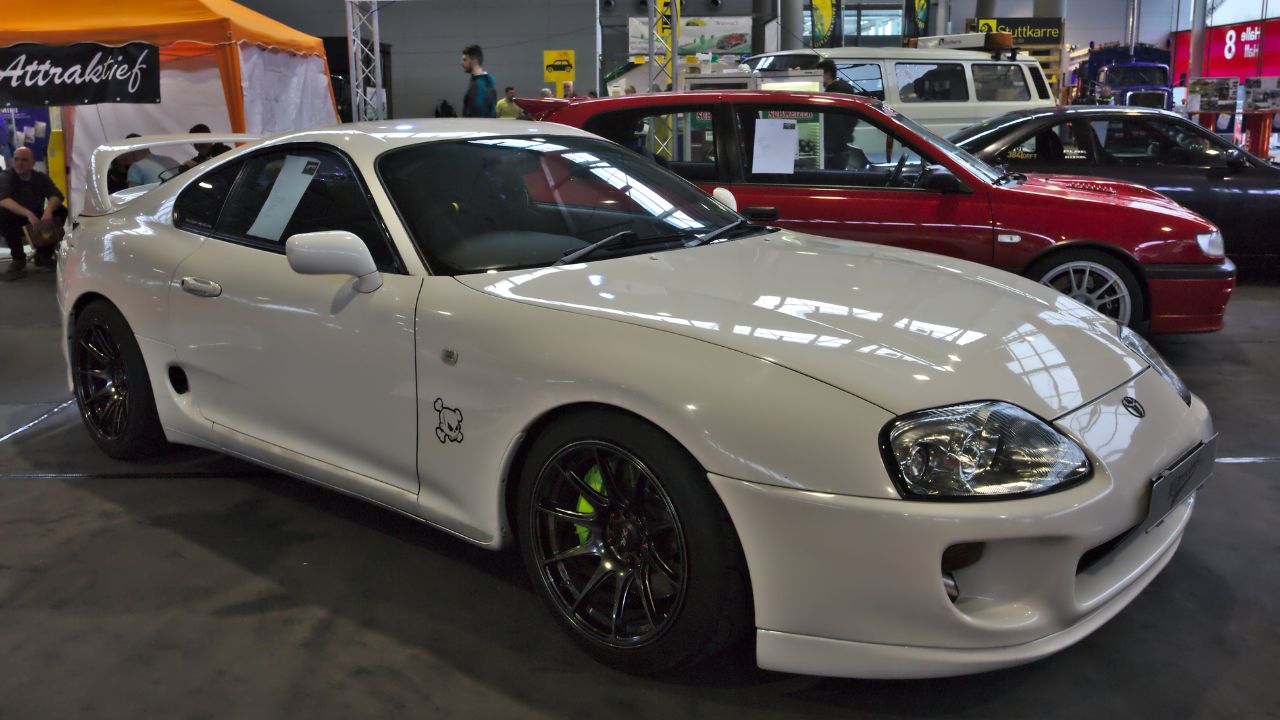
A normal Mk IV Supra and a Turbo car live in completely different price universes, which is exactly why the Mk IV Supra Turbo is the version that belongs here. Hagerty explained in 2022 that the Mk IV Supra Turbo had more than doubled in value since the model first made Hagerty’s Bull Market list in 2018. A late-2025 Hagerty valuation report placed a 1993 Supra Mk IV Turbo at $100,000 in good condition, and recent public sales still show real strength, including a $79,500 Bring a Trailer sale in February 2025 and multiple 1993 Turbo comps tracked by CLASSIC.COM in the $65,000 to $89,500 range.
The Supra story is larger than movie fame, even if pop culture helped. Buyers trust the 2JZ, love the tuning mythology, and increasingly pay a premium for cars that escaped the tuner era without losing their factory identity. That last part matters more now than ever. For a long time, the market celebrated what owners could turn a Supra into. Now the strongest money often comes from people who care just as much about what the car still is. A real turbo, the right transmission, strong paperwork, and a relatively untouched presentation can put the Mk IV into territory that would have sounded absurd not that long ago.
2003 Mitsubishi Lancer Evolution VIII GSR
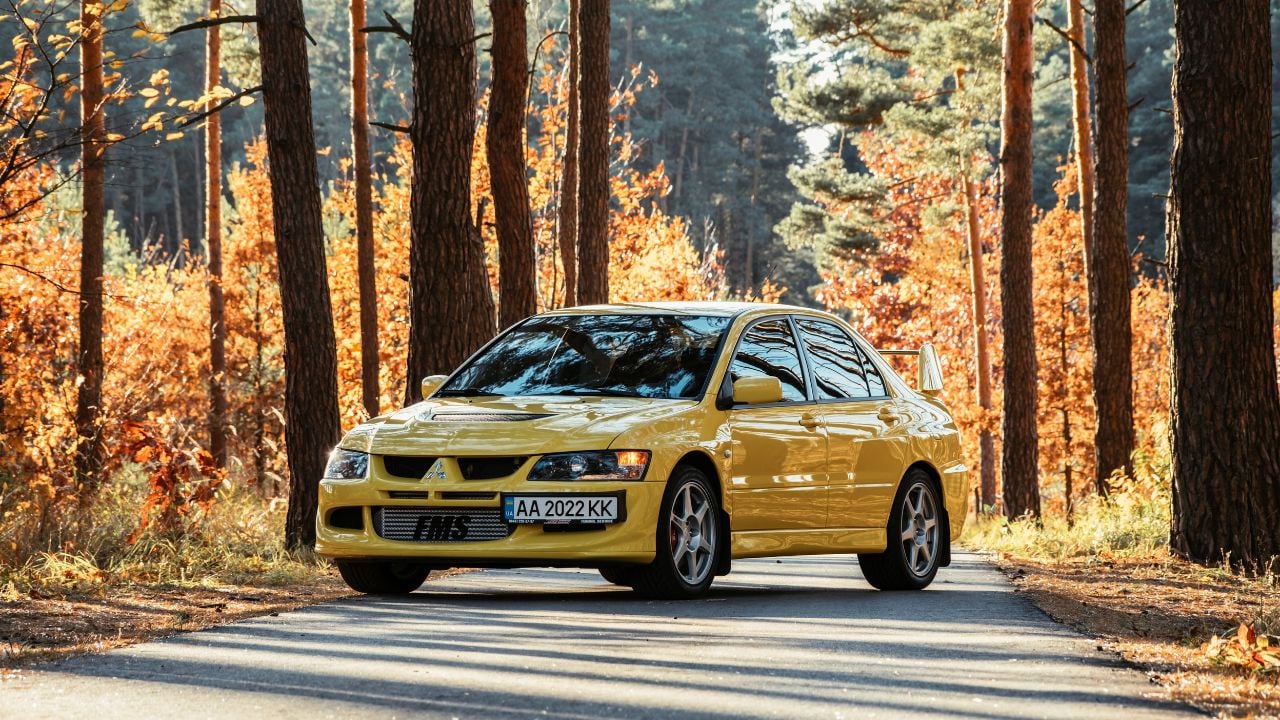
This is the most selective case in the group, but it still belongs because the market no longer treats the Evo VIII like a disposable old sport sedan. Hagerty’s current valuation guide places a 2003 Lancer Evolution VIII GSR at about $36,400 in good condition, up 11.3 percent from the current page, and CLASSIC. COM’s 2003 Evo VIII market page shows better-preserved examples already trading into the high $30,000s and low $40,000s.
The Evo VIII earns its place because it captures a moment collectors now value much more than they once did. It is compact, aggressive, rally-bred, turbocharged, and inseparable from one of the great Subaru-versus-Mitsubishi eras. For years, these were bought to be used hard, tuned hard, and driven in all weather. That history gave them authenticity, but it also chewed through the supply of stock or lightly altered cars. As that supply tightened, buyers started pricing the Evo VIII less like an old performance bargain and more like a genuine landmark from a golden Japanese all-wheel-drive era.
Why These Cars Keep Pulling Buyers Back In
What makes this market fascinating is that the money still follows emotion, but the emotion has matured. Buyers are asking better questions now. Which cars still feel alive at sane speeds, which ones still tell a clear engineering story, and which ones still matter even after the easiest hype has already passed through the room?
These five answer those questions in very different ways. One is humble and light, one is a homologation monster, one is a rotary sculpture, one is a turbo legend, and one is a rally sedan that now commands more respect than it used to. That is what makes them so compelling in 2026. The market is not just rewarding nostalgia. It is rewarding cars with a real point of view.