The V8 engine used to feel permanent. For decades, it sat near the top of luxury sedans, flagship SUVs, grand tourers, muscle cars, and performance icons as a symbol of power, status, and mechanical confidence.
That world is changing quickly. Automakers are moving toward twin-turbo V6s, hybrid systems, electric motors, and smaller engines that deliver stronger numbers with better efficiency.
The change is not always sad from a performance standpoint. Many of the new engines are quicker, smoother, stronger, or more efficient than the V8s they replaced. Still, something emotional leaves with the eight-cylinder engine: the sound, the low-rpm ease, the smooth surge of displacement, and the old expectation that a flagship model deserved a serious engine under the hood.
These five brands show how far the industry has moved. Each one once used the V8 as an important part of its identity, then stepped away from it as the future took a different shape.
Where the V8 Exit Became Impossible to Ignore
A brand belongs in this conversation only when the move away from V8 power is clear, meaningful, and visible in its modern lineup. The point is not to criticize smaller engines or electrification, because several replacements are objectively stronger than the V8s they followed.
The better question is what each brand gave up when it moved away from eight cylinders. Sound, engine character, low-rpm smoothness, towing ease, supercharged drama, and old flagship symbolism all mattered here.
The final choices needed a clear last V8 model, not just a vague memory of an engine that disappeared long ago. Recent relevance mattered too, especially for brands whose final V8s ended with redesigns, special editions, or major strategy changes.
These five examples come from luxury sedans, performance SUVs, and full-size luxury SUVs. That spread matters because the V8 did not disappear from one corner of the market. It faded from several different kinds of vehicles at once.
Jaguar
Last V8 Model: Jaguar F-Pace SVR 575 Edition
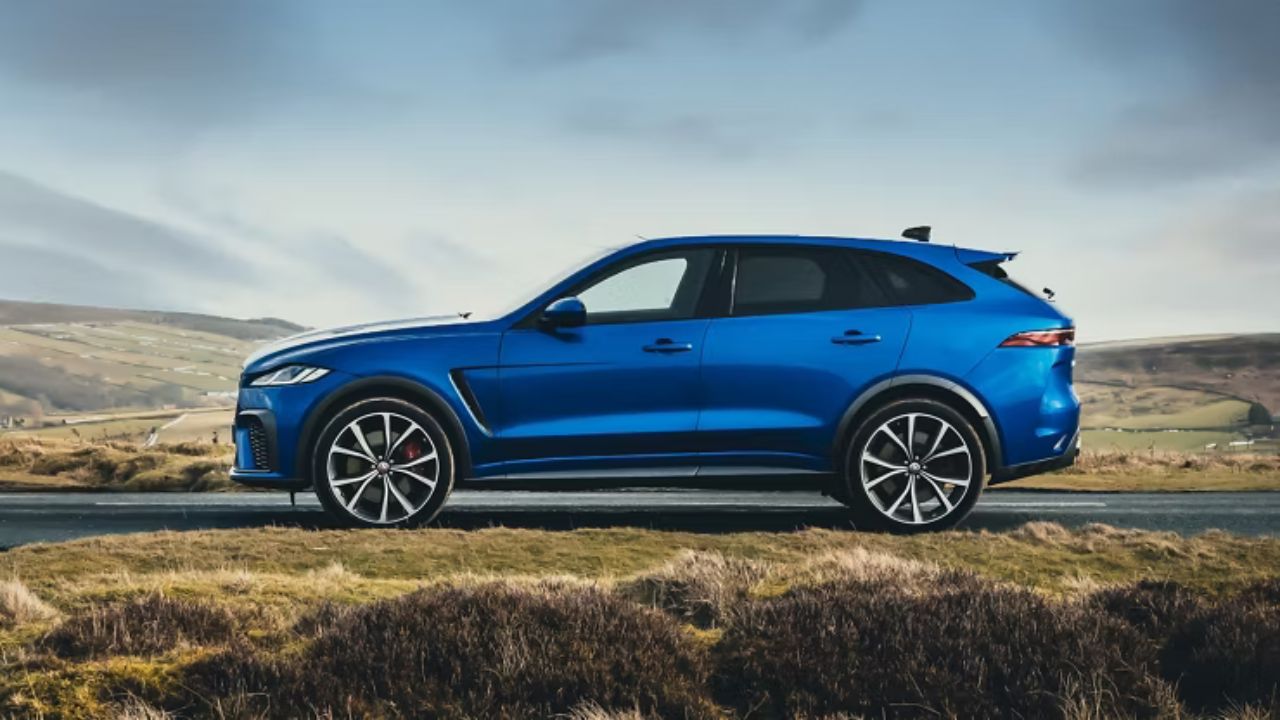
Jaguar’s V8 exit feels especially emotional because the brand built so much of its modern performance identity around supercharged eight-cylinder power. The F-Pace SVR 575 Edition became the clearest final statement, with Jaguar calling it “the final Jaguar V8.”
Its 5.0-liter supercharged engine was rated at 575 PS and 516 lb-ft of torque. Jaguar listed 0 to 100 km/h in 4.0 seconds and 0 to 60 mph in 3.8 seconds, giving the farewell model proper pace as well as proper noise.
The model mattered because it carried Jaguar drama into an SUV body without losing the brand’s theatrical sound. It had the snarl, the speed, and the Special Vehicle Operations attitude that made modern Jaguar performance cars feel alive.
As Jaguar shifts toward a new electric identity, the F-Pace SVR 575 Edition stands as the last loud reminder of the brand’s supercharged V8 era.
Maserati
Last V8 Models: Maserati Ghibli 334 Ultima and Levante V8 Ultima
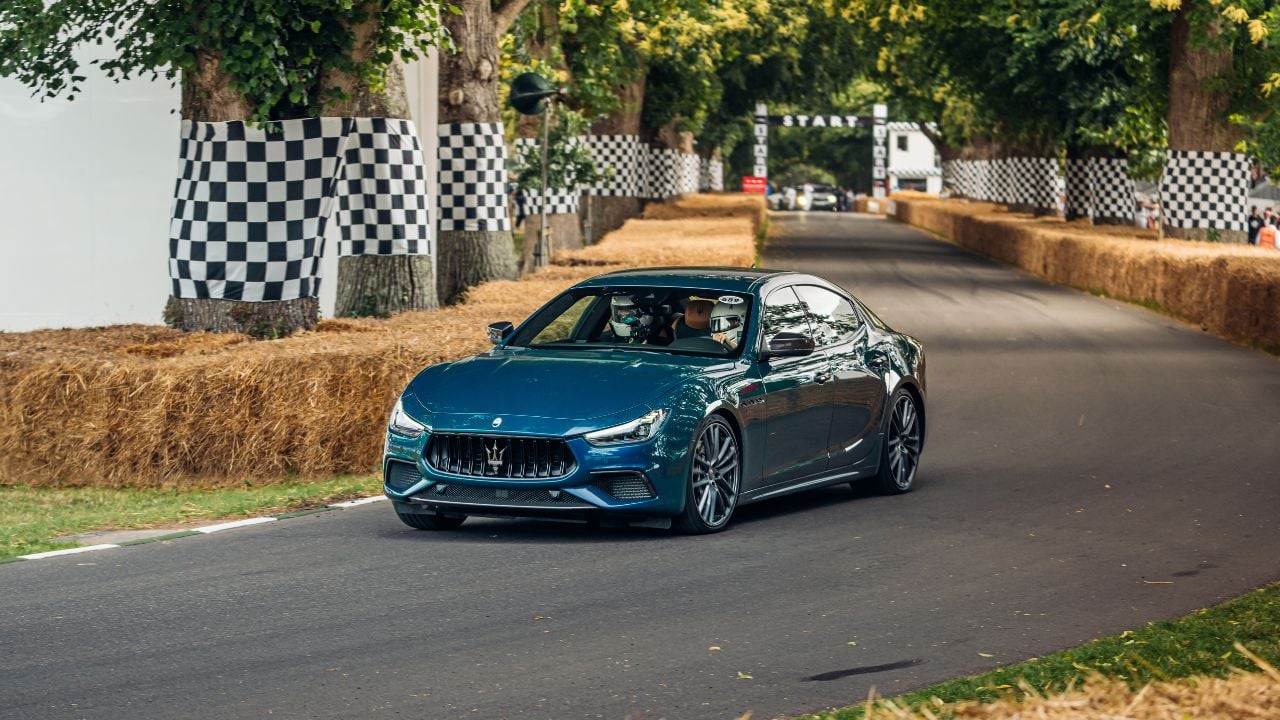
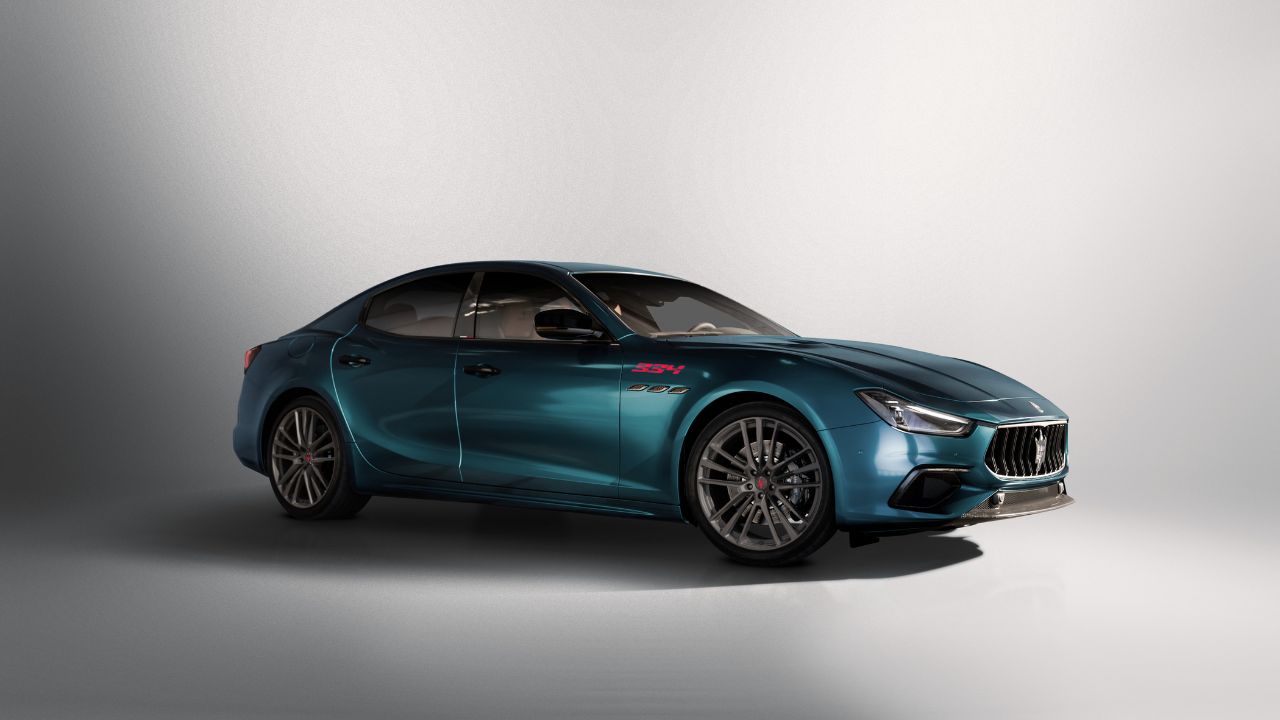
Maserati did not let its V8 disappear quietly. The brand created the Ghibli 334 Ultima and Levante V8 Ultima to mark the end of a 64-year chapter, presenting them as the final V8-powered Ghibli and Levante models.
Maserati also stated that its 572-hp, 90-degree twin-turbo V8 would be phased out from the end of 2023. The Ultima editions gave that engine a more formal goodbye, with 103 units built for each model.
The Ghibli 334 Ultima was the more symbolic of the two because it turned a luxury sedan into a final speed statement. Maserati linked its name to a 334 km/h top speed, equal to about 208 mph, which made the farewell feel suitably dramatic.
The brand’s future is moving through V6 power and electrification, but the Ultima cars gave the V8 a proper sendoff. They closed the chapter with speed, rarity, and the kind of Italian theater Maserati owners expect.
Infiniti
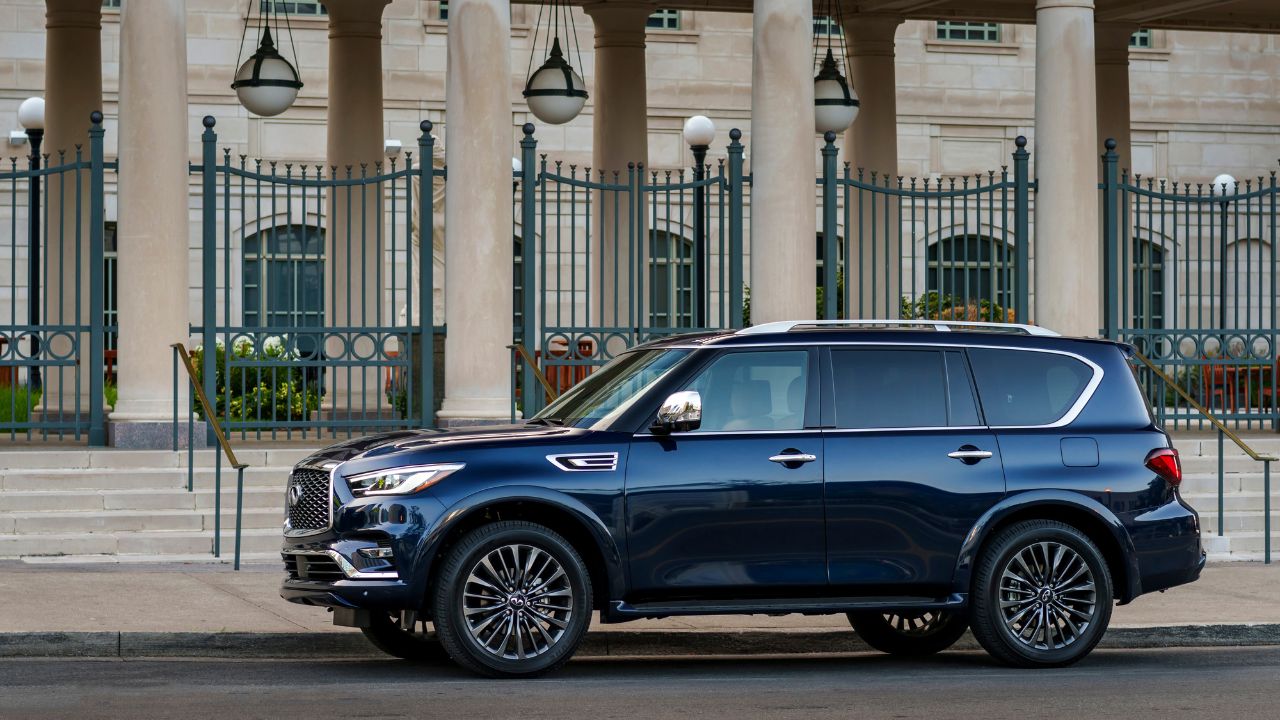
Last V8 Model: 2024 Infiniti QX80
Infiniti’s move away from the V8 happened with the redesigned QX80. The 2024 QX80 still used a direct-injection 5.6-liter V8 rated at 400 hp and 413 lb-ft of torque, paired with a 7-speed automatic transmission and available All-Mode 4WD.
For 2025, Infiniti replaced that engine with a 3.5-liter twin-turbocharged V6 producing 450 hp and 516 lb-ft of torque, paired with a 9-speed automatic transmission. The new engine is stronger on paper, but it also ended Infiniti’s V8 chapter.
The last V8 QX80 was not a delicate machine, and that was part of its character. It was big, traditional, body-on-frame, and built around the kind of displacement that once defined large luxury SUVs.
The new QX80 is more advanced and more powerful, but the 2024 model remains the final Infiniti with old-school V8 presence. It represents the last version of the brand’s flagship SUV built around naturally aspirated displacement rather than turbocharged torque.
Genesis
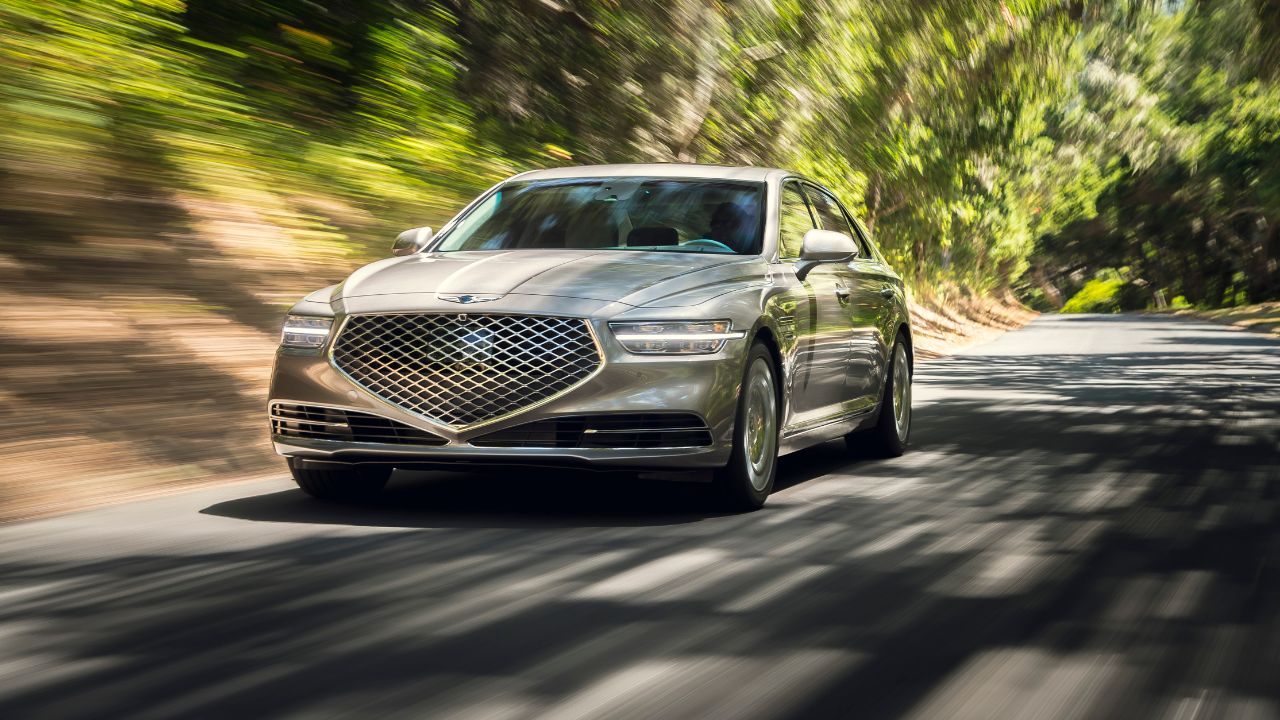
Last V8 Model: 2022 Genesis G90 5.0 Ultimate
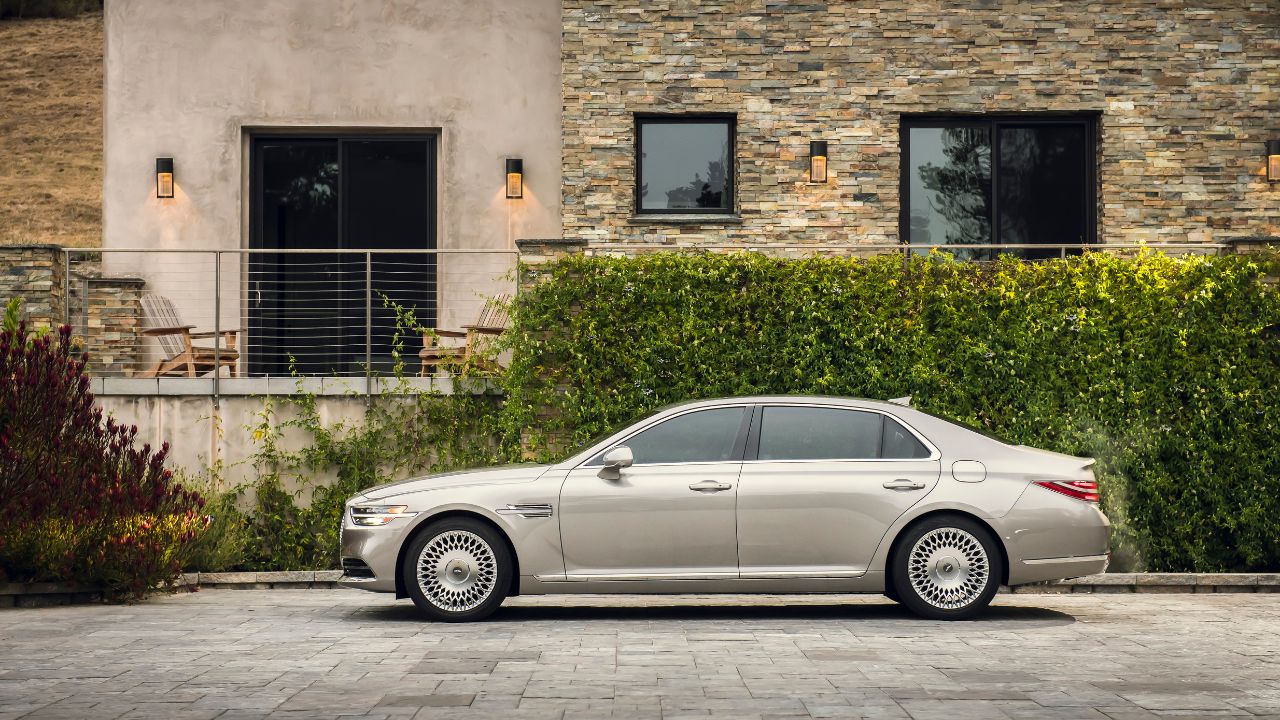
Genesis moved away from the V8 as it reshaped its flagship sedan identity. The 2022 G90 5.0 Ultimate used a 5.0-liter GDI V8 rated at 420 hp and 383 lb-ft of torque, giving the young luxury brand a traditional flagship engine while it was still building credibility.
The current G90 now centers on a 3.5-liter twin-turbo V6 family. Genesis also offers a 48V e-Supercharger version rated at 409 hp and 405 lb-ft, which gives the sedan a more technical kind of smooth power.
The last V8 G90 mattered because it spoke a familiar luxury language: big sedan, rear-drive-based layout, quiet cabin, smooth naturally aspirated power, and a serious engine under the hood.
The newer G90 is more modern and more advanced, but the 5.0-liter version remains the car that showed Genesis understood traditional flagship confidence before the segment moved further into turbocharging and electrification.
Lincoln
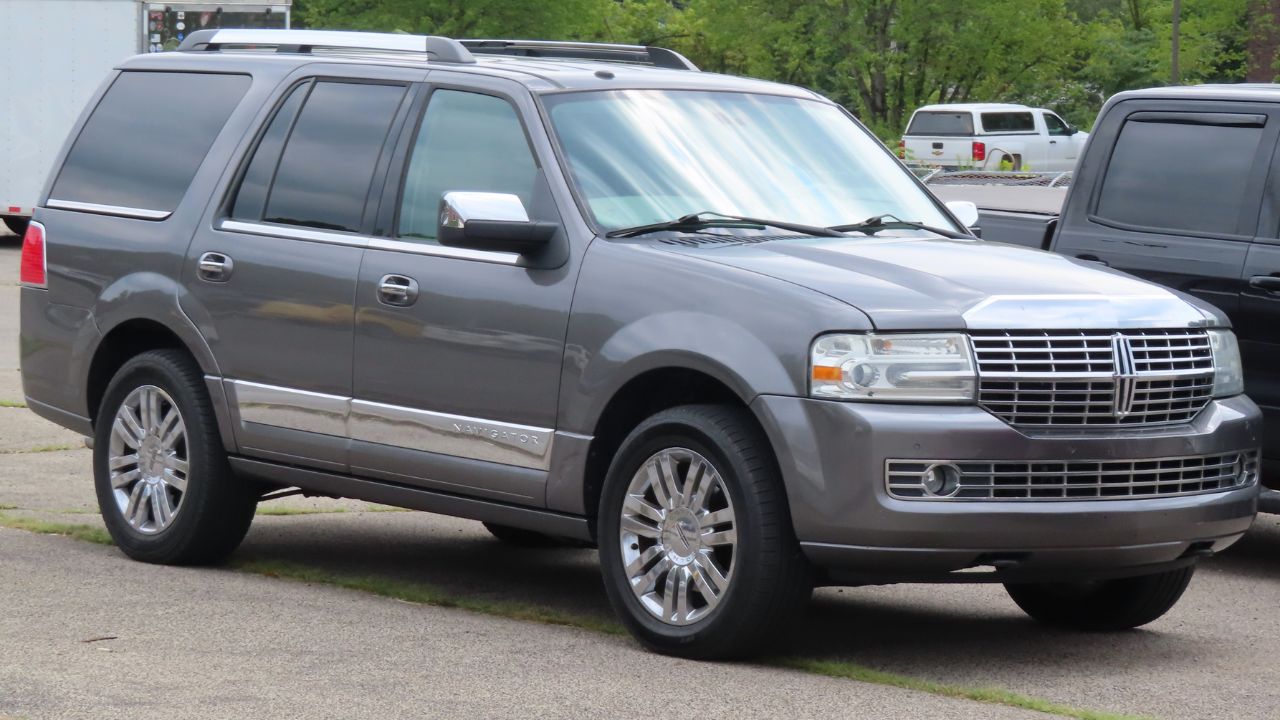
Last V8 Model: 2014 Lincoln Navigator
Lincoln’s V8 era effectively ended with the 2014 Navigator. That model used a 5.4-liter V8 rated at 310 hp and 365 lb-ft of torque, paired with a 6-speed automatic transmission.
The modern Navigator has moved fully into twin-turbo V6 territory. Lincoln lists the 2026 Navigator with a twin-turbocharged 3.5-liter V6 producing 432 hp and 510 lb-ft of torque, standard four-wheel drive, and far stronger output than the last V8 version.
The final V8 Navigator represented the old luxury SUV formula clearly. It was large, body-on-frame, comfortable, and powered by a naturally aspirated engine that valued smoothness and towing confidence over drama.
Lincoln’s EcoBoost era brought stronger torque and better real-world performance, but the 2014 Navigator was the last one with the traditional American luxury SUV heartbeat. For longtime Lincoln buyers, that change marked the end of a familiar kind of effortless cruising.
Why the V8 Goodbye Still Matters
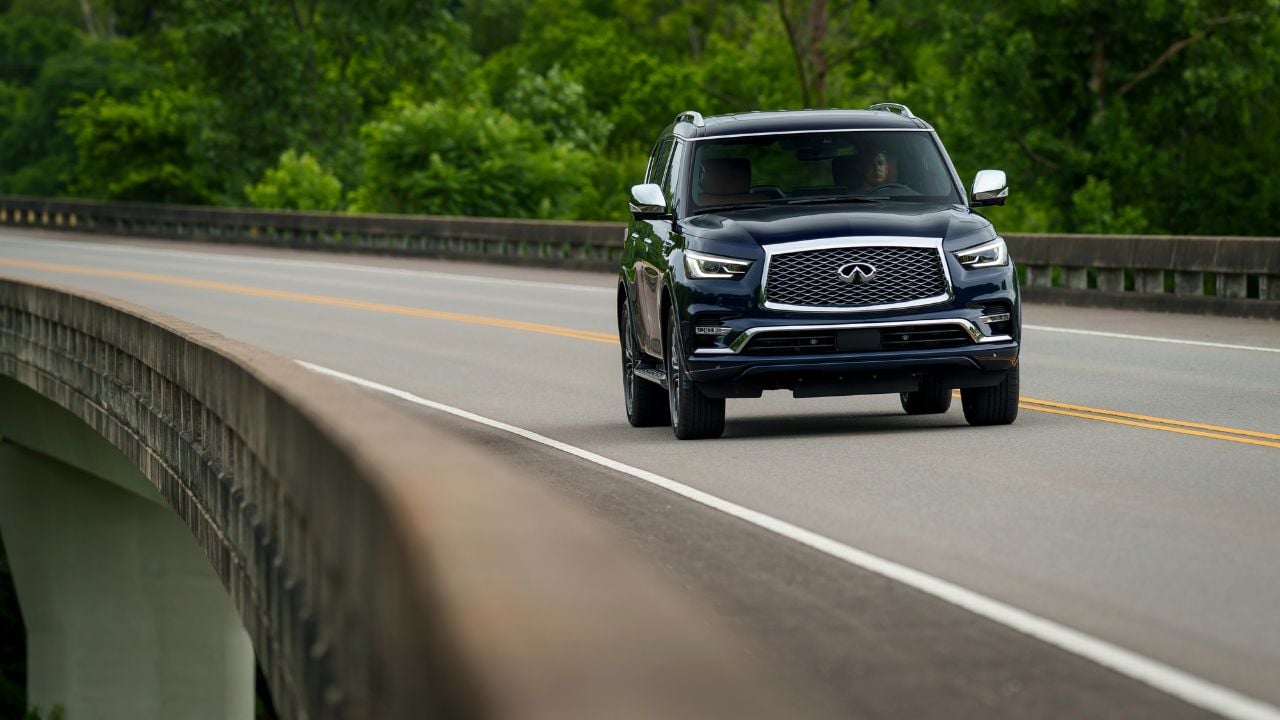
The V8 is no longer the only way to make a luxury car powerful. In many cases, it is no longer the quickest, cleanest, or most efficient answer.
That does not make its departure meaningless. Engines shape memory. They shape sound, throttle response, low-rpm character, and the way a vehicle feels before the numbers ever enter the conversation.
Jaguar lost the roar and supercharger drama of its 5.0-liter V8. Maserati closed one of the most emotional engine chapters in its road-car history. Infiniti traded naturally aspirated displacement for stronger turbocharged torque. Genesis moved from traditional flagship smoothness to a more technical luxury formula. Lincoln left behind the kind of V8 SUV character that once defined American premium travel.
Progress will continue, and many of these brands may build better vehicles without eight cylinders. The new engines are often stronger and smarter. They simply do not replace the V8’s sound and feel directly.
That is why these final models matter. They are not only old specifications on a chart. They are the closing notes from an era when power felt big, smooth, confident, and instantly recognizable before the badge ever needed explaining.