
Cruising looks deceptively simple from the outside. You book a cabin, show up at the port, and assume the hard part is over because the hotel is floating and the meals are already there. Then embarkation day arrives, your bag disappears for a few hours, the ship starts adding little extras to your onboard account, and you realize a cruise has its own logic that feels nothing like a regular land vacation.
That is why first-time cruise mistakes are so predictable. They are rarely dramatic. They are small misunderstandings that pile up: arriving at the wrong time, bringing the minimum documents instead of the smartest ones, assuming your cabin will be ready instantly, or forgetting that “all-inclusive” often comes with a few very creative exceptions.
1. Embarkation Day Is Tightly Timed, Not Casual
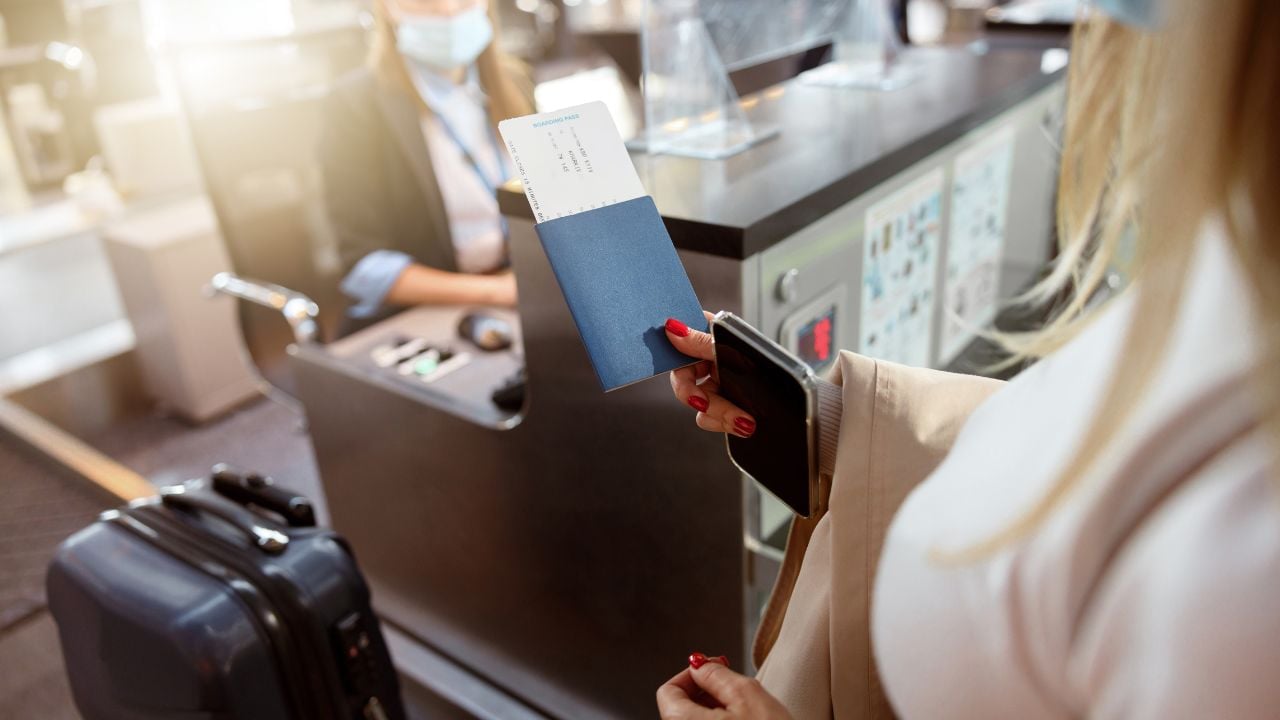
The biggest shock for many first-timers is that cruise boarding does not work like a hotel check-in, where you wander in whenever you feel polished enough. Major lines now lean heavily on online check-in and assigned arrival windows. Royal Caribbean says guests should arrive within the time selected during check-in, and Carnival also requires online check-in and an arrival appointment. Royal Caribbean further says guests must be fully checked in and onboard no later than 90 minutes before departure or they will not be permitted to sail.
That structure matters because the cutoff is not theoretical. For a first cruise, that is a nasty detail to discover after a leisurely brunch on embarkation morning. The smarter mindset is simple: treat boarding day like an airport process with a wristband, not like a relaxed resort arrival.
2. Even When a Passport Is Not Strictly Required, It Is Still the Smarter Move
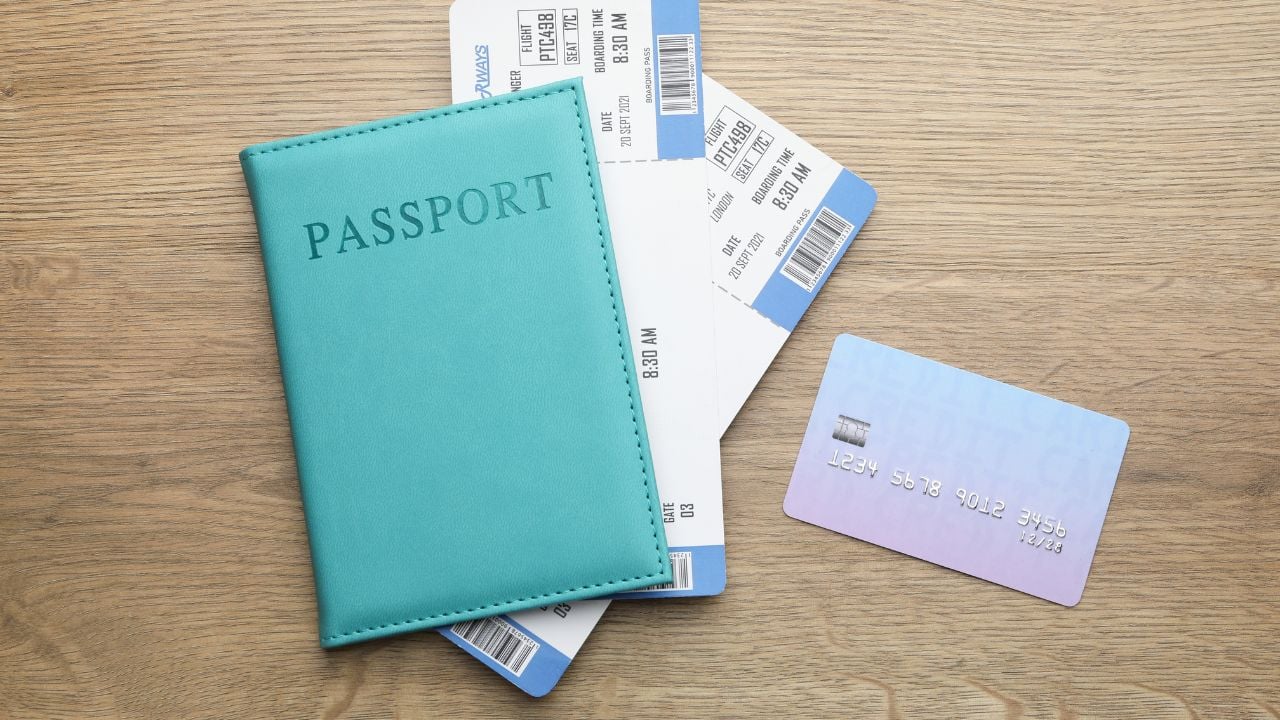
This is one of those cruise facts that confuses people because the legal minimum and the practical best choice are not always the same thing. U.S. Customs and Border Protection says U.S. citizens on many closed-loop cruises can often re-enter with proof of citizenship and government-issued ID rather than a passport. But the State Department also notes that if you cannot return on the ship for any reason, you will need a passport book to fly internationally back to the United States.
So if you have an emergency, miss the ship, or need to fly home unexpectedly from abroad, the document that felt unnecessary can become very necessary very quickly. That is why experienced cruisers often treat a passport as the sensible choice, even when another document may technically work.
3. Your Cabin May Not Be Ready Right Away, and Your Luggage May Take Hours

This is one of the least glamorous but most useful things to know. On your first cruise, it is easy to picture boarding, dropping your things in the room, changing clothes, and beginning the vacation properly. Real life is messier. Norwegian Cruise Line says standard staterooms are generally ready around 3:00 p.m. on embarkation day, and its departure-day guidance advises guests to carry a small bag with essentials because luggage delivery can take a few hours.
That means your carry-on matters more than new cruisers realize. Medications, travel documents, valuables, swimsuits, sunscreen, chargers, and anything else you may want before dinner should stay with you, not inside the bigger suitcase wandering the ship’s logistics system.
4. The Ship Is Basically Cashless, and the Little Charges Add Up Quietly

A first cruise can feel prepaid right up until the moment the onboard account starts behaving like a tiny thief in formalwear. Carnival says its Sail & Sign account is the ship’s cashless onboard program and that an initial bank hold is placed on linked payment cards on embarkation day, with additional holds possible during the voyage.
The second surprise is gratuities and service charges. Royal Caribbean says gratuities are automatically added to many beverage, specialty-dining, room-service, minibar, and certain spa purchases. In plain English, the cruise fare is not the whole spending story. If you board thinking every meal and drink is already covered, the final bill may correct that idea rather aggressively.
5. Good Dining Times and Popular Extras Are Often a Reservation Game

Many first-time cruisers assume the ship is so large that everything will somehow be available whenever they get around to it. That is optimistic. The princess says guests can customize dining times for both included dining rooms and specialty restaurants and advises using reservations to get the times and venues they actually want.
That lesson usually extends beyond dinner. A lot of cruise lines now push app-based planning before sailing because dining, packages, and certain experiences are easier to secure early than once the ship is full and everyone is frantically tapping their phones by the pool. The broad rule is easy: if something matters to you, do not assume the ship will hold it open out of kindness.
6. Motion Sickness Is Easier To Prevent Than To Fix Once You Feel Awful
This is the tip people love to dismiss until the first rough patch makes them reconsider their relationship with the horizon. The CDC says motion-sickness strategies include staying hydrated, limiting alcohol and caffeinated drinks, eating small amounts of food frequently, and looking at the horizon when symptoms begin. Those are very boring suggestions, which is exactly why people ignore them until they feel terrible.
Cruises also follow the same basic health logic as any other close-quarters trip, just with more buffet access and fewer easy exits. The U.S. State Department says the government does not pay medical costs for Americans abroad and notes that Medicare and Medicaid generally do not cover care outside the United States. That is why seasoned travelers pack basic medicine before departure and sort out insurance before the first emergency turns into the world’s least charming invoice.
The good news is that first-time cruise mistakes are incredibly easy to reduce once you know where they like to hide. Show up in your proper time window, bring the better documents, keep embarkation-day essentials with you, expect a cashless system full of add-ons, reserve the things you actually care about, and treat motion sickness like a preventable problem instead of a personality test. Do that, and your first cruise feels a lot less like a floating tutorial and a lot more like a vacation.