
Ford’s production problems are hitting the F-150 once again, and this time the disruption reportedly comes down to a single broken component deep inside the manufacturing process. According to Detroit Free Press, Ford temporarily halted production of the F-150 at its Dearborn Truck Plant after a hood die failed at a nearby stamping facility.
The shutdown reportedly began on May 21 and stretched across several days while crews worked to repair the damaged tooling. The issue may sound minor at first glance, but the effect on production is anything but small. The Dearborn plant is one of Ford’s most important manufacturing facilities, producing large volumes of the company’s best-selling and most profitable vehicle.
Sources familiar with the situation told the Detroit Free Press that the plant typically operates two 10-hour shifts per day and builds roughly 1,000 trucks daily. With production paused for several days, Ford could lose approximately 2,500 F-150s at a time when inventory levels are already under pressure.
That timing makes the situation particularly difficult for Ford. Executives recently acknowledged that the automaker is already running tens of thousands of units behind where inventory stood at the same point last year. Dealers across the United States have been struggling with limited F-150 availability, and another disruption only adds to concerns that demand could outpace supply during the busy truck-selling season.
A Small Failure With Massive Consequences
The broken component at the center of the shutdown is known as a “hood die.” These massive industrial molds are used to stamp and shape sheets of aluminum into the outer body panels that eventually become an F-150 hood.
Modern automotive manufacturing relies heavily on precision tooling, and when one critical piece fails, the entire production chain can grind to a halt. Ford could, in theory, continue assembling trucks without hoods and install them later, but that would create enormous logistical complications involving storage, paint matching, and assembly sequencing.
Instead, the automaker chose to temporarily stop production while repairs were made. Ford itself declined to publicly comment on the day-to-day operations at the facility, but sources familiar with the matter indicated the downtime could continue until the damaged tooling was fully repaired.
Ford Is Still Recovering From Earlier Supply Problems
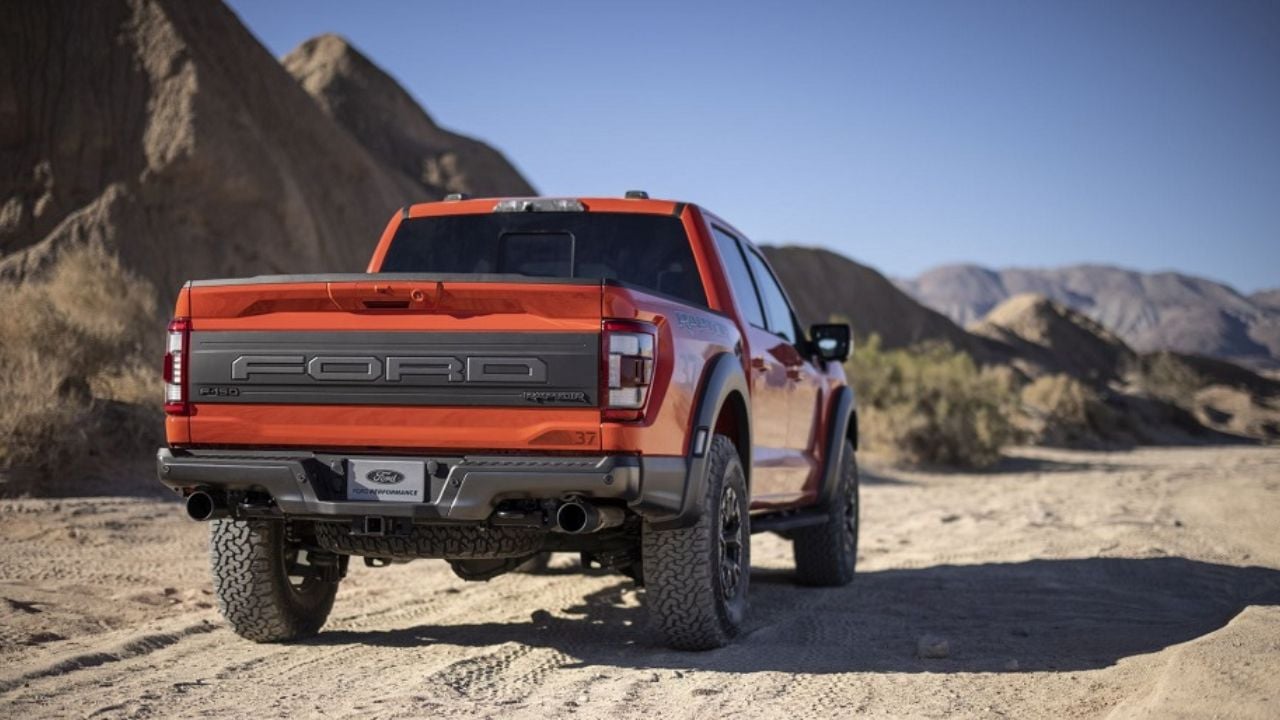
The Dearborn shutdown arrives after months of production headaches tied to aluminum supply shortages. Last year, fires at Novelis facilities in New York disrupted the supply of aluminum used in Ford trucks and SUVs, forcing the company to slow or pause some production activity.
Ford has spent much of 2026 attempting to recover from those setbacks. The company previously announced plans to increase F-Series production by more than 50,000 units this year through a series of manufacturing changes.
Those efforts included adding workers at Kentucky Truck Plant, increasing production speed at several facilities, launching additional shifts at Dearborn, and canceling traditional summer shutdowns at some truck assembly plants. Ford also plans to begin Super Duty production at Oakville Assembly Complex in Canada later this year as part of its broader effort to increase output.
Despite those aggressive measures, the latest disruption threatens to slow progress once again. Even short pauses can create ripple effects throughout the supply chain when production schedules are already operating near maximum capacity.
Rivals Could Benefit From Ford’s Problems
Limited F-150 inventory also creates an opportunity for Ford’s competitors. General Motors has reportedly increased pickup production in response to strong demand, while Ram continues to operate without manufacturing disruption.
If dealer lots continue to run thin on F-150 inventory, some buyers may lean toward alternatives like the Chevrolet Silverado or Ram 1500 simply because those trucks are easier to find. In the highly competitive full-size pickup market, even temporary shortages can influence customer loyalty and market share.
The timing is also unfortunate because Ford continues expanding the F-150’s global reach. The company has recently increased efforts to push the truck into additional international markets, including parts of Europe where large American pickups remain relatively uncommon.
The F-150 Remains Critical To Ford’s Future
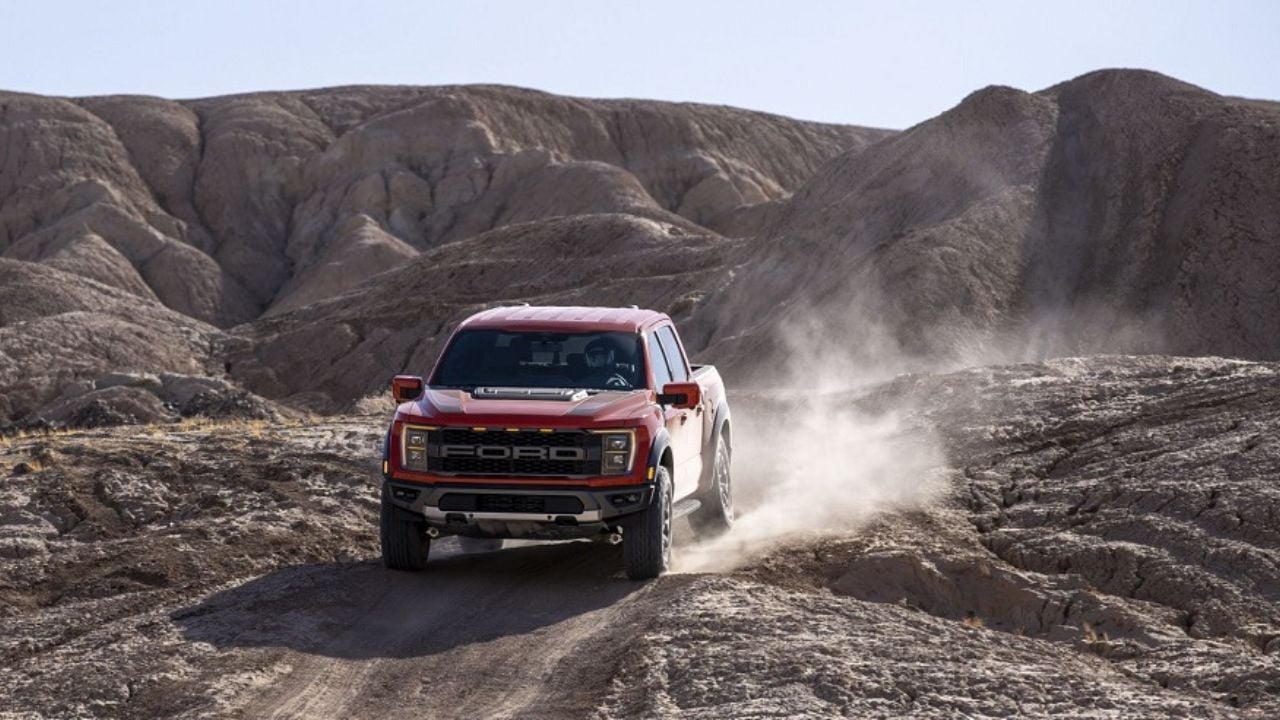
Few vehicles are as important to a company’s financial health as the F-150 is to Ford. The F-Series lineup has remained America’s best-selling truck for decades, generating enormous profits and serving as the backbone of Ford’s business.
That reality explains why Ford has been aggressively scheduling overtime shifts and so-called “super Saturdays” to recover lost production whenever disruptions occur. Sources familiar with the Dearborn operation reportedly expressed confidence that Ford would eventually make up the missing volume, even if it requires additional weekend production.
Still, repeated interruptions are beginning to paint a difficult picture for the automaker. Between supplier shortages, factory disruptions, and a growing number of recalls, Ford has faced a steady stream of manufacturing challenges over the last year. For now, the company’s priority is to get the Dearborn lines running again and keep the F-150 flowing to dealers.