Ferrari may have stopped building manual-transmission cars more than a decade ago, but a newly discovered patent suggests Maranello is once again thinking about driver engagement. The difference this time is that the clutch pedal might not actually control a mechanical clutch at all.
A recent patent filing uncovered by CarBuzz outlines an electronic clutch system designed to recreate the feel of a traditional manual transmission. The concept combines sensors, springs, pistons, and specially designed cam profiles to mimic the resistance and progression drivers expect from an old-school clutch pedal.
It sounds unusual at first, especially coming from a company that abandoned manuals in pursuit of outright performance. Ferrari’s final gated manual disappeared in 2012 with the California, as dual-clutch gearboxes proved faster and more efficient than even the best human drivers.
Now, however, Ferrari appears to recognize that speed alone is no longer enough to excite enthusiasts. As modern supercars and EVs continue pushing horsepower into absurd territory, emotion and driver involvement are becoming increasingly valuable again.
Ferrari Wants Analog Feel Without Analog Hardware
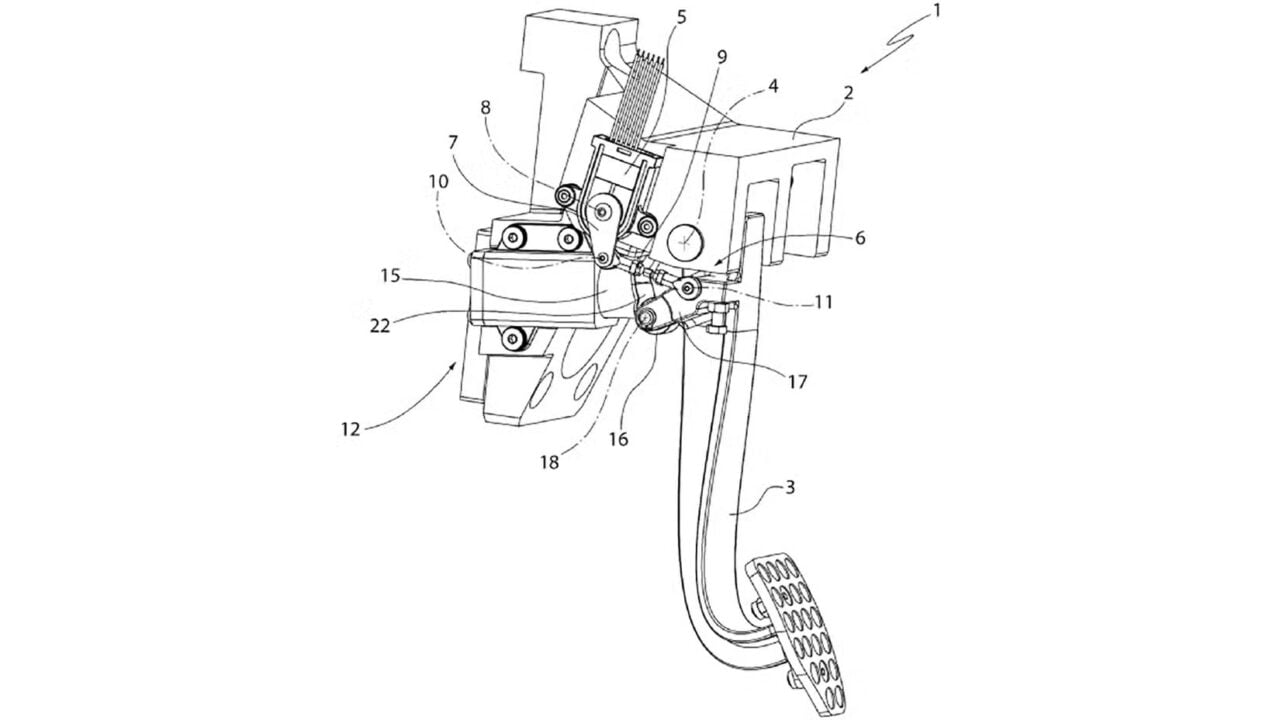
The core idea behind Ferrari’s patent is surprisingly simple. Instead of physically connecting the clutch pedal to the transmission through hydraulic lines or cables, the pedal would rely on electronic sensors to communicate with the drivetrain.
That setup eliminates the traditional mechanical connection drivers normally feel through their left foot. Ferrari’s solution is to artificially recreate those sensations using a carefully engineered combination of springs and cam mechanisms.
According to the patent, the pedal effort would progressively increase as the driver presses deeper into the travel. Ferrari says this should simulate the natural buildup of hydraulic pressure found in a conventional clutch system rather than feeling like a simple spring-loaded simulator.
The design could also allow Ferrari to customize clutch feel for individual drivers. Different cam profiles or adjustable settings could alter pedal resistance, engagement points, and feedback characteristics with software or mechanical adjustments.
EVs Could Be The Biggest Beneficiaries
The most obvious application for this technology is electric vehicles. Ferrari’s upcoming EV lineup, including the long-rumored electric supercar expected later this decade, could potentially use simulated gear changes and clutch engagement to add emotion to otherwise silent powertrains.
Other automakers are already experimenting with similar ideas. Hyundai’s Ioniq 5 N introduced simulated gearshifts and engine sounds to make EV driving feel more interactive, while Koenigsegg’s CC850 combines advanced transmission technology with manual-style operation.
Ferrari’s patent could push that concept further by adding physical involvement through a third pedal. Even if the clutch is electronically controlled, the tactile interaction may help restore some of the emotional connection enthusiasts fear is disappearing in modern performance cars.
Interestingly, Ferrari’s patent does not specifically mention EVs. The system could also work alongside a dual-clutch transmission in a combustion-powered Ferrari, allowing drivers to experience something resembling a manual gearbox while retaining modern performance advantages.
Purists Probably Won’t Be Happy
Not surprisingly, the idea of a “fake” clutch pedal is likely to divide enthusiasts. For many purists, the entire point of a manual transmission is the direct mechanical connection between the driver and the car.
A digitally simulated clutch risks feeling artificial, regardless of how convincing Ferrari’s engineering may be. Some drivers will inevitably see the idea as little more than a glorified video game controller inside a supercar.
At the same time, modern performance cars have already embraced drive-by-wire systems for steering, throttles, and braking. The mechanical purity argument largely disappeared years ago, even if enthusiasts continue romanticizing the analog era.
Ferrari also understands its buyers better than almost anyone. The company knows many customers crave exclusivity and emotional experiences as much as outright lap times, especially as hypercar performance numbers become increasingly similar across the industry.
Ferrari May Be Chasing Emotion Again
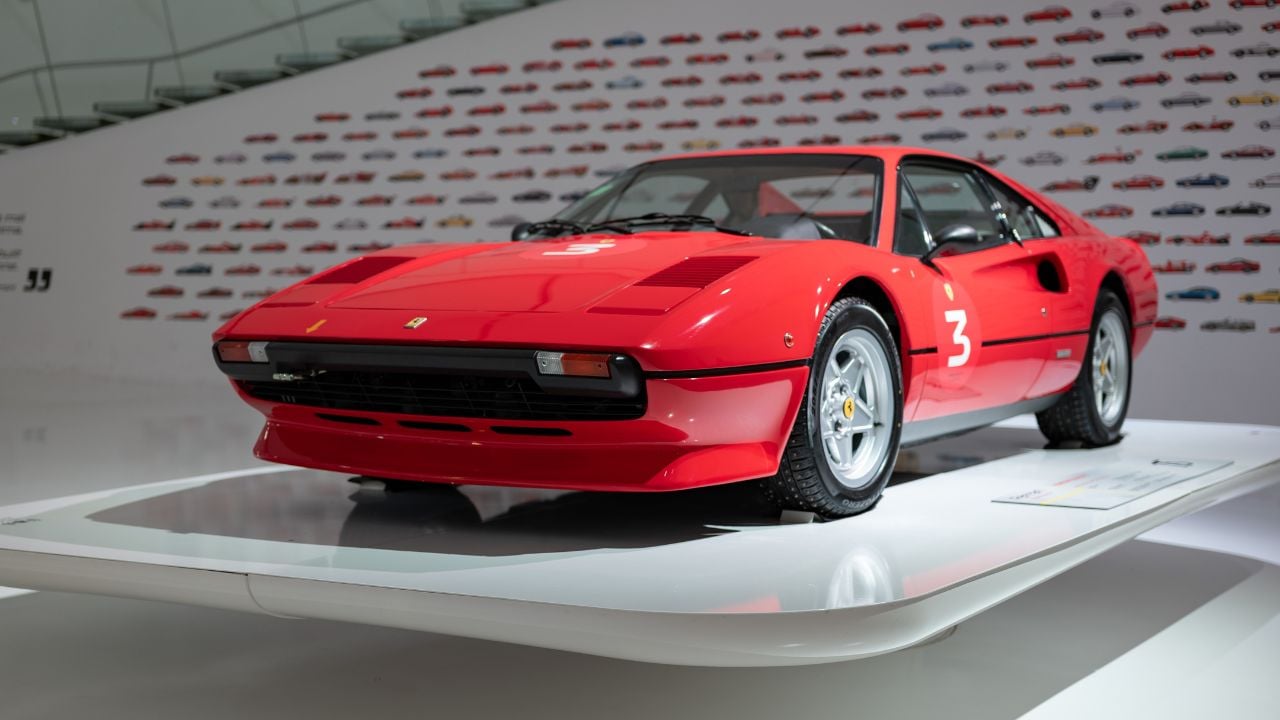
What makes this patent especially interesting is what it says about the future of performance cars. Ferrari spent years pursuing maximum speed and efficiency, helping push dual-clutch transmissions into dominance across the supercar world.
Now the company appears to be acknowledging that engagement matters again. The driving experience itself may become the next battleground as electrification removes many of the sounds, vibrations, and interactions enthusiasts traditionally loved.
Whether Ferrari actually puts this system into production remains unknown. Patent filings often exist simply to protect ideas that never reach the road.
Still, the fact that Ferrari is even exploring ways to recreate manual-driving sensations suggests the company sees value in preserving old-school emotion inside increasingly digital supercars. Even if the future Ferrari clutch pedal turns out to be electronic theater, many enthusiasts may still happily play along.