
We’re living in a golden age of speed. Just a few decades ago, hitting 60 mph in under four seconds meant you were behind the wheel of something rare and exotic. Today, family sedans and SUVs are joining the two-second club. Electric motors, hybrid wizardry, and good old-fashioned engineering have pushed acceleration to the edge of believability.
You don’t need to be a car expert to appreciate the thrill of speed. And these cars? They don’t just go fast — they launch. We’re talking zero to sixty in less time than it takes to tie your shoes.
Ready? Let’s launch.
The Rules Behind the Rankings

We wanted to find the quickest-accelerating production cars in history, but with a catch: no manufacturer guesses, no idealized numbers, and no track-only unicorns. Every car on this list was independently tested by trusted outlets like Car and Driver, MotorTrend, or Road & Track.
All the vehicles listed here are road-legal in their intended markets, use standard road tires, and were delivered to actual customers. Even limited-run hypercars count as long as they were built for sale to consumers.
To keep the list diverse, we limited it to one version of each model. So while other trims like the Tesla Model S P100D or Bugatti Chiron Pur Sport could’ve made the cut, we went with the fastest version of each nameplate.
But just because you can buy these cars doesn’t mean they’re sitting on your local dealer lot, or in the average driver’s price range. Some are limited to just a few hundred units, and others carry price tags well into the millions. But every one of them was built for public roads and delivered to real buyers.
Rimac Nevera – 1.74 Seconds | Power: 1,888 hp (Electric)

The Rimac Nevera isn’t just the fastest-accelerating production car — it’s a glimpse at what’s next. Built in Croatia by a small but fiercely innovative team, this all-electric hypercar uses four individual motors — one for each wheel — to precisely control power delivery and maximize grip. That allows it to rocket from 0 to 60 mph in just 1.74 seconds during independent testing, quicker than most race cars.
With a staggering 1,888 horsepower and 1,741 lb-ft of torque, the Nevera doesn’t just break records — it breaks expectations. It’s already notched more than 20 official performance records, including the quarter-mile, half-mile, and 0–100–0 mph. Yet it’s road legal, fitted with luxury touches, and limited to just 150 units worldwide, making it one of the rarest and most remarkable feats of modern engineering.
Lucid Air Sapphire – 1.77 Seconds | Power: 1,234 hp (Electric)
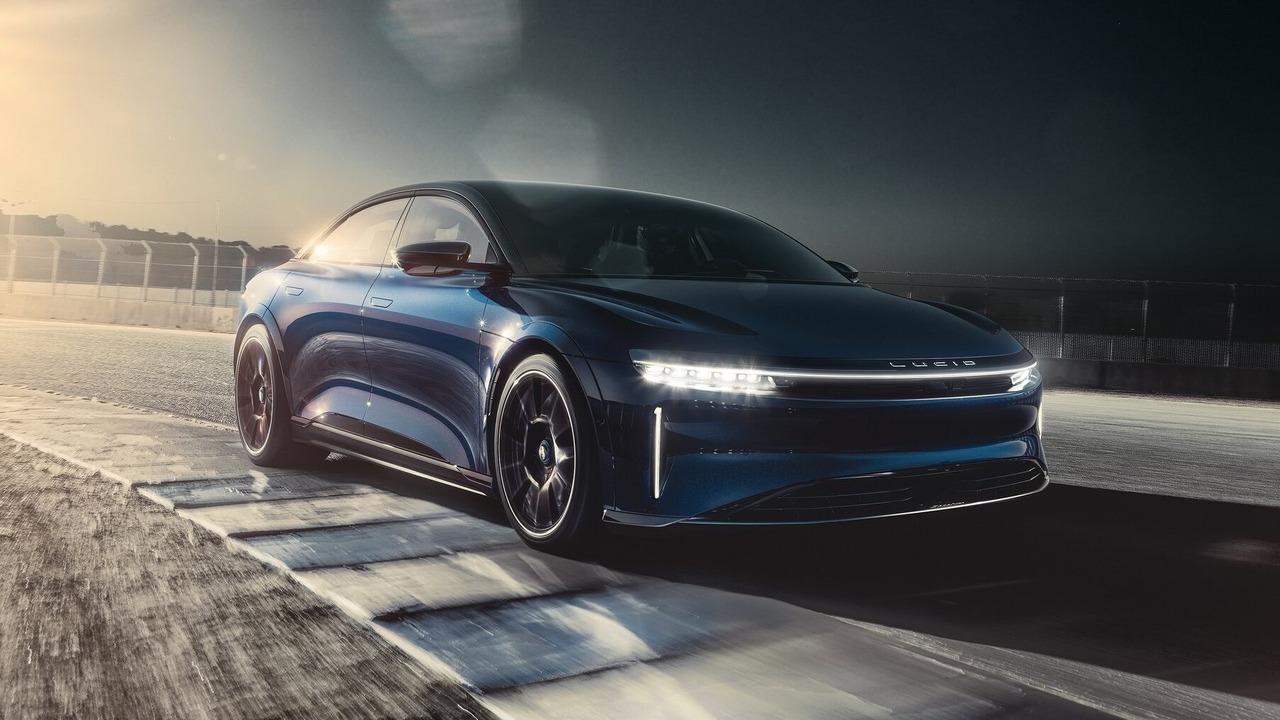
The Lucid Air Sapphire might look like a sleek executive sedan, but step on the accelerator and it’ll pin you to your seat like a roller coaster. With 1,234 horsepower and 1,430 lb-ft of torque from three electric motors, it launches from 0 to 60 mph in just 1.77 seconds, quicker than nearly every supercar ever made.
What’s even more impressive is that it doesn’t sacrifice comfort or practicality to get there. You still get a spacious interior, cutting-edge tech, and an EPA-estimated 427 miles of range. The Sapphire proves that electric cars can be luxurious, efficient, and brutally fast—all at the same time.
Tesla Model S Plaid – 1.98 Seconds | Power: 1,020 hp (Electric)
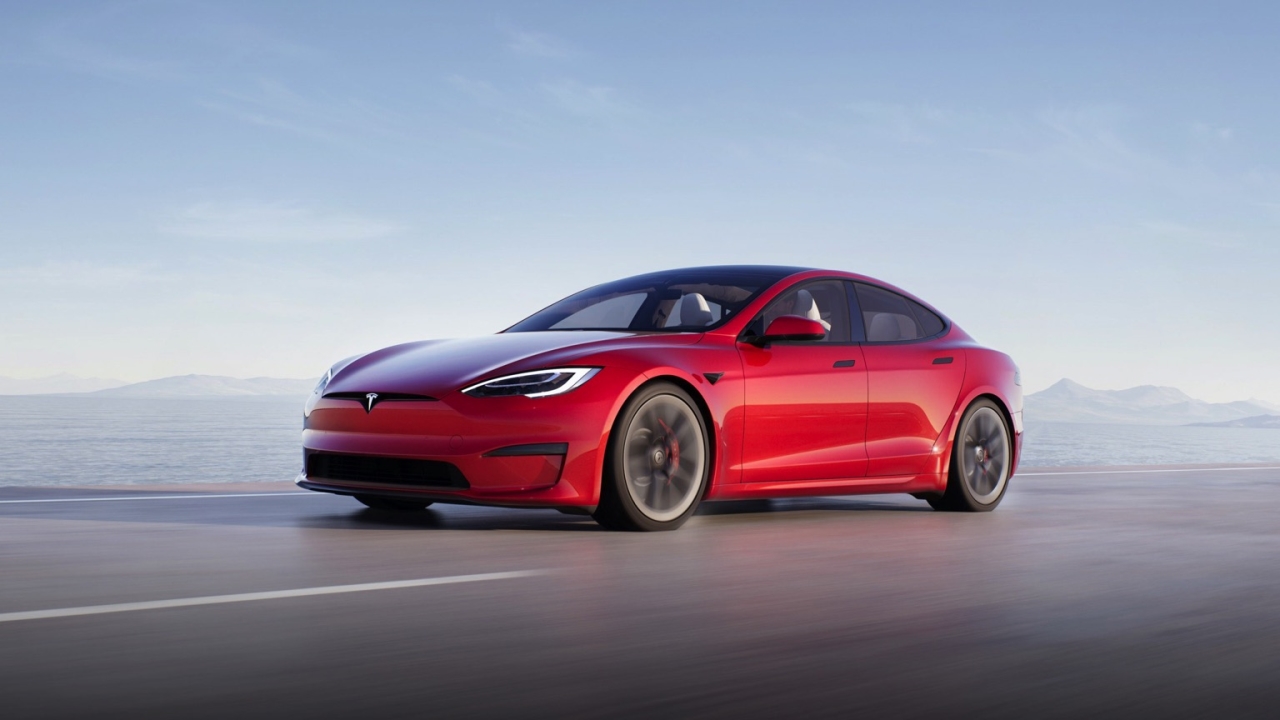
The Tesla Model S Plaid blurs the line between family car and full-blown supercar. With three electric motors producing a combined 1,020 horsepower, it rockets to 60 mph in just 1.98 seconds. That kind of acceleration used to be the stuff of race tracks and million-dollar hypercars — but now it’s available in a sedan with a spacious trunk and room for five.
Named after the ludicrous speed tier in Spaceballs, the Plaid isn’t just a gimmick. It’s a showcase of how far EV performance has come, delivering mind-bending speed without giving up everyday usability. Whether you’re commuting or crushing lap times, the Plaid shows up ready.
Ferrari SF90 Stradale – 2.0 Seconds | Power: 986 hp (Plug-in Hybrid)

The Ferrari SF90 Stradale proves that going hybrid doesn’t mean giving up the drama. With a twin-turbo V8 and three electric motors working in perfect sync, it puts down 986 horsepower and hits 60 mph in a blistering 2 seconds flat. That’s quicker than most people can say “zero to sixty.”
But this isn’t just a numbers car; it’s still a Ferrari at heart. That means sharp handling, stunning design, and a soundtrack that reminds you why combustion engines are still worth celebrating. The SF90 may be part-electric, but it’s all passion.
Porsche 911 Turbo S (992) – 2.1 Seconds | Power: 641 hp (Gasoline)

The 992-generation Porsche 911 Turbo S is a masterclass in usable speed. With 641 horsepower from a twin-turbo flat-six and all-wheel drive, it rockets to 60 mph in just 2.1 seconds without sacrificing comfort or daily drivability. It’s the kind of car that feels just as happy tearing down a back road as it does cruising to the grocery store.
What makes it remarkable isn’t just the speed, but how effortlessly it delivers it. The Turbo S doesn’t shout—it just gets to work, blending precision, power, and refinement in a way few cars ever have. It’s the everyday supercar perfected.
Lamborghini Huracán Performante – 2.2 Seconds | Power: 631 hp (Gasoline)
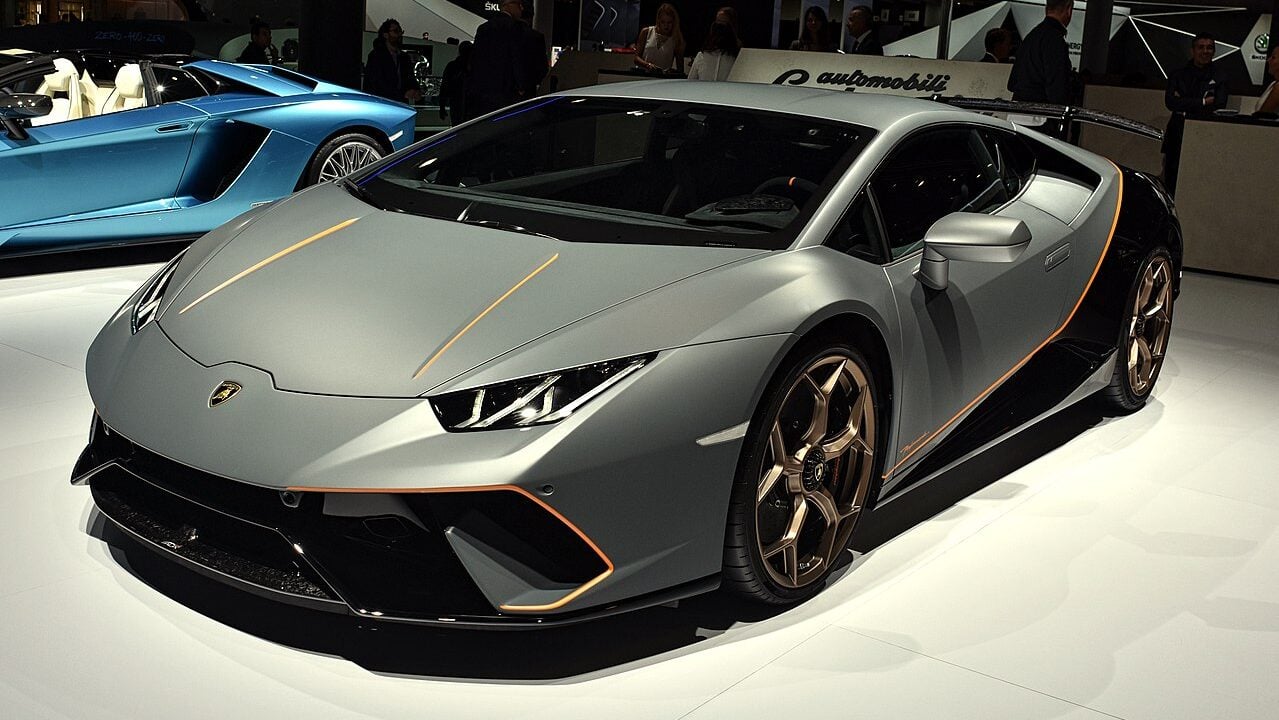
The Huracán Performante takes everything wild about a Lamborghini and sharpens it for the track. Thanks to forged carbon components, active aerodynamics, and a screaming naturally aspirated V10, this version of the Huracán isn’t just about flash—it’s about precision and speed. Independent tests clock it at 2.2 seconds to 60 mph, putting it in elite company.
What makes the Performante special is how connected it feels. It’s not just fast — it’s alive. Every input, every shift, every corner feels dialed in. It may look like a showpiece, but underneath, it’s a serious performance tool designed to thrill.
Bugatti Chiron Super Sport – 2.2 Seconds | Power: 1,580 hp (Gasoline)

The Bugatti Chiron Super Sport delivers staggering performance with the poise of a luxury cruiser. Its quad-turbocharged W16 produces 1,580 horsepower, helping it reach 60 mph in just 2.2 seconds. From there, it climbs to a top speed of 273 mph, making it one of the fastest road cars ever built.
What makes the Chiron so remarkable is how easily it handles all that power. Acceleration feels smooth and controlled, like it’s barely trying. For a car that costs over $3 million, it offers an experience few drivers will ever forget.
Porsche 918 Spyder – 2.2 Seconds | Power: 875 hp (Plug-in Hybrid)

The Porsche 918 Spyder may be ten years old, but it still feels like a glimpse of the future. Its mid-mounted V8 sings to redline while twin electric motors fill in the gaps, delivering a seamless punch of 875 horsepower. The result? A 0-to-60 time of just 2.2 seconds — still good enough to outpace most modern supercars.
What makes the 918 truly special, though, is how it combines brute speed with Porsche’s signature balance and control. It’s not just about going fast in a straight line—it’s about feeling connected to the road at every turn. That’s what makes it timeless.
Tesla Model X Plaid – 2.3 Seconds | Power: 1,020 hp (Electric)
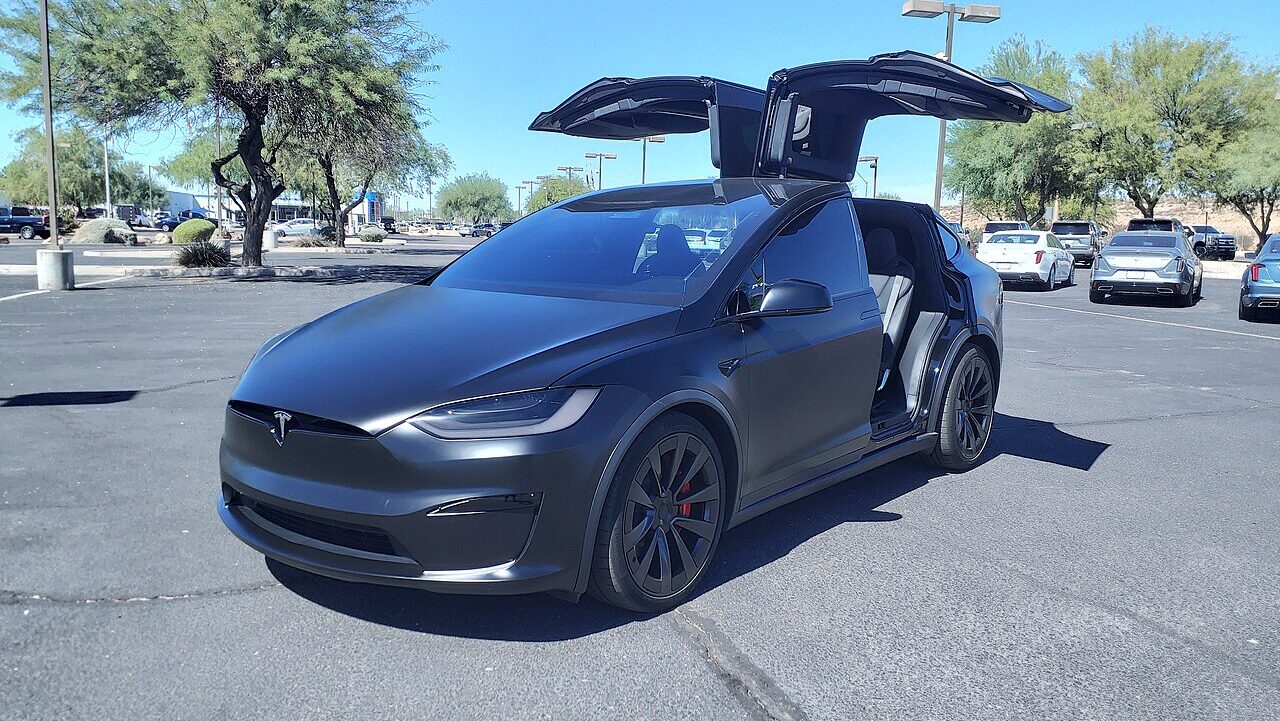
The Model X Plaid looks like a family hauler, but it accelerates like a supercar. With three electric motors delivering instant torque, it rockets to 60 mph in just 2.3 seconds, all while carrying up to seven passengers and their gear.
It may have flashy Falcon Wing doors and a sleek cabin, but the real headline is its performance. The Model X Plaid proves that you don’t need a low-slung sports car to go really, really fast.
Ferrari 296 GTB – 2.3 Seconds | Power: 819 hp (Plug-in Hybrid)

The 296 GTB brings Ferrari’s legendary performance into a new era. Its twin-turbo V6, paired with electric assistance, delivers thrilling acceleration and razor-sharp handling, all with a soundtrack that still stirs the soul.
It’s compact, responsive, and engineered for excitement. With a 0 to 60 time of just 2.3 seconds, the 296 GTB shows that Ferrari’s move to hybrid V6 power hasn’t dulled its edge — it’s just refined it.
Bugatti Veyron – 2.4 Seconds | Power: 987 hp (Gasoline)
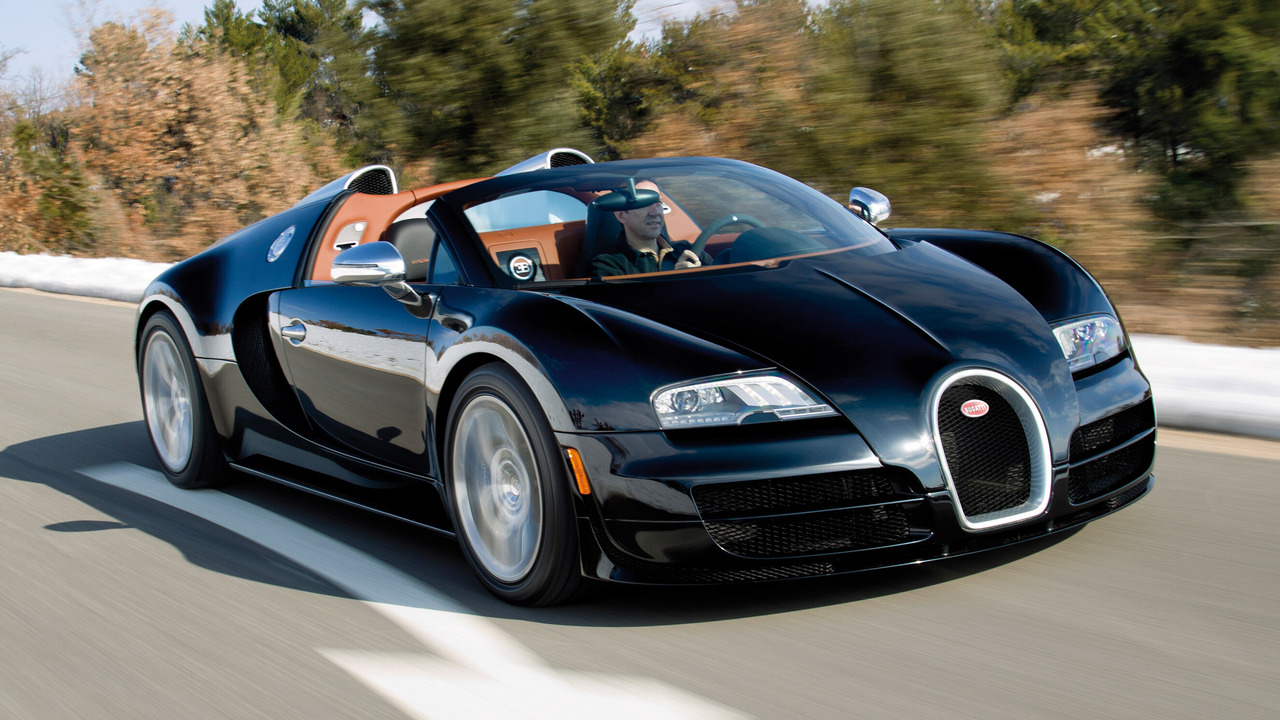
When the Veyron arrived in 2005, it redefined what a production car could be. Nearly 1,000 horsepower, a top speed over 250 mph, and a cabin as refined as any luxury cruiser, it was groundbreaking in every direction.
Hitting 60 in just 2.4 seconds was only part of the story. The Veyron blended comfort, speed, and cutting-edge engineering in a way that hadn’t been done before. It’s not just fast. It’s a milestone in automotive history.
Porsche Taycan Turbo S – 2.4 Seconds | Power: 751 hp (Electric)

Porsche’s first EV doesn’t just follow the rules — it rewrites them. The Taycan Turbo S uses two motors and a unique two-speed gearbox to deliver consistent, blistering acceleration without sacrificing comfort or range.
It might not roar like a traditional Porsche, but its presence is unmistakable. With sharp handling, stunning design, and serious performance, the Taycan proves electric cars can have just as much soul as their gas-powered predecessors.
Nissan GT-R Nismo – 2.48 Seconds | Power: 600 hp (Gasoline)
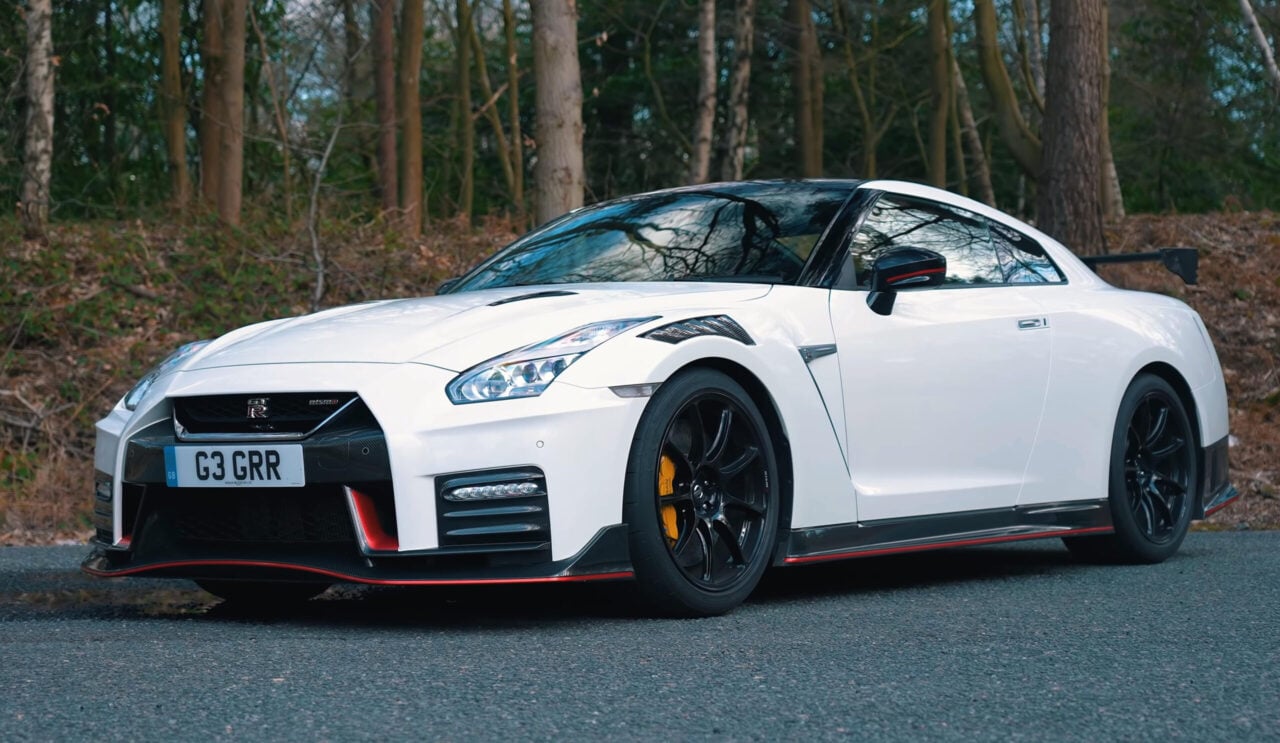
The GT-R Nismo is proof that you don’t need millions to go mind-bendingly fast. With upgraded turbos from Nissan’s GT3 race program, refined transmission tuning, and improved aerodynamics, this version of “Godzilla” is faster and more focused than ever.
Despite being the most affordable car on this list, it punches way above its weight. It’s a street-legal monster that blends brutal acceleration with everyday usability — no wonder it’s become a legend in its own time.
Crossing the Finish Line

From cutting-edge EVs to fire-breathing hypercars, these machines represent the absolute pinnacle of acceleration. But behind every jaw-dropping number is a different kind of story… one about innovation, passion, and the drive to push boundaries.
Whether you’re a seasoned car lover or just curious how fast the fastest really are, these cars show what’s possible when engineering meets imagination. And while most of us won’t be launching from zero to sixty in under two seconds anytime soon, it’s still thrilling to know what’s out there, waiting to be driven.