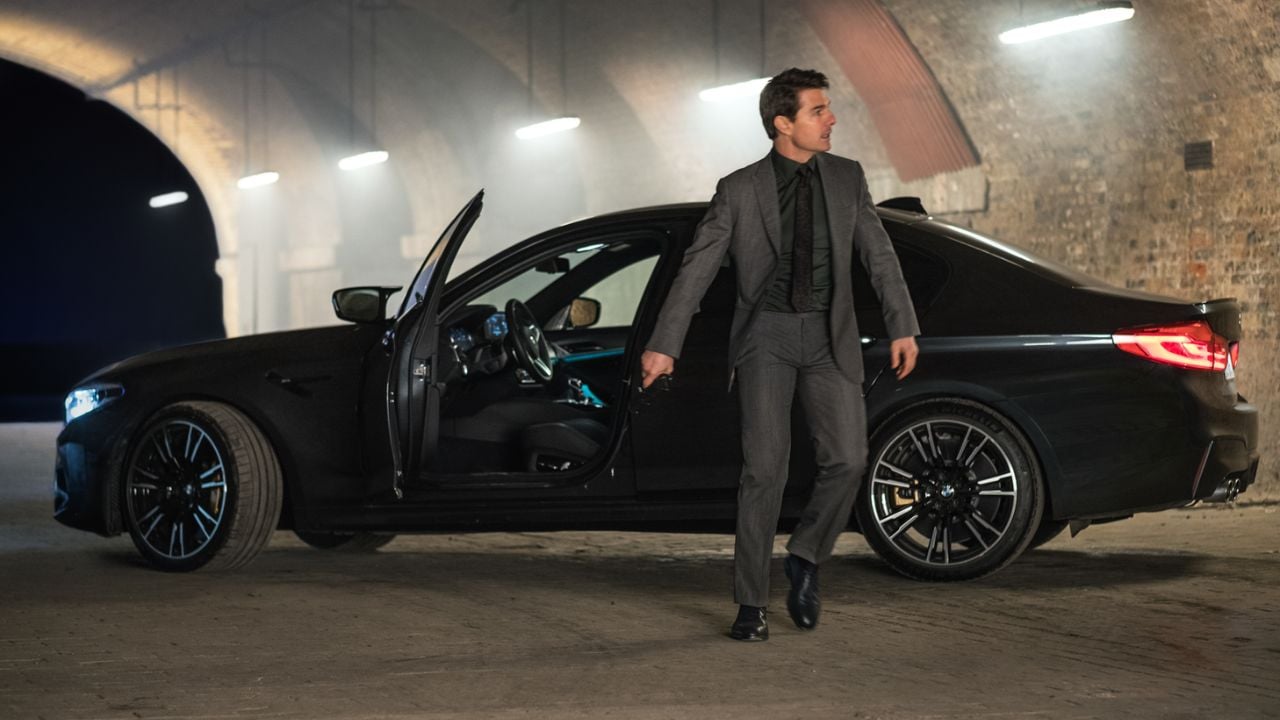

You know that feeling when you’re watching a movie and suddenly a car appears on screen that makes you forget about the plot for a minute? Okay, maybe that’s just a car enthusiast problem. Either way, that’s exactly what these BMWs did. They weren’t just transportation for the stars: they became stars themselves, with each one bringing something special to the silver screen that we’re still talking about decades later.
BMW has always understood how to make a car that looks good on camera. There’s something about that kidney grille and those precise lines that just works in cinema. But these six particular models went beyond looking pretty: they delivered performances that matched their Hollywood co-stars.
How the Cars Rolled Onto This List
Picking these BMWs wasn’t just about which ones appeared in popular movies. The list would be endless as we reminisced about all the amazing vehicles we’ve seen on the big screen. We looked at the ones that genuinely became part of cinema history: the cars that sparked conversations in parking lots after the movie, the ones that appeared on bedroom posters, and the models that enthusiasts still reference when they talk about their dream garage.
Each car here earned its spot by doing more than just providing the actors with a ride. They had to bring something unique to their scenes, whether it was cutting-edge technology, jaw-dropping performance, or that indefinable screen presence that makes a car memorable. From classic ’80s designs to futuristic hybrids, these BMWs proved that the right car can elevate any scene.
James Bond’s BMW Z8: The World Is Not Enough (1999)

The Z8 was BMW’s love letter to their 507 roadster from the 1950s, and Pierce Brosnan’s Bond got to unwrap it on screen. What made this car special wasn’t just the power, though that naturally aspirated V8 sound was pure music.
It even came with a color-matched aluminum hardtop, Nappa leather everything, and that classic BMW 50/50 weight distribution that made it handle like it was on rails. According to MotorTrend, only 5,703 were ever built, making it genuinely rare – not just movie-car rare.
In the film, Q equipped it with the usual Bond gadgets, but honestly, the Z8 didn’t need tricks to steal scenes. Those side gills, the long hood, and that perfect roadster stance did all the talking. Even when the movie literally cut it in half with a helicopter saw, the Z8 had already cemented its place as one of the most beautiful BMWs ever made.
Frank Martin’s BMW 735i: The Transporter (2002)

Jason Statham’s character Frank Martin drove an E38 7 Series, and if you know anything about that generation, you know he picked well. The E38, produced from 1994 to 2001, was BMW’s flagship at the time; a proper luxury sedan that could also handle serious performance duties.
Martin’s 735iL packed BMW’s 3.5-liter V8, good for 235 horsepower and 236 lb-ft of torque. That might not sound earth-shattering today, but in a 4,400-pound sedan, it provided serious thrust. More importantly, the E38’s long wheelbase and sophisticated suspension setup made it incredibly stable at speed – perfect for those chase scenes through the French countryside.
The movie showcased what BMW engineers already knew: the 7 Series wasn’t just a boardroom cruiser. Its near-perfect weight distribution, excellent body rigidity, and advanced (for the time) Dynamic Stability Control meant it could dance when needed. Watching Statham thread that big sedan through tight spaces never looked unrealistic because the E38 genuinely had the chops to do it.
BMW i8: Mission: Impossible – Ghost Protocol (2011)

The i8 was BMW’s bold statement about the future of sports cars, and Mission: Impossible gave it the perfect stage. This wasn’t just concept car eye candy: the i8 was a legitimate engineering marvel.
The hybrid powertrain combined a 1.5-liter turbocharged three-cylinder engine with an electric motor for a total of 357 horsepower. But the real genius was in the details: the i8’s carbon fiber passenger cell kept weight to just 3,485 pounds, while the 50/50 weight distribution ensured it handled like a proper sports car despite the complexity of its drivetrain.
Those butterfly doors were part of the i8’s carefully designed aerodynamics package that helped it achieve a drag coefficient of just 0.26. (They also looked so good.) The active aerodynamics and adaptive suspension made it genuinely quick around corners, not just in a straight line.
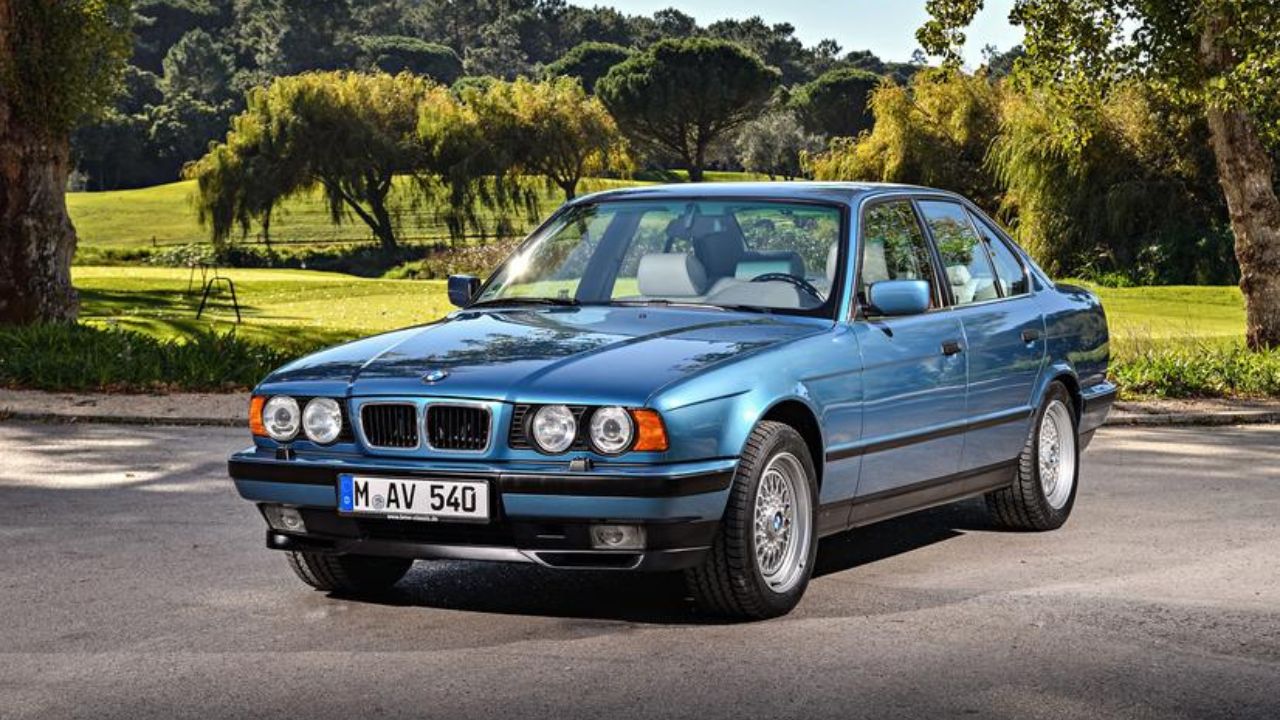
BMW 535i E34: Ronin (1998)

The E34 5 Series in Ronin deserves respect for one simple reason: it was the perfect choice for a real car chase. No CGI, no green screen – just a proper BMW sedan doing what BMW sedans do best.
What made the E34 ideal for those chase scenes was its fundamental balance. BMW’s engineers had perfected the car’s weight distribution, and the semi-trailing arm rear suspension gave it tremendous stability at speed. The E34 was also built like a tank: its rigid body structure and excellent crash protection meant stunt drivers could push hard without worrying about the car falling apart.
In Ronin, the E34 chased a Peugeot 406 in the famous Paris sequence, and it did so convincingly. That’s because both cars shared BMW’s core engineering philosophy: precise steering, excellent balance, and the kind of build quality that inspires confidence even when you’re threading through Parisian traffic at illegal speeds.
BMW BMW M6: Lethal Weapon 2 (1989)
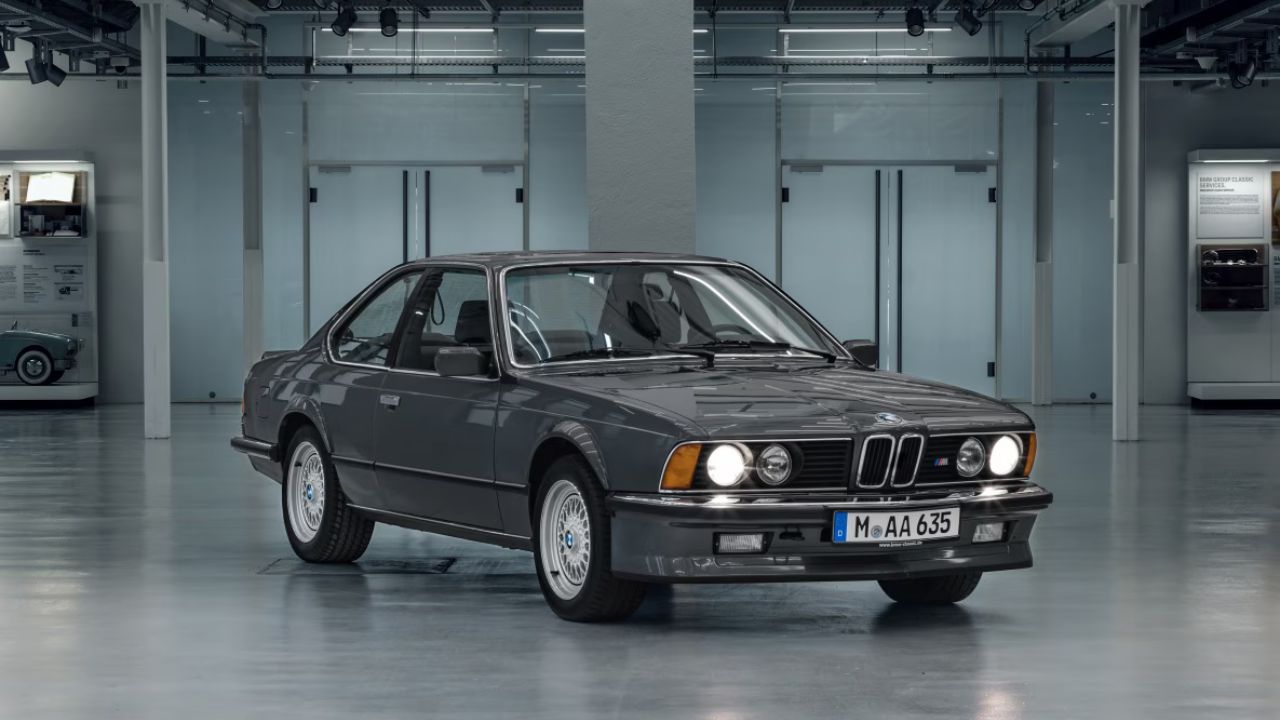
The E24 6 Series represents BMW design at its most distinctive. That “shark nose” front end was stylish and provided functional aerodynamics that helped the big coupe slip through the air efficiently. In Lethal Weapon 2, it brought European sophistication to the LA streets.
According to BMW, the M635CSi used the M88/S38 3.5L DOHC inline-six, making ~256–286 hp depending on market. What mattered more than peak power was the engine’s character: smooth, willing to rev, and with that distinctive BMW inline-six sound that’s music to enthusiast ears.
The E24’s design was penned by Paul Bracq, who also worked on the Mercedes-Benz Pagoda SL. His influence showed in the 6 Series’ clean lines and perfect proportions. The long hood, short deck proportions were classic grand tourer, and the car’s 2+2 layout made it practical enough for daily use while still being properly sporty.
BMW 750iL E38: Tomorrow Never Dies (1997)

Bond’s remote-controlled 750iL showcased BMW’s technology leadership, but the real star was the E38 7 Series itself. This generation, launched in 1994, represented BMW’s most advanced engineering at the time and set the standard for luxury sedans worldwide.
The 750iL’s 5.4-liter V12 produced around 320 horsepower, but the engine was just part of the story. The E38 combined a rigid steel body with aluminum suspension components and advanced electronics, including BMW’s then-latest stability and traction control systems.
The movie’s remote control system was fiction, but the E38’s actual technology was impressive enough. It offered GPS navigation and an onboard computer system that could diagnose its own problems. The car also introduced BMW’s first stability control system and featured advanced traction management that made it remarkably capable in all conditions.
Fade to Roundel

These cars represented genuine automotive achievements that enthusiasts still appreciate today. Each one brought something unique to cinema while showcasing BMW’s engineering philosophy: that a car should be beautiful, fast, and usable every day.
The Z8 proved that BMW could build exotic supercars that rivaled anything from Italy. The E38 7 Series established the template for the modern luxury performance sedan. The i8 showed that hybrid sports cars could be genuinely desirable.
What’s remarkable is how well these cars have aged. The Z8 and E24 6 Series look timelessly elegant, while the i8 still appears futuristic years later. The E34 and E38 represent BMW’s golden era of build quality and engineering purity.
These BMWs succeeded in movies because they succeeded in real life. They were genuinely excellent cars that happened to photograph well and perform convincingly on screen. That’s why we’re still talking about them today, and why they’ll continue to be legends long after the last Blu-ray disc has been forgotten.