The electric vehicle revolution was supposed to be the automotive equivalent of the iPhone moment; everything before it suddenly rendered obsolete. And in many ways, it has been a seismic shift. But not every EV that rolled off the line became the Tesla Model 3 of its segment.
Some arrived late to the party, some showed up without enough range to get home, and others just couldn’t quite convince buyers to make the leap. That doesn’t mean these vehicles were disasters, far from it. Most were genuine engineering efforts that just couldn’t match the sky-high expectations surrounding them.
Think of this as a friendly post-game breakdown: here are 10 electric vehicles that, for one reason or another, didn’t quite live up to the hype.
Nissan Leaf (Second Generation)
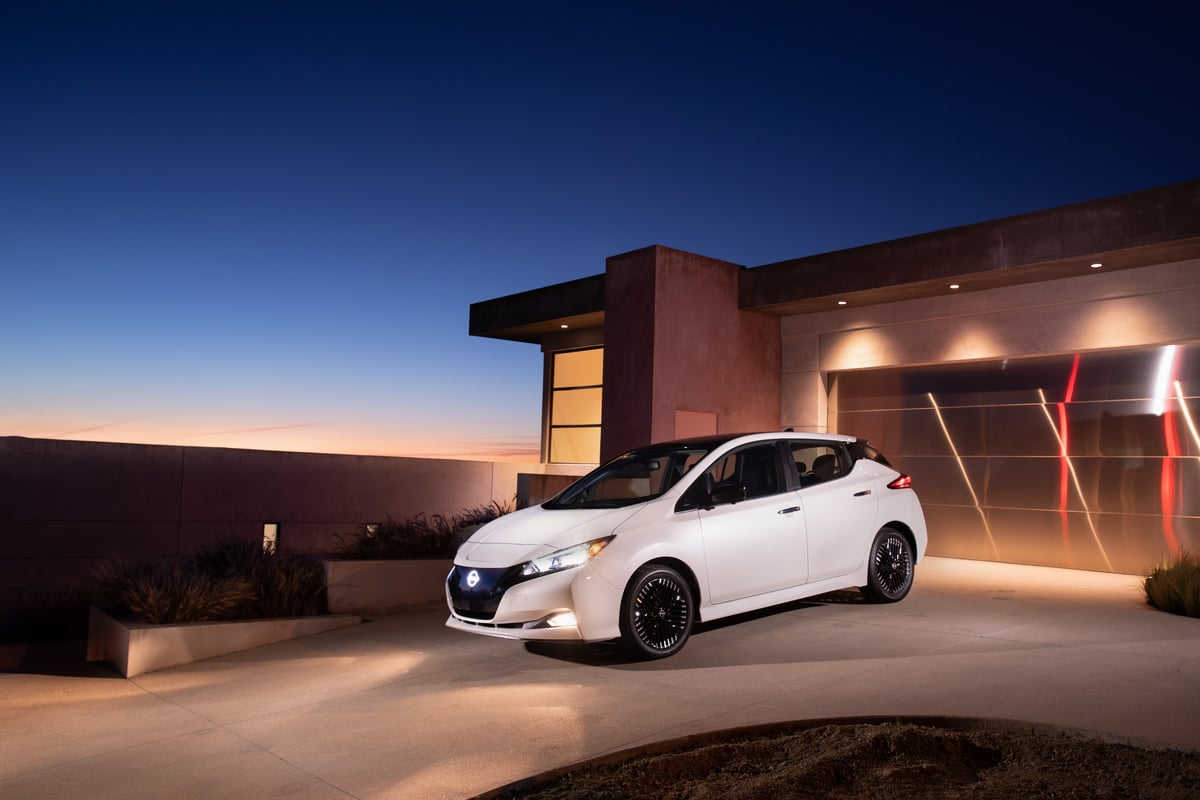
The original Leaf deserves serious credit for kicking off the mass-market EV era back in 2010.
So when Nissan revamped it for 2018, expectations were riding high. The redesigned base model brought a longer 151-mile range and a sharper design, but it also carried over one major omission: no liquid cooling system for the battery pack. In warmer climates, that meant faster degradation and slower DC fast charging speeds.
Nissan did eventually add the 62 kWh Leaf Plus with up to 226 miles of range, but that didn’t arrive until 2019, leaving buyers who jumped on the 2018 model with a capable but compromised package. Competitors like the Chevrolet Bolt were offering over 230 miles without the thermal concerns, and buyers took notice.
The Leaf still sold steadily, but it never recaptured the “future is now” excitement of the original.
BMW i3

Few EVs have ever been as genuinely quirky and forward-thinking as the BMW i3.
Launched in 2014, it used carbon fiber reinforced plastic throughout the body to keep weight down and boasted a funky rear-hinged door setup that made getting in the back feel like a puzzle. BMW was clearly swinging for something different, and car enthusiasts genuinely appreciated the effort. But the original range of around 81 miles was a tough sell even for early adopters, and the optional range-extender, a small motorcycle engine tucked in the back, felt more like an apology than a solution.
Later updates improved the battery, but the i3 always remained more of a conversation starter than a segment leader.
Volkswagen e-Golf
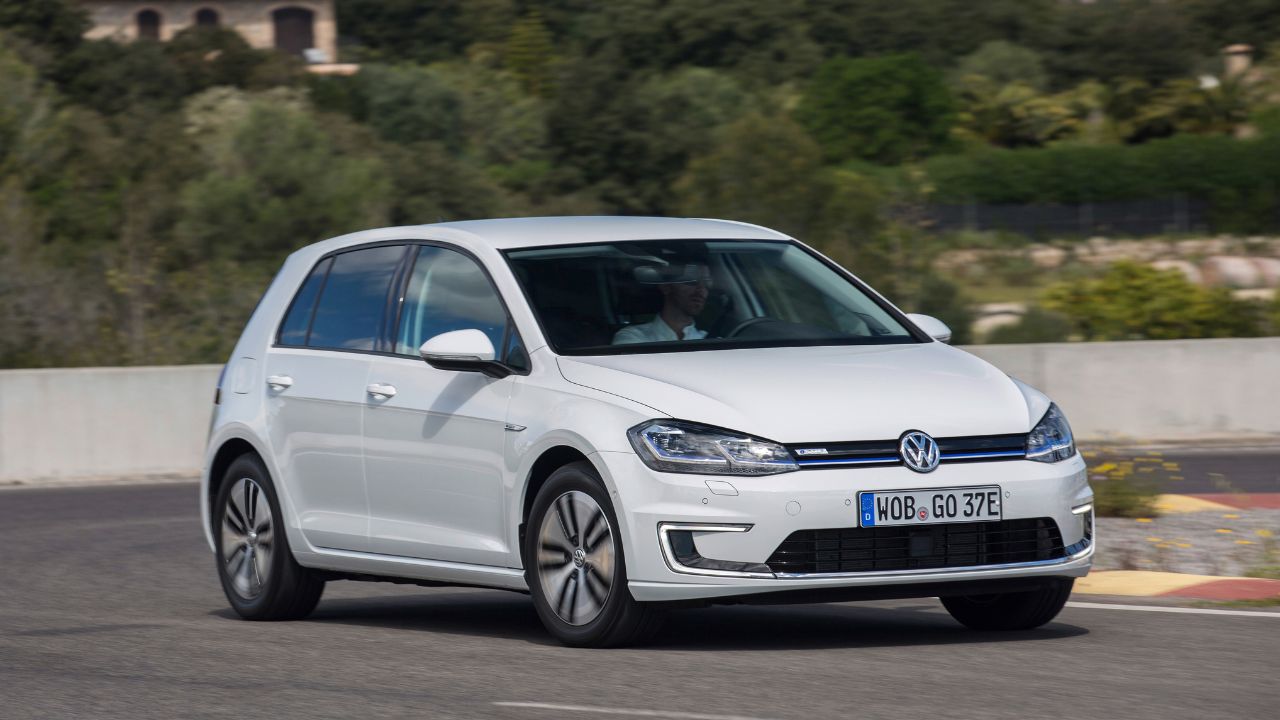
If there were an award for “EV most in need of a better marketing department,” the e-Golf would be a strong contender.
Volkswagen had a genuinely likable car here, familiar Golf dynamics, solid build quality, and a comfortable interior, but wrapped it around a battery that carried a 125 mile EPA rated range. At a time when the Chevy Bolt was pushing past 230 miles at a similar price point, that gap was hard to overlook. The e-Golf almost felt like VW was testing the EV waters rather than diving in.
When the ID.4 arrived, it was clear the company had found its stride, but the e-Golf will be remembered as the warm-up act.
Chevrolet Bolt EV (2017 to 2022 Recall Era)
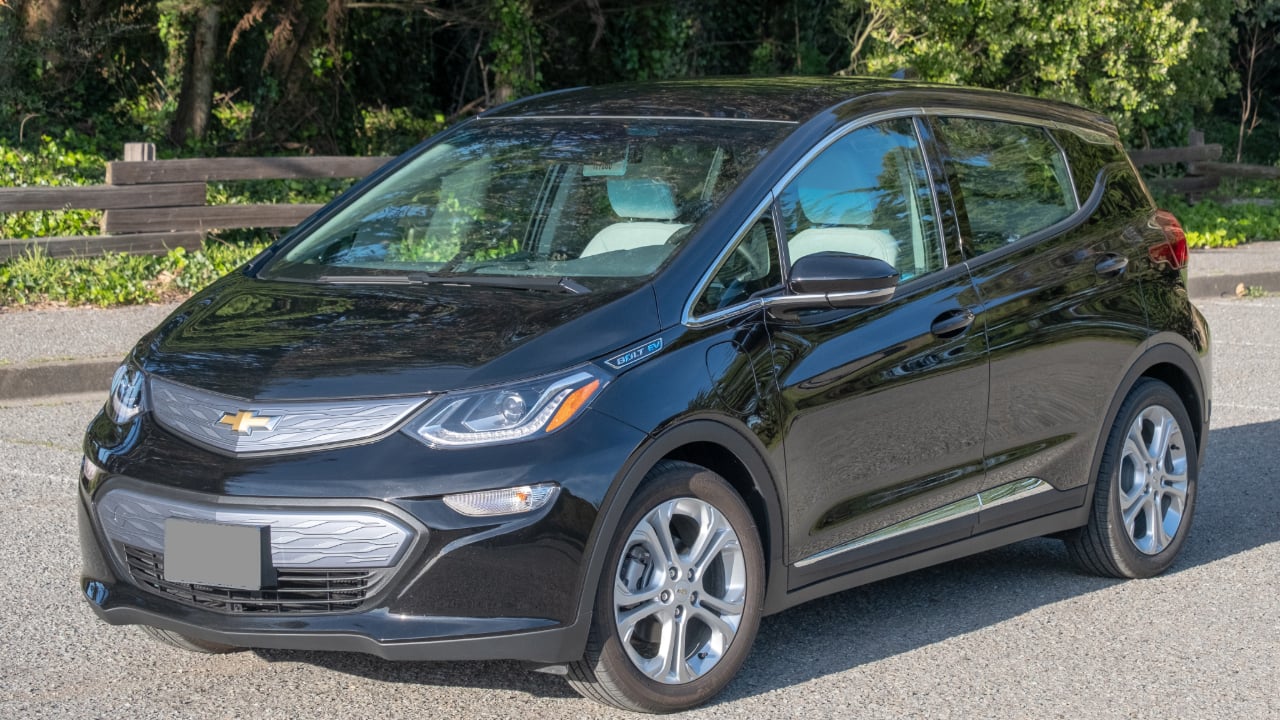
Here’s a complicated one, because the Bolt EV was actually a legitimately excellent car, great range, an affordable price, and handling that made urban driving genuinely fun.
General Motors deserves real credit for bringing it to market in 2017 when most automakers were still dragging their feet. The problem came later, when a battery defect led to a massive recall and restrictions on charging that understandably frustrated owners. GM’s response drew criticism for being slow, and the recall saga overshadowed what was otherwise one of the more compelling EVs on the market at the time.
A refresh arrived for 2022, but the battery fire recall applied to 2017 to 2022 Bolt EVs and the 2022 Bolt EUV, so the reputational dent lingered even as GM rolled out battery replacements and software remedies.
Honda Clarity Electric
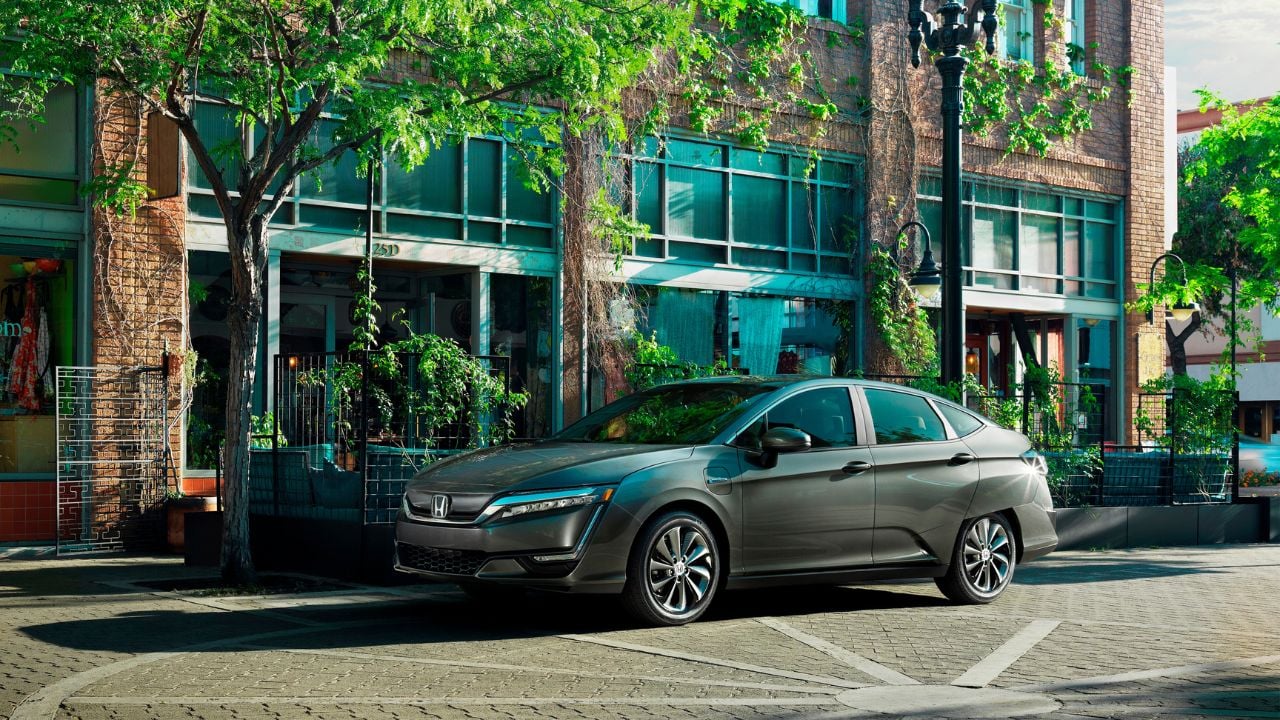
Honda’s Clarity lineup took an interesting approach: offer the same basic car in three flavors, plug-in hybrid, hydrogen fuel cell, and battery electric.
On paper, it’s an efficient way to develop a platform. In practice, the all-electric Clarity got the short end of the stick. It was only available in California and Oregon, offered roughly 89 miles of range, and was lease-only, which made recommending it to friends feel a little complicated. Honda seemed to be treating it more as a compliance vehicle than a serious market entry, and savvy buyers picked up on that.
The Clarity PHEV found a more enthusiastic audience, but the pure EV version faded away quietly.
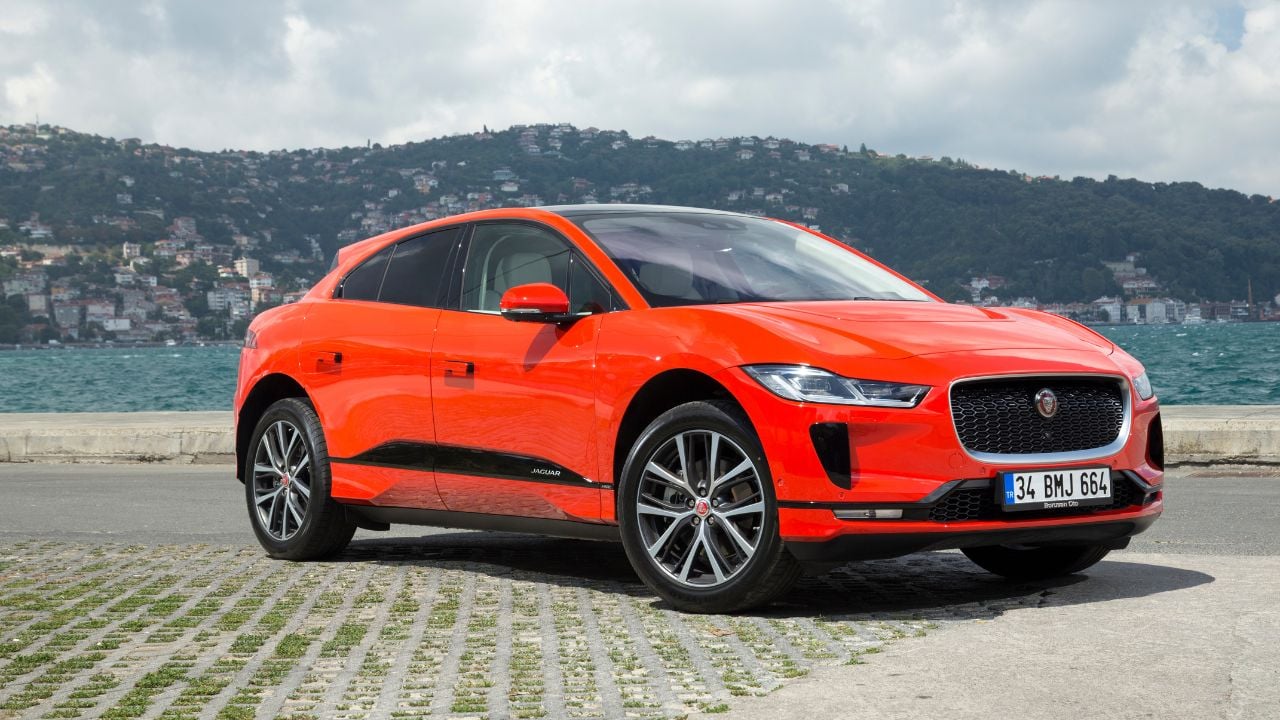
Jaguar I-Pace

The I-Pace launched in 2018 with the kind of fanfare you’d expect from a luxury British automaker entering the EV space, stunning design, a compelling 234-mile EPA range, and performance that left no doubt it was a Jaguar.
It swept the 2019 World Car Awards, taking home World Car of the Year, World Car Design of the Year, and World Green Car in an unprecedented trifecta. So why is it on this list? Because once the honeymoon ended, recurring software issues, inconsistent over-the-air update support, and the lack of a Tesla style proprietary charging network, plus reliance on uneven public CCS fast charging, left a meaningful gap between promise and experience. For the asking price, buyers expected a more seamlessly polished package.
The I-Pace remains a looker, but it served as a reminder that hardware alone doesn’t win the EV race. It also ended up as a core vehicle for Waymo’s autonomous fleet, which uses Jaguar I PACE vehicles in multiple markets.
Audi e-tron (First Generation)
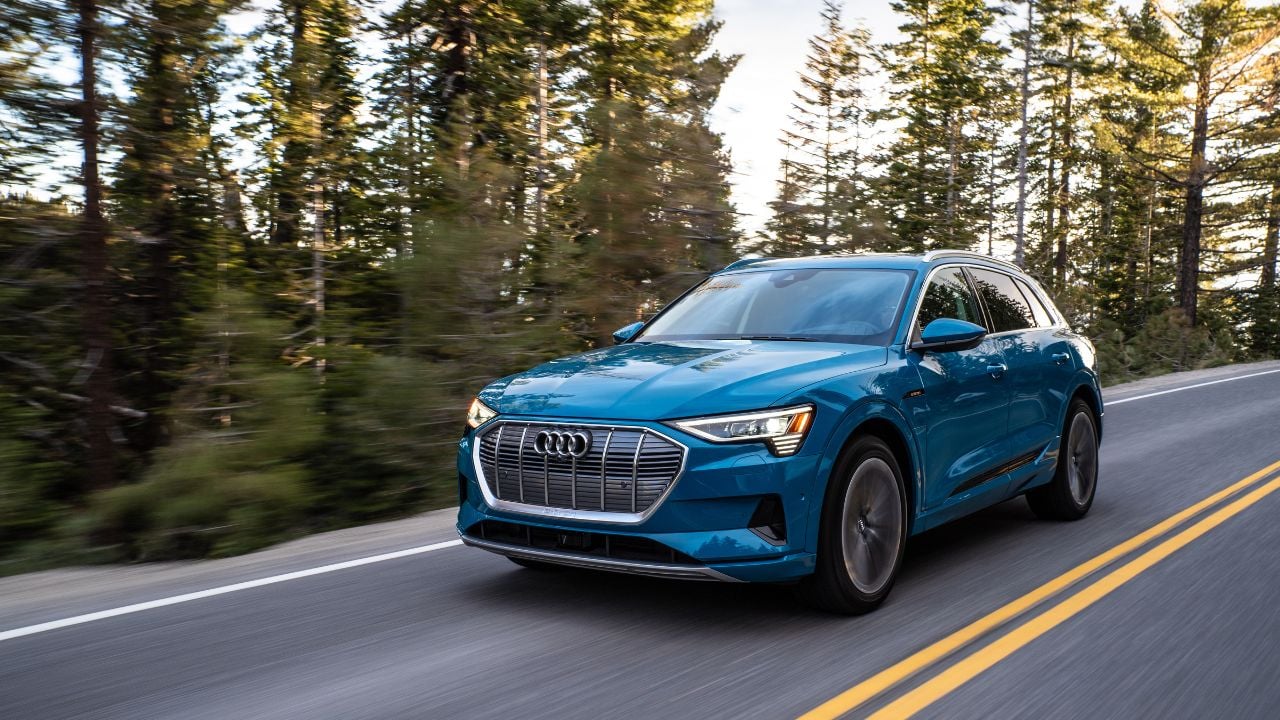
Audi went big with the first-generation e-tron, emphasizing luxury, refinement, and a nameplate that carries serious prestige.
The interior? Impeccable. The ride quality? Smooth as you’d expect from a company that’s been building premium SUVs for decades. But the efficiency story was less flattering.
The e-tron consumed more energy per mile than its closest competitors, and its EPA-rated range of 204 miles felt modest in the context of what rivals were offering. On road trips, the charging network situation added friction that buyers at this price level didn’t want to deal with.
Audi has since refined its EV lineup considerably, but the original e-tron was a case of the badge writing checks the battery couldn’t cash.
Mitsubishi i-MiEV

Credit where it’s due: the i-MiEV was one of the first mass-produced EVs sold in the United States, arriving in 2012 with a starting price that made it one of the most accessible electric options around.
But accessible and appealing aren’t always the same thing. With an EPA rated range of 62 miles and a design that, let’s be honest, looked like a rolling avocado, the i-MiEV struggled to find traction beyond the most pragmatic of urban commuters. It felt like a science project that graduated too early, proof that the concept worked but not yet proof that the concept was ready.
Mitsubishi quietly discontinued it for the US market after 2017, and it slipped away with little fanfare.
Ford Focus Electric

Ford has always been a company that knows how to read a room, which makes the Focus Electric a bit of a head-scratcher.
While Ford’s conventional Focus was a well-regarded compact, the electric version launched with about 76 miles of EPA rated range and did not add CCS DC fast charging until the 2017 update, while carrying a price premium that was hard to justify when buyers could get a Nissan Leaf for less. Ford produced it largely as a compliance play, and the restrained investment showed in the limited production numbers and minimal marketing.
To Ford’s credit, they later put serious resources into the Mustang Mach-E and F-150 Lightning, cars that showed what the company could do when it really committed to going electric.
Smart EQ ForTwo
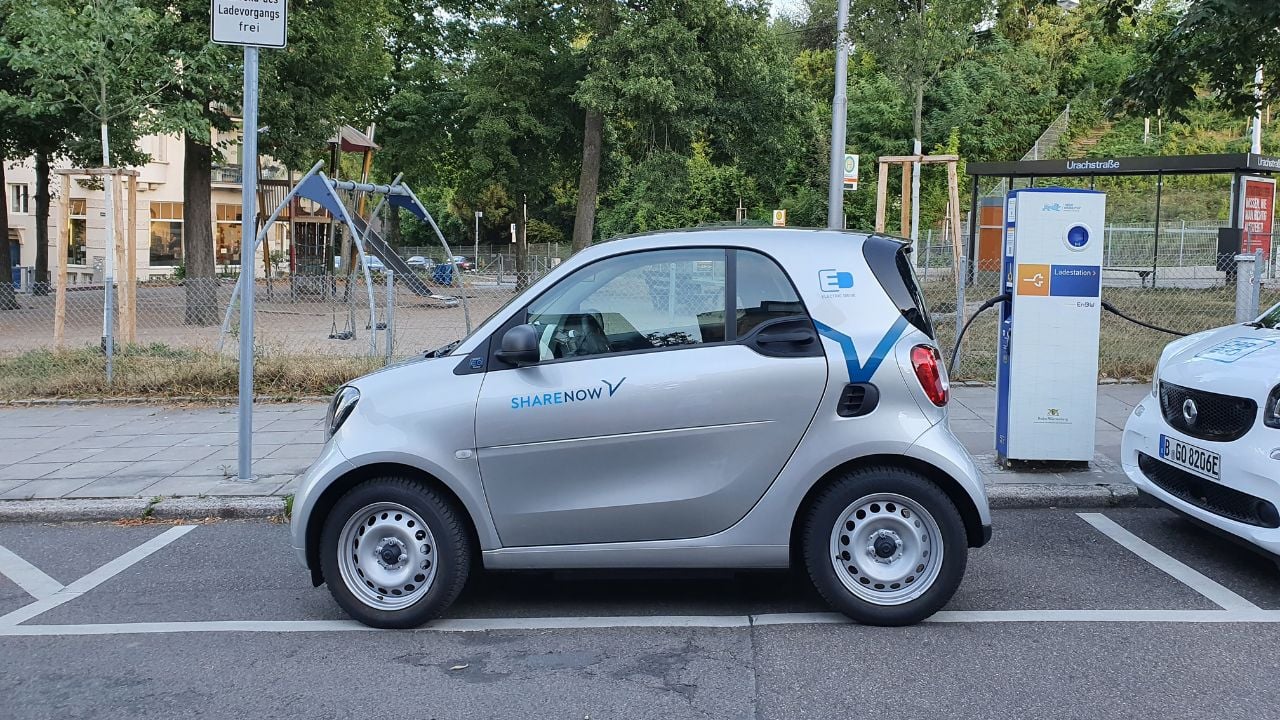
There’s something endearingly specific about the Smart ForTwo Electric Drive, a two-seater city car that was essentially built for one very particular person living one very particular life.
And if that life involved parallel parking in tight European-style spots and commuting solo under 15 miles each day, the Smart EQ was actually pretty decent at it. The problem was that American car buyers, even in cities, weren’t exactly lining up for a two-seat microcar with about 58 miles of range that charged slowly. The price also didn’t do it any favors relative to what else was on the market.
Smart eventually exited the US market entirely, but the ForTwo Electric left behind a cult following that still swears by it for urban use.
Final Thoughts

Looking back at these 10 vehicles, one thing becomes pretty clear: the EV transition has never been a straight line. Every car on this list represented real people taking real risks, engineers who stayed late, executives who made tough calls, and customers who wanted to believe in something new. Some of these vehicles stumbled on range, others on infrastructure, and a few on timing. The auto industry has an unforgiving way of sorting out who’s ready and who’s still figuring it out.
But here’s the hopeful part: the lessons from each of these cars almost certainly shaped the next generation of EVs that followed. The industry is driving forward, and if this list is any indication, the bumps along the road were worth it.