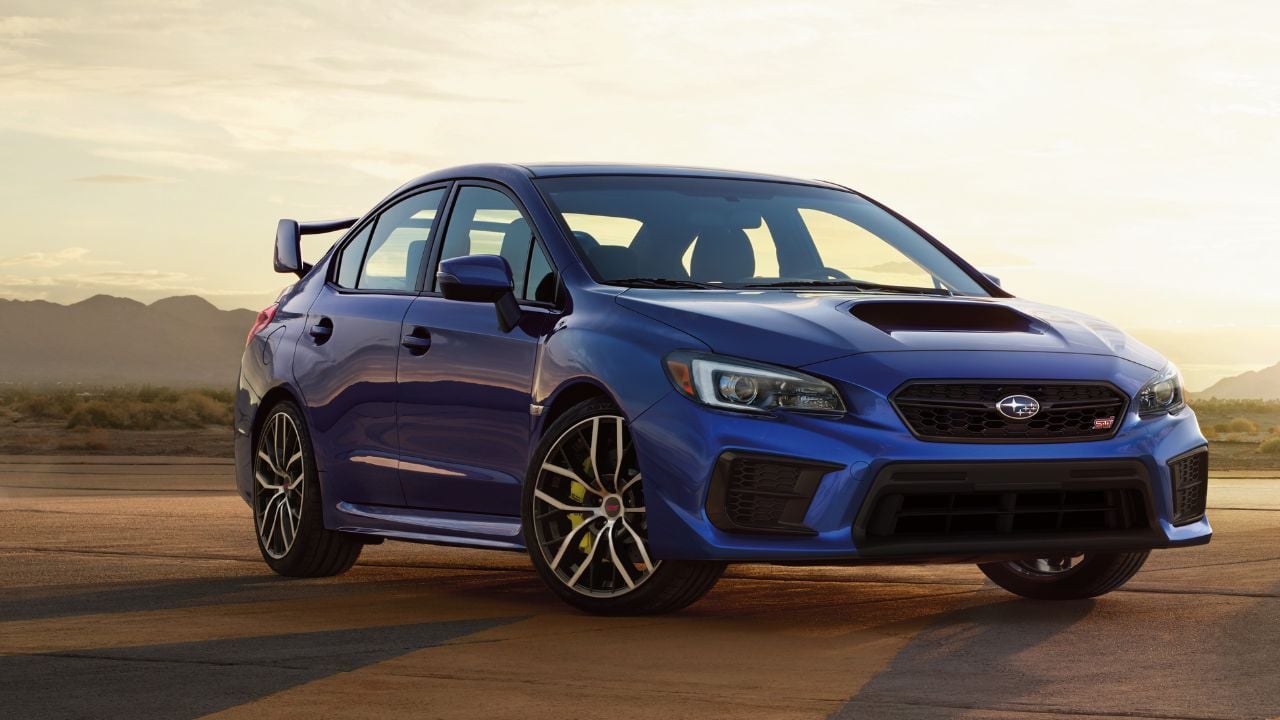
Subaru is facing another class action lawsuit in the United States over claims that several of its most popular vehicles suffer from recurring battery drain problems that continue even after battery replacements. Plaintiffs allege the issue stems from an unresolved electrical defect that causes excessive parasitic power draw while the vehicles are turned off.
The lawsuit covers a broad range of Subaru models, including the Outback, Forester, Crosstrek, WRX, Legacy, Impreza, and Ascent. According to the complaint, owners have experienced repeated dead batteries, vehicles failing to start, and in some cases sudden shutdowns or stalling events linked to electrical system problems.
Several plaintiffs claim they were forced to pay out-of-pocket for replacement batteries, diagnostic testing, towing services, and roadside assistance after repeated failures. The suit also argues that replacing the battery alone does not permanently solve the problem because the underlying parasitic drain allegedly remains present within the vehicle’s electrical architecture.
This is not the first time Subaru has faced legal action over battery-related complaints. A previous settlement reached in 2022 provided reimbursement for certain battery replacements, though owners now argue the root cause was never fully addressed.
Plaintiffs Say Battery Failures Continue Returning
According to the lawsuit, the problem involves one or more electronic control modules failing to properly enter low-power sleep mode when the vehicle is shut off. Plaintiffs claim this allows systems to continue drawing power unnecessarily, slowly draining the battery even while the vehicle sits parked.
The lawsuit includes owners from several states, including New York, California, Texas, and New Jersey. Many report experiencing multiple battery failures over the life of the vehicle despite installing new batteries.
One plaintiff, who owns a 2021 Subaru Forester, reportedly replaced the original battery after startup issues began at roughly 36,000 miles. The replacement battery later failed again at around 72,000 miles, with the owner claiming rough starts and electrical issues still persist.
Other owners cited in the filing say they paid between several hundred dollars, in some cases more than $400, for replacement batteries and related service work.
Wide Range Of Subaru Models Included
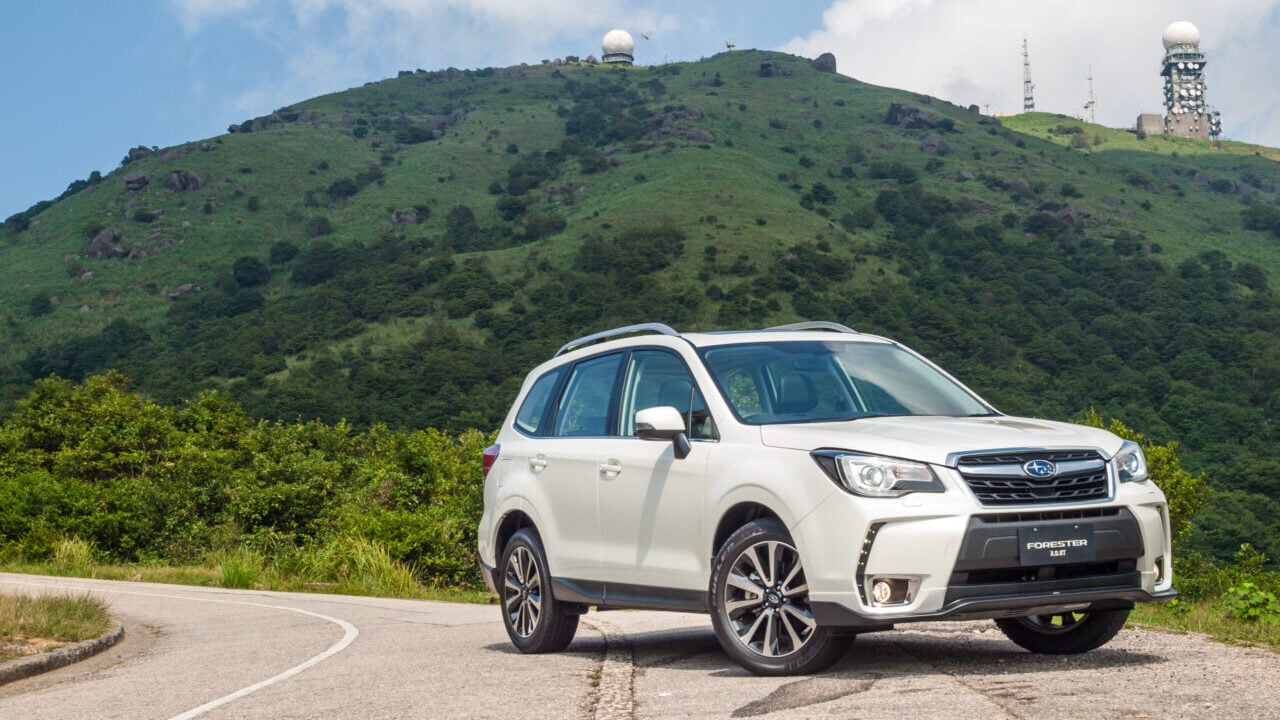
The lawsuit targets many of Subaru’s highest-volume vehicles sold in the United States. Models named in the complaint include:
- 2021-2022 Subaru Outback
- 2021-2024 Subaru Forester
- 2021-2023 Subaru Legacy
- 2021-2023 Subaru WRX
- 2021-2022 Subaru Ascent
- 2019-2023 Subaru Crosstrek
- 2019-2024 Subaru Crosstrek Hybrid
- 2022-2025 Subaru Forester Wilderness
- 2019-2023 Subaru Impreza
Because the Forester and Crosstrek rank among Subaru’s best-selling vehicles, the potential number of affected owners could be substantial if the allegations prove accurate.
The lawsuit also points to customer complaints filed with the National Highway Traffic Safety Administration and automotive complaint databases, where battery-related issues have appeared repeatedly across multiple Subaru product lines.
Previous Settlement Did Not End Complaints
Subaru previously reached a settlement in 2022 involving similar allegations over premature battery failures. Although the automaker denied wrongdoing at the time, the agreement included reimbursement for certain battery replacement costs during the first five years or 60,000 miles of ownership.
Owners involved in the new lawsuit argue that settlement addressed only the symptoms rather than the actual electrical defect allegedly causing the drain. Plaintiffs claim that newly installed batteries eventually experience the same failures because the parasitic draw continues unchecked.
The complaint also references a technical service bulletin Subaru issued in late 2025 outlining updated procedures for diagnosing parasitic battery drain. According to the filing, the bulletin acknowledged concerns that technicians may have been incorrectly identifying the source of electrical draw during inspections.
Some owners additionally report dealers installing larger replacement batteries and revised mounting brackets, fueling claims that the factory battery setup may have been inadequate for the vehicles’ electrical demands.
Electrical Problems Can Be Difficult To Resolve

Unlike traditional recalls involving defective hardware components, parasitic electrical drain issues can be significantly more complicated to diagnose and repair. Modern vehicles rely on dozens of interconnected control modules, sensors, wireless communication systems, and convenience features that continue consuming small amounts of power even after shutdown.
If a module fails to enter sleep mode properly, the battery can discharge unexpectedly over time. Intermittent electrical faults are often especially difficult for technicians to reproduce consistently during service appointments.
Subaru has not announced a recall related to the issue at this time. The automaker has also continued maintaining that its vehicles meet applicable standards despite the growing number of owner complaints and legal filings.
For now, affected owners may continue dealing with repeated battery replacements and startup concerns while the lawsuit works its way through the court system.
How can we join the lawsuit?