
For decades, Europe’s automotive giants set the pace for the global car industry. Today, however, many of those same manufacturers find themselves trying to catch up, particularly in software development and connected vehicle technology.
Chinese automakers have rapidly expanded their capabilities over the last several years, bringing new vehicles to market at a speed that many traditional manufacturers struggle to match. As Chinese brands continue growing their presence across Europe, pressure is mounting on legacy automakers to respond.
Rather than tackling the challenge alone, several of Europe’s largest automotive groups are now pursuing a collaborative strategy. The goal is simple: reduce development costs, shorten software development cycles, and accelerate the rollout of next-generation vehicle technologies.
That effort is taking shape through an expanding industry partnership that includes some of the biggest names in the automotive world. Whether the strategy ultimately succeeds may play a significant role in determining how competitive European manufacturers remain in the years ahead.
Europe’s Biggest Names Are Getting Involved
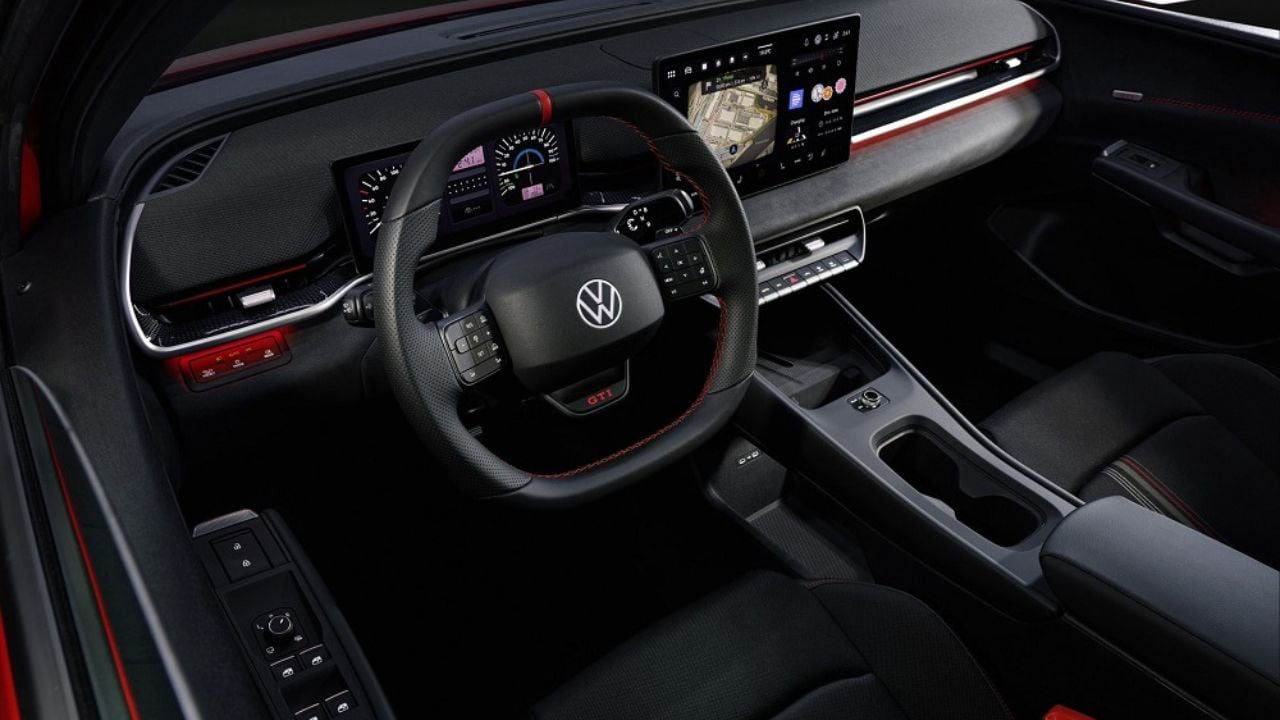
A growing number of automakers have joined the Eclipse Foundation’s automotive software initiative, which aims to create common software building blocks that manufacturers can share across future vehicles.
The list of participants includes BMW, Mercedes-Benz, Volkswagen Group, Stellantis, and commercial vehicle manufacturer Traton. Several major suppliers have also signed on, including Bosch, ZF Friedrichshafen, and Schaeffler.
Stellantis’ involvement is particularly noteworthy because of the company’s massive portfolio of brands. Its European operations include Peugeot, Citroën, DS, Fiat, Alfa Romeo, Maserati, Lancia, Opel, and Vauxhall, giving the project even bigger industry representation.
By bringing together automakers and suppliers under one umbrella, the initiative hopes to eliminate duplicated development work and create a more efficient software ecosystem.
The Goal Is Faster Vehicle Software Development
At the center of the collaboration is a project known as S-CORE. The initiative focuses on developing shared software foundations that manufacturers can use as a starting point for their own systems.
Instead of every company building similar software infrastructure independently, automakers can rely on common core components and then add their own proprietary features, interfaces, and brand-specific functions.
The concept mirrors how many manufacturers already share components in other areas of vehicle development. Multiple automakers may use the same transmission, electrical architecture, or supplier-sourced hardware while maintaining unique driving characteristics and brand identities.
Supporters believe a similar approach could help software development become faster, cheaper, and more efficient.
China’s Speed Has Changed The Competitive Landscape
The urgency behind the collaboration reflects a growing concern throughout Europe’s automotive sector. Chinese manufacturers have gained a reputation for dramatically shortening vehicle development timelines while rapidly introducing new technologies.
Many Chinese brands have embraced software-first development strategies that allow them to update vehicles more frequently and bring new products to market at an accelerated pace.
European automakers, by contrast, often operate within larger organizational structures and more complex development processes. While those systems can improve validation and reliability, they can also slow decision-making and product launches.
As Chinese manufacturers continue expanding into European markets, legacy brands are increasingly searching for ways to become more agile without sacrificing quality.
Collaboration Comes With Risks

While the idea of shared software development offers clear advantages, it is not without challenges. Automakers remain fierce competitors, and each company still wants to differentiate its products through unique technology and customer experiences.
There is also the question of whether involving so many organizations could actually slow progress. Reaching consensus among multiple manufacturers, suppliers, and stakeholders can be a lengthy process, particularly when each participant has different priorities.
Some industry analysts have warned that excessive collaboration could undermine the very speed improvements the project hopes to achieve. The challenge will be balancing cooperation with the flexibility required to innovate quickly.
At the same time, companies must avoid rushing software development simply to match competitors. Faster deployment may sound attractive, but poorly executed software can create reliability issues, customer frustration, and expensive recalls.
A Critical Battle Beyond Engines And Batteries
The modern automotive industry is increasingly defined by software rather than mechanical hardware alone. Connectivity, driver assistance systems, over-the-air updates, and digital services now play a major role in how consumers evaluate vehicles.
That reality is forcing automakers to rethink how products are developed. Success is no longer determined solely by engine performance, ride quality, or manufacturing scale.
For European manufacturers, the Eclipse Foundation initiative represents an attempt to adapt to a rapidly changing market. The industry recognizes that competing against China’s fast-moving automotive sector will require new approaches and greater efficiency.
Whether shared software development becomes a competitive advantage or another layer of complexity remains to be seen. What is clear is that Europe’s biggest carmakers no longer believe they can fight the software battle entirely on their own.