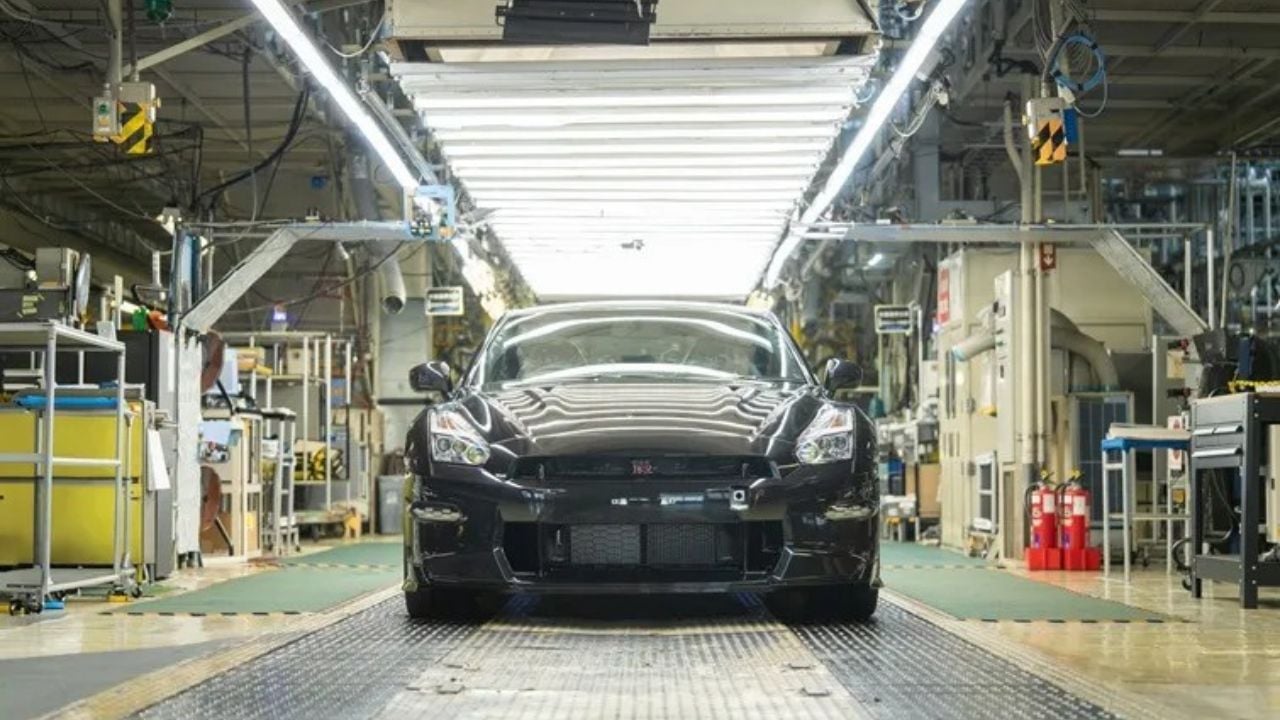
Stellantis said on Friday that it is considering selling part of an underused Spanish factory to its Chinese partner Leapmotor.
The move could protect jobs in the short term, but it could also make Chinese automakers stronger in Europe.
That is the dilemma now facing many European carmakers. Factories are underused, sales have not fully recovered since the pandemic, and Chinese brands are moving quickly.
At the same time, Chinese companies bring lower costs, fast development, and strong EV technology, which makes them difficult rivals for European manufacturers.
Chinese Brands Want European Production
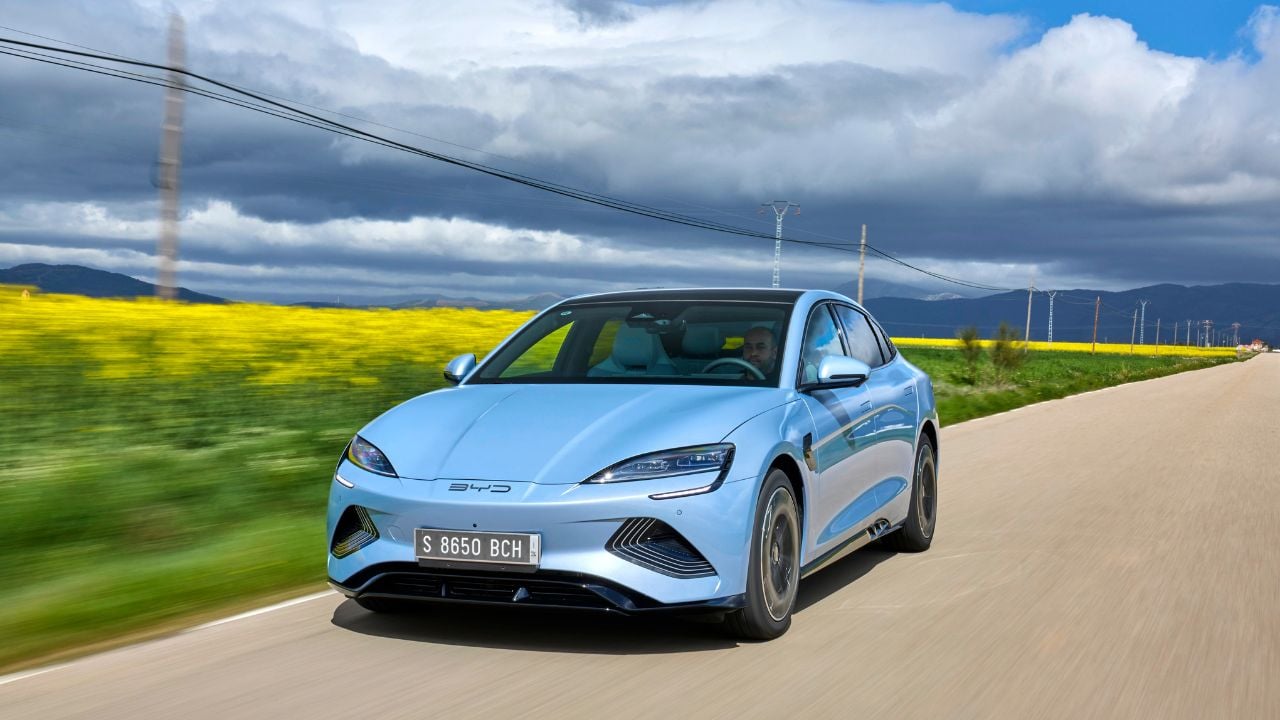
Chinese automakers such as BYD, MG, Chery, Geely, Leapmotor, Jaecoo, and Xpeng were barely known in Europe a few years ago. Today, they already hold around 9% of the total European car market and 14% of EV sales, according to Dataforce.
Tariffs and incentives for locally produced vehicles have made direct imports harder. That is why Chinese brands are now looking for factories inside Europe.
Chery already took over the former Nissan plant in Barcelona and plans to produce 200,000 vehicles a year there. It also plans to open an R&D center in Paris for a small EV developed for Europe.
Stellantis, Ford, And VW Are All Watching
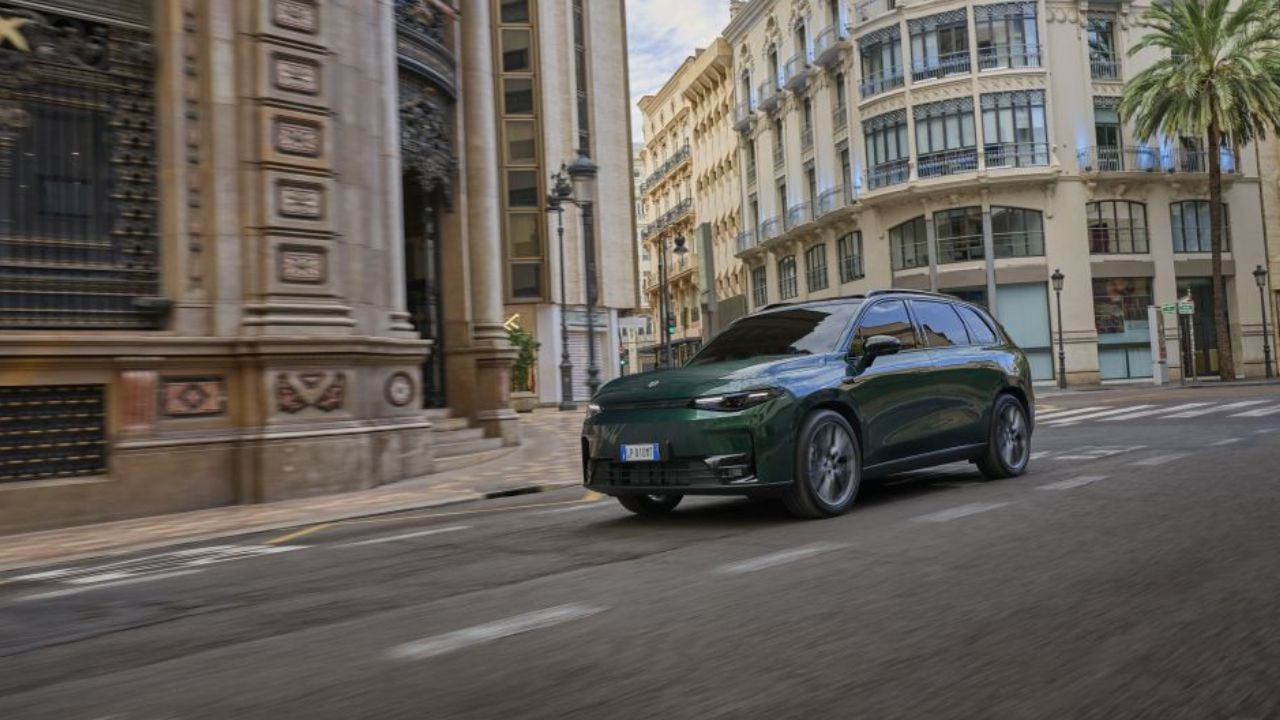
Stellantis is considering a partial sale of its Villaverde plant in Madrid to Leapmotor, in which it already owns a controlling stake. The group also plans to use Zaragoza for Leapmotor production, and an Opel badged EV could also be built there with Leapmotor’s help.
Ford has confirmed talks with Geely over a partial sale of its Valencia factory in Spain. Geely would use the site to build a model for Europe.
Volkswagen is also studying possible cooperation with Chinese partners. CEO Oliver Blume recently said the company is looking at whether there could be room for Chinese cars in Europe or for deeper cooperation with its Chinese partners.
A Tempting But Dangerous Solution
For European manufacturers, selling unused plants can look like a smart option. It keeps factories alive, protects jobs, and avoids the high cost of closing production sites.
OPmobility CEO Félicie Burelle has described that approach as a sensible way to deal with excess capacity.
But experts warn that the strategy carries major risks. Bernard Jullien from the University of Bordeaux says selling European plants to Chinese companies could give powerful rivals a direct advantage in the heart of Europe.
Europe Could Strengthen Its Own Rivals
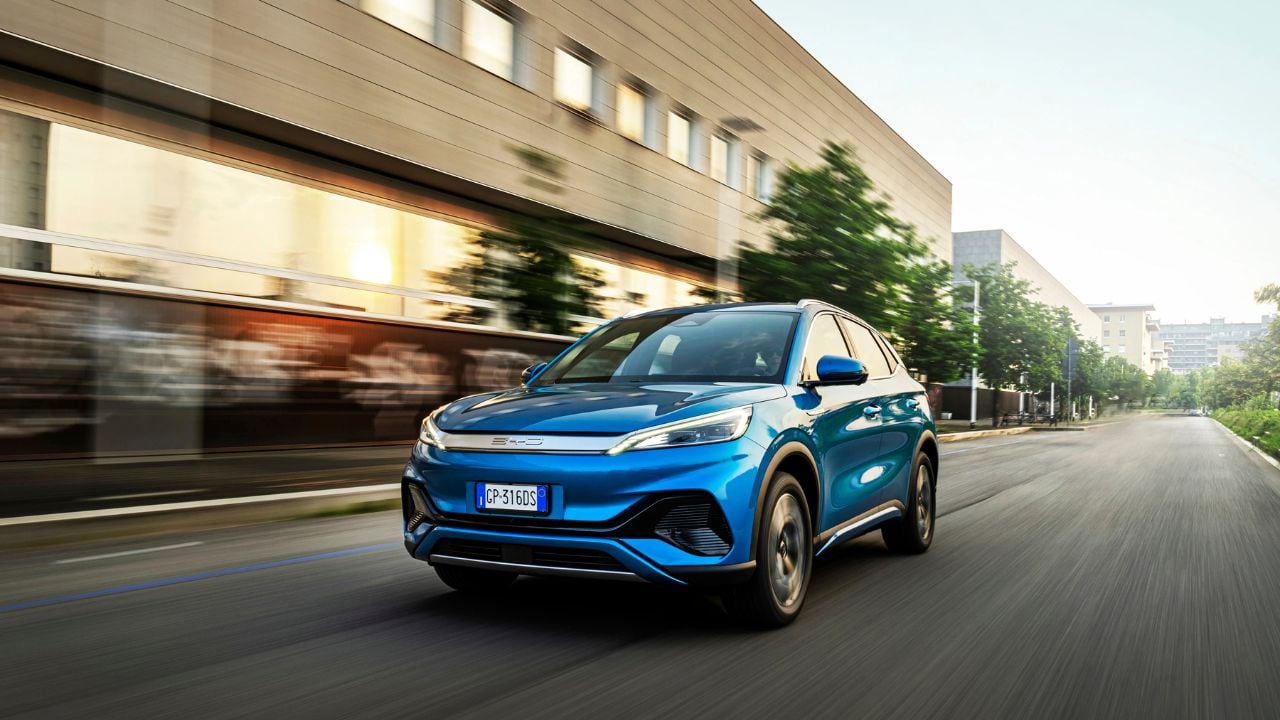
Jullien believes this could become an easy way out for companies that are losing ground in Europe. In his view, the danger is that European automakers may slowly hand over part of their EV future to Chinese partners.
That would protect some factories today, but it could weaken Europe’s own auto industry in the long run.
The question is no longer only whether Chinese cars will enter Europe. They are already here. The real question is whether Europe will help them build the industrial base needed to dominate the market tomorrow.
This article originally appeared on Autorepublika.com and has been republished with permission by Guessing Headlights. AI-assisted translation was used, followed by human editing and review.