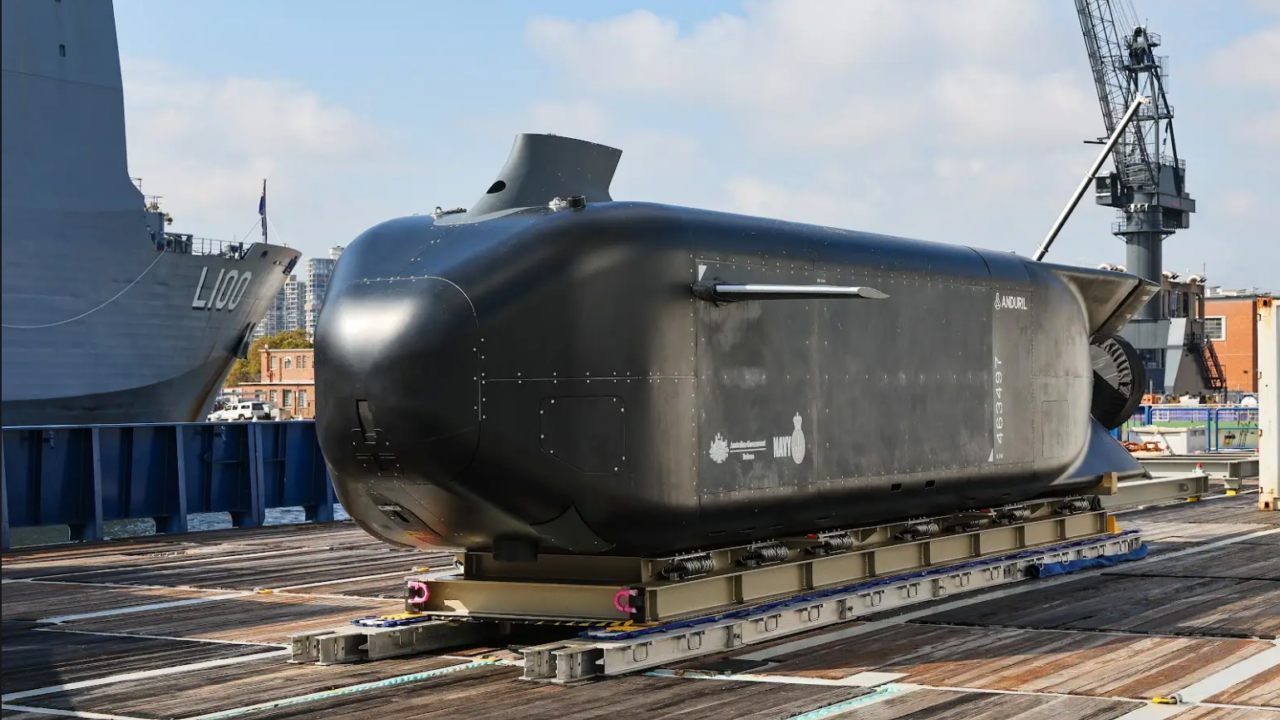
Autonomous vehicles are no longer limited to roads and skies. Defense technology company Anduril is now pushing heavily into unmanned undersea operations with the Dive-XL, an extra-large autonomous underwater vehicle designed to carry massive payloads across long distances while remaining fully submerged for weeks at a time.
The company describes the Dive-XL as a new generation of autonomous maritime platform capable of performing surveillance, intelligence gathering, strike missions, seabed mapping, and logistics support without requiring a human crew onboard. In simple terms, it functions like a long-haul underwater transport system built for military operations in contested waters.
Anduril says the vehicle has already completed a 100-hour single voyage, reportedly the longest mission yet achieved by a vehicle in its class. The company is now targeting a fully submerged 1,000-nautical-mile mission as part of its broader effort to prove the platform’s long-range capabilities.
The project arrives at a time when the United States and allied navies are increasingly focused on autonomous systems to offset the growing scale of China’s naval expansion. Rather than relying solely on expensive crewed submarines and warships, programs like Dive-XL aim to deploy large numbers of lower-cost unmanned platforms capable of operating persistently beneath the ocean surface.
Dive-XL Is Designed To Stay Hidden For Weeks
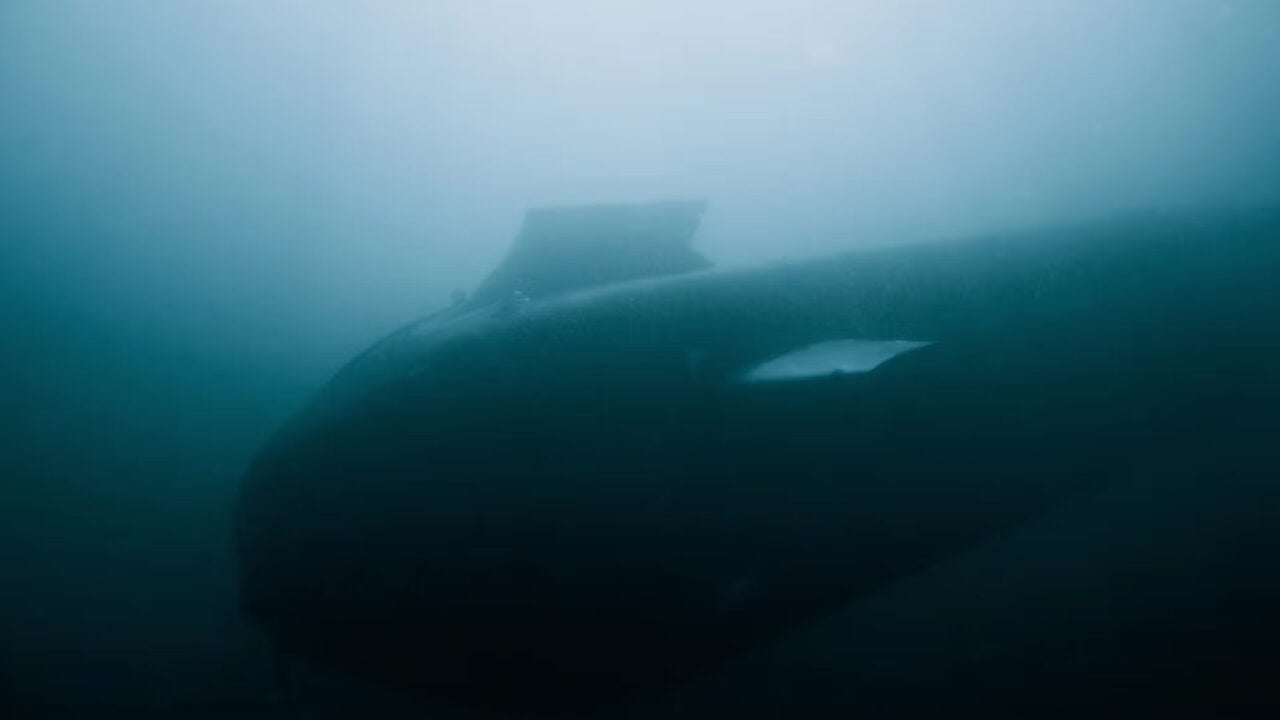
One of the vehicle’s biggest advantages is endurance. Unlike some hybrid underwater drones that periodically surface to recharge or communicate, the Dive-XL is designed to remain submerged for the entirety of its mission.
That capability dramatically improves survivability in hostile environments. The longer an autonomous underwater vehicle can stay hidden beneath the surface, the harder it becomes to detect, track, or intercept.
Anduril says the system is capable of operating for weeks without surfacing or human intervention. That opens the door for missions involving long-range reconnaissance, covert payload delivery, subsea surveillance, and distributed maritime operations far from traditional naval support infrastructure.
The company believes this type of persistent underwater autonomy will become increasingly important as naval warfare evolves and manned fleets become more vulnerable and expensive to operate.
The Platform Can Carry Different Payloads Depending On The Mission
Much of Dive-XL’s flexibility comes from its modular design. The vehicle uses interchangeable payload sections that allow operators to rapidly configure the platform for different types of missions without redesigning the entire system.
According to Anduril, the vehicle can support payloads ranging from communications equipment and surveillance sensors to strike capabilities and classified military systems. The architecture also supports third-party integration, allowing governments and defense contractors to develop custom modules for specific operational needs.
That adaptability is already being applied through the Royal Australian Navy Ghost Shark program, where Dive-XL technology is helping develop sovereign autonomous undersea capabilities for Australia.
The modular approach also makes the system more scalable and easier to upgrade over time. Instead of replacing entire submarines or underwater drones when technology evolves, operators can swap payload systems while keeping the core platform in service.
Anduril Wants To Build These At Scale
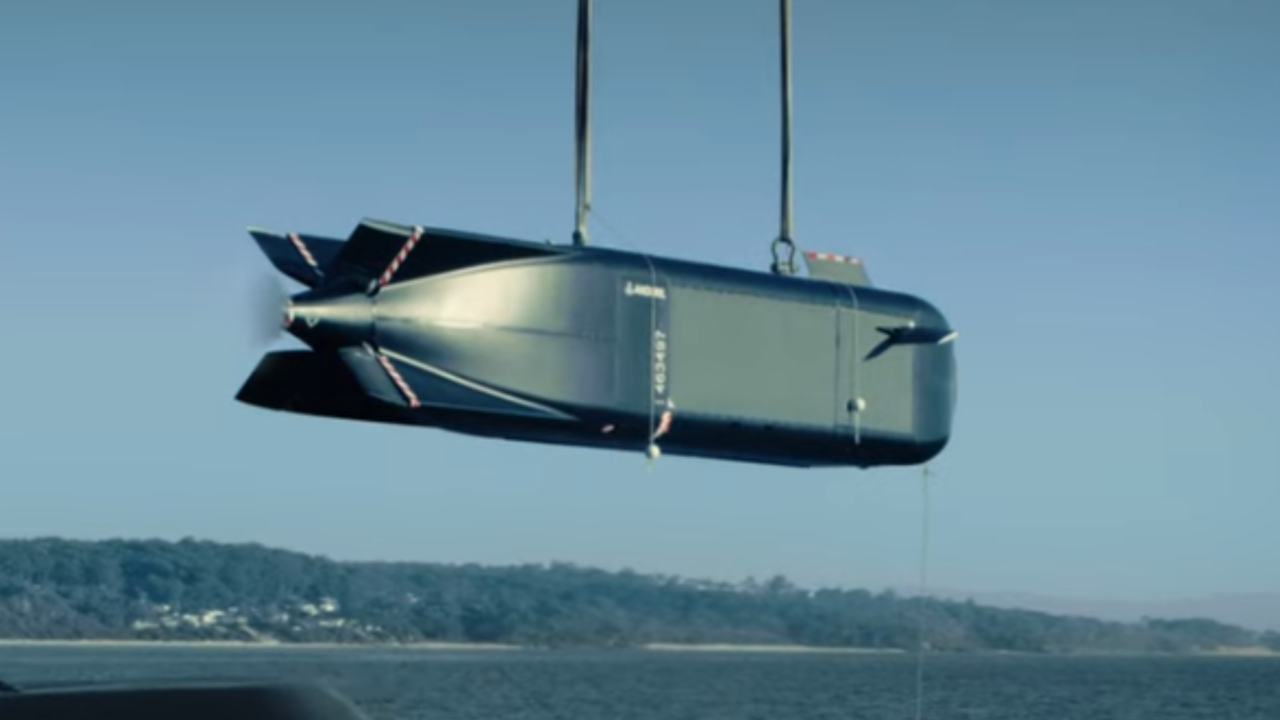
One of the biggest selling points behind Dive-XL is cost and manufacturability. Traditional submarines take years to build, require enormous budgets, and depend on highly specialized shipyard labor.
Anduril claims Dive-XL takes a radically different approach. The vehicle relies heavily on commercially available materials such as aluminum and fiberglass, while using smaller off-the-shelf pressure vessels for critical systems like batteries and navigation hardware.
The result is a system designed for mass production rather than boutique military manufacturing. The company says production can leverage portions of the commercial automotive workforce instead of relying entirely on specialized naval shipbuilders.
To support that goal, Anduril Industries has invested heavily in a Rhode Island production facility capable of producing dozens of Dive-XL vehicles annually, along with hundreds of smaller Dive-LD systems.
The U.S. Navy Is Already Interested
The platform recently gained additional momentum after the U.S. Defense Innovation Unit and the U.S. Navy selected Anduril to participate in the Combat Autonomous Maritime Platform project, better known as CAMP.
The initiative is focused on rapidly fielding extra-large autonomous underwater vehicles capable of carrying significant payloads across extended distances. Under the program, Anduril will conduct an operational demonstration of Dive-XL within months of contract award.
According to the company, its autonomous undersea systems have already accumulated more than 42,000 kilometers of operational travel and over 6,700 hours of mission time.
That level of real-world testing is important because autonomous naval systems remain a relatively new frontier compared with aerial drones or ground robotics. Reliability, endurance, navigation accuracy, and communication stability are all critical challenges for underwater autonomy.
Autonomous Naval Systems Are Becoming A Strategic Priority
The bigger strategic motivation behind projects like Dive-XL is driven by the fact that China now operates the world’s largest navy by ship count, while the United States and its allies face increasing pressure to modernize naval capabilities faster and more affordably.
Autonomous underwater systems offer one possible solution. Instead of attempting to match fleet size ship-for-ship with expensive crewed vessels, militaries can deploy large numbers of autonomous systems capable of surveillance, logistics support, electronic warfare, or even offensive operations.
Dive-XL represents part of that shift toward distributed maritime autonomy. It is not intended to replace submarines entirely, but rather to complement traditional naval forces with lower-cost systems that can operate in dangerous areas without risking crews.
If Anduril succeeds in scaling production and proving long-duration operational reliability, platforms like Dive-XL could eventually become as strategically important beneath the ocean surface as aerial drones have become in modern air warfare.