A fatal collision on one of Michigan’s most storied corridors has reignited a debate that cities across the country keep tripping over: what happens when bike infrastructure and heavy vehicle traffic share the same stretch of pavement and things go wrong.
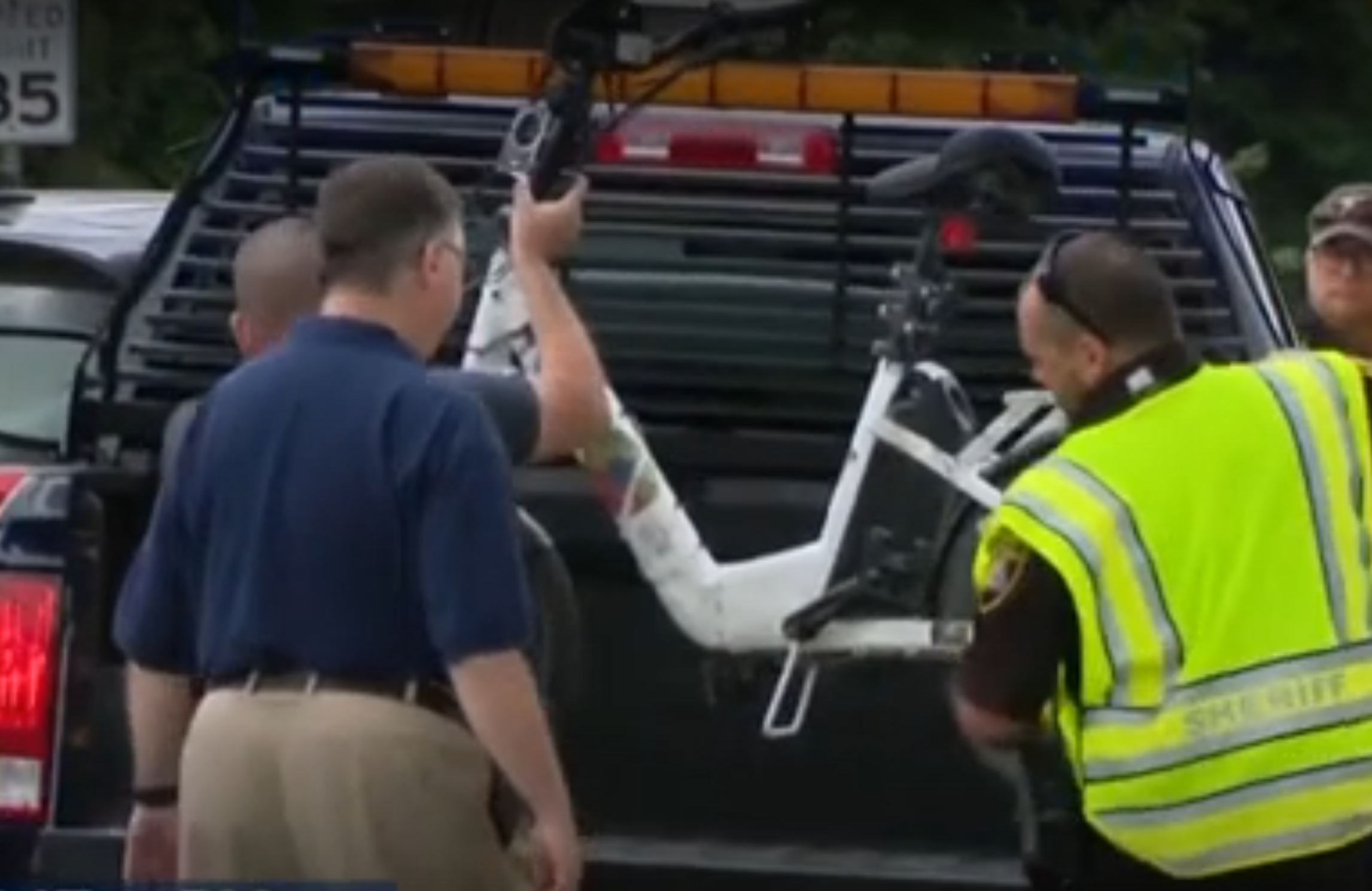
On Thursday afternoon, a 33-year-old Ferndale resident was killed on Woodward Avenue after an Oakland County Road Commission truck making a right turn into a vacant Tim Hortons parking lot struck the rider in the bike lane. The crash happened just before 1 p.m., and the rider was pronounced dead at the scene. Identity has not been released. Security camera footage from a nearby restaurant captured the moment of impact, with a witness describing the sequence plainly: the truck turned, and the cyclist simply wasn’t visible until it was too late.
The Oakland County Road Commission expressed condolences in a statement, noting that both their driver and the cyclist’s family are affected by the tragedy. Ferndale Police and the Road Commission are jointly investigating. What caused the driver to miss the cyclist, and whether the road design played a contributing role, remains under review.
What makes this crash particularly pointed is where it happened. Woodward Avenue is not a side street. It’s a landmark road that runs from Detroit’s riverfront straight north through Oakland County, named after Michigan’s first territorial governor and home to the Woodward Dream Cruise, one of the largest automotive events in the world. This isn’t a forgotten backroad. It’s a corridor with some real institutional weight, and apparently, some structural blind spots.
The Road Design That Has Residents Talking
Woodward in Ferndale features two-way protected bike lanes, including a lane running contra-flow, meaning against the direction of vehicle traffic. Add on-street parking to that setup and you’ve created a geometry that leaves cyclists partially obscured from drivers making turns. It’s a known tension in urban road design, and one that the community is not shy about naming right now.
Residents and social media commenters have pointed to the parked cars as a key problem, arguing that cyclists emerge from behind them at intersections in ways that leave almost no reaction time for turning drivers, especially those operating large vehicles with broader turning arcs and more limited sightlines. One commenter called the corridor’s design “a video game feel with real life consequences,” which is a harsh line, but not exactly a mysterious one given the geometry involved.
Why Large Vehicles and Bike Lanes Are a Particularly Difficult Combination
Commercial and municipal trucks operate under very different visual constraints than passenger cars. Wide cabs, long wheelbases, and high ride heights all contribute to blind zones that passenger car drivers simply don’t contend with at the same scale. Right-hand turns are among the most dangerous maneuvers for large vehicles in urban environments, a well-documented issue in traffic safety research. Cyclists, particularly those on narrower electric bikes, can disappear into those blind zones entirely, even in marked and protected lanes.
Electric bikes have grown considerably in popularity over the past several years, and they introduce another variable: speed. An e-bike rider traveling at 20 mph covers ground faster than a driver may expect from a traditional cyclist, narrowing the window for a turning driver to register and react.
What Comes Next for Woodward
Residents have suggested removing on-street parking along the corridor as one concrete fix, arguing that the current layout creates a false sense of security. Protected lanes marked on pavement don’t do much if the protection ends at the intersection, where most serious bike crashes occur. Others have called for better signage, visibility improvements at turn points, and deeper review of the road diet configuration overall.
The Road Commission and Ferndale Police have not yet indicated whether any design changes are under consideration pending the investigation’s outcome. But the conversation is already well underway at the neighborhood level, and given that this stretch of Woodward carries a meaningful volume of both commercial traffic and cyclists, it’s unlikely to quiet down soon.