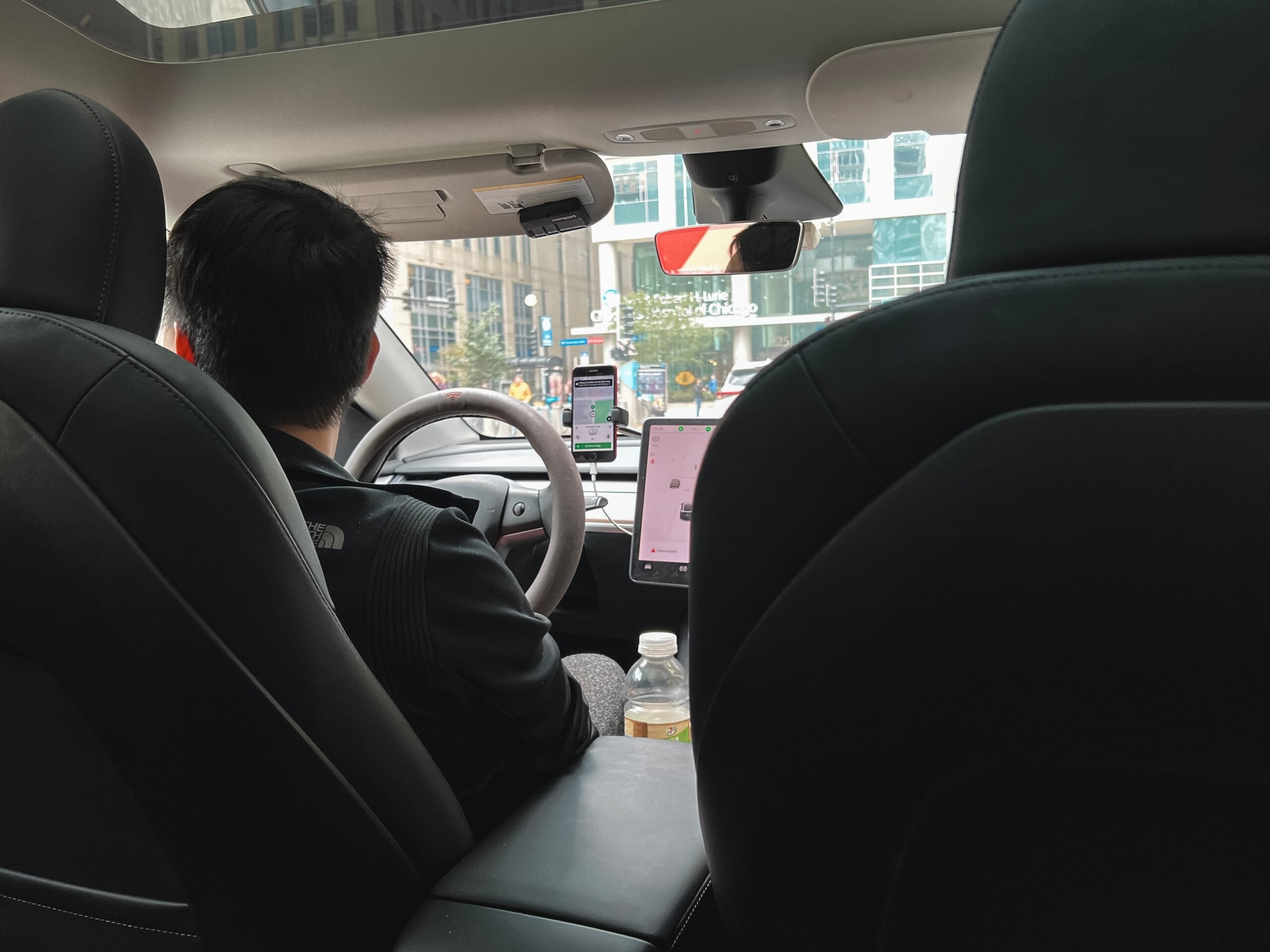
Job interviews have always been a performance. You wear the right clothes, rehearse your talking points, and try to exude just the right mix of confidence and humility. But what if the interview started the moment you stepped into your Uber? That’s exactly what Duolingo found out, and the hiring world is buzzing about it.
The language-learning giant recently made headlines after revealing that it had quietly factored in taxi driver feedback when evaluating candidates for a senior-level role. Hiring managers went through the standard motions: reviewing applications and cover letters, conducting phone screenings, and asking all the predictable questions about career goals and skill sets. But behind the scenes, they were also gathering intel on how candidates treated the person who drove them to the building.
In at least one documented case, a candidate who looked great on paper and performed well in the formal interview lost the job offer after the company learned how they had spoken to their driver. The implication was clear: if someone treats a service worker poorly when they think no one important is watching, that behavior is likely to resurface in the workplace, particularly toward people in junior or subordinate roles.
It sounds clever, maybe even brilliant. But the more you pull at the threads of this strategy, the more complicated it gets. Is checking in with a taxi driver an innovative way to cut through interview theater, or is it a questionable move that raises serious ethical and practical concerns? The answer, it turns out, is a little bit of both.
Why Companies Are Desperate to See the “Real” Candidate

The frustrating reality of hiring is that job interviews are uniquely bad at revealing who someone actually is. People know they are being evaluated, so they behave accordingly. Research has consistently shown that candidates pour enormous energy into impression management during interviews, projecting warmth, competence, and enthusiasm that may or may not reflect their day-to-day personality.
This is the core problem Duolingo was trying to solve. If a candidate knows they are on stage, they will act the part. But if they are just riding in a car, making small talk (or refusing to), reacting to a slow driver or a wrong turn, that moment of unawareness might give a much truer picture of who they are.
This logic also drives why many companies quietly audit candidates’ social media accounts. People tend to post more candidly when they do not think future employers are scrolling through their history. The taxi test and the LinkedIn deep-dive are really the same idea in different packaging: find a window into the person that bypasses the interview performance.
The Problems With Testing People Without Telling Them
Here is where things get thorny. There are real ethical questions about using information gathered from a context the candidate never consented to be evaluated in. Most job seekers understand, at least implicitly, that their resume, their answers, and their professional references are all fair game. Very few would expect that the stranger behind the wheel is also part of the process.
Beyond consent, there is the question of what the taxi driver is actually measuring. A candidate on their way to a major interview may be nervous, sleep-deprived, mentally rehearsing their answers, or scrambling because their train was delayed. Under those conditions, someone might come across as distracted or short rather than genuinely rude. A candidate who stays quiet and reviews their notes in the backseat might simply be introverted, not unkind.
There is also the question of consistency. A single taxi ride is a narrow sample of someone’s behavior, taken during one of the most stressful moments of a professional interaction. Using it to make a definitive judgment about character is a bit like judging someone’s driving skills based on how they merge in a construction zone.
What Research Actually Says About Faking Friendliness

Here is an interesting wrinkle: the science suggests that Duolingo may be trying to solve a problem that is not quite as big as they think. While people absolutely do try to manage their image during job interviews, using tactics like flattery, strategic name-dropping, or carefully crafted humility, research indicates that these tactics often do not work as well as candidates hope.
That is because people are generally pretty good at spotting insincerity. An interviewer who has been hiring for years can often sense when someone is performing rather than connecting. Candidates who spend the entire interview talking about their own accomplishments without asking questions, expressing curiosity, or acknowledging the interviewer’s perspective tend to reveal themselves without any covert evaluation needed.
Interestingly, research also shows that candidates who talk about hard work alongside their achievements come across as more credible and relatable than those who only emphasize talent. Most people instinctively understand that success involves effort, and candidates who skip that part of the story can seem out of touch or dishonest.
The upshot is that a well-conducted interview with an experienced hiring manager is already a fairly effective tool for separating the genuinely warm candidate from the one who is just good at performing warmth for an hour.
What This Hiring Story Teaches Us About Authenticity and Workplace Culture
Whatever you think of Duolingo’s approach, it touches on something worth taking seriously: character and culture fit genuinely matter, and the way people treat those with less power than them is one of the most reliable indicators of who they are.
Managers who are rude to support staff, dismissive of junior employees, or impatient with service workers tend to create toxic environments. The research on this is pretty robust. So the instinct behind the taxi test is not unreasonable, even if the method is imperfect.
The bigger lesson for job seekers might simply be this: behave as if you are always being observed, not because you are necessarily being watched, but because the version of you that is kind to a taxi driver on a stressful morning is the version of you worth being. And the bigger lesson for hiring managers might be that the best tool they have is still a genuine, well-designed conversation, maybe over a cup of coffee, that gives a candidate room to reveal who they actually are.