Homeowners in Annapolis are being fined hundreds of dollars for something most drivers would never think twice about: parking in their own driveways.
CarScoops revealed that several residents have recently received fines of up to $200 after leaving their vehicles either partially blocking the sidewalk or positioned in a way that obstructs their own driveway.
For many, the situation came as a complete surprise. Some of those affected say they have parked in the exact same way for decades without ever receiving a warning, let alone a fine. In one neighborhood, multiple households were reportedly ticketed on the same day, creating confusion and frustration among residents.
The issue highlights how a relatively small detail in parking position can suddenly carry significant consequences, especially as enforcement becomes stricter.
The Reasoning Behind the Fines
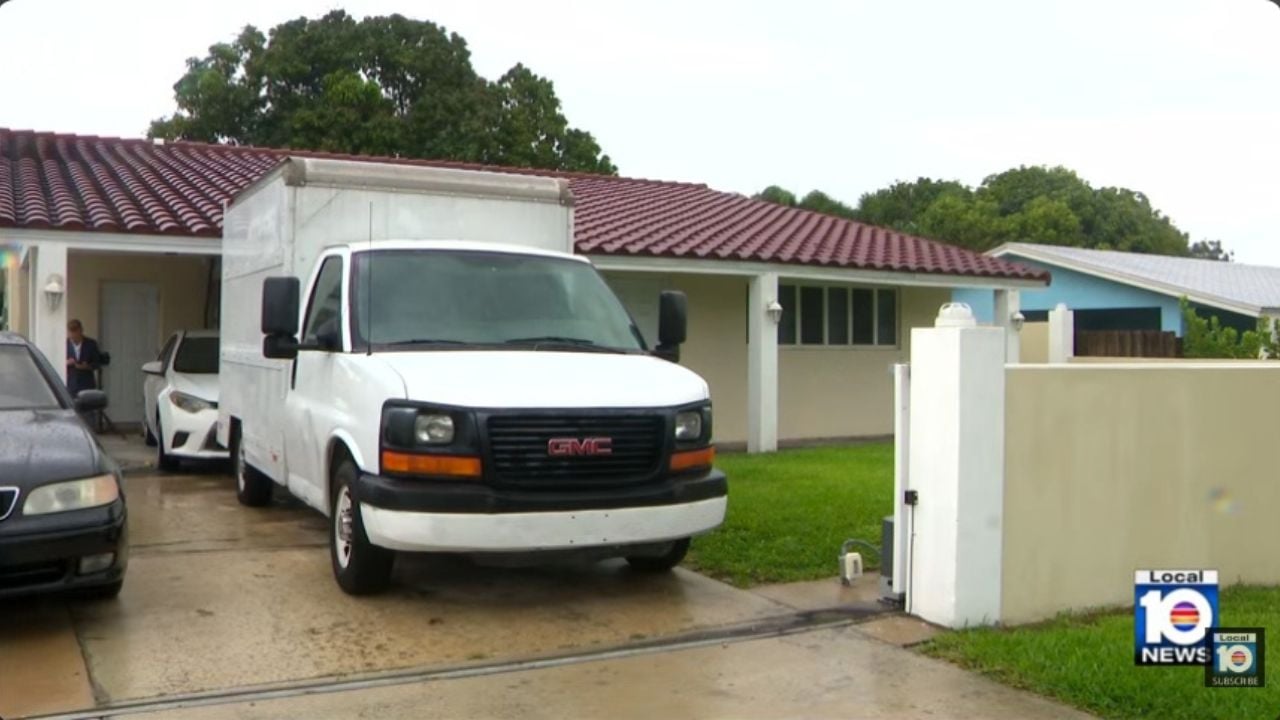
The fines appear to fall into two main categories. The first involves drivers parking on the street in front of their own driveway in a way that technically blocks access. Even though the vehicle belongs to the homeowner, this is still considered a violation under local rules.
The second, and more controversial issue, involves vehicles parked in driveways that extend slightly over the sidewalk. Even a small overhang can trigger a citation, as sidewalks must remain fully clear for pedestrians.
This has become a growing problem in modern neighborhoods where vehicles are getting larger, but driveways have not changed in size. Full-size pickup trucks, SUVs, and long-wheelbase crossovers often struggle to fit entirely within older residential driveways.
As a result, even careful parking can lead to a portion of the vehicle crossing into the sidewalk space. In Annapolis, that small detail is now enough to result in a hefty fine.
Some residents have reported fines exceeding $300 in certain cases, depending on the specific violation or repeat offenses.
Neighbor Complaints

One of the more surprising aspects of the situation is how enforcement appears to be spreading.
According to local officials, including the city’s mayor, the increase in fines may not be part of a coordinated citywide crackdown. Instead, it could be driven by complaints from residents themselves.
When someone reports a parking issue in their neighborhood, enforcement officers are sent to investigate. While there, they may issue tickets for any violations they observe, not just the original complaint.
This means that a single report can lead to multiple fines across a street or cul-de-sac, even for long-standing parking habits that previously went unnoticed.
The result is a patchwork of enforcement, where some neighborhoods see a sudden spike in fines while others remain unaffected. For residents, this inconsistency adds to the frustration, as it can feel unpredictable and unfair.
Appeals Are Rejected

Several residents have attempted to challenge the fines, but many say the process has not been successful.
In some cases, initial appeals have been rejected outright, with drivers left to either pay the fine or continue pursuing further appeals with no guarantee of success.
This has left homeowners feeling stuck. Even if they believe the rule is overly strict or unfairly enforced, there are limited options for recourse.
Adding to the frustration is the lack of a clear solution. For drivers with larger vehicles, simply adjusting how they park may not fully resolve the issue. If the driveway itself is too short, avoiding any sidewalk overhang can be difficult or impossible.
Parking on the street is not always a viable alternative either, especially if it leads to additional restrictions or risks of blocking access.
The situation in Annapolis serves as a reminder that parking rules can be more complex than they appear. Many drivers assume that parking on private property gives them complete freedom, but local regulations often extend to how vehicles interact with public spaces like sidewalks and roadways.
As enforcement increases, even long-standing habits can suddenly become costly mistakes. For residents in Annapolis, the message is clear. Parking in your own driveway is no longer as simple as it once seemed. Small details such as vehicle length and positioning now matter more than ever.
For drivers elsewhere, it may be worth double-checking local regulations before assuming that familiar parking habits are still safe.
What seems like a harmless routine could, under the right conditions, result in an unexpected fine.