
Ford’s lineup has seen some incredible vehicles come and go over the decades, and while progress means moving forward, sometimes we can’t help but look in the rearview mirror with a bit of nostalgia. The Blue Oval has discontinued some genuinely compelling models that solved real problems for drivers or simply brought joy to the open road.
With today’s technology and Ford’s engineering prowess, bringing back certain nameplates could fill gaps in their current lineup while rekindling that emotional connection enthusiasts crave.
Whether it’s practicality, performance, or pure driving pleasure, these twelve discontinued models deserve another shot at winning over American drivers.
Ford Ranger Splash
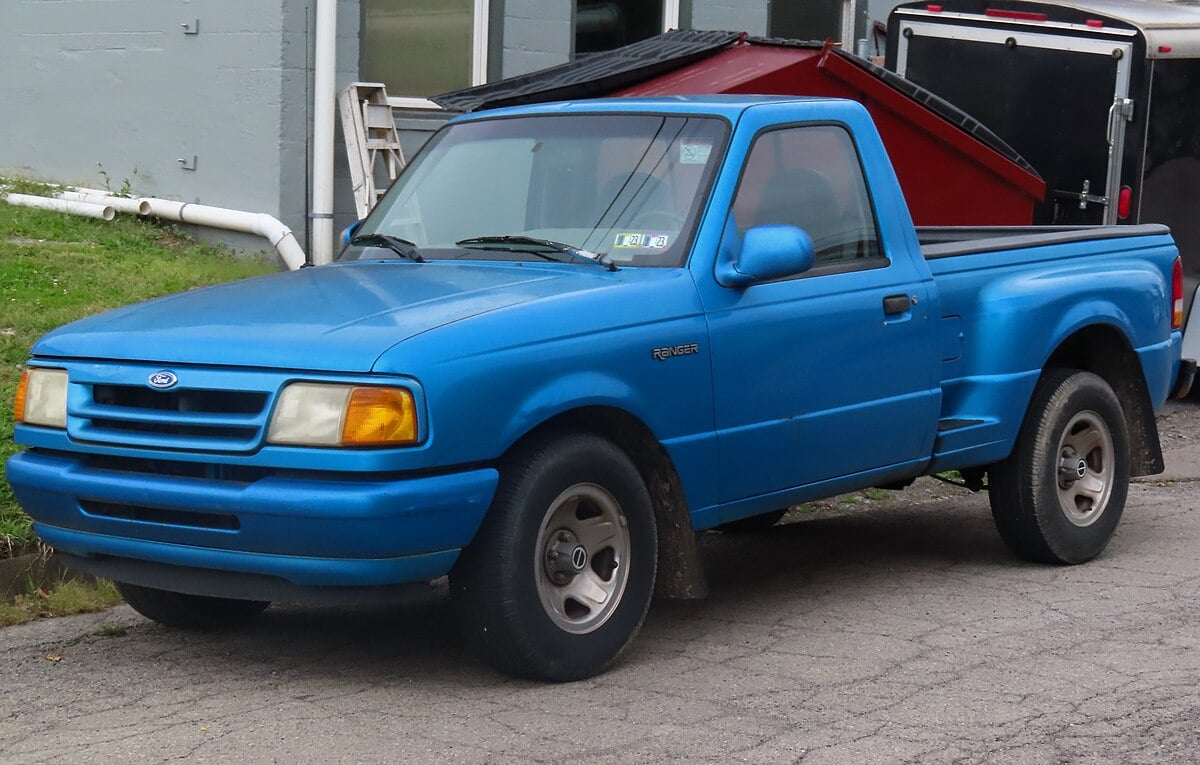
Remember when compact trucks had personality? The Ranger Splash brought style to the small truck segment with its distinctive two-tone paint, special graphics, and stepside bed that turned heads at every stoplight.
This wasn’t just about looks though — it offered the practicality of a Ranger with enough visual flair to make it feel special. Today’s midsize truck market is booming, but most offerings play it pretty safe in the design department. A modern Splash could capture younger buyers who want their truck to stand out from the sea of sameness, eespecially if paired with one of Ford’s current turbocharged four-cylinder options.
Plus, with the popularity of heritage editions across the automotive landscape, the Splash name is sitting there waiting for its second act.
Ford Excursion

The Excursion was unapologetically massive, and for families who genuinely needed that much space, nothing else quite measured up. Built on a Super Duty chassis, this beast could tow up to about 11,000 pounds when properly equipped (ratings varied by engine and configuration) while seating up to nine people, making it the ultimate solution for large families with boats, RVs, or just a lot of gear.
Sure, fuel economy wasn’t its strong suit, but that’s where a modern revival gets interesting—imagine an Excursion with Ford’s current PowerBoost hybrid V6 or even the 3.0-liter Power Stroke diesel. The Expedition maxes out at eight passengers, leaving a genuine gap for customers who need that extra space without jumping to a conversion van.
In an era where three-row SUVs are everywhere, bringing back the king of full-size SUVs could capture a dedicated niche that’s currently underserved.
Ford Probe

The Probe deserves recognition beyond its unfortunate name—this was Ford’s sporty coupe that brought Mazda engineering and distinctive styling to buyers seeking something different.
Based on the Mazda MX-6 platform, the Probe offered engaging handling and available V6 power that made it a credible alternative to pricier sports coupes. With coupes making something of a comeback and Ford’s partnership with Mazda now history, a modern Probe could showcase Ford’s own platform engineering. Picture a sleek, affordable coupe based on the Mustang’s architecture but positioned as a more practical sports car with better visibility and everyday usability.
The enthusiast market is hungry for accessible performance cars, and the Probe name — controversial as it may be — carries recognition that could translate into showroom traffic.
Ford Ranchero
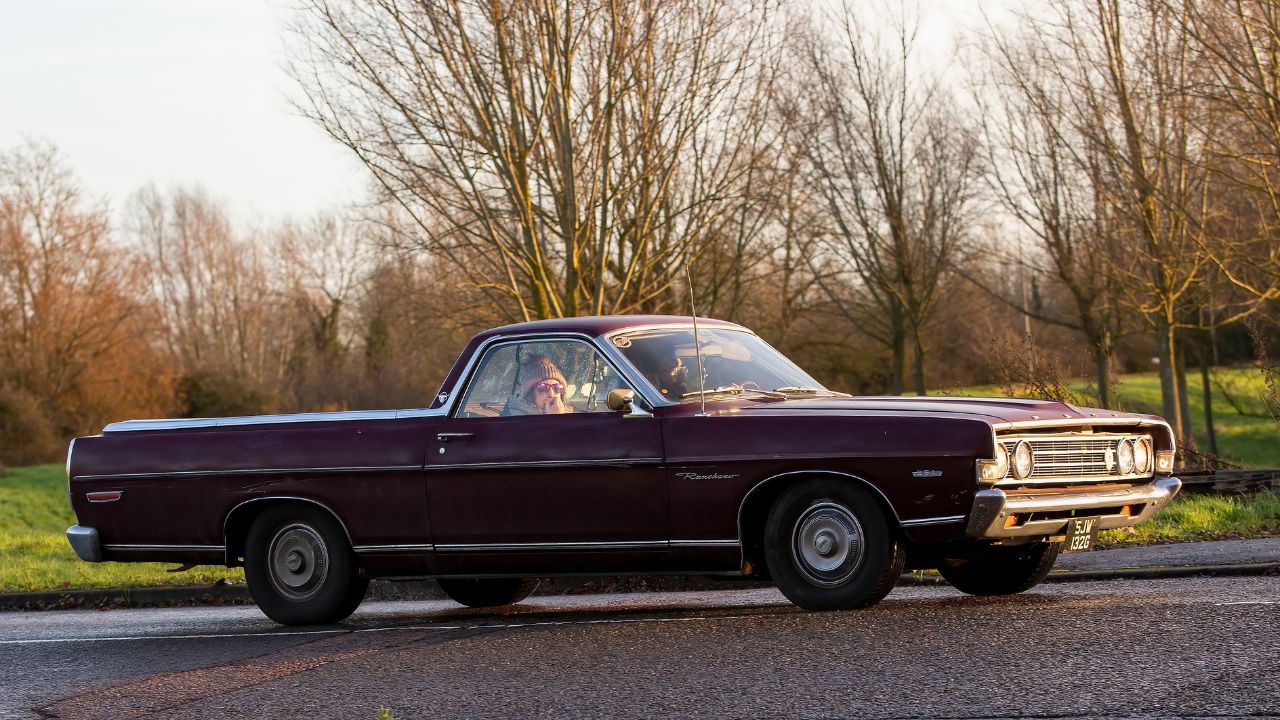
The Ranchero invented the car-truck mashup decades before crossovers made versatility cool, offering sedan comfort with genuine cargo-hauling capability.
This wasn’t some compromise vehicle — it was genuinely good at being both a comfortable daily driver and a useful utility vehicle for weekend projects. Today’s truck market has gone upscale and upsized, leaving room for something more efficient and car-like that still handles the basics. A modern Ranchero built on the Fusion’s platform (or even better, as an electric vehicle) could appeal to urban dwellers who occasionally need to haul mulch or furniture but don’t want a full-size truck sitting in their parking space.
With the Maverick proving that smaller, more efficient trucks resonate with buyers, the Ranchero could take that concept even further into car territory.
Ford Bronco II
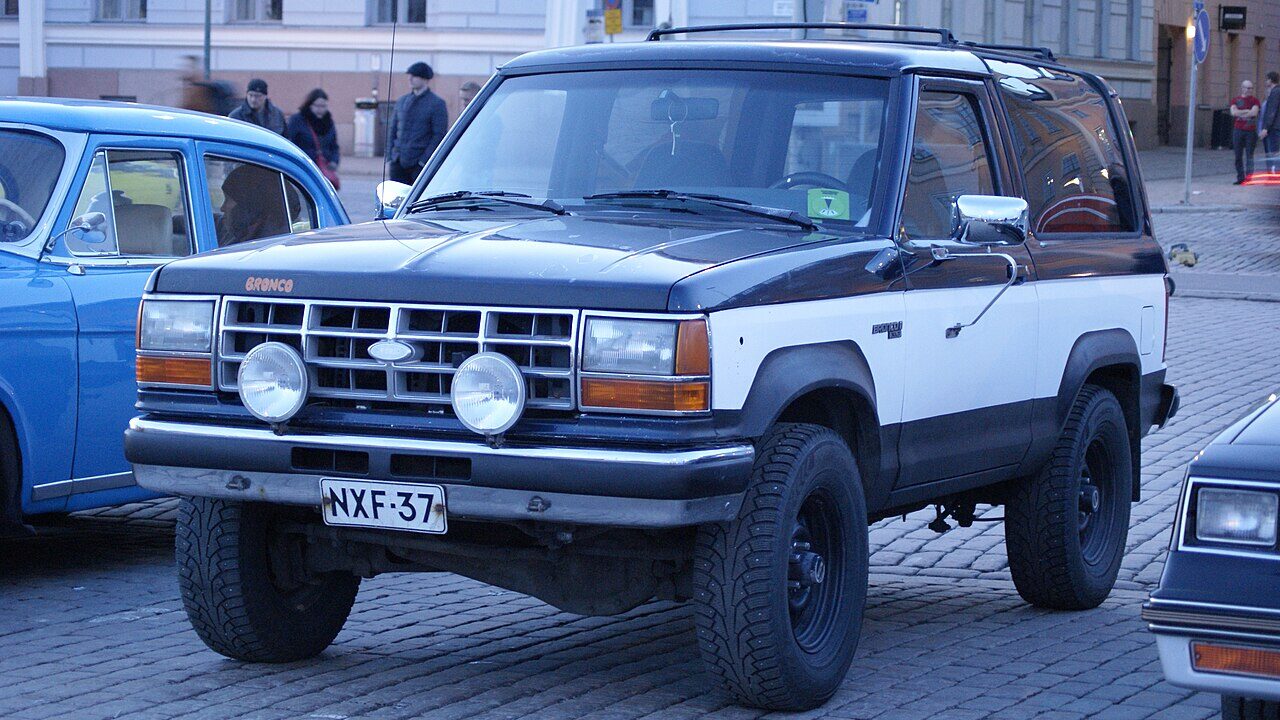
Before the Bronco Sport arrived, there was the Bronco II—a compact SUV that brought the Bronco attitude to a more manageable size and price point. While it had its quirks, the Bronco II sold well because it offered genuine off-road capability and utility without the full-size Bronco’s bulk or fuel consumption.
Now here’s the thing: the Bronco Sport is great, but it’s fundamentally a crossover built on the Escape platform. A true Bronco II revival would be something different — think body-on-frame construction and mechanical simplicity, that extreme enthusiasts appreciate. Slot it between the Bronco Sport and the full-size Bronco as a Jeep Wrangler alternative with two doors and serious off-road credentials.
The market has proven there’s demand for multiple sizes of body-on-frame SUVs, and Ford could own another segment.
Ford Crown Victoria
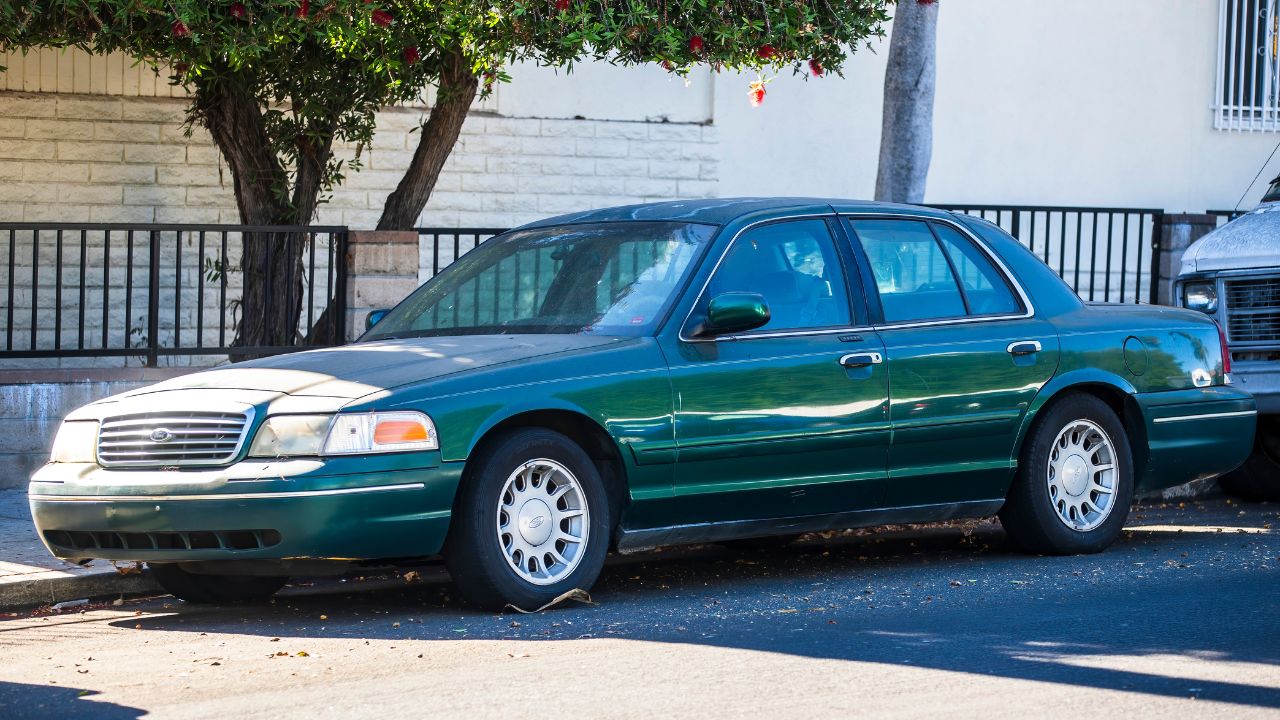
The Crown Vic was the last of a dying breed — a full-size, body-on-frame, V8-powered sedan that felt substantial in a way modern unibody cars simply don’t.
Police departments, taxi fleets, and traditional sedan buyers loved it for its durability, spaciousness, and straightforward engineering that racked up miles without drama. While the sedan market has contracted, there’s still demand for large, comfortable cars, especially among older buyers who find crossovers harder to get in and out of. A modern Crown Victoria built on Ford’s new electric vehicle platforms could offer the spaciousness and ride quality of the original with zero emissions and lower operating costs.
Think of it as Ford’s answer to the Lucid Air or Mercedes EQS, but more accessible and distinctly American in character—that’s a formula that could work.
Ford Thunderbird

The Thunderbird name carries serious heritage, from the original two-seaters that defined personal luxury to the retro revival that proved nostalgia sells.
While that 2002 comeback didn’t sustain momentum, the concept of an elegant, distinctive Ford coupe or convertible still has merit in today’s market. What made the Thunderbird special was that it wasn’t trying to be a muscle car — it was about style, comfort, and a more refined driving experience. A new Thunderbird could be Ford’s electric grand tourer, positioned as an electric grand tourer with comfort-focused tuning with distinctly American design language and comfort-focused tuning.
The challenge would be differentiating it enough from the Mustang while justifying its existence, but with the right execution, the Thunderbird could attract buyers who want something sophisticated and special.
Ford Flex

The Flex was polarizing in the looks department, but buyers who got past its boxy styling discovered one of the most practical three-row vehicles on the road.
That distinctive shape wasn’t just for show — it translated into genuinely impressive interior space, particularly in the third row where adults could actually sit comfortably. The Flex offered something you can’t get anymore: a roomy, car-based crossover that didn’t pretend to be a rugged SUV but instead embraced being a family hauler. With the available EcoBoost V6, it was legitimately quick too. Today’s market is filled with three-row crossovers that all look like melted jellybeans, so there’s room for something with the Flex’s distinctive personality and superior space efficiency.
Give it Ford’s latest hybrid powertrains and modern tech, and you’d have a practical people-mover that parents would actually enjoy driving.
Ford Fiesta ST
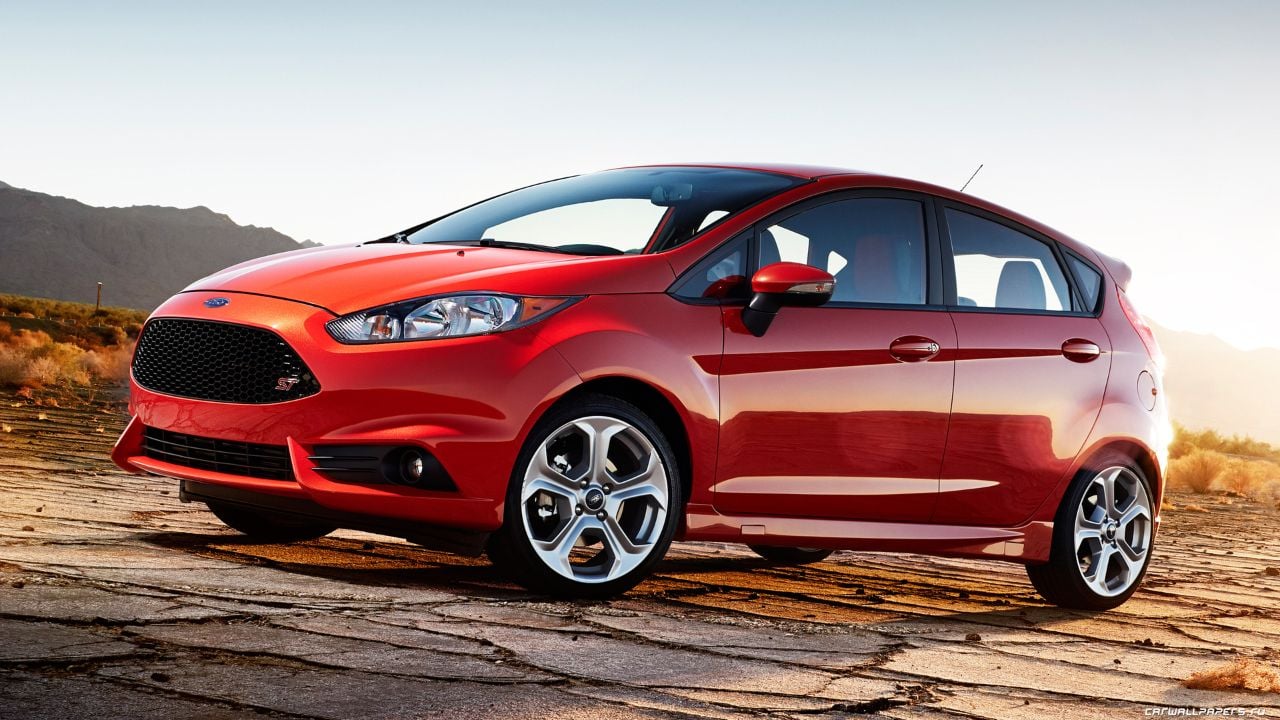
The Fiesta ST was an absolute riot — a subcompact hot hatch that delivered legitimate driving thrills at an accessible price point. With its turbocharged 1.6-liter four-cylinder making 197 horsepower and chassis tuning that prioritized fun over everything else, the Fiesta ST felt faster than its numbers suggested.
You could drive it hard without risking your license, and that’s increasingly rare in a world of 400-horsepower family sedans. Ford pulled the Fiesta from the US market entirely, leaving enthusiasts with nothing below the Focus ST (which also got discontinued) or the much pricier Mustang. A new Fiesta ST could be Ford’s answer to the GR Corolla and Civic Type R at the more affordable end of the performance spectrum.
Yes, small cars struggle in America, but enthusiasts keep proving they’ll support affordable, fun cars that deliver on their promises.
Ford Lightning
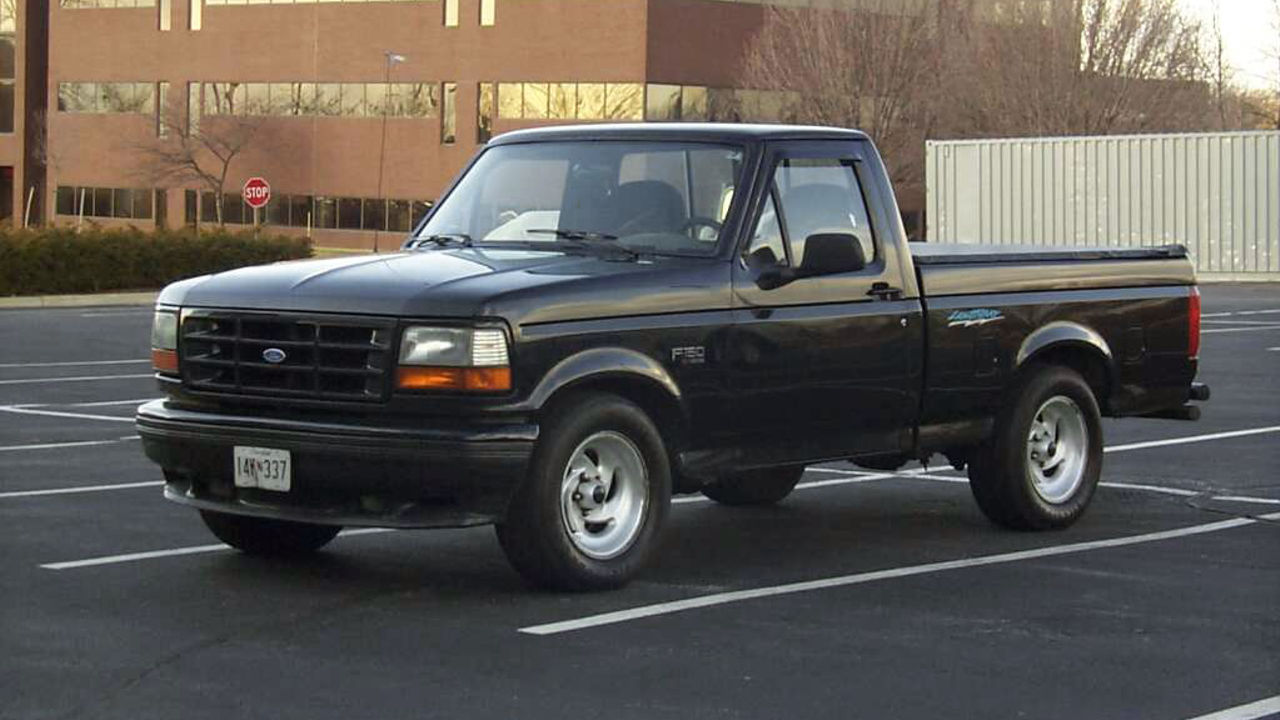
Long before the F-150 Lightning became an electric truck, it was SVT’s supercharged street truck that dominated stoplight races across America.
The original and second-generation Lightning trucks packed serious power — the final version made 380 horsepower from a supercharged 5.4-liter V8 — and looked mean doing it. These weren’t just fast in a straight line either; SVT upgraded the suspension and brakes to handle the power. With Ram offering the TRX and Ford having the Raptor for off-road performance, there’s an opening for a street-focused performance truck that prioritizes acceleration and handling over rock-crawling. Call it the Lightning ST or give it a new name, but imagine an F-150 with the Mustang GT500’s supercharged V8 and track-tuned suspension.
Truck buyers have proven they’ll pay premium prices for special editions, and a proper street truck would stand out in any lineup.
Ford Aerostar
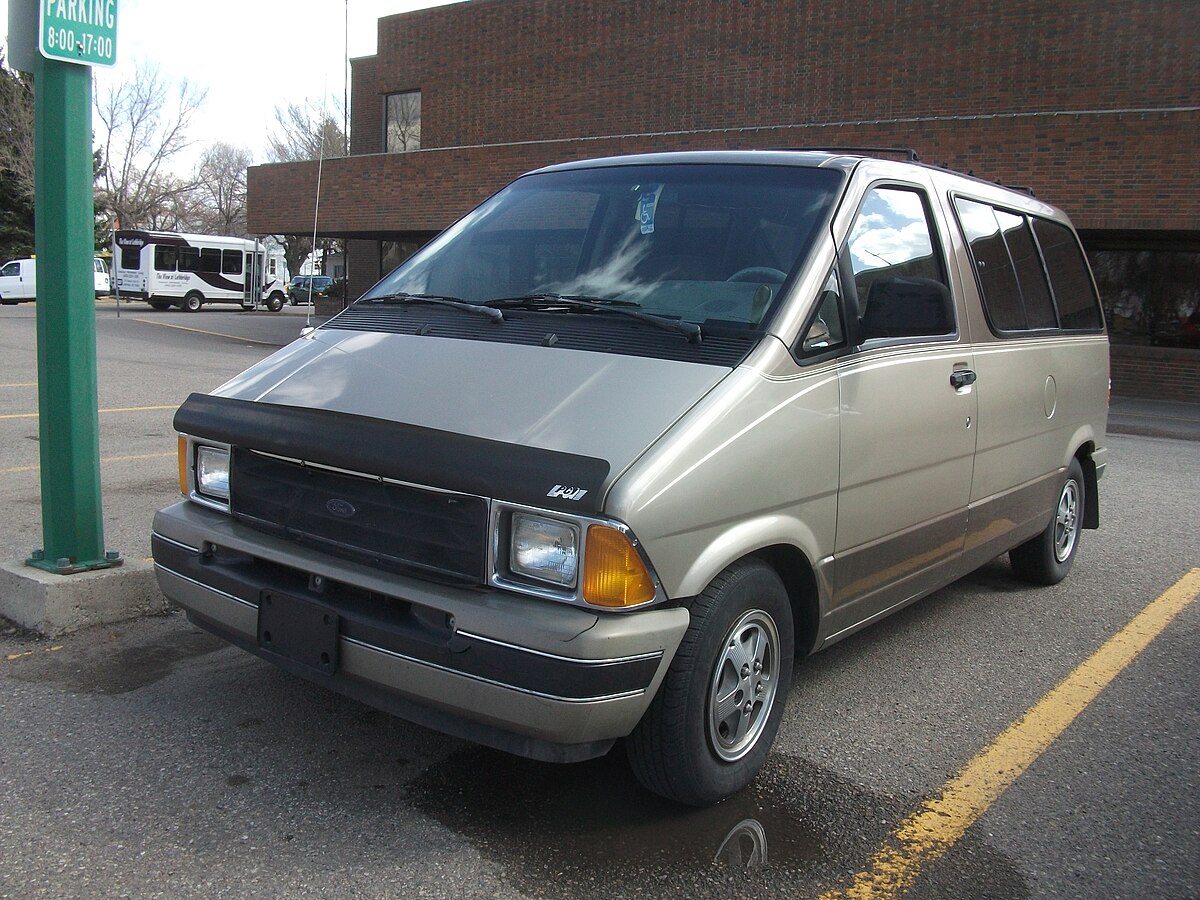
The Aerostar was ahead of its time — a rear-wheel-drive minivan that could actually tow and handle winter weather better than its front-drive competitors.
While it never achieved the sales numbers of the Chrysler minivans or Toyota Sienna, the Aerostar carved out a following among buyers who needed van practicality with truck-like capability. Ford currently has no minivan at all, ceding that entire market to competitors despite minivans still selling in the hundreds of thousands annually in the US. A modern Aerostar could differentiate itself by offering available all-wheel drive, serious towing capacity using the Transit’s rear-drive architecture, and perhaps even a PowerBoost hybrid powertrain.
Families who’ve grown tired of cramped three-row crossovers might appreciate the honest practicality of a well-executed minivan, especially one that doesn’t sacrifice capability for style.
Conclusion
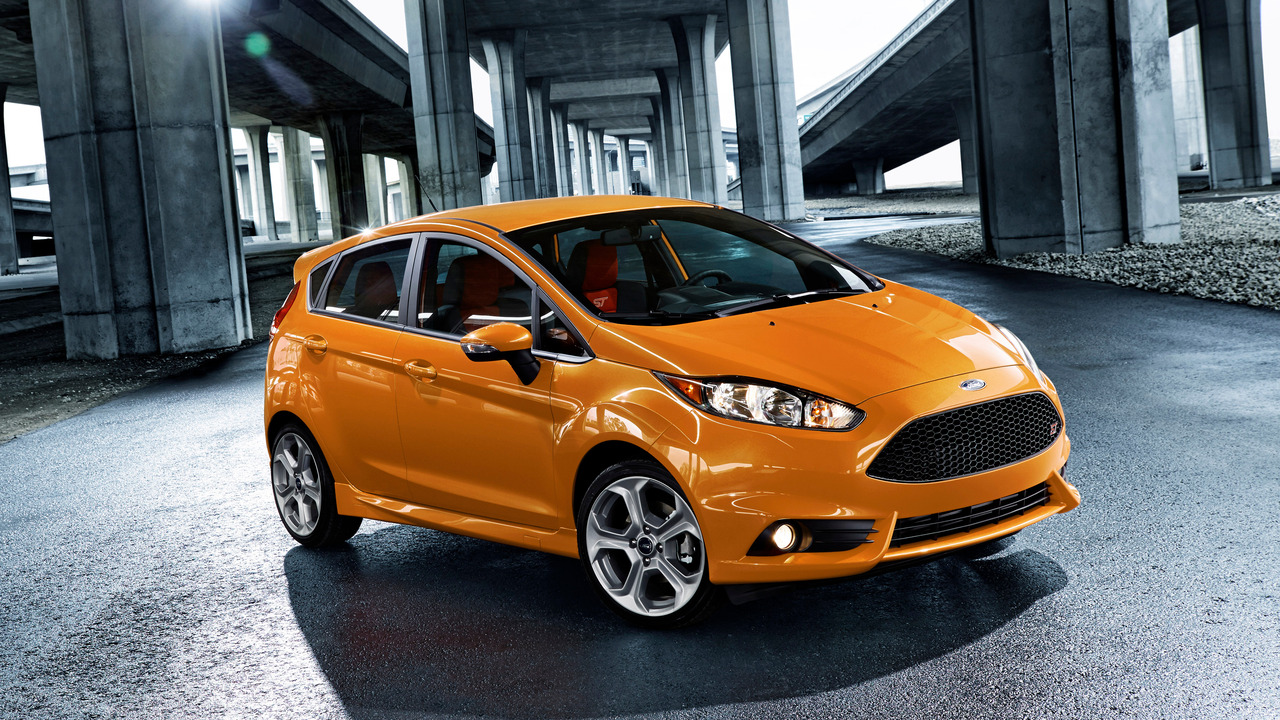
Looking back at Ford’s discontinued models reveals more than just nostalgia — it highlights real opportunities in today’s automotive market. Each of these vehicles served specific purposes or captured something special that resonated with drivers, from the Excursion’s unmatched family-hauling capacity to the Fiesta ST’s pure driving joy.
Modern technology, especially in electrification and efficiency, could address many of the limitations that led to these models’ original discontinuation while preserving what made them special. The question isn’t whether Ford could bring these back, but whether the business case supports reviving nameplates that already have built-in recognition and enthusiast support.
Sometimes the best way forward involves reaching into the past for inspiration.