Remember when your favorite band from high school got back together for a reunion tour, and it just wasn’t the same? That’s basically what happened to some of the most legendary cars from automotive history. These vehicles were absolute icons in their heyday, turning heads and dominating conversations at every stoplight.
But when automakers decided to revive these nameplates decades later, something got lost in translation. Whether it was watered-down styling, compromised performance, or just a complete misunderstanding of what made the original special, these comebacks left enthusiasts wondering if some legends are better left in the past.
Of course, we love some of these newer models, but we have to admit the original magic is missing.
Ford Thunderbird (2002-2005)
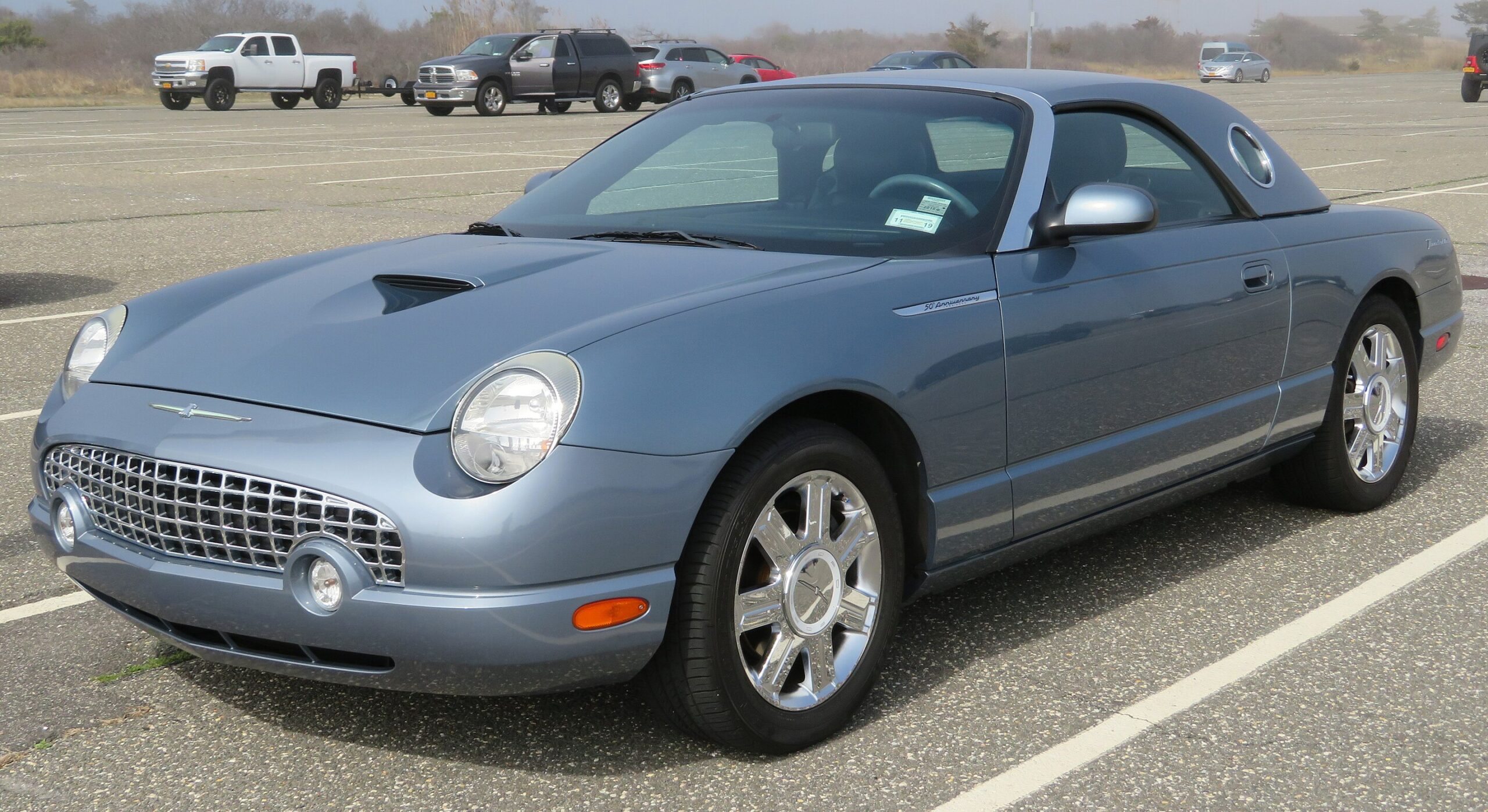
The original Thunderbird was a sleek, powerful personal luxury car that defined cool in the 1950s and 60s. When Ford brought it back in 2002 with retro styling and a V8, it looked cute but drove like a rental car with portholes.
The modern T-Bird felt more like a conversation piece than a driver’s car, lacking the sophistication and performance credibility that made the original a legend.
Dodge Challenger (2008-2014, Pre-Refresh)
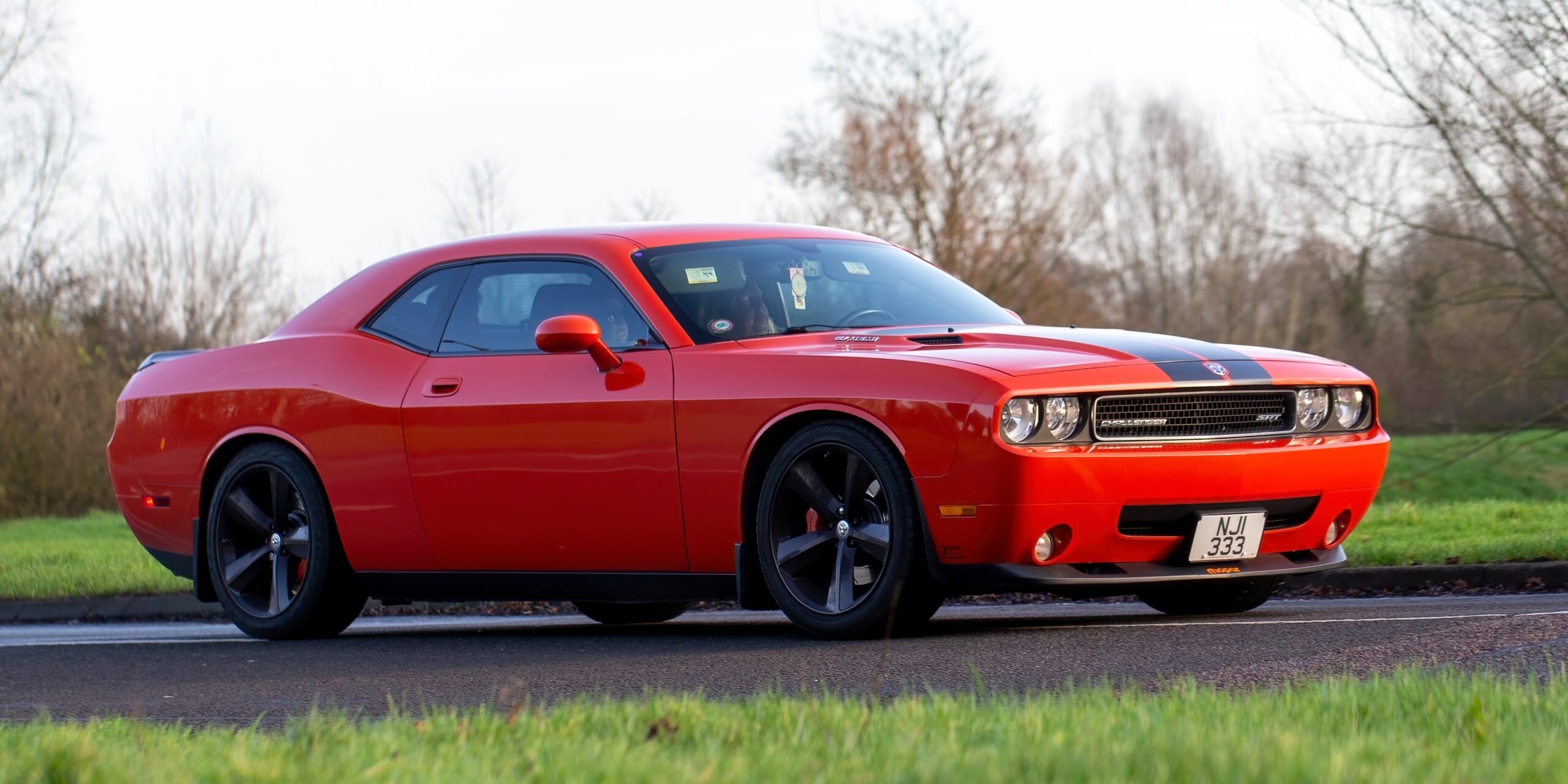
The 1970 Challenger was pure muscle car aggression, relatively compact and nimble for its era. The 2008 comeback version was massive, weighing over 4,000 pounds and riding on Chrysler’s LX architecture, which also borrowed some Mercedes-Benz suspension and drivetrain components during the DaimlerChrysler era.
While it eventually found its footing with Hellcat variants, those early models felt like they were trying too hard to cosplay the past rather than evolve the concept.
Chevrolet Camaro (2010-2024)

The late 60s Camaro was an affordable sports car with visibility and proportions that made sense. When it returned in 2010, it had claustrophobic visibility with pillars thick enough to hide entire vehicles in your blind spots.
The styling was so retro-heavy that it felt like driving a Hot Wheels toy scaled up to real size, which is fun for about five minutes before you realize you can’t see anything.
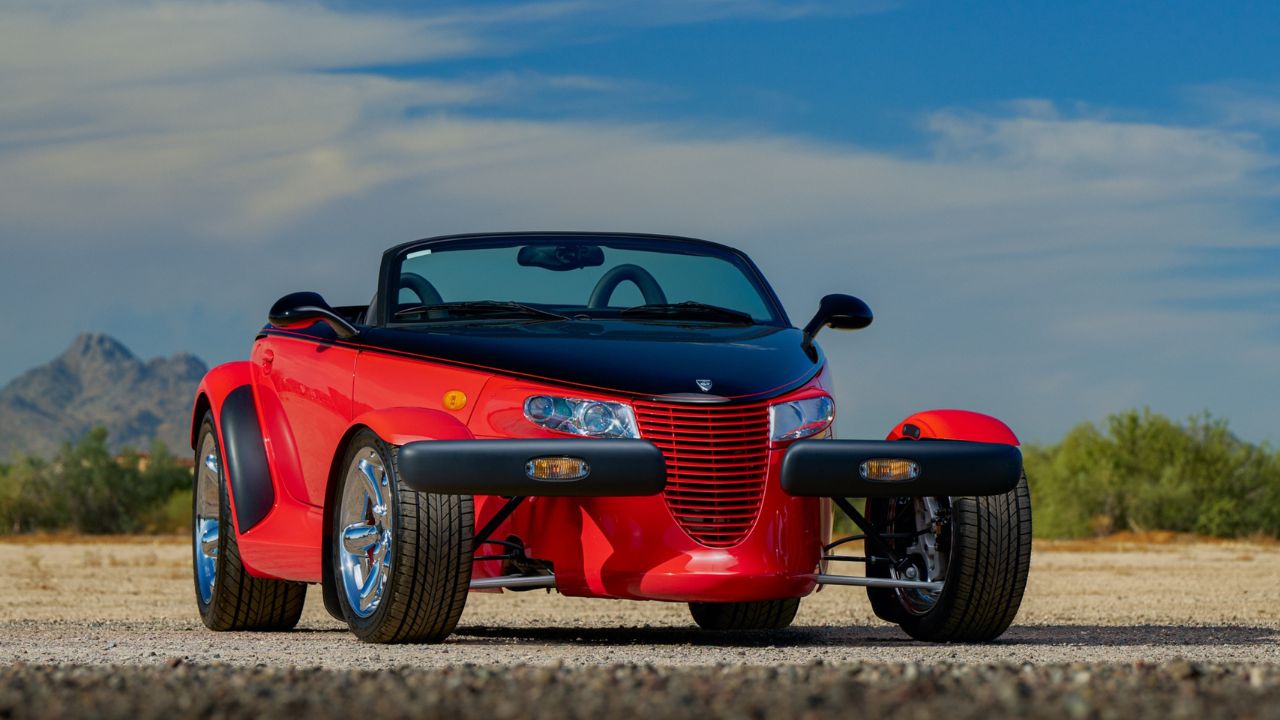
Plymouth Prowler (1997-2002)

The original hot rods of the 1930s were raw, loud, and genuinely dangerous machines built by rebels. Plymouth’s late-90s interpretation was a purple cartoon with a V6 engine and an automatic transmission.
It looked radical sitting still but delivered all the performance of a well-optioned minivan, which Chrysler was coincidentally very good at making.
Volkswagen Beetle (1998-2019)
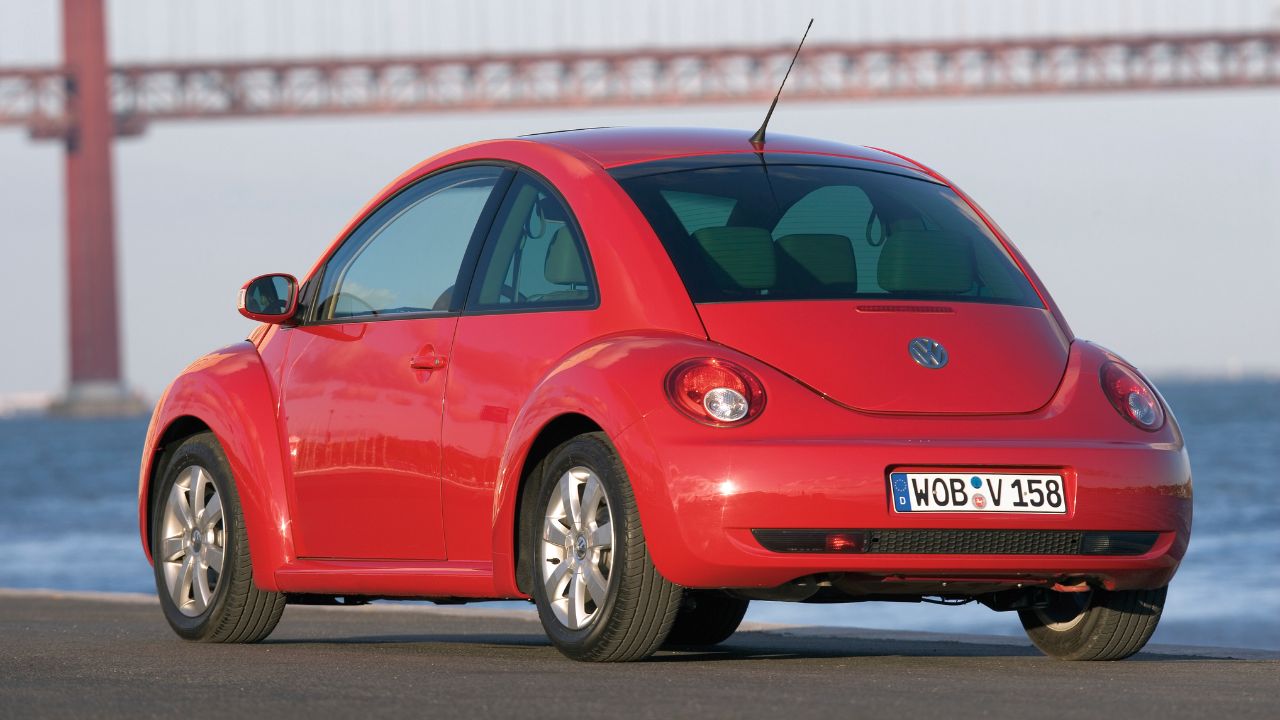
The original Beetle was utilitarian, affordable transportation that accidentally became culturally significant. The New Beetle was a fashion accessory with a built-in flower vase that cost significantly more and appealed mainly to people who wanted to make a statement rather than drive.
Volkswagen basically turned their most practical car ever into the automotive equivalent of a novelty handbag.
Chevrolet SSR (2003-2006)

The hot rod pickups of the 1940s and 50s were functional vehicles that owners customized for speed. Chevrolet’s SSR was a retractable hardtop convertible pickup that weighed 4,700 pounds and initially came with only 300 horsepower.
It couldn’t really haul anything, wasn’t particularly fast, and cost more than a Corvette while delivering less fun per dollar.
Ford Mustang II (1974-1978)

The original Mustang created the pony car segment and sold 418,812 units in its first year. The Mustang II was built on a Pinto platform during the malaise era, with a base four-cylinder engine producing 88 horsepower.
Even Ford fans prefer to pretend this generation didn’t happen, and it’s the only Mustang generation that doesn’t attract much collector interest today.
Nissan Z (2023-Present)

The 240Z was a lightweight, affordable sports car that delivered European handling dynamics at a Japanese price. The new Z rides on an evolved version of Nissan’s FM architecture that traces back to the 370Z era, and its curb weight ranges from about 3,486 to 3,704 pounds depending on trim, with the 2026 Z Sport starting at $42,970.
It’s competent, but it feels more like a legacy admission that Nissan stopped trying to revolutionize the affordable sports car segment decades ago.
Toyota Supra (2020-Present)
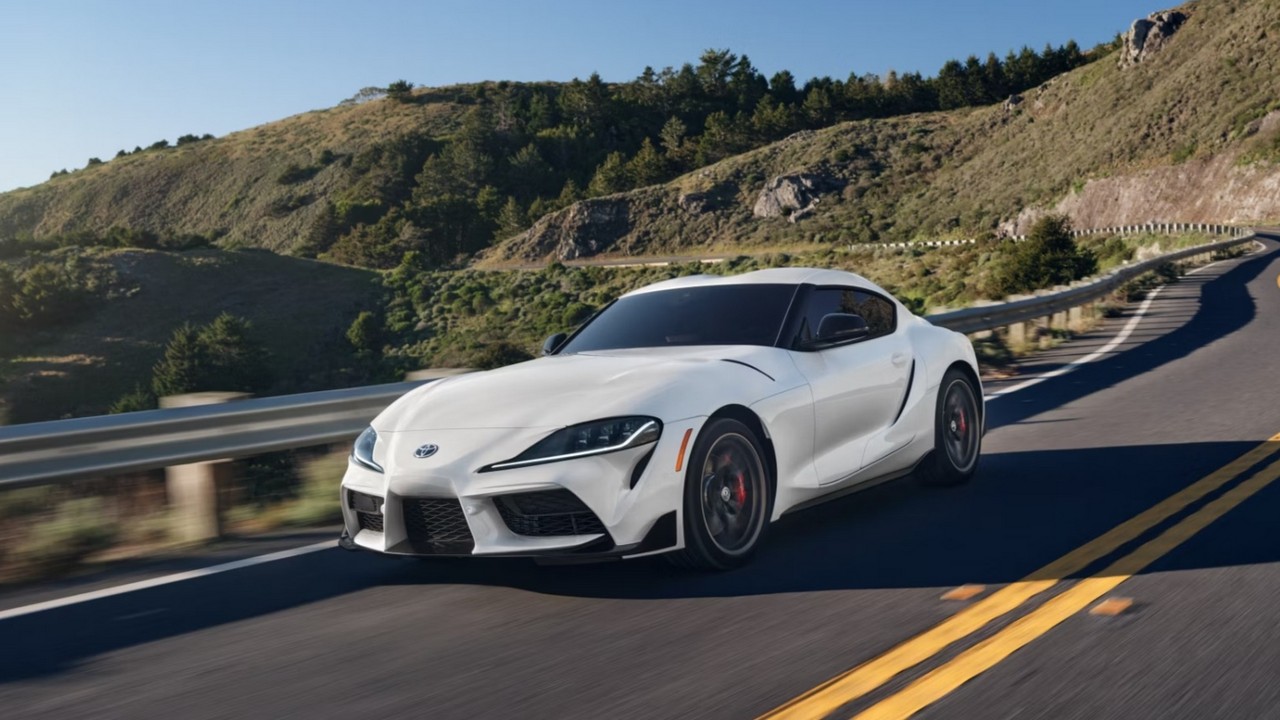
The MKIV Supra was a Japanese grand tourer with a legendary inline-six engine that tuners could coax into four-digit horsepower. The new Supra was co-developed with BMW and shares its platform and many components with the BMW Z4, including BMW-sourced turbocharged engines, which is fine if you like that collaboration but disappointing if you wanted a Supra engineered entirely in-house by Toyota.
The partnership made business sense, but it felt like Toyota had forgotten how to build its own sports car. I personally like the Supra, but I can see how it lost its original charm.
Pontiac GTO (2004-2006)
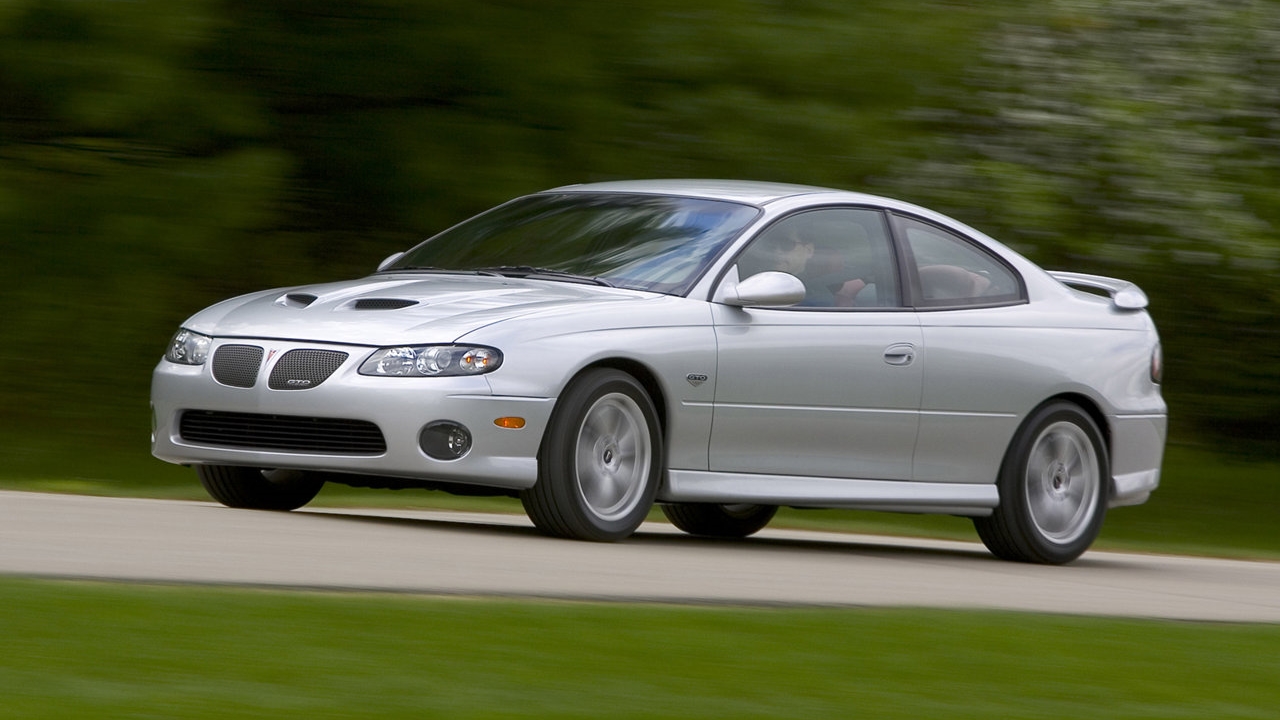
The original GTO basically invented the muscle car in 1964, combining a big V8 with a midsize body. The 2004 comeback was a rebadged Holden Monaro from Australia that looked like a generic sedan and lacked the visual drama that made the original iconic.
It had the power but none of the presence, and most people had no idea they were looking at a legendary nameplate.
Dodge Dart (2013-2016)
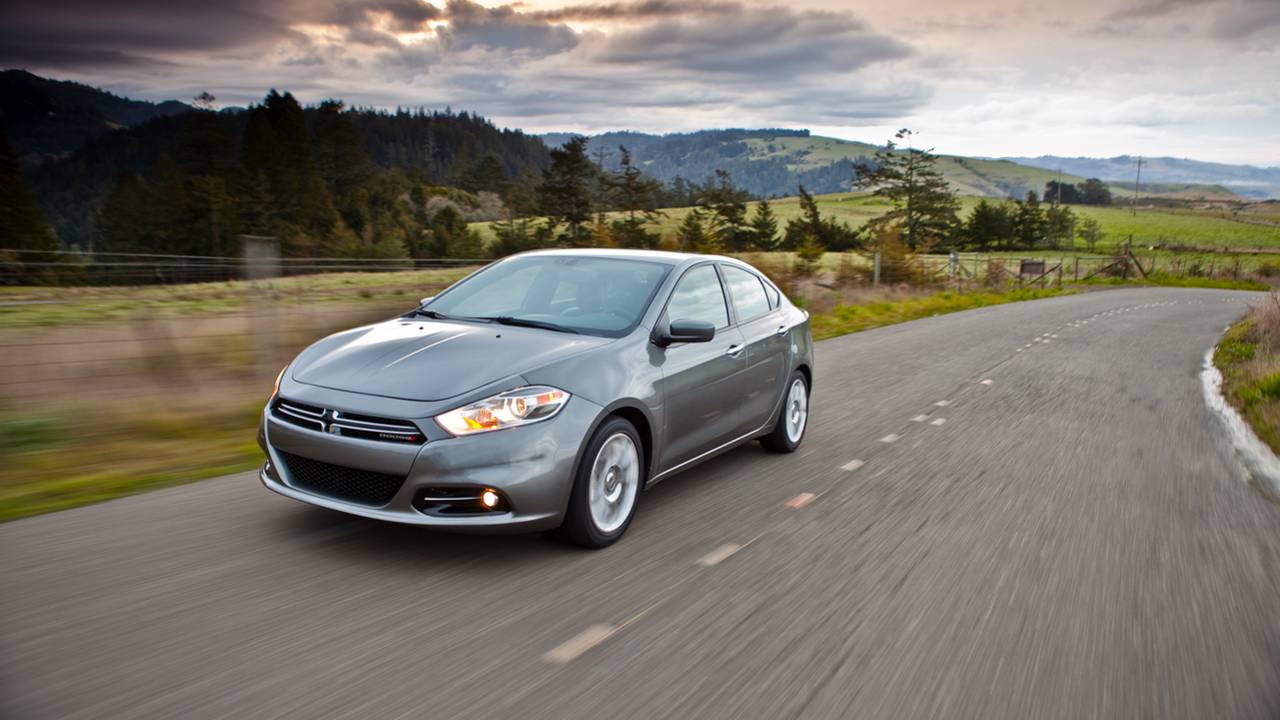
The original Dart was a sensible compact car that became a cult favorite in its performance variants. The modern Dart was a completely forgettable compact sedan built on a Fiat platform with quality issues that made early buyers regret their decision.
Dodge gave up on it after just four model years, which tells you everything about how that comeback went.
Mitsubishi Eclipse Cross (2018-Present)
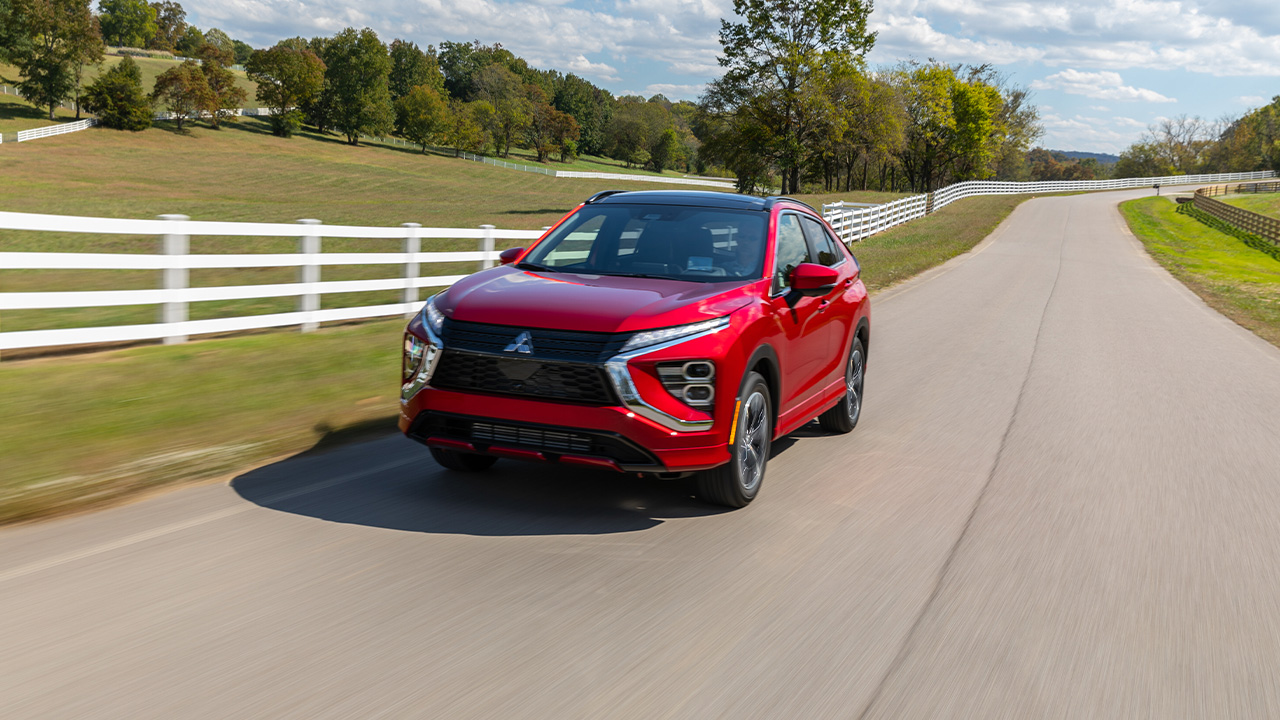
The original Eclipse was an affordable front-wheel-drive sports coupe that looked sharp and felt quick. When Mitsubishi brought the name back, they slapped it on a compact crossover SUV, which is like naming your accountant “Thunder Blade.”
It was the automotive equivalent of finding out your childhood hero now works in middle management and drives exactly like you’d expect.
Conclusion

Not every comeback can be a winner, and the automotive world is littered with revival attempts that missed the mark. These cars prove that capturing lightning in a bottle twice is nearly impossible, especially when market demands, safety regulations, and corporate bean counters get involved. Sometimes a legend is better left as a memory, preserved in old photographs and stories that get better with each telling.
The real lesson here is that nostalgia is a powerful drug, but it’s a terrible product development strategy when you forget what actually made the original special in the first place.