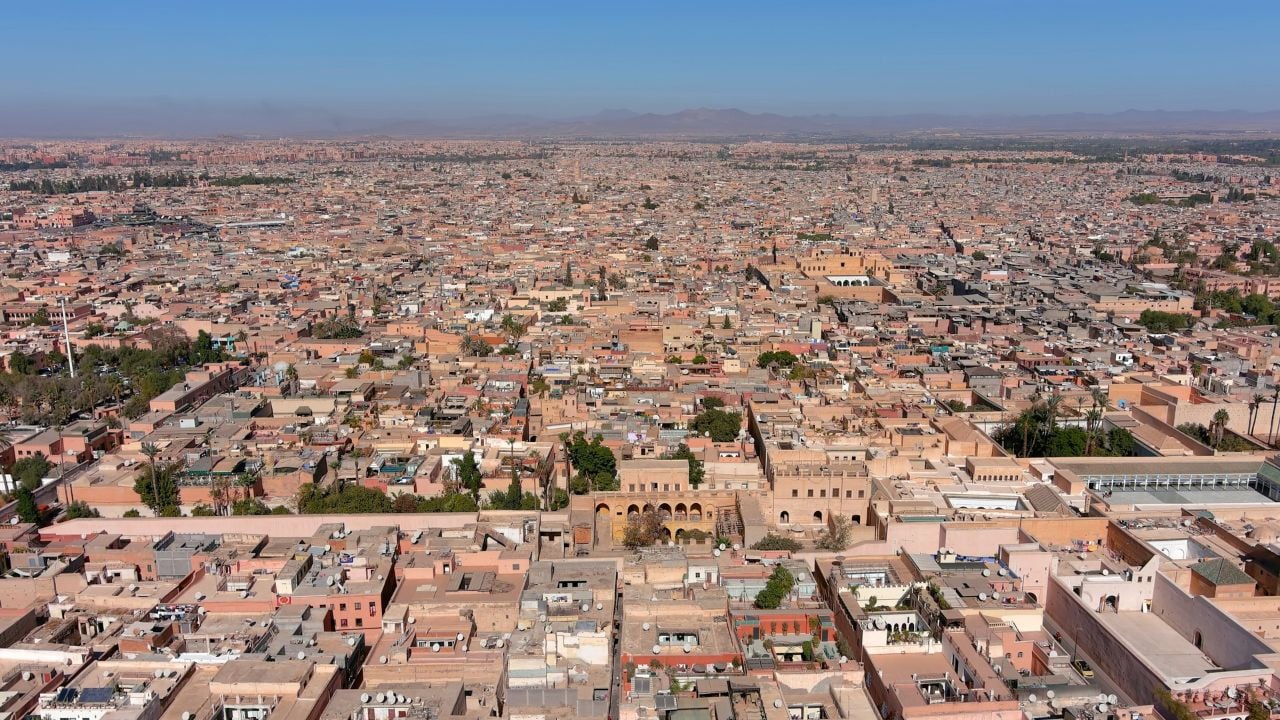
Choose one district, one meal area, one return route, and one backup stop before leaving the hotel. Leave open time between them for markets, bridges, cafés, lanes, shops, viewpoints, and small detours.
Venice should be planned by sestiere instead of one straight march between San Marco and Rialto. Kyoto is easier when Gion, Kiyomizu, Nishiki Market, and the covered shopping streets are grouped by area. Lisbon needs a hill-by-hill route, with Alfama, Graça, Baixa, Chiado, Belém, and Cais do Sodré kept in realistic blocks.
Savannah’s Historic Landmark District can turn a walk into short sections through Forsyth Park, shaded squares, house museums, shops, restaurants, City Market, and River Street. Marrakech needs clear edges around the medina, souks, Jemaa el-Fna, palaces, gardens, and Guéliz so the day does not turn into an exhausting maze.
Comfortable shoes, cash, water, phone battery, dinner location, and the return route should be checked before the walk starts. The plan can stay loose, but travelers should know where they will eat, how they will get back, and which area they are skipping until another day.
1. Venice, Italy
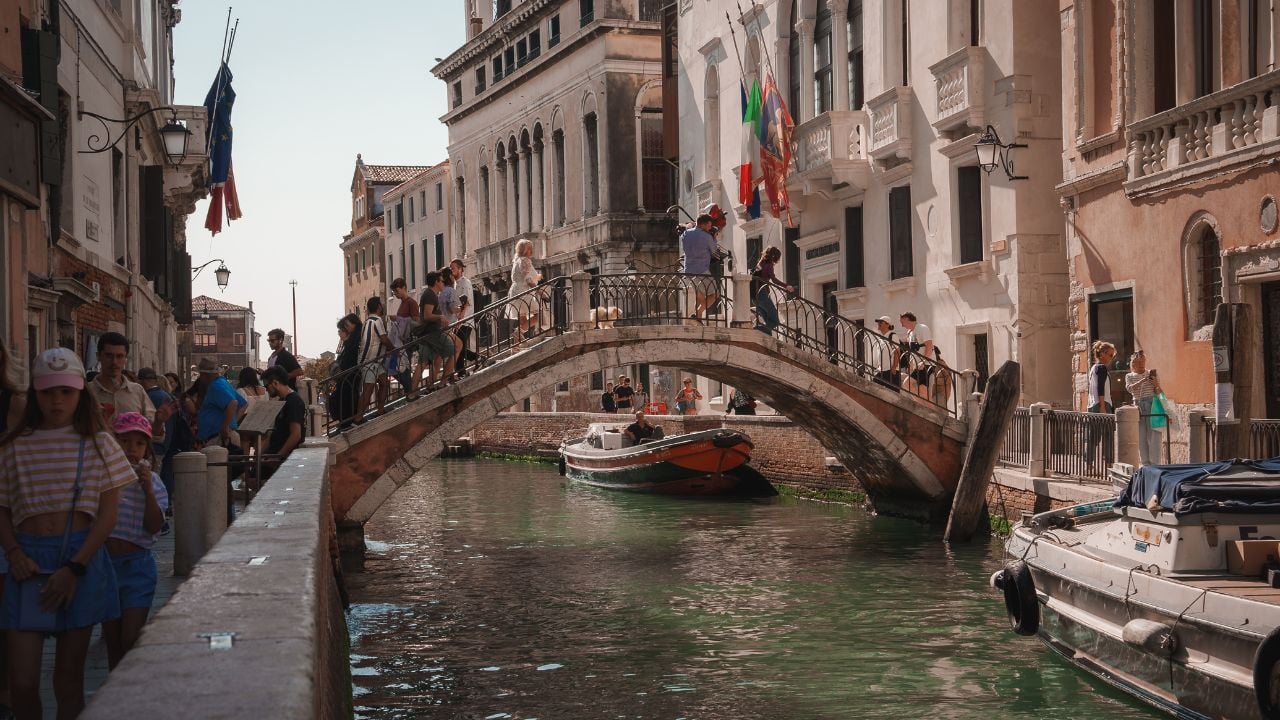
Venice needs more than the San Marco-to-Rialto route. The city’s responsible visitor guidance encourages travelers to discover hidden treasures in less-visited places. San Marco and Rialto can stay on the plan, but they should not consume the whole day.
Use one sestiere as the main walking area. Cannaregio can cover canalside walks, the Jewish Ghetto area, small bridges, bakeries, and bars along quieter stretches. Dorsoduro can pair galleries, churches, canals, and the Zattere waterfront. Castello can move the route away from the densest San Marco foot traffic without leaving the historic city.
Decide the rough direction before following side lanes. Aim for a vaporetto stop, dinner area, hotel, museum, or waterfront. Phone maps can lag in narrow lanes, so a visible church tower, campo, canal, or bridge name can be more useful than chasing every blue-dot correction.
Murano, Burano, Giudecca, Lido, and other lagoon stops need boat time. A walking day should stay inside one or two connected areas, then leave island-hopping for another block.
2. Kyoto, Japan
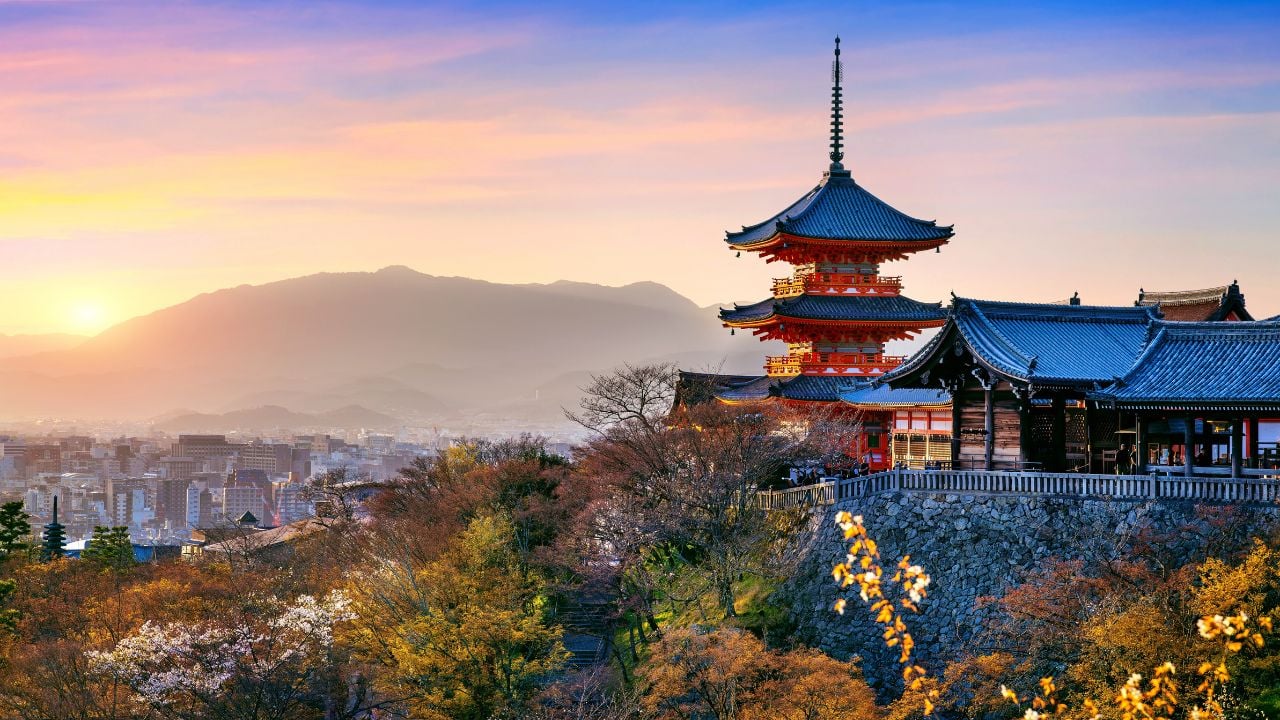
Kyoto should be grouped by district before the walking starts. Kyoto’s official Gion and Kiyomizu guide says the area has streets lined with tea houses, Japanese restaurants, cafés, bars, general stores, and places suited to strolling. Kiyomizu-dera, Sannenzaka, Ninenzaka, Gion, and nearby lanes can fill one block without adding a faraway temple.
Nishiki Market belongs in a separate central route. Kyoto’s official tourism site describes Nishiki Food Market as a 400-meter path from Teramachi to Takakura where shopkeepers sell fish, meat, dried foods, side dishes, yuba, and Kyoto vegetables. The same page tells visitors to avoid eating while walking through the market.
A practical Kyoto day can use Gion and Kiyomizu for one route, then keep Nishiki, Teramachi Arcade, Shinkyogoku, and Shijo Kawaramachi for another. Arashiyama, Fushimi Inari, and Kinkaku-ji should not be added to the same loose walking day unless the schedule includes extra train, bus, and transfer time.
Private lanes, temple rules, photography restrictions, and crowded shopping streets require attention. Visitors should follow posted signs, keep food stops out of pedestrian flow, and leave room between market browsing, temple visits, and dinner reservations.
3. Lisbon, Portugal
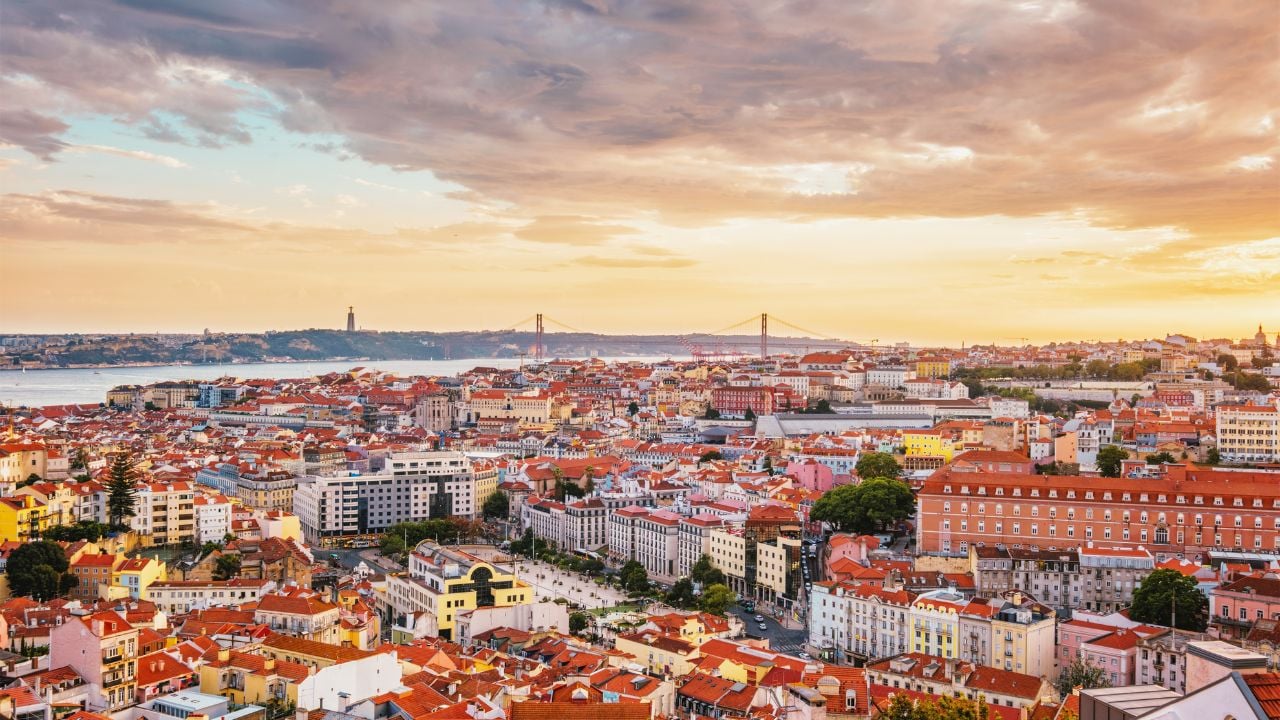
Lisbon should be planned around hills, viewpoints, and neighborhood pairs. Visit Lisboa lists historic areas including Alfama, Bairro Alto, Baixa, Belém, Cais do Sodré, Chiado, Graça, Mouraria, and Príncipe Real. Those areas sit close enough to link in parts, but not all belong in one uninterrupted walk.
Alfama and Graça can take a morning or late afternoon with steep lanes, viewpoints, churches, stairways, and tram crossings. Baixa and Chiado suit a central walking block with squares, shops, cafés, and easier footing. Cais do Sodré and Bairro Alto fit better later in the day, once food and evening plans become the focus.
Belém should be treated as a separate riverside block. Monuments, museums, the waterfront, and pastry stops sit west of the central hills, so adding Belém after an Alfama morning can turn the day into a transit-heavy route.
Check the final climb before committing to a route. Heat, stone pavements, stairways, tram queues, elevator lines, and the hotel’s exact street can turn a short map distance into a tiring return after dinner.
4. Savannah, Georgia

Savannah’s open-ended walk should stay inside the Historic Landmark District before any beach or cemetery plan enters the day. Visit Savannah says the district includes 22 park squares, museums, monuments, restored 18th-century homes, boutiques, and more than 100 restaurants.
A practical route can start at Forsyth Park and move north through the squares toward City Market and River Street. Chippewa Square, Oglethorpe Square, Ellis Square, and nearby streets add shade, benches, monuments, and short breaks between food stops and historic buildings.
Pick one house museum, one lunch area, one shopping stretch, and one riverfront section. Trying to hit every square and every attraction in the district turns an easy walking day into a checklist.
Tybee Island, Bonaventure Cemetery, and farther-out restaurants require separate transportation. A no-car Savannah day should stay near the Historic District, with dinner booked close enough to avoid an unnecessary ride after a long walk.
5. Marrakech, Morocco

Marrakech needs a loose plan with clear edges. Morocco’s official tourism guide highlights Jemaa el-Fna, the medina, historic palaces, Majorelle Garden, souks, restaurants, concept stores, outdoor activities, and Guéliz. Those areas do not belong in one unbroken walk, especially for a first visit.
The medina and souks can fill a morning or late afternoon with market lanes, craft stalls, spices, leather goods, lamps, courtyards, and cafés. Jemaa el-Fna becomes a different plan later in the day, especially when food stalls and evening crowds build around the square.
UNESCO describes the Medina of Marrakesh as a historic city with monuments including the Koutoubia Mosque, the Kasbah, battlements, monumental doors, and gardens. Palace and monument stops should be placed around the medina route, not added randomly after hours in the souks.
First-time visitors should set a meeting point, carry cash, confirm taxi or hotel pickup options, and consider a licensed guide for the medina. Guéliz, Majorelle Garden, and newer restaurant or shopping areas need a separate block from the old-city walk.