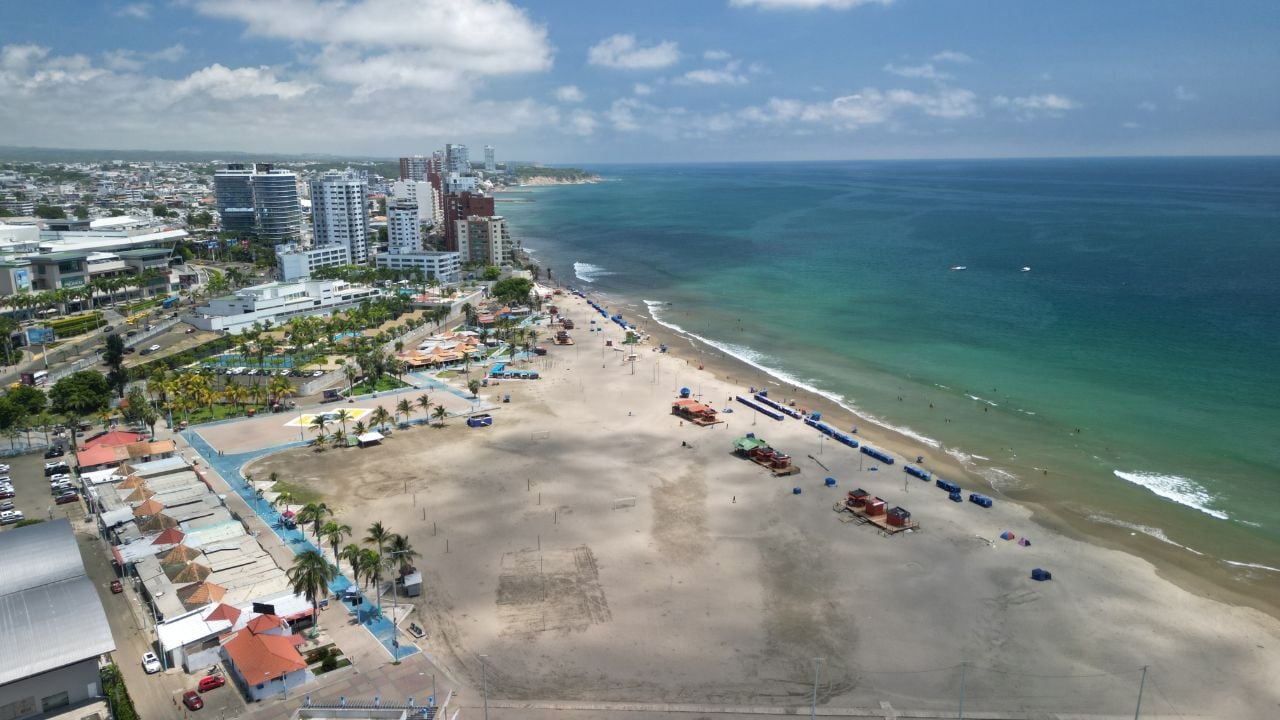
“Dangerous” can mean scams, theft, assaults, or worse, but global city comparisons usually lean on one number because it travels more cleanly across borders: intentional homicide rates. The ranking below comes from a bulletin published on 11 February 2026 that reports 2025 homicide rates per 100,000 residents for cities or metro areas with 300,000+ people. That metric is not perfect, but homicide is still one of the more comparable crime indicators used in cross-border analysis, which is why it keeps showing up in international violence studies. For background on that point, see the UNODC’s 2023 Global Study on Homicide.
This is not a full crime index, and it cannot describe every neighborhood, street, or hour of the day. Think of it as a high-voltage warning light. It does one job extremely well: it shows where lethal violence is unusually concentrated. What you do with that signal is the travel decision.
A homicide rate is not a crystal ball that predicts what will happen to you. It is a baseline indicator of how stressed local security conditions may be, how quickly incidents can escalate, and how likely it is that serious violence is spilling into public life rather than staying hidden behind closed doors. When rates reach triple digits, the smart question is not whether you can “handle it.” It is whether you have a strong reason to be there at all.
How To Read This Ranking Without Fooling Yourself

First, remember what the metric is and what it is not. Homicide captures the most severe outcome and is reported more consistently than many other crimes, which is why researchers use it for international comparison. It still does not measure scams, pickpocketing, harassment, or non-lethal assaults. A city can be miserable for travelers even with a lower homicide rate, and a city with a brutal overall rate can still contain pockets that feel calm for part of the day.
Second, city labels matter. These entries use city or metro-level boundaries as presented in the source table, and several of them clearly cover something broader than a single walkable core. That means one number can hide very different local realities. Your hotel block, your airport transfer, your route after dark, and your willingness to improvise all change what you actually experience. The rate is not your itinerary. It is the backdrop your itinerary has to survive.
Third, treat this list like a filter, not a dare. If a destination lands near the top, ask a basic question: do I actually need to go? If the answer is no, there are plenty of other places that deliver food, culture, beaches, and city energy without forcing you to gamble on severely stressed security conditions.
The Travel Rule That Matters Most in High-Risk Places
In normal tourism, spontaneity is a feature. In high-risk environments, spontaneity is usually a liability. The goal is to reduce exposed decision points: fewer aimless walks, fewer last-minute detours, fewer moments where you are standing still in public with your attention split between maps, messages, and luggage. Tight plans can look boring on paper. In practice, they reduce the number of opportunities for a bad situation to find you.
If you must travel to a high-risk city for essential reasons, your edge comes from logistics, not attitude. Pre-arranged transport. Clear meeting points. Daylight movement. Conservative evening plans. A base that locals and staff consider reliable. You are not trying to “win” the city. You are trying to finish the trip with as few moving parts as possible.
1. Port-au-Prince, Haiti

Port-au-Prince ranks 1st with a reported 197.43 homicides per 100,000 residents in 2025. The bulletin lists 6,185 homicides against an estimated population of 3,133,000, which is how the rate is calculated. By any normal public-safety standard, that number is extreme, and it is why the city sits at the top of the table.
The wider travel picture is just as bleak. The U.S. State Department keeps Haiti at Level 4: Do Not Travel due to kidnapping, crime, terrorist activity, civil unrest, and limited health care. On top of that, the FAA has extended restrictions on U.S. flights to Port-au-Prince through early September 2026, according to Associated Press reporting on the latest aviation order.
From a travel standpoint, this is not a “walk around and see what happens” destination. If a trip is genuinely unavoidable, it should be built around verified local support, tightly managed transport, and a schedule that leaves as little room for improvisation as possible. Most leisure travelers should simply choose somewhere else.
2. Babahoyo, Ecuador

Babahoyo ranks 2nd at 166.02 per 100,000 in the 2025 bulletin. The source records 527 homicides and an estimated population of 317,436. A number that high is not background noise. It is a signal that serious violence is shaping the baseline environment.
Babahoyo also sits inside a live Ecuador security picture that has worsened, not eased. Canada’s official Ecuador advisory lists Babahoyo under “avoid non-essential travel” due to violent crime, and the same page says Los Ríos province is under a state of emergency tied to gang violence. That does not automatically mean every block is chaos every hour. It does mean casual optimism is a poor planning method.
If you are only passing through, treat it like controlled transit rather than a sightseeing stop. Move in daylight, use pre-arranged rides, and keep the itinerary short and purposeful. In places where the security picture can shift quickly, certainty beats spontaneity every time.
3. Nelson Mandela Bay, South Africa

Listed as “Mandela Bay” in the bulletin, Nelson Mandela Bay ranks 3rd with 119.81 homicides per 100,000 in 2025. The table shows 1,452 homicides and a population estimate of 1,211,951. That is an exceptionally high rate even before you start breaking a metro area into better and worse zones.
There is no neat, city-specific U.S. warning for Nelson Mandela Bay, so it is better to be precise than theatrical. The U.S. South Africa advisory is Level 2, but it also states that violent crime is common, especially in downtown areas of big cities after dark, and that kidnapping is a real threat for foreign travelers. That broader national guidance matters because high homicide metros do not exist in a vacuum.
Travel here is about choosing your base carefully and keeping logistics boring in the best way. Stick to reputable transport, avoid improvising routes after dark, and keep your exposure low in transitional spaces like parking areas, roadside stops, and transport hubs. The goal is not panic. It is disciplined decision-making.
4. Machala, Ecuador
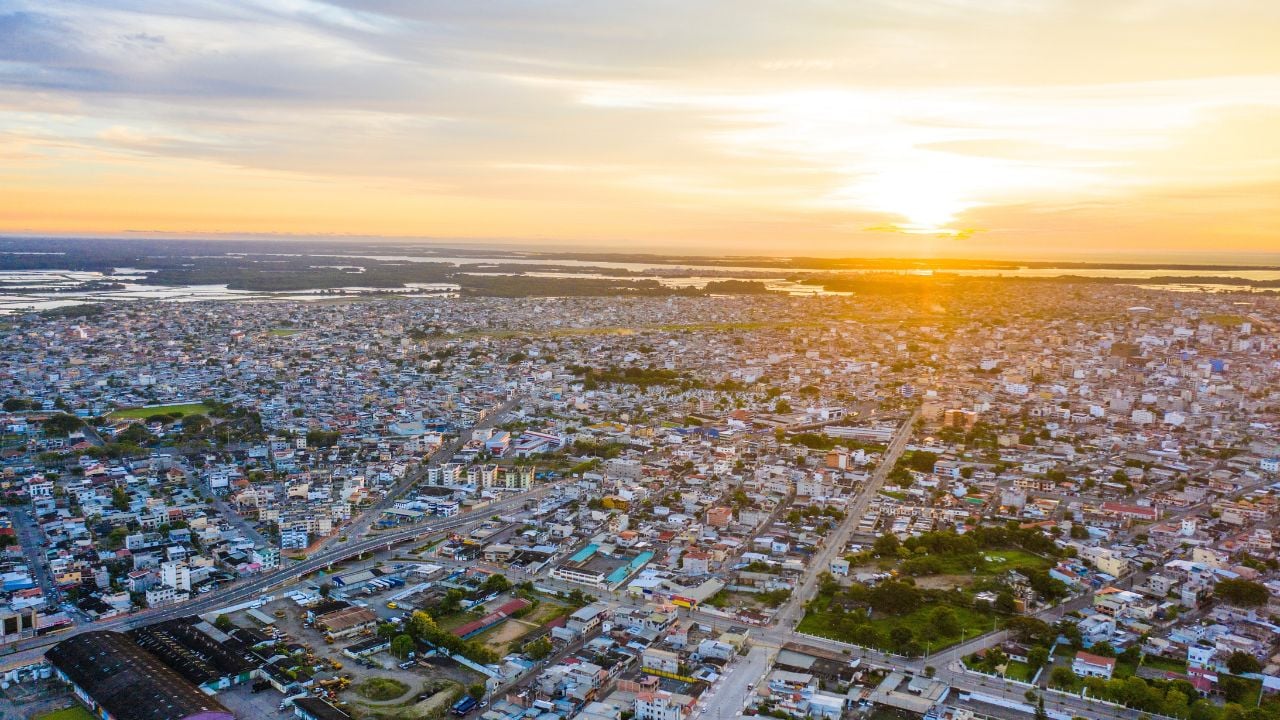
Machala ranks 4th with 116.65 homicides per 100,000 in 2025. The bulletin lists 693 homicides and 594,081 residents. Ecuador’s repeated appearances near the top of the ranking are one of the clearest patterns in the table, and Machala is part of that broader shift.
Official travel guidance points in the same direction, even if the wording differs by government. The U.S. advisory for Ecuador tells Americans to reconsider travel to El Oro province outside Huaquillas and Arenillas because of terrorism and crime. Canada goes further and places Machala under “avoid non-essential travel” due to violent crime. El Oro is also one of the provinces currently under a state of emergency.
For travelers with an essential reason to go, the smart play is structure. Book transport in advance, avoid aimless wandering, and keep evening movement conservative. A calm, tightly managed itinerary does more for safety than any “street smarts” speech because it removes the situations where those instincts get stress-tested.
5. Quevedo, Ecuador
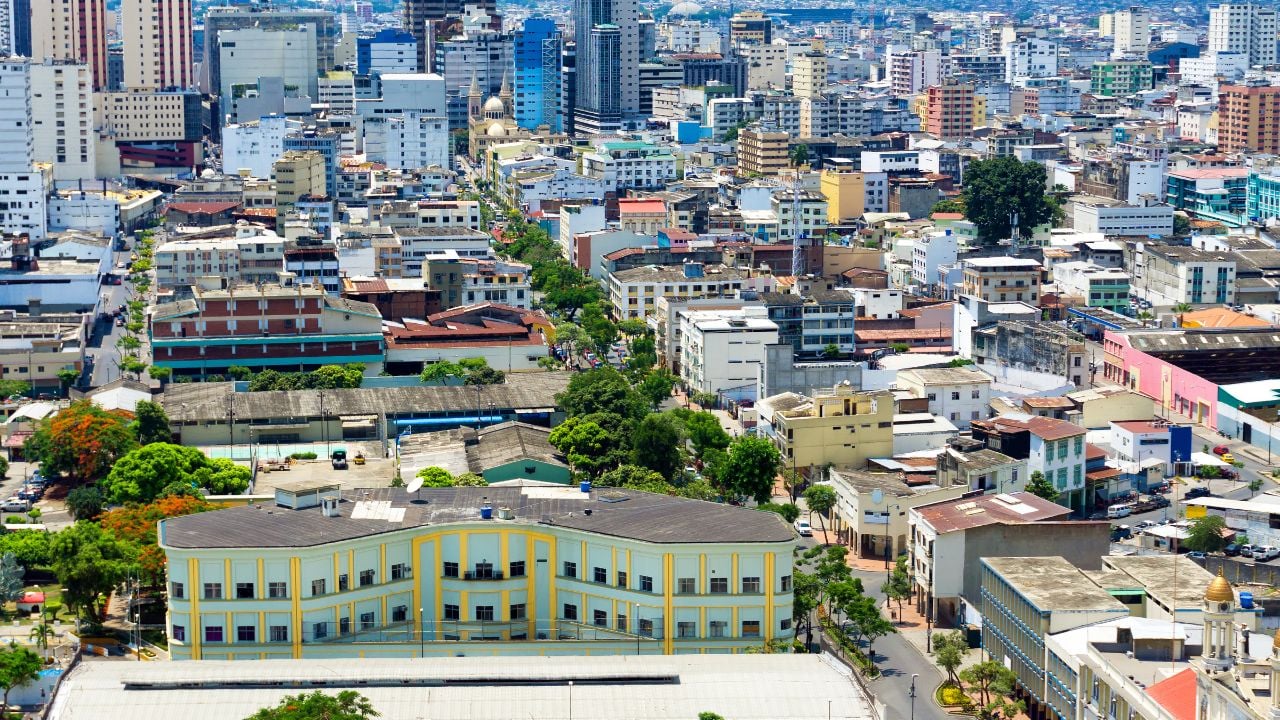
Quevedo ranks 5th at 109.01 homicides per 100,000 in 2025. The bulletin reports 433 homicides with a population estimate of 397,226. Once a city clears the 100 mark on this measure, it is no longer reasonable to treat violence as some distant issue that only affects other people in other neighborhoods.
Quevedo also carries a direct U.S. warning, not just a vague national caution. The State Department’s Ecuador advisory explicitly says “Do Not Travel” to Quevedo city due to terrorism and crime. It adds that the U.S. government has limited ability to provide emergency services there, which is the kind of sentence travelers should take seriously the first time they read it.
For planning purposes, this should be treated as a city where unnecessary movement is a bad idea. Keep stops specific, avoid late-night transit, and let trusted local contacts shape the route if you are visiting friends or family. Current local knowledge beats generic caution every time.
6. Culiacán, Mexico
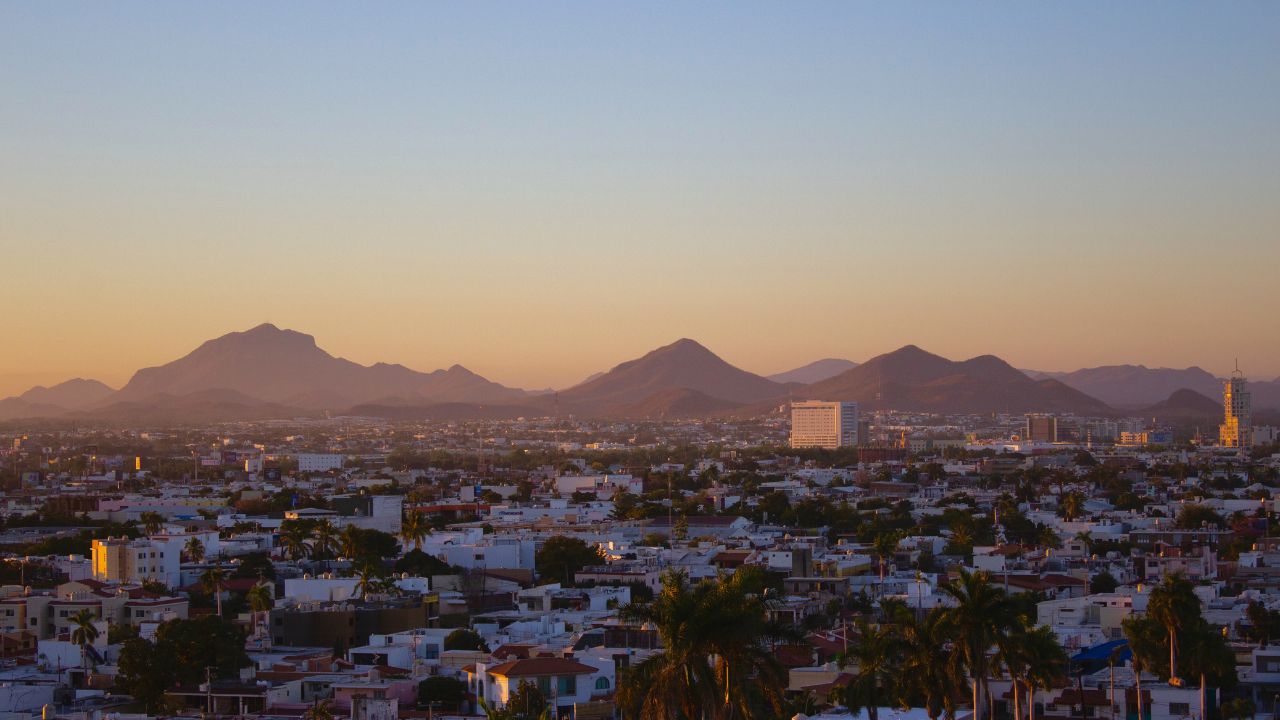
Culiacán ranks 6th with 103.91 homicides per 100,000 in 2025. The table lists 1,086 homicides and a population estimate of 1,045,017. Triple-digit homicide rates are already enough to flag a city as high-risk without piling on extra adjectives.
The official travel picture is also clear. The U.S. Mexico advisory says “Do Not Travel” to Sinaloa due to terrorism and crime. It allows U.S. government employees to travel only to limited parts of Mazatlán, Los Mochis, and Topolobampo, and specifically says they may not travel to other areas of the state. Culiacán is not one of the carve-outs.
If you have to go, keep the trip tight and purposeful. Use trusted transport, avoid lingering in public while you sort out the next move, and do not let polished social media clips convince you the risk is imaginary. Quiet moments can exist in high-risk places. They do not cancel out the baseline.
7. Manabí Centro, Ecuador
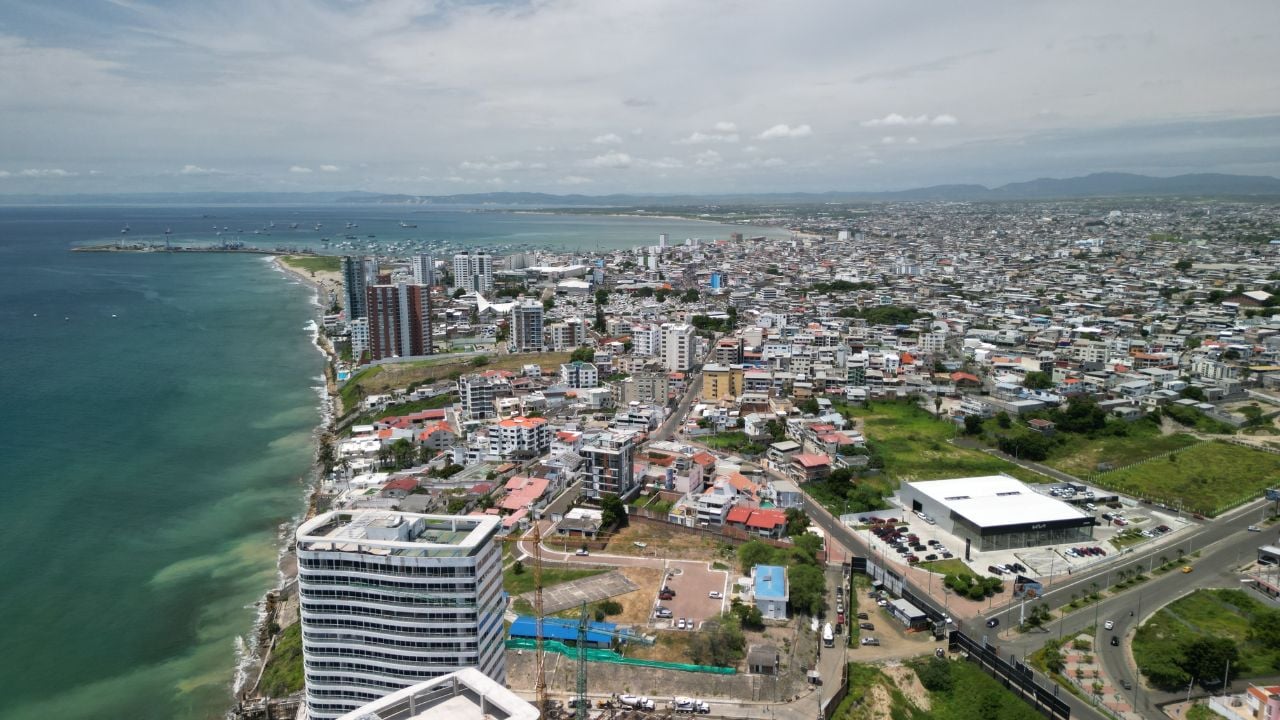
“Manabí Centro” ranks 7th at 103.77 homicides per 100,000 in 2025. The bulletin lists 911 homicides and 877,933 residents used for the rate. Because this entry is regional rather than neatly city-branded, it should be read as a warning about the broader area presented in the source table, not just one downtown core.
That regional reading fits the current advisory picture. The U.S. State Department tells Americans to reconsider travel to Manabí province because of terrorism and crime. Canada’s official Ecuador advisory also says Manabí is under a state of emergency and notes that organized criminal violence has intensified across several coastal provinces, including Manabí.
If your route takes you through the region, plan like a cautious road traveler rather than an explorer chasing detours. Move during daylight, keep transport pre-arranged, and skip last-minute side trips into unfamiliar areas. In high-risk regions, consistency matters a lot more than confidence.
I know of several US cities that are dangerous for US citizens, let alone travelers.