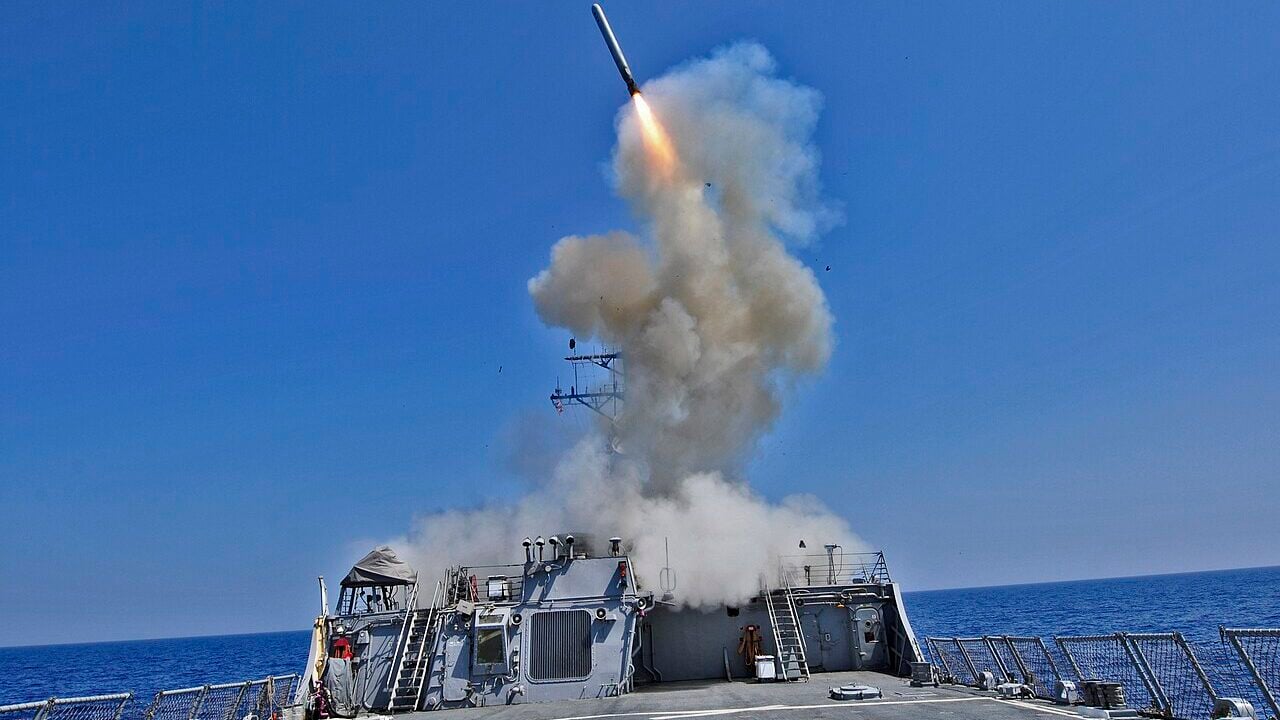

Center for Strategic and International Studies (CSIS) analysts reveal a steep drawdown in US missile reserves, raising fresh doubts about future war readiness, with up to 80 percent of THAAD interceptors expended in just 39 days.
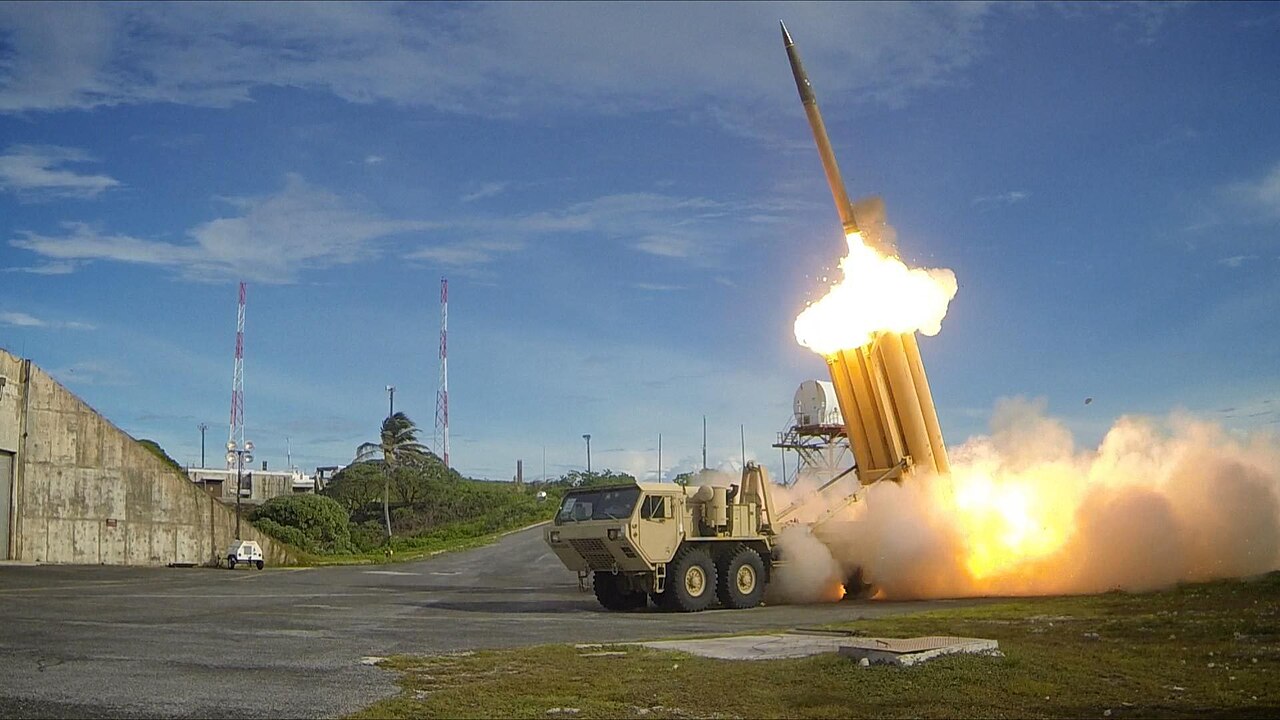
The THAAD, which stands for Terminal High Altitude Area Defense, is a U.S. missile‑defense system designed to intercept ballistic missiles in their final phase. They detect and destroy ballistic missiles during their terminal phase, that is, the final moments before impact.
The system’s AN/TPY‑2 radar scans hundreds of miles to spot incoming missiles, then tracks and classifies them. The fire‑control system decides whether to engage, after which a hit‑to‑kill interceptor launches, using onboard infrared guidance to collide with the target at hypersonic speed.
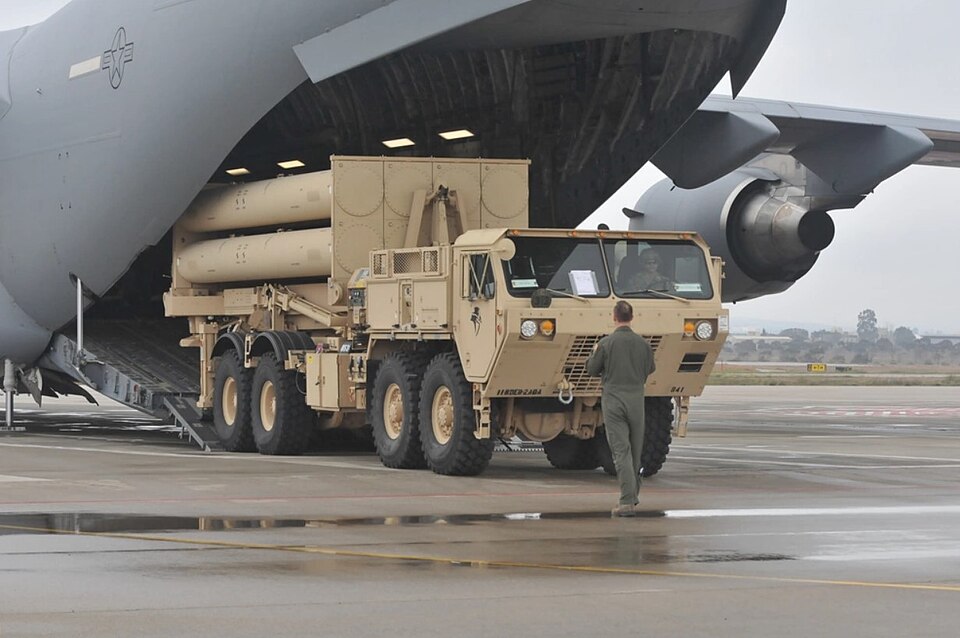
THAAD carries no explosive warhead; the kinetic impact alone destroys the missile.
Each THAAD battery has 48 interceptors, and each interceptor costs over $12 million. So, high expenditure rates, such as the reported rapid drawdown in the ongoing conflict with Iran, place a critical question mark on sustainability in prolonged wars, especially if adversaries use large, cheap salvos to overwhelm defenses.
Replenishing interceptors takes time and money, and shortages could leave critical bases or cities exposed. THAAD is most effective as part of a layered defense, but its limited magazine makes resupply a strategic vulnerability.
A new assessment is painting a stark picture of how intensely modern warfare can chew through even the most advanced and expensive weapons in the American arsenal.
War Eats Expensive Missiles at Shocking Rates
The CSIS report, titled “Status of Key Munitions at the Iran War Ceasefire,” examines the scale of consumption during the recent Iran conflict and suggests the United States may face uncomfortable limits if another major confrontation emerges too soon.
The numbers are hard to ignore.
According to the study, between 190 and 290 THAADs were used, representing as much as 80 percent of the available stockpile. Patriot interceptors, a backbone of US air defense, saw even heavier use in absolute terms, with roughly 1,430 missiles fired. That accounts for over 60 percent of total inventory.
Precision Strike Missiles also took a hit, with estimates suggesting that up to 70 out of 90 were expended. These are not easily replaceable systems. They are complex, costly, and produced in relatively limited quantities even during peacetime.
Long-range strike capabilities were heavily leaned on as well. More than 850 Tomahawk cruise missiles were launched during the conflict, about 30 percent of the total stockpile.
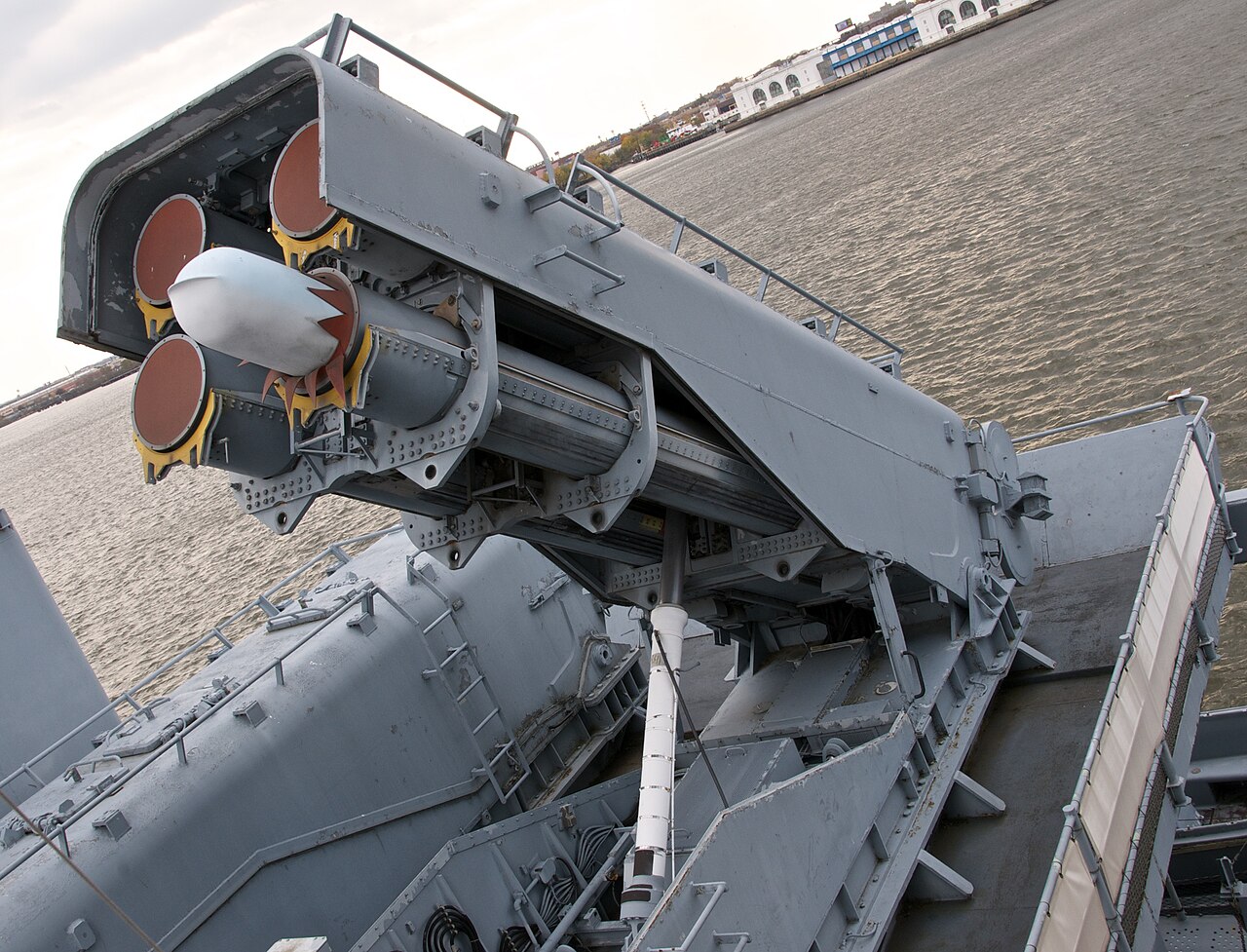
These missiles, known for their range of roughly 1,000 miles and 160-kilogram warheads, are among the most recognizable tools in the US military playbook.
Yet their cost highlights a deeper imbalance. A single Tomahawk can run into millions of dollars, while opposing systems like Iran’s Shahed-136 drones cost a tiny fraction by comparison.
In fact, Iran’s Shahed-136 kamikaze drones reportedly cost between $20,000 and $50,000 per unit. They are one-way attack unmanned aerial vehicles (UAVs) designed for long-range, “attritable” warfare, making them significantly cheaper than traditional cruise missiles and the air defense systems used to shoot them down.
Stealth Missiles Took a Serious Hit Too
The CSIS report also flags notable usage of stealthy JASSM (Joint Air-to-Surface Standoff Missile) air-to-ground missiles, along with SM-3 and SM-6 interceptors, each seeing around 20 percent of their reserves consumed.
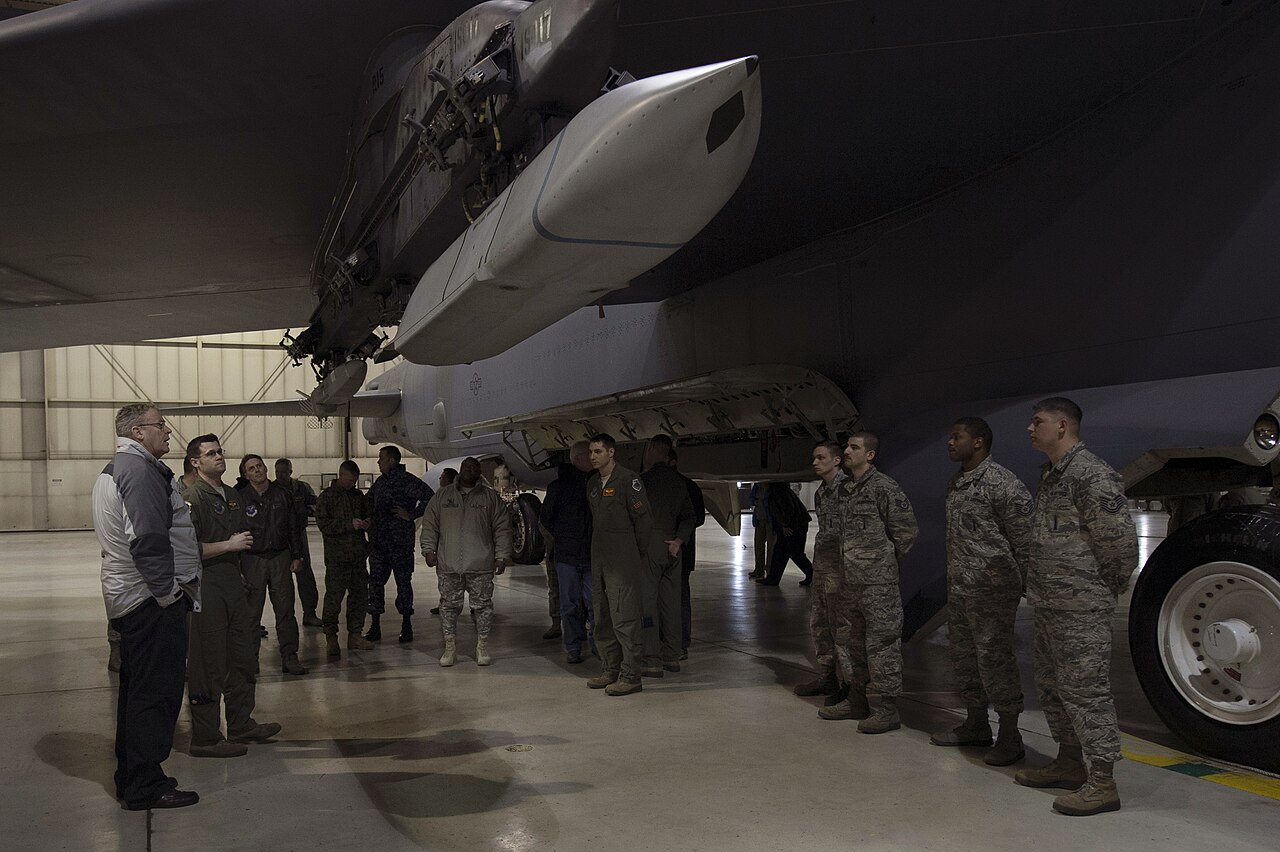
JASSM is a precision-guided cruise missile developed by Lockheed Martin for the United States Air Force and its allies. The “Standoff” part of the name means it can be launched from aircraft from a significant distance (well over 200 miles) away from the target, allowing the launch platform to remain outside the range of enemy air defenses.
Taken together, the data underscores a simple but sobering reality. High-tech warfare burns through high-end munitions at a rate that production lines struggle to match.
CNN cites defense sources who say replenishment is already underway, but timelines are far from comforting.
Even with expanded contracts signed earlier this year, rebuilding stockpiles could take anywhere from three to five years. That creates a window of vulnerability, particularly in regions where tensions remain high.
Rebuilding Stockpiles Could Take Four Years
Mark Cancian, a co-author of the CSIS report and a retired Marine Corps colonel, did not mince words. He warned that such levels of expenditure could weaken US positioning in the Western Pacific, a region where strategic competition continues to intensify.
According to Cancian, restoring inventory to baseline levels might take up to four years, while reaching desired future capacity could stretch even longer.
The implications stretch beyond spreadsheets and stock counts. Military planning depends heavily on sustained availability of key systems. If those systems are constrained, so too are the options available to commanders in a crisis.
Donald Trump pushes for additional missile funding while downplaying concerns, insisting reserves remain sufficient, even as reports point to multi-year replenishment timelines.
The political response has added another layer to the conversation. President Trump has requested increased defense funding, including allocations for missile production, while maintaining that there is no immediate shortage.
Trump Claims Unlimited Supply, Analysts Disagree
The president has emphasized that the United States still holds significant advanced munitions in reserve, framing the situation as a manageable cost of maintaining military superiority.
According to PolitiFact’s documentation of his March 2, 2026 Truth Social post, Trump wrote:
“The U.S. has a ‘virtually unlimited supply’ of certain munitions. ‘Wars can be fought forever, and very successfully, using just these supplies.’”
He also said the United States was “stocked” with what it needed to wage war with Iran.
These statements contrasted sharply with analyses showing rapid depletion of interceptors like Patriot and THAAD during the Iran conflict.
The contrast between official reassurance and independent analysis is difficult to ignore.
The CSIS report makes a clear distinction between having enough to sustain a single conflict and being prepared for multiple or overlapping scenarios, especially against a peer competitor like China.
In that sense, the Iran war may serve as a stress test rather than an endpoint. It reveals not just how wars are fought today, but how fragile even the most powerful supply chains can become under sustained pressure.