Risk ratings are not moral judgments about people, culture, or history. They are planning tools built around conflict exposure, crime patterns, emergency care access, detention risk, transport reliability, and the odds that outside help can reach you quickly. For this slideshow, I used Riskline’s 2026 Risk Map graphic, which includes top ten lists for “Least safe,” “Worst for health & medical care,” and a category labeled “Difficultly of Travel,” with data marked as published in October 2025. I then cross-checked selections against the U.S. State Department advisory system and its country pages.
A second 2026 source adds context to why these warnings remain so serious. International SOS says its 2026 Risk Outlook research found fast-moving, converging threats, and it notes changes on its open-access Risk Map, including Myanmar moving from High to Extreme security risk. Conditions can shift quickly, sometimes by region rather than nationwide, so readers should always check fresh advisories before booking, not just once while daydreaming over routes. Think of this list as a caution-focused planning guide, not a dare list.
1. Afghanistan
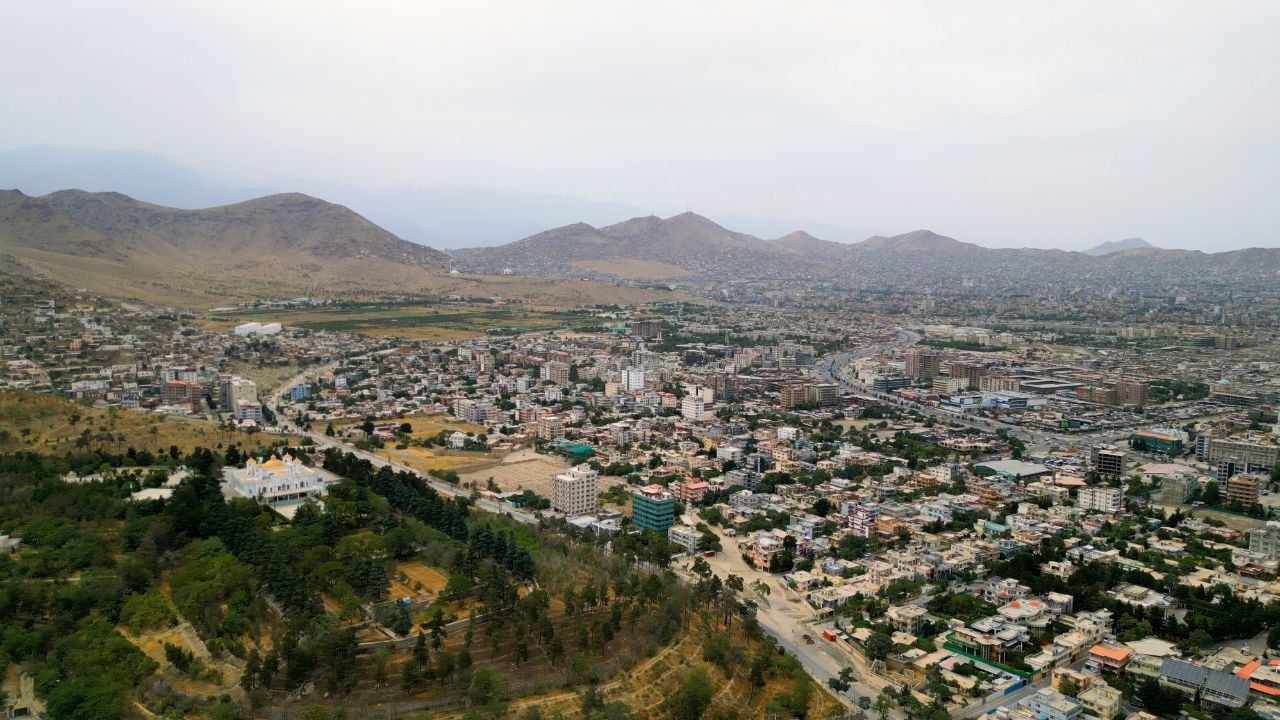
Few destinations illustrate travel risk as clearly as Afghanistan. The current U.S. State Department advisory lists a Level 4 warning and cites civil unrest, crime, terrorism, wrongful detention risk, kidnapping, natural disasters, and limited health facilities. The same page also states that the U.S. Embassy in Kabul suspended operations and that routine or emergency consular services are not available there. That combination leaves travelers exposed on both the security side and the assistance side.
Even highly experienced travelers can misread how little margin exists in a place with overlapping hazards. A delayed transfer, a damaged road, or a sudden checkpoint issue can become a major crisis when medical options are thin and consular support is absent. Adventure branding does not change that math. For a 2026 itinerary, this is a place to study from afar, not to test your luck.
2. Haiti

Riskline’s 2026 “Least safe” list includes Haiti, and the U.S. State Department keeps a Level 4 advisory in place. The advisory cites kidnapping, crime, terrorist activity, civil unrest, and limited health care. The Haiti page also notes a state of emergency, widespread armed crime, and serious kidnapping concerns affecting U.S. citizens. That is a difficult stack of risks for any visitor to manage on the ground.
Port-au-Prince logistics can look manageable on a map and feel very different in real time. The advisory describes volatile demonstrations, roadblocks, and violent incidents near key movement areas, including concerns around the airport corridor. For trip planning, unpredictability is the real problem, because a routine transfer can turn into a trap when routes close suddenly. In practical terms, most travelers should wait for a far more stable moment.
3. Myanmar

Myanmar is a good example of why one source alone is not enough. It appears on Riskline’s 2026 “Least safe” list, and International SOS also highlighted a security rating increase for Myanmar from High to Extreme on its 2026 map release. The U.S. State Department warns against travel due to armed conflict, civil unrest, and arbitrary enforcement of local laws, while also flagging weak health infrastructure, land mines, unexploded ordnance, and wrongful detention concerns. That mix is especially hard for visitors because it combines direct physical danger with legal uncertainty.
The post-2021 coup environment remains central to the planning risk. Even a quiet-looking district can change quickly around anniversaries, demonstrations, or local crackdowns. Add road unpredictability and emergency care limits, and the margin for error shrinks sharply. For a slideshow audience, this is a classic case where a cheap flight should lose to a bad operating environment.
4. Somalia

Somalia appears in more than one Riskline danger bucket, showing up on both the 2026 “Least safe” list and the “Difficultly of Travel” top ten. U.S. State Department guidance warns against travel due to crime, terrorism, civil unrest, health risks, kidnapping, piracy, and limited availability of routine consular services. It also notes that U.S. personnel movement is heavily restricted and that assistance capacity is extremely limited. Those details point to a place where backup plans can fail because the backup itself is constrained.
What makes Somalia especially difficult is how many systems can go wrong at once, from urban violence to maritime threats off Puntland. Even where activity levels differ by area, the advisory says attacks and explosive incidents can happen anywhere in the country. Medical capacity limits deepen the problem, since an injury that would be routine elsewhere may require a complicated evacuation chain. Travelers thinking “I will just stay cautious” should understand that caution cannot solve structural access gaps.
5. South Sudan
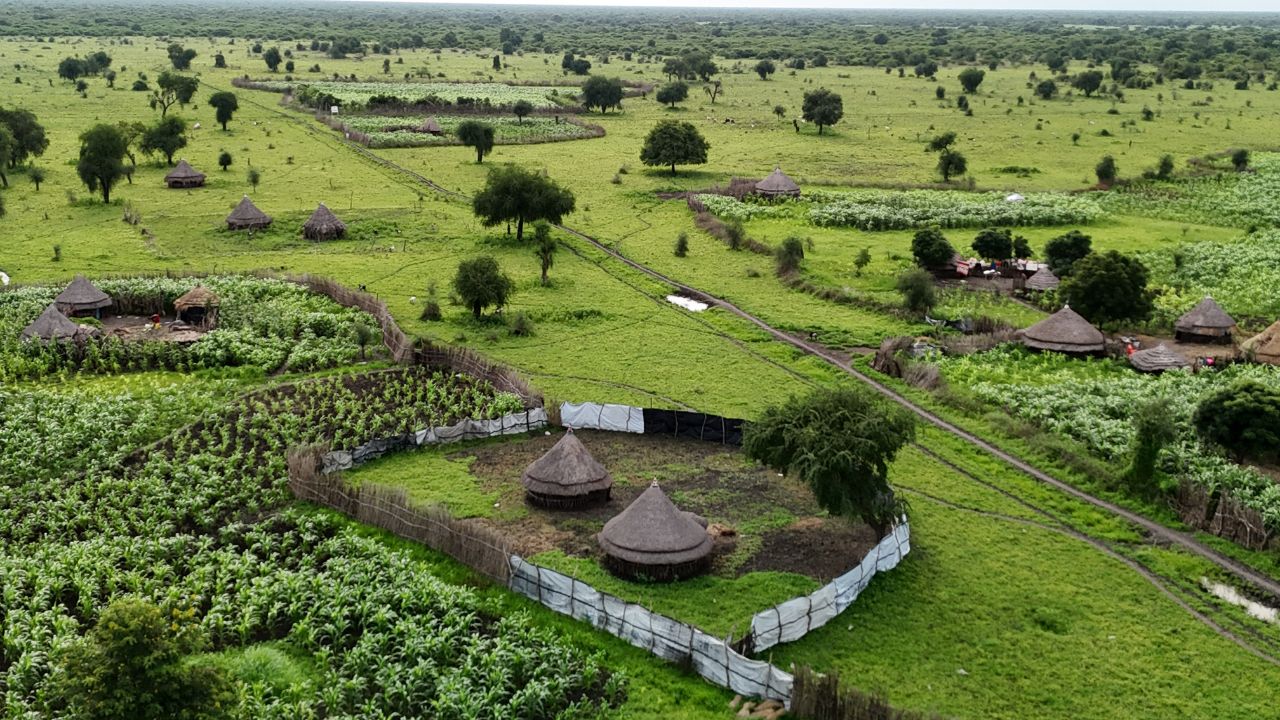
South Sudan combines severe security concerns with weak medical capacity, which is a brutal pairing for travel planning. Riskline lists it among the 2026 “Least safe” countries and also includes it in the “Worst for health & medical care” group. The U.S. State Department advisory places South Sudan at Level 4 and cites unrest, crime, kidnapping, land mines, and health threats. The page also says the U.S. government has limited ability to provide emergency consular services there.
Another important clue appears in the advisory summary: official movement restrictions for U.S. personnel and security limits even in Juba. It also mentions ongoing armed conflict involving political and ethnic groups, plus widespread weapons access. In plain language, this is not a “stick to the nice area” situation. Route risk, sudden violence, and extraction difficulty can collide quickly.
6. Sudan
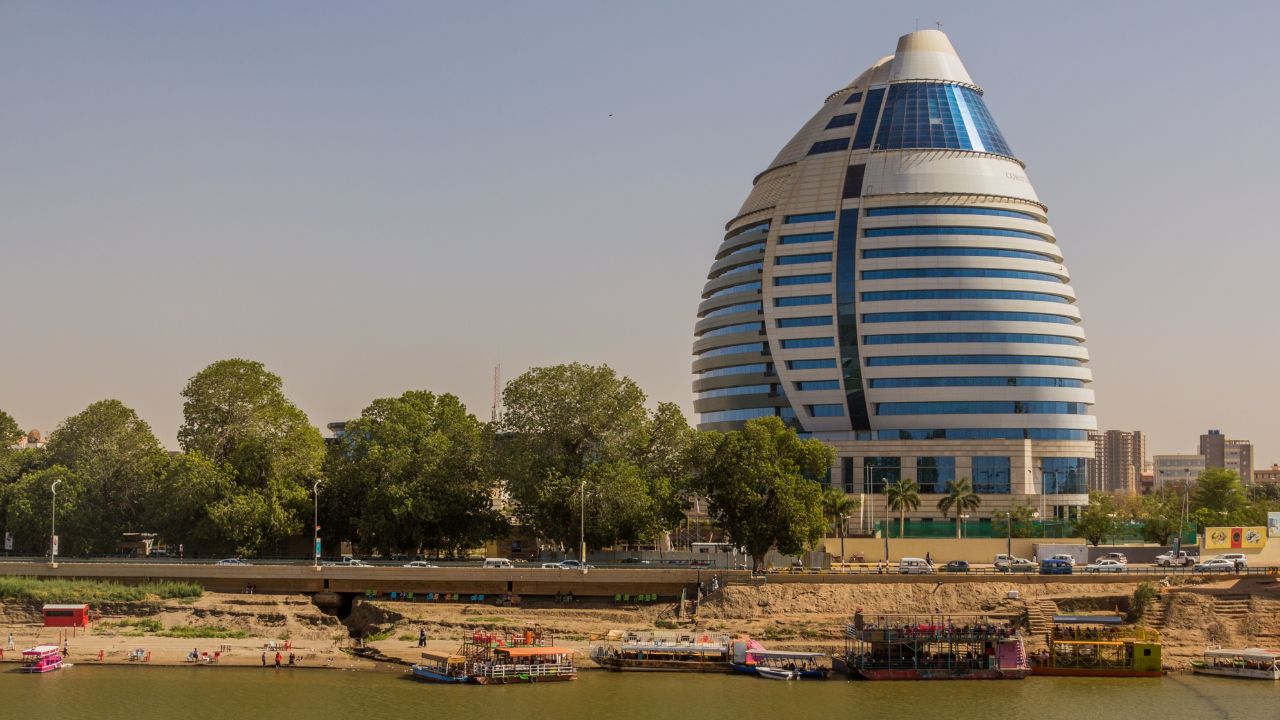
Sudan’s risk profile remains severe, and the U.S. State Department warning stays at the highest advisory tier. Riskline places Sudan on its 2026 “Least safe” list, while the U.S. advisory cites unrest, crime, kidnapping, terrorism, land mines, and health threats. It also states that the U.S. Embassy in Khartoum suspended operations in April 2023 because of the armed conflict outbreak, leaving no routine or emergency consular services in the country. For travelers, that means exposure is high while official support is sharply reduced.
From a trip-design perspective, Sudan is difficult because the hazard picture is broad rather than narrow. A traveler is not only dealing with one issue, such as street theft, or one region under tension. The advisory framework points to overlapping security, medical, and mobility threats. That is exactly the kind of environment where plans break in several places at once.
7. Syria

On the health and support side, Syria stands out immediately. Riskline places Syria in its 2026 “Worst for health & medical care” list, and the U.S. State Department goes further by placing Syria at Level 4 and citing terrorism, unrest, kidnapping, hostage taking, crime, and armed conflict. It also notes that U.S. Embassy operations have been suspended since 2012 and that the U.S. government cannot provide routine or emergency consular services there because of safety risks. That combination makes standard tourism assumptions collapse very quickly.
Even travelers focused on heritage sites or family visits can run into conditions that no guidebook can smooth out. Hostage-taking risk, shifting front lines, and reduced institutional support create a planning environment with very little control. Medical limitations can turn a non-dramatic incident into a major emergency. In practical 2026 terms, Syria remains a destination to postpone.
8. Ukraine
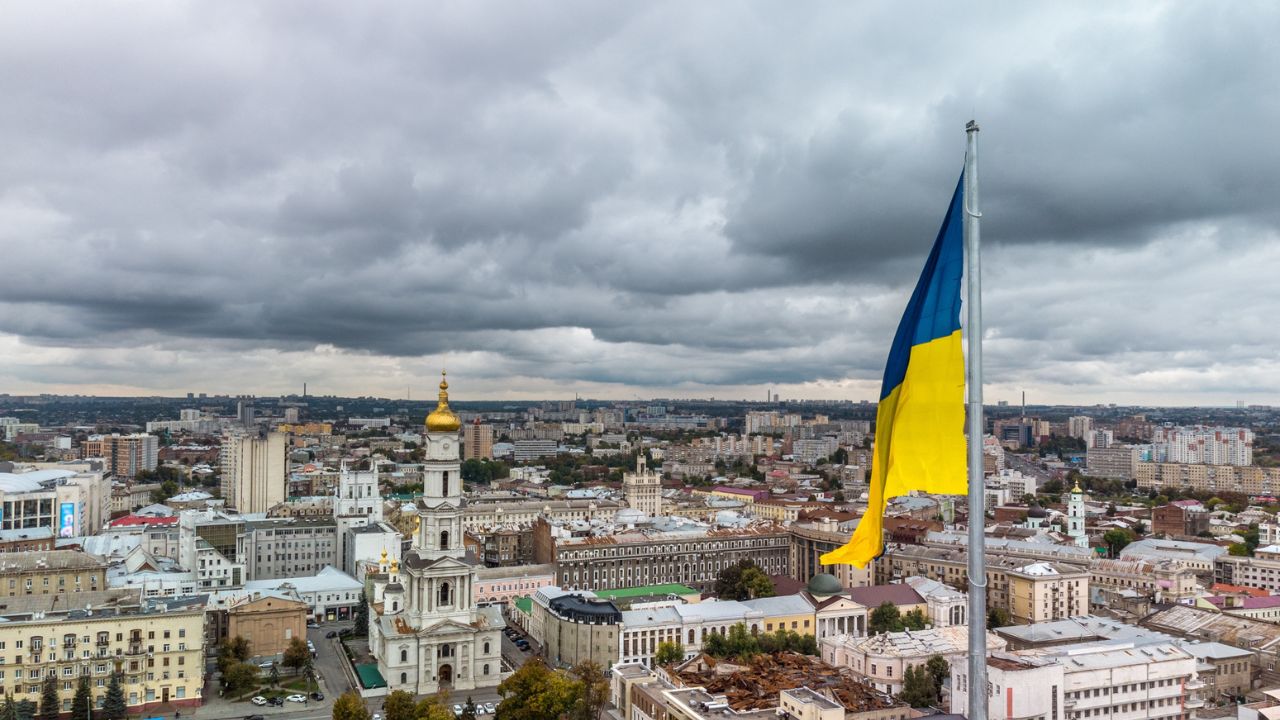
Ukraine requires more nuance than most entries on a danger list. It appears on Riskline’s 2026 “Least safe” list, and the U.S. State Department advisory continues to warn against travel due to Russia’s war against Ukraine. The advisory specifically highlights frontline regions and areas near the Belarus border because of active ground combat proximity, frequent shelling, missile and drone attacks on populated areas and civilian infrastructure, and limits on embassy assistance in those areas. It also notes that some western regions carry a lower advisory level than frontline zones.
That regional variation matters, but it does not erase the nationwide war reality. The U.S. advisory itself distinguishes lower-risk western areas from combat-exposed regions, which is an important planning detail. Still, war conditions can affect transport, power, timing, and air-attack risk far beyond the front. For mainstream leisure travel in 2026, most readers should choose a different destination and revisit the idea when conditions stabilize.
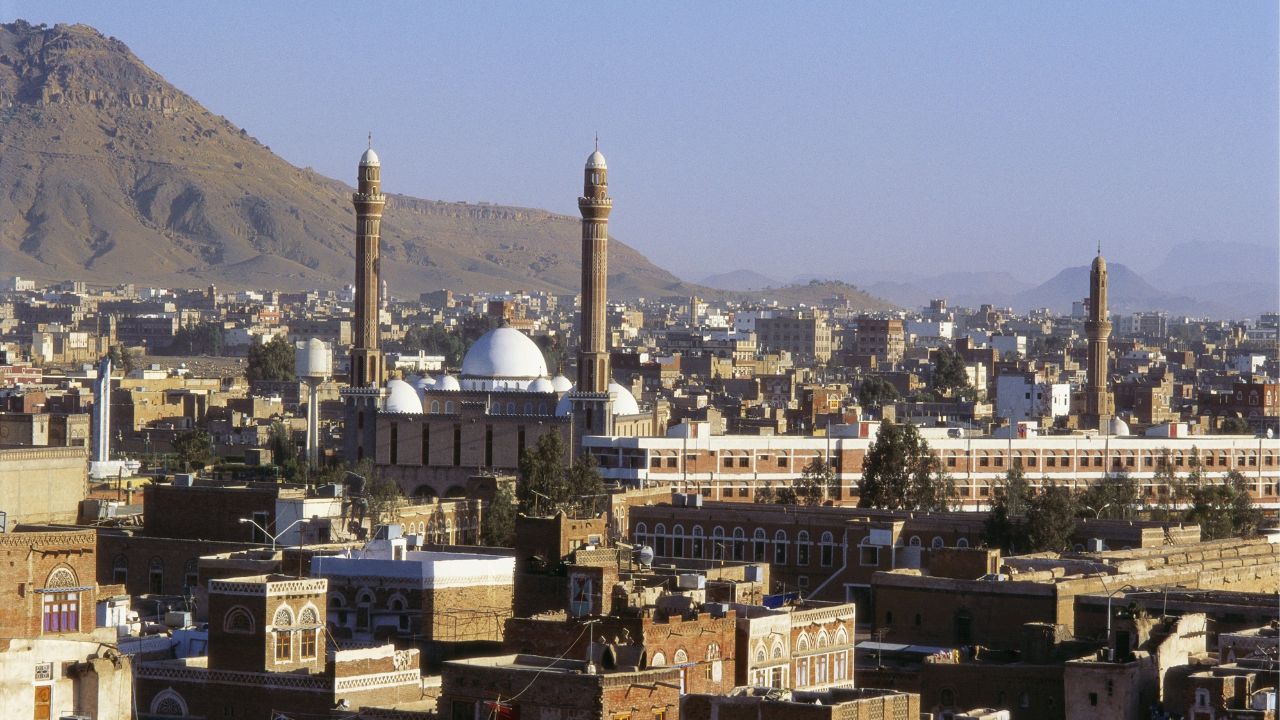
9. Yemen
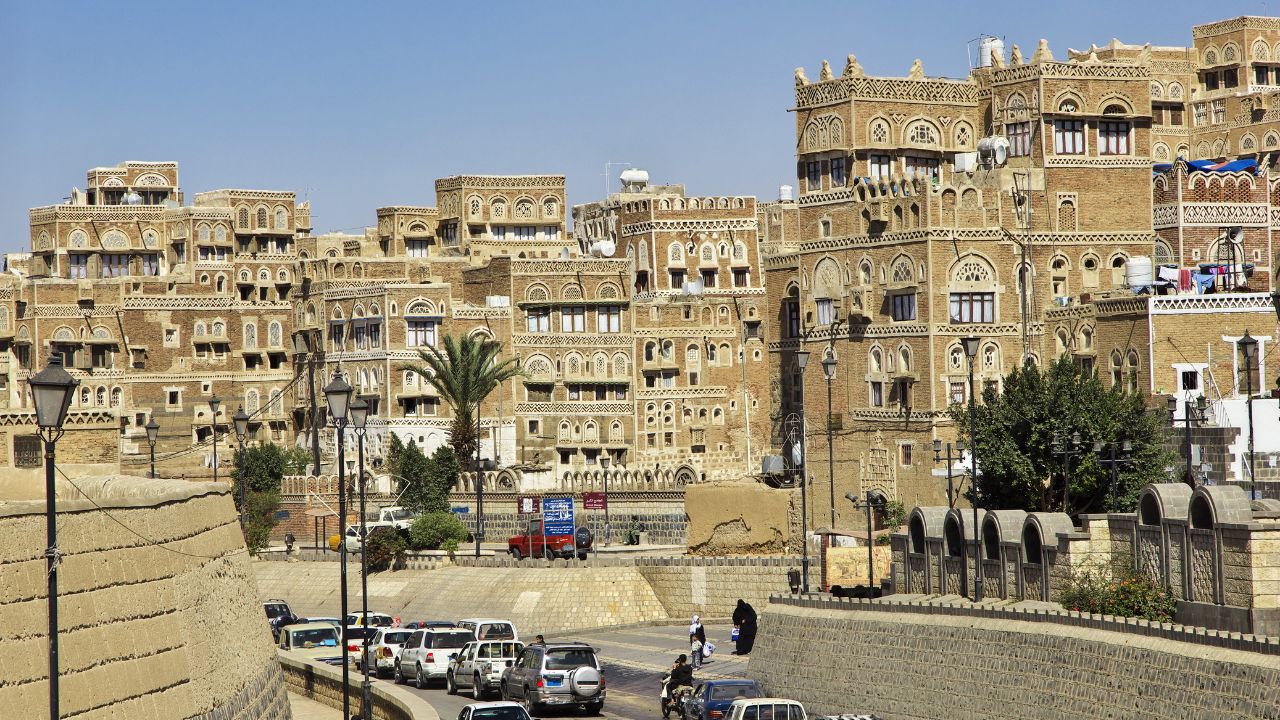
Yemen remains one of the strongest examples of why “scenic” does not mean “safe.” Riskline includes Yemen in its 2026 “Worst for health & medical care” list, while the U.S. State Department places Yemen at Level 4 and cites terrorism, unrest, crime, health risks, kidnapping, and land mines. The same advisory states that the U.S. Embassy in Sana’a has suspended operations and that the U.S. government cannot provide routine or emergency consular services there. For any traveler, poor care access plus conflict-related threats is a brutal combination.
One unusually specific tourism warning makes this entry even more important for readers. The advisory says not to travel to Socotra or any part of Yemen, and warns that some companies outside Yemen have misrepresented safety and sold unofficial, invalid visas. That matters because scenic island marketing can make a place look detached from national conditions when it is not. If an operator’s pitch sounds like a loophole, treat that as a red flag, not a hidden gem.
10. Venezuela

Venezuela stands out as an especially severe planning risk because it appears across multiple Riskline warning categories at once. It is listed on the 2026 “Least safe” board and also on the “Worst for health & medical care” and “Difficultly of Travel” boards, which is an alarming trio for trip planning. The U.S. State Department warns not to travel to or remain in Venezuela, citing high risk of wrongful detention, torture in detention, terrorism, kidnapping, arbitrary law enforcement, crime, civil unrest, and poor health infrastructure. The page also says U.S. diplomatic personnel were withdrawn and consular services remain suspended, with no ability to provide emergency assistance inside the country.
The key risk here is not only street violence. The advisory emphasizes detention exposure and due process concerns, which creates danger even for people who think they can avoid obvious trouble spots. Add shortages and fragile infrastructure, and routine disruptions can snowball quickly. For 2026 travel readers, this is another strong case for postponement rather than improvisation.