
School buses already carry cameras in many communities to catch drivers who illegally pass when children are boarding or exiting. Now, one company reportedly wants to expand that technology far beyond stop-arm enforcement.
According to reports based on leaked documents, BusPatrol is exploring plans to turn school bus cameras into mobile automatic license plate readers. Instead of recording only when a traffic violation occurs, the system could collect data on vehicles encountered along a bus route.
The proposal raises major privacy concerns because school buses travel through neighborhoods every day. Critics argue that using them as roaming surveillance platforms could create another way for law enforcement to track drivers without a warrant.
BusPatrol has not publicly announced a broad rollout, but reports claim testing has already begun on at least one bus. The company reportedly aims to deploy 100 license-plate-reading cameras on buses in the near future.
From Stop-Arm Cameras To Plate Readers
BusPatrol currently provides AI-powered stop-arm camera systems used to identify drivers who pass stopped school buses. The company says it has more than 40,000 cameras deployed across 24 states.
Those systems are designed around a specific safety violation. When a driver passes a stopped bus with its stop arm extended, the cameras capture evidence that can be reviewed and submitted to law enforcement.
The reported new plan would be different. Automatic license plate readers could scan every passing vehicle, recording plate numbers along with location, date, and time.
That data could then be searched or shared with law enforcement agencies, creating a moving database of vehicle movements gathered from school bus routes.
Privacy Advocates Warn Of Abuse
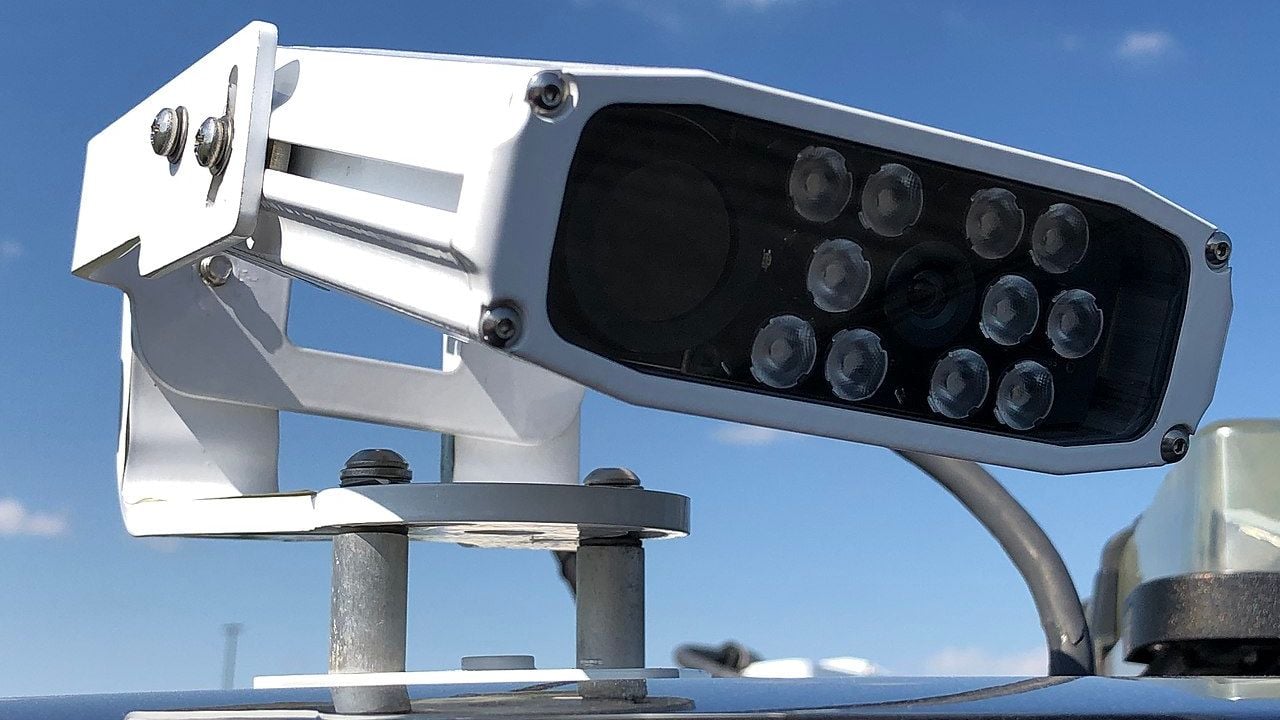
Civil liberties groups have long criticized automatic license plate readers for enabling broad surveillance of ordinary drivers. Unlike traffic enforcement cameras, these systems can collect information even when no one has broken the law.
The concern is not only the data collection itself, but how that information may later be used. We already have several documented cases involving misuse of license plate reader systems, including officers allegedly using databases to track individuals for personal reasons.
Critics argue that placing the technology on school buses makes the issue even more sensitive. Buses travel near homes, schools, churches, businesses, and community spaces, potentially capturing a detailed picture of everyday movement.
ACLU analyst Jay Stanley warned that using child safety as a justification for expanding surveillance risks pushing communities into accepting tools they might otherwise reject.
Safety Argument Meets Surveillance Debate
Supporters of school bus cameras argue they help protect children from dangerous drivers. Few motorists would defend illegally passing a stopped bus, and many communities have embraced enforcement systems for that reason.
The debate changes when the technology no longer focuses only on school bus safety. A system that scans every vehicle along a bus route becomes a broader law enforcement tool rather than a narrowly targeted traffic safety measure.
That distinction is important because laws governing this technology remain inconsistent. In many places, police can access privately collected plate data without the same standards required for more traditional searches.
For now, the reported BusPatrol plan remains controversial and unproven at scale. Still, it shows how quickly vehicle-related camera systems can shift from traffic enforcement into mass data collection, especially when companies look for new revenue streams after installing the hardware.