
The sweeping legal battle over U.S. tariffs might have just erupted into one of the largest potential refund fights in American trade history. This is billions of dollars now hanging in the balance for companies that import goods into the United States.
At the center of the dispute is a ruling that struck down tariffs imposed by the President Donald Trump administration, setting off a wave of lawsuits and a complicated fight over who gets their money back and how.
The Tariffs That Shook Global Trade
The controversy traces back to tariffs that the president introduced under the International Emergency Economic Powers Act, a federal law that allows the president to take economic action during national emergencies.
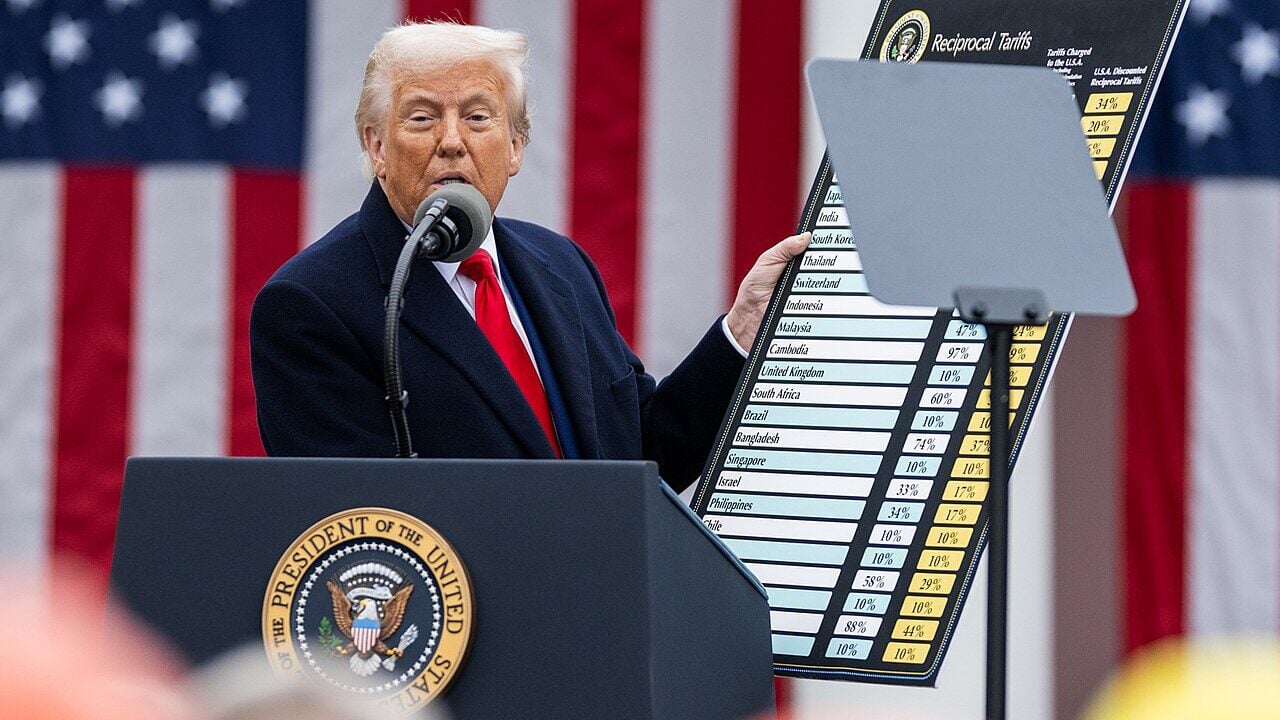
The tariffs targeted foreign imports and were applied across a wide range of products entering the United States.
For months, businesses importing goods paid the duties as required. But the policy soon faced legal challenges from companies that argued the administration had stretched the emergency powers law beyond what Congress intended.
The dispute eventually reached the highest court in the country. In a landmark decision earlier this year, the Supreme Court of the United States ruled that the tariffs were unlawful because the emergency powers law did not grant the president broad authority to impose sweeping import duties.
The $130 Billion Refund Fight Begins
That ruling immediately opened the door to a massive financial question. If the tariffs were illegal, companies that paid them could potentially claim refunds.
The numbers involved are staggering. Estimates suggest the U.S. government collected well over $130 billion in tariffs under the policy before it was struck down. When interest is added, the potential total that could be owed back to importers could climb even higher.
That possibility triggered a flood of legal action. More than 2,000 companies have already filed lawsuits seeking refunds of the duties they paid. Importers across industries are now trying to reclaim money they say should never have been collected in the first place.
The cases are being handled by the United States Court of International Trade, the federal court that specializes in disputes involving tariffs, customs enforcement, and global commerce.
Judge Richard K. Eaton has taken a central role in the proceedings. In a recent order, Eaton directed the government to begin preparing for the possibility of refunds. His instructions required the U.S. Customs and Border Protection to recalculate import entries and determine how much money importers may be owed.
Why Automakers and Importers Are Watching Closely
For companies that rely heavily on international supply chains, including many in the automotive industry, the stakes are enormous. Automakers and parts suppliers import vast quantities of components, electronics, metals, and finished products.
Tariffs on those goods can dramatically increase costs.
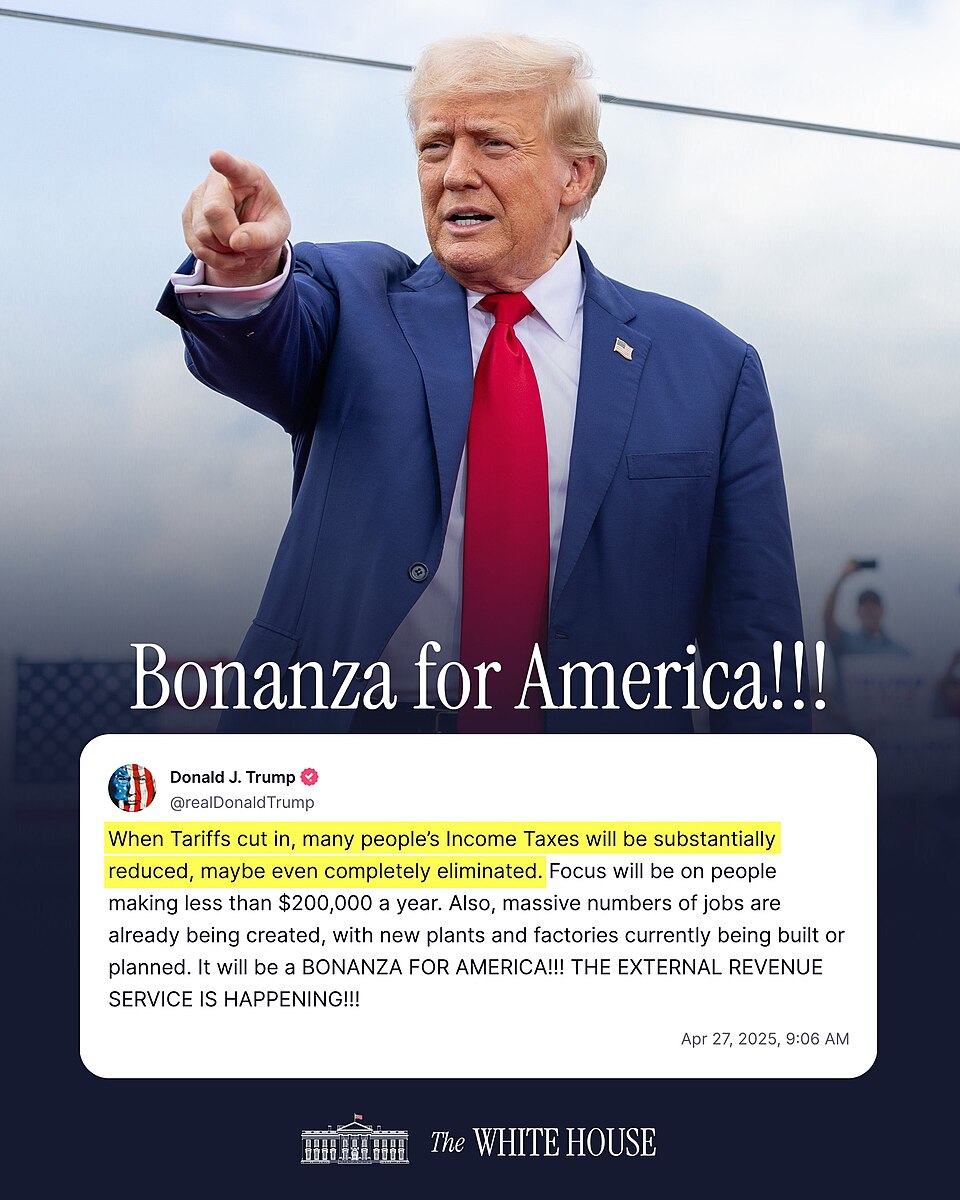
If the refunds are eventually paid, some companies could recover millions of dollars in unexpected costs that were absorbed during the tariff period.
However, the road to repayment is far from simple. Customs officials say the scope of the task is unprecedented. The tariffs affected more than 300,000 importers and tens of millions of individual import entries. Every transaction would need to be reviewed and recalculated to determine the exact refund amount.
Officials have warned that manually processing refunds on that scale could require millions of hours of work. To address the challenge, the government has proposed building an automated system designed to calculate refunds far more quickly.
According to officials, the technology could potentially process the payments within about 45 days once it receives approval.
The Legal Maze Ahead
Even that plan isn’t without legal uncertainties. Parts of the court’s order have been temporarily paused while the broader litigation continues. The government and importers are still arguing over how refunds should be calculated and how quickly they must be paid.
The dispute has quickly become one of the most consequential trade cases in recent memory. Beyond the massive financial implications, the ruling also sets limits on how future administrations may use emergency powers to impose tariffs.
For the automotive sector and other industries that depend on global trade, the outcome could reshape the financial fallout from one of the most controversial tariff policies in recent U.S. history.
Whether companies ultimately recover billions of dollars or face a prolonged legal fight will depend on how the courts resolve the next phase of the case.
Sources: NPR