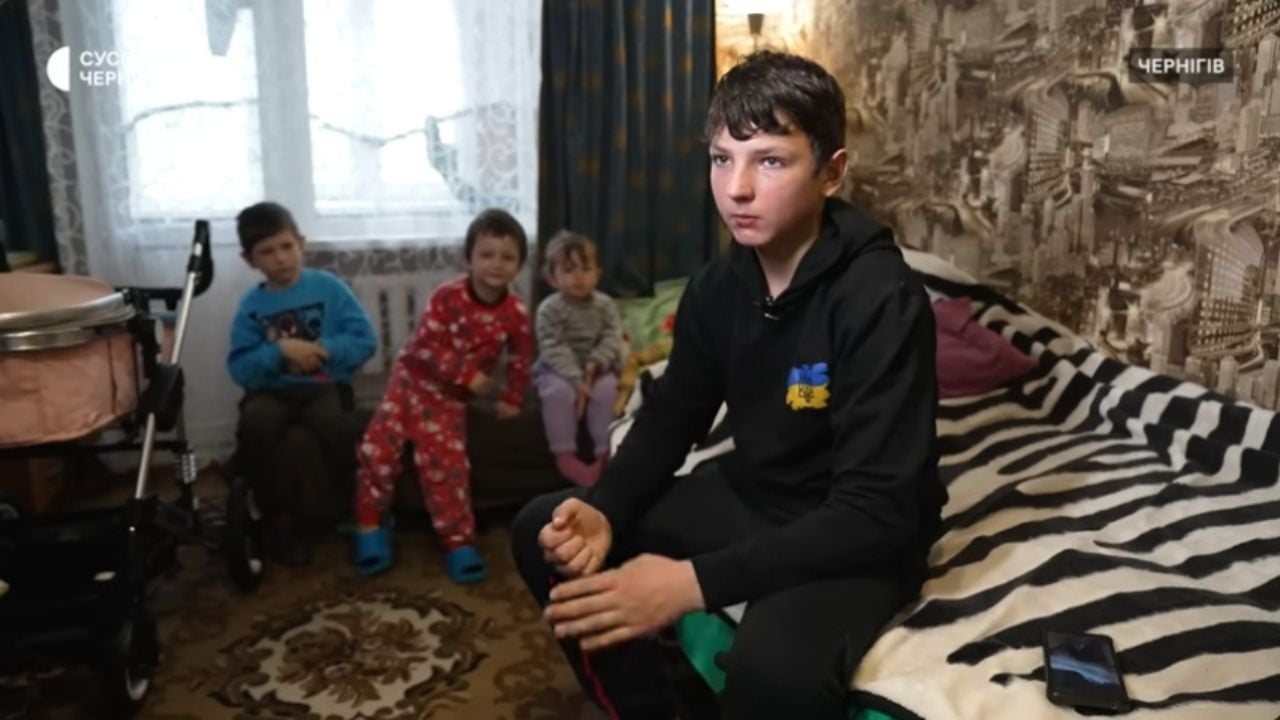

A dramatic moment unfolded in the northern Ukrainian town of Semenivka, where a 12-year-old boy intervened to stop a looming threat from the sky.
According to Ukrinform, citing regional outlet Suspilne Chernihiv, Anatolii Prokhorenko acted decisively when he spotted a Russian FPV drone heading toward a group of children, including his younger siblings.
The date was April 18, and the setting was a residential area where kids were outside playing. The drone, guided remotely through a fiber-optic cable system, was flying low and adjusting its direction.
Anatolii recognized the danger almost instantly. He understood that if the drone reached its target, the consequences could be devastating.
Split-Second Thinking and Action
Recounting the incident, Anatolii described how he assessed the situation in real time. He noticed the drone changing direction and calculated that he had only seconds to act.
Dropping low to avoid detection, he moved into position with a clear objective in mind. He had previously learned that certain FPV drones rely on fiber-optic cables for control, and that cutting the cable could disable them.
With urgency building, his dad shouted encouragement from nearby. Anatolii followed through, cutting the cable at just the right moment.
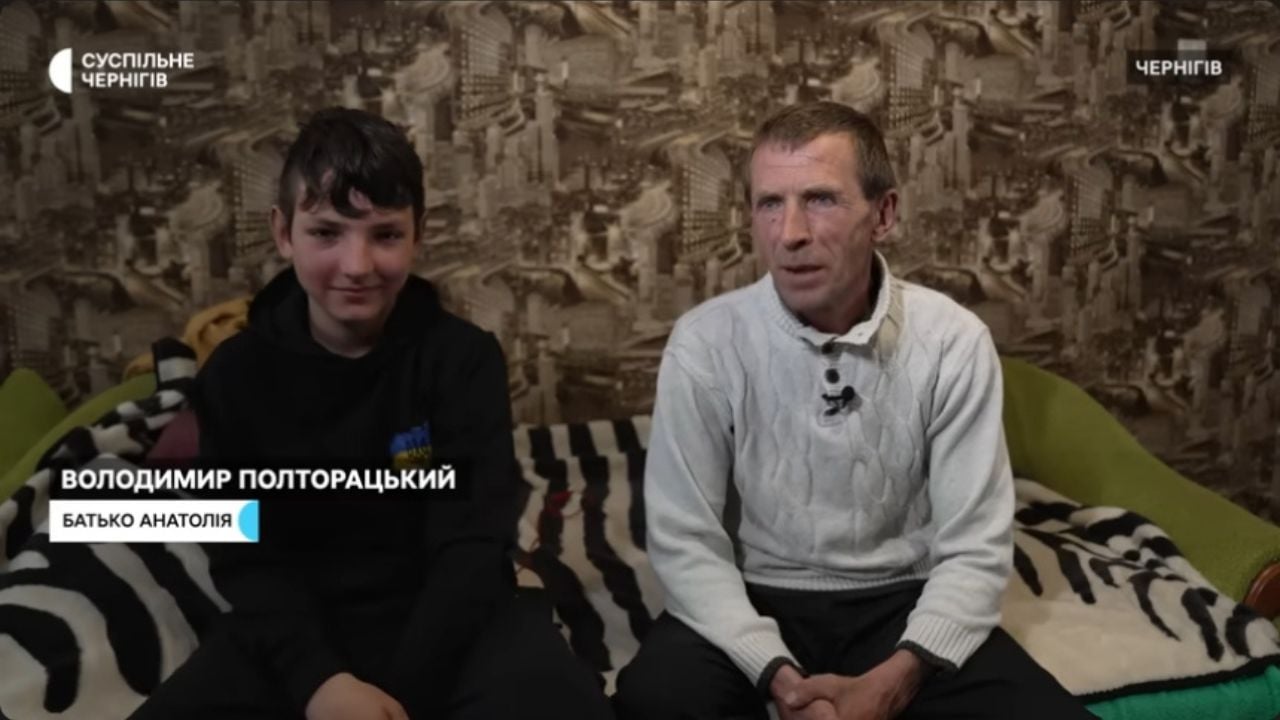
Суспільне Чернігів/YouTube.
The effect was immediate. The drone lost control, lifted slightly, then began to fall. For a tense moment, those nearby braced for an explosion. Instead, the drone crashed into bushes roughly 100 to 150 meters away from the group, sparing everyone from harm.
War zones often force children into roles far beyond their years. In environments like Ukraine, where violence intrudes daily, kids absorb responsibility as a survival instinct.
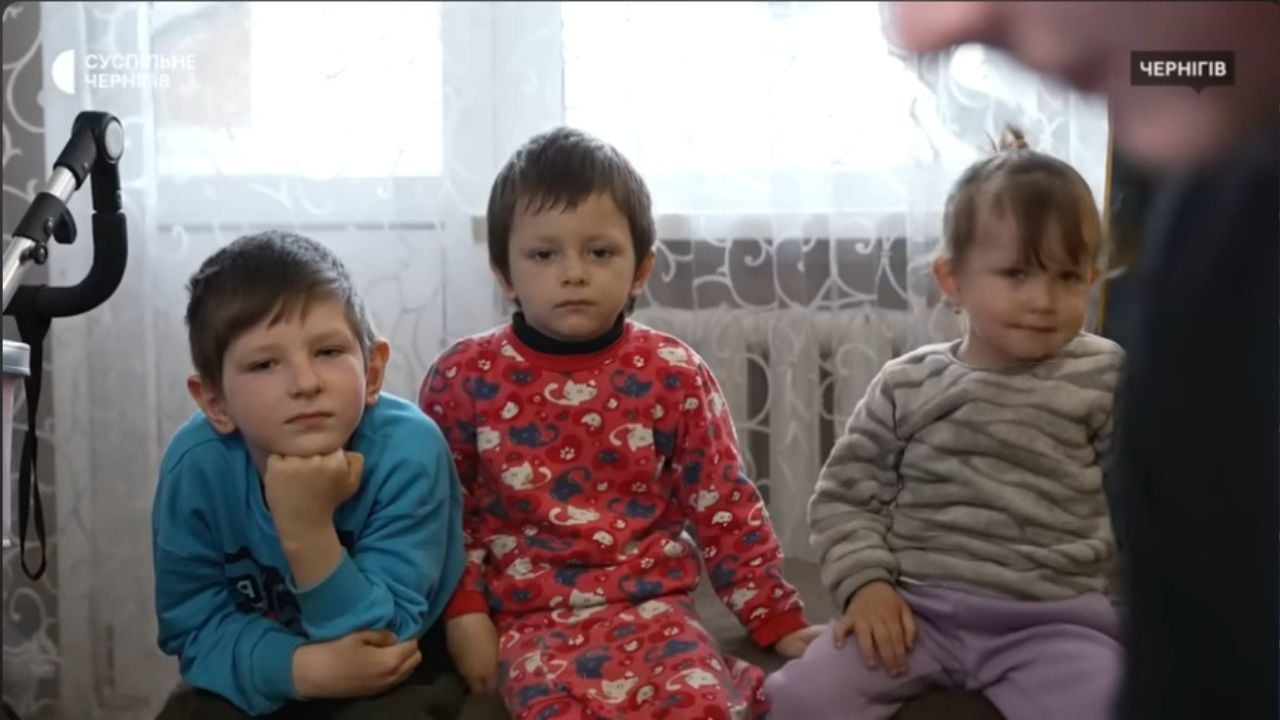
Суспільне Чернігів/YouTube.
A 12‑year‑old like Anatolii stepping in to protect his siblings illustrates how childhood is compressed—playtime coexists with vigilance.
Adults cannot shield them completely, so children learn to act as guardians, decision‑makers, and protectors.
This premature maturity is as much a testament to resilience as it is a tragic consequence of conflict: innocence is eroded, and young lives are reshaped by duties that should belong to parents, leaving them carrying adult burdens while still only children.
Where the Knowledge Came From
Anatolii’s ability to act was not based on guesswork. He had picked up the technique from Ukrainian soldiers he had met earlier.
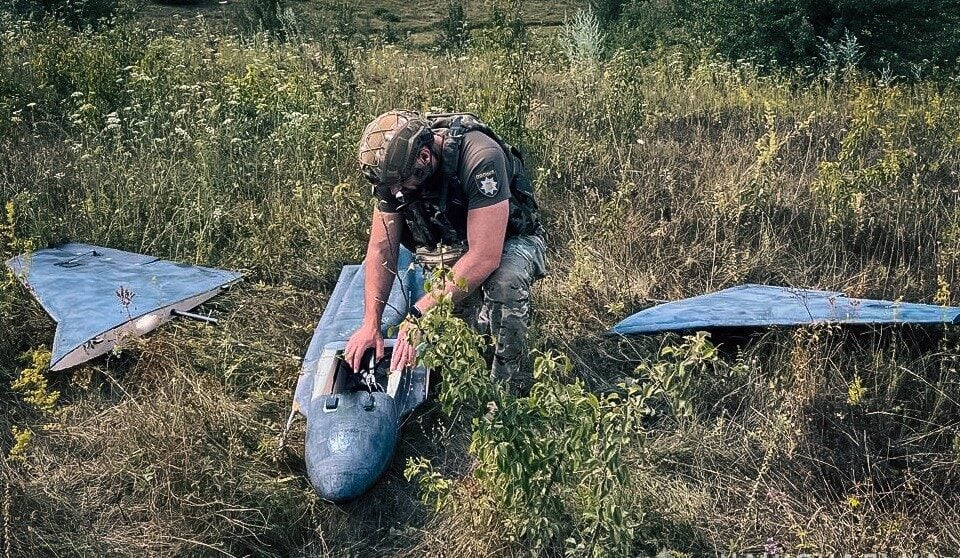
According to his account, he had spent time helping them cut firewood in a forested area. During one of those encounters, a soldier showed him a piece of fiber optic cable and explained its purpose, adding that in rare situations, cutting it could neutralize a drone.
That lesson stayed with him. When the moment came, instinct and concern for his family took over. Anatolii later admitted he was afraid, especially since it was his first time attempting such a risky move. Still, the presence of his siblings and other children pushed him to act despite the danger.
Apparently, Ukrainians, even children, have been forced into a brutal familiarity with war.
Daily exposure to air raid sirens, missile strikes, and drone attacks has normalized danger in their environment. Communities adapt by sharing survival knowledge—how to recognize threats, where to hide, and what actions might save lives.
For a 12‑year‑old to know how FPV drones operate reflects both the pervasiveness of violence and the resilience of local culture.
Children absorb tactical awareness from adults, peers, and lived experience. What would be extraordinary elsewhere becomes instinctive in Ukraine: survival skills passed down as urgently as language or tradition.
Life Beyond the Incident
While the outcome was fortunate, experts say the situation could have turned out very differently.
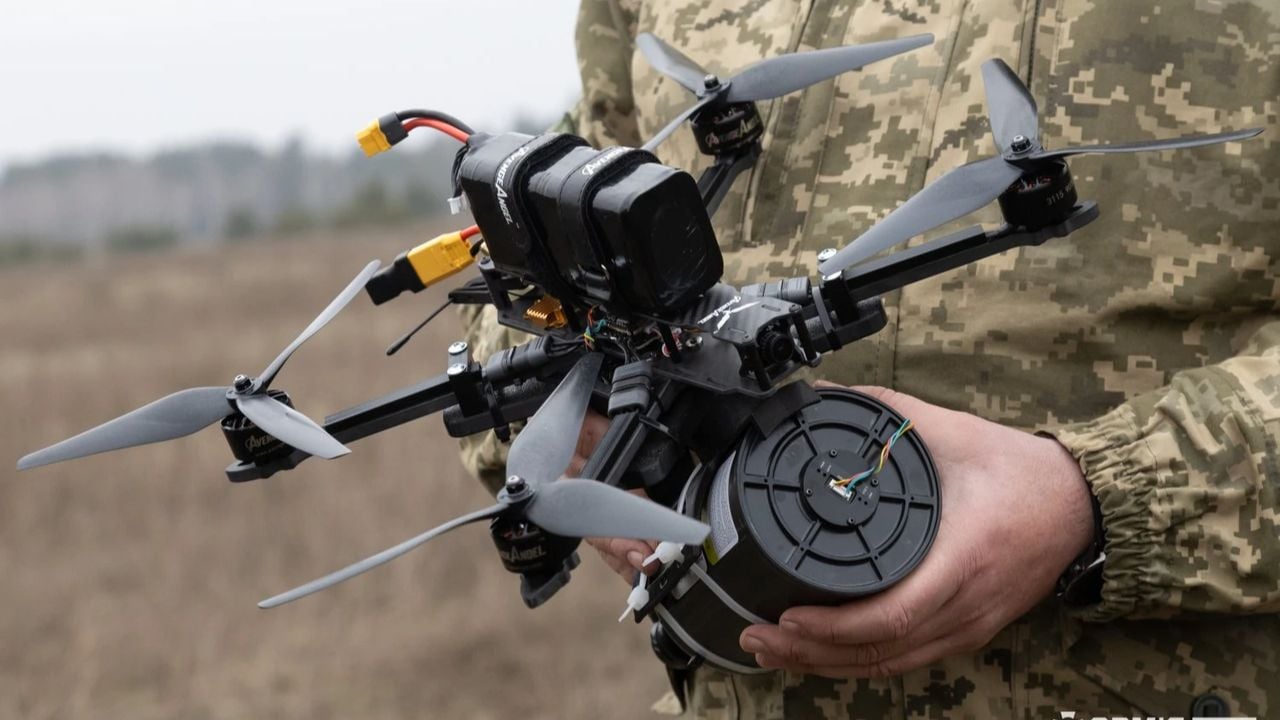
Mykyta Havrylenko, operations director of a Ukrainian UAV training center known as “Kruk,” pointed out that FPV drones are often deployed in pairs. One drone may carry out the strike while another observes from above, sometimes at altitudes around 300 meters.
In such scenarios, anyone interfering with the operation can become a target. If a second drone had been present and spotted Anatolii’s actions, he might have faced immediate retaliation. That context highlights just how risky his intervention was.
Anatolii is a seventh-grade student and the eldest of five children.
Due to ongoing security concerns in the region, his family has relocated to Chernihiv and plans to apply for internally displaced status.
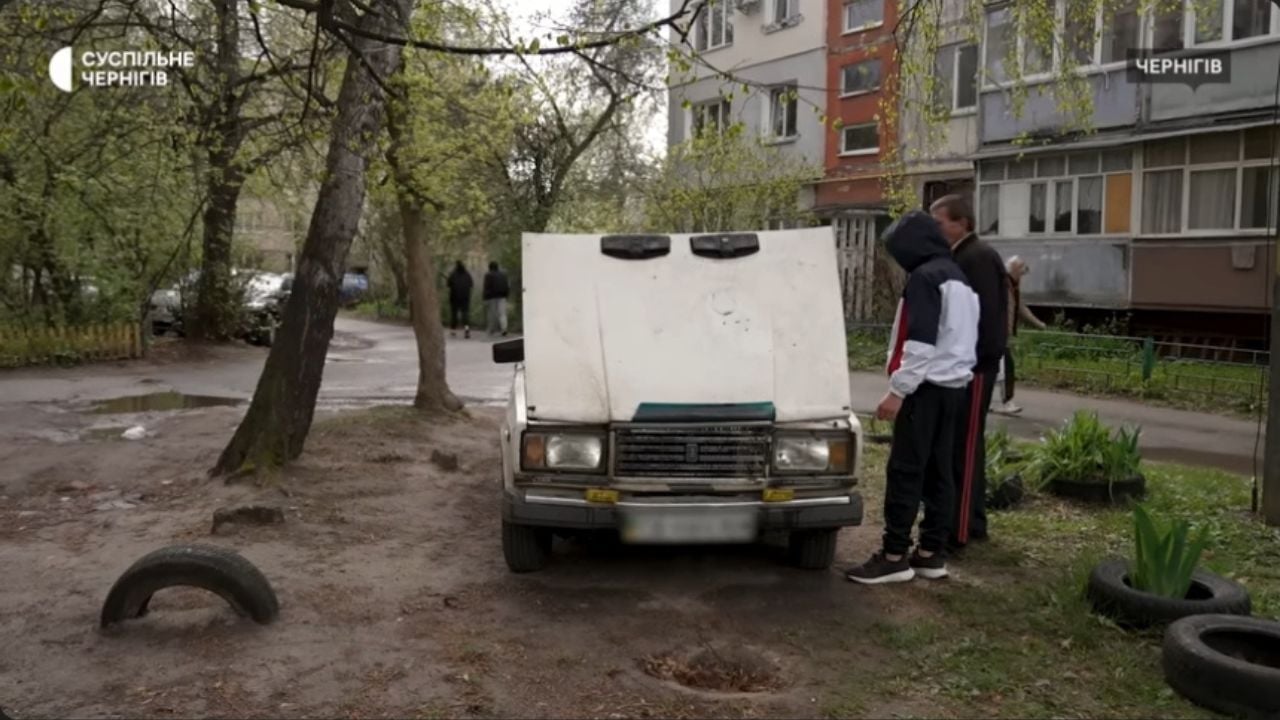
Суспільне Чернігів/YouTube.
Despite the upheaval, he maintains a strong interest in mechanics, often working alongside his father to repair their car.
That passion connects with a growing ambition.
After his encounter with the drone, Anatolii says he is considering a future in the military, particularly in drone operations. For now, though, his immediate wish is far simpler. He hopes for an end to the conflict that has brought such dangers into everyday life.
The report from Ukrinform underscores how modern warfare increasingly intersects with civilian spaces, where even young individuals can find themselves making life-or-death decisions in seconds.