Modern supercars are faster, cleaner, and easier to drive than ever. The problem, at least for some collectors, is that effortless speed can make the driver feel less necessary.
That has made the great manual-era supercars even more desirable. A gated shifter, a naturally aspirated V12, early turbo power, light steering, mechanical noise, and limited electronic filtering now feel like luxuries rather than inconveniences.
The market has noticed. The best examples are no longer just expensive old exotics. They are physical, demanding machines from a period when a supercar still asked the driver for timing, judgment, and a little courage.
Values can always move, but demand for the best cars in this group remains serious. Each one combines a true supercar identity, a manual transmission, a major place in performance history, and market momentum that keeps pulling clean examples higher.
Where Manual Feel Meets Real Market Momentum
The strongest cars in this group share more than rarity. They have manual transmissions, pre-hybrid character, real engineering importance, and driving experiences that modern technology cannot easily recreate.
Rarity still matters, but it is not enough on its own. A supercar also needs emotional weight: the sound, the layout, the difficulty, the history, and the kind of road feel that makes collectors believe the car represents something that will not be built the same way again.
Recent auction records, valuation data, and respected market sources help separate genuine climbers from cars that are merely expensive. U.S.-style measurements are used throughout, including mph, hp, lb-ft, cubic-inch displacement, and dollar values.
Ferrari 288 GTO
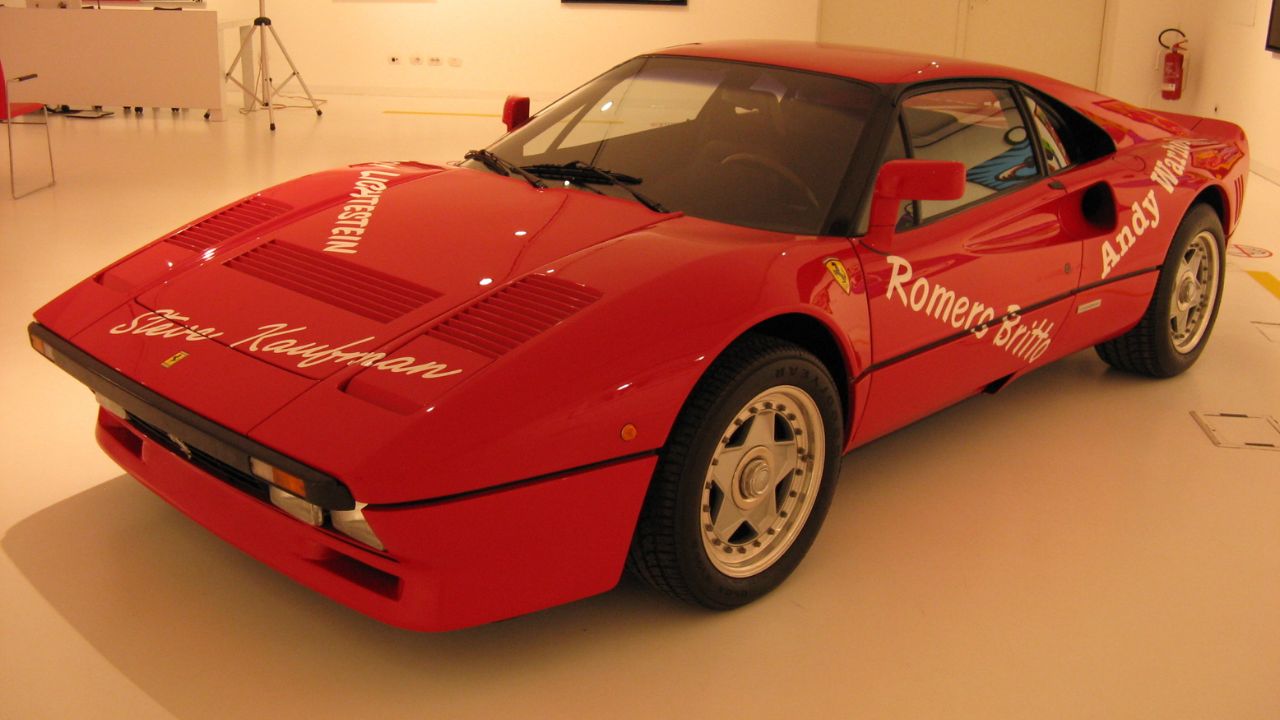
The Ferrari 288 GTO is where the modern Ferrari halo-car bloodline truly begins. It looks close enough to a 308 to feel almost restrained, but underneath the shape is a far more serious machine with a longitudinal twin-turbo V8, a five-speed manual, and Group B intent that never reached the stage.
Ferrari lists the GTO with a 2,855-cc engine, roughly 174 cubic inches, 294 kW, or about 394 hp, and a 305-km/h top speed, equal to about 190 mph. Those numbers still matter, but the 288 GTO’s real strength is its place in the Ferrari story: the car before the F40, F50, Enzo, LaFerrari, and everything that followed.
Recent market activity shows how far collectors have pushed it. Classic.com lists the 288 GTO’s average sale price at more than $5.39 million, while Gooding Christie’s reported a record 2026 Paris sale of €9,117,500, nearly €2 million above the previous world record. Auction-results conversion placed that sale at about $11.13 million.
This is not nostalgia alone. It is the first Ferrari supercar of its bloodline becoming harder to touch.
Ferrari F40
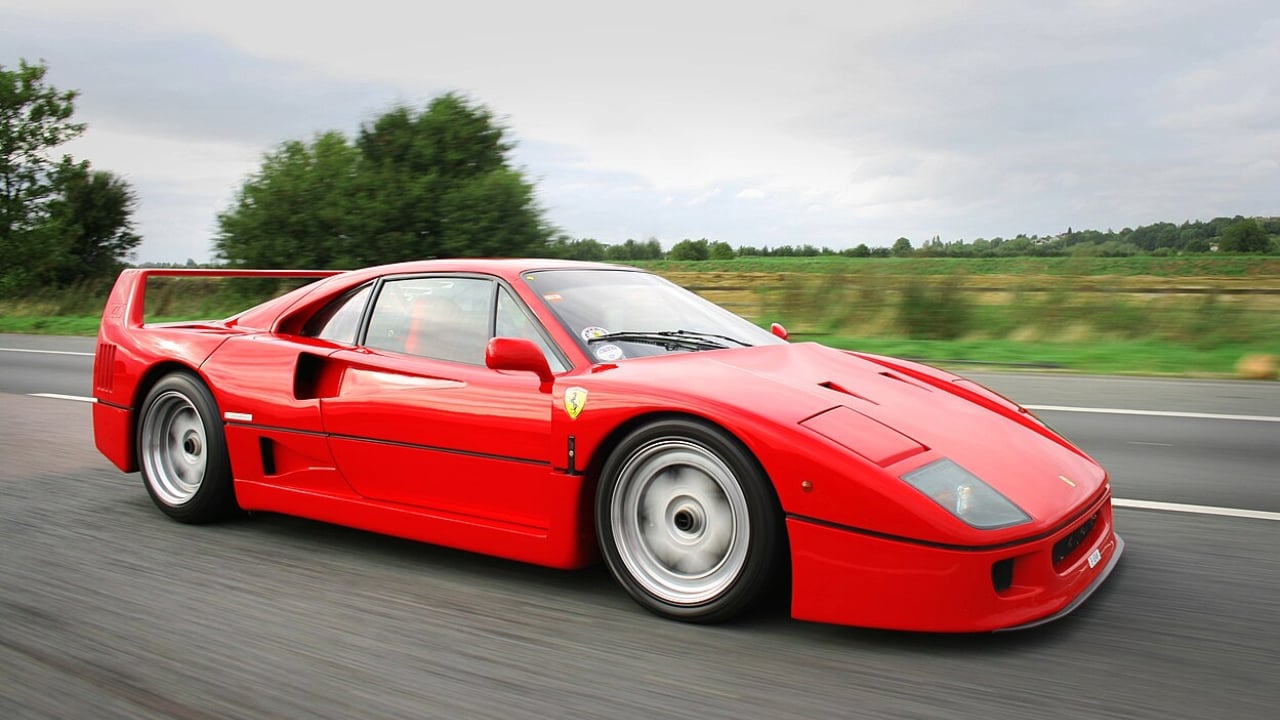
The Ferrari F40 remains the manual-era supercar people use as a measuring stick. It is raw, loud, boosted, sparse, and gloriously demanding.
Ferrari’s own data lists a 2,936-cc twin-turbo V8, roughly 179 cubic inches, about 471 hp, and a 201-mph top speed. In period, that made the F40 a landmark road car. Today, the appeal comes from how little the car tries to soften the experience.
There is no luxury mask, no polished grand-touring personality, and no sense that the driver can relax into the background. Classic.com lists the F40’s average sale price at about $2.77 million and its highest recorded sale at $6.6 million in January 2026.
For many collectors, the F40 is not just valuable. It is the sharpest expression of the old Ferrari supercar ideal.
Ferrari F50

The Ferrari F50 spent years living in the F40’s shadow, but the market has clearly moved past that old comparison. Ferrari built it around a naturally aspirated 4,698-cc V12, roughly 287 cubic inches, a six-speed manual, removable roof panels, and a carbon-fiber chassis that brought genuine Formula 1 flavor to the road.
Ferrari lists the F50 at 382 kW, or about 513 hp, with a 325-km/h top speed, equal to about 202 mph. Its appeal is different from the F40’s violence. The F50 is theatrical, exposed, and far more emotional than its early reputation suggested.
Collectors have noticed. Classic.com lists the F50’s average sale price at about $5.48 million and its highest recorded sale at $12.21 million for a 1995 example in January 2026.
The F50’s rise feels less like hype than a correction. The market has finally caught up with how special the car always was.
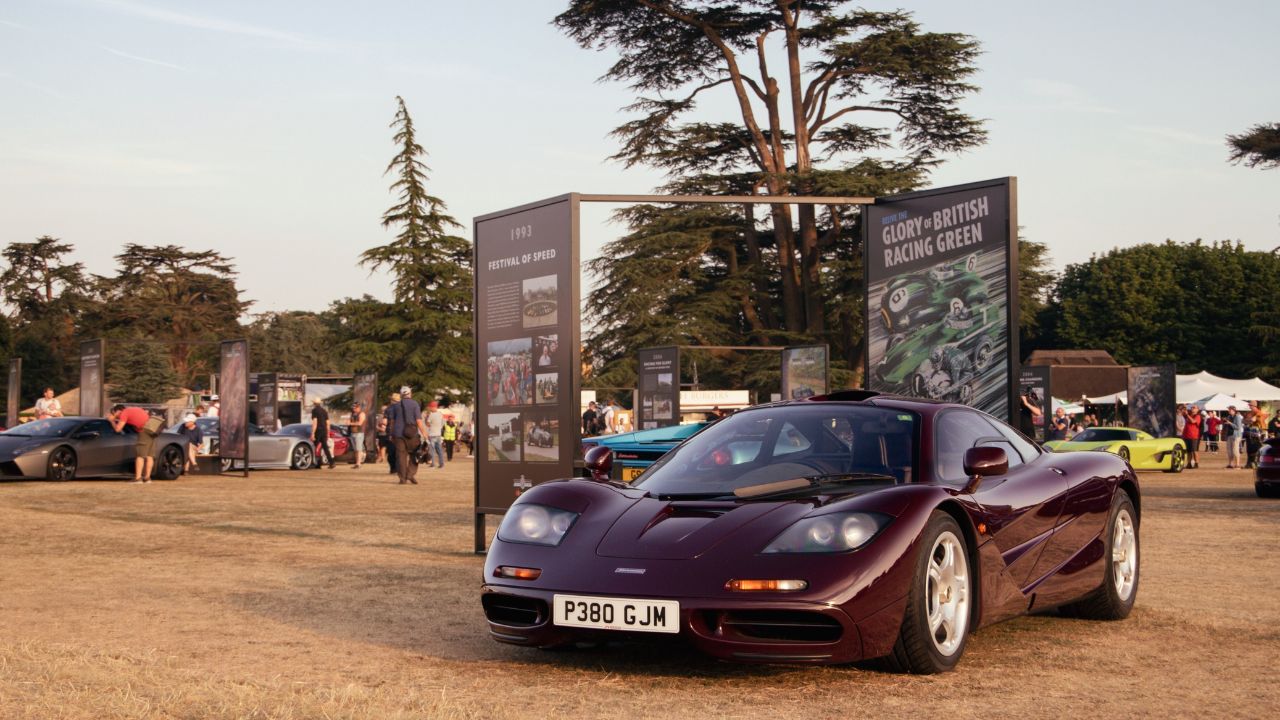
McLaren F1
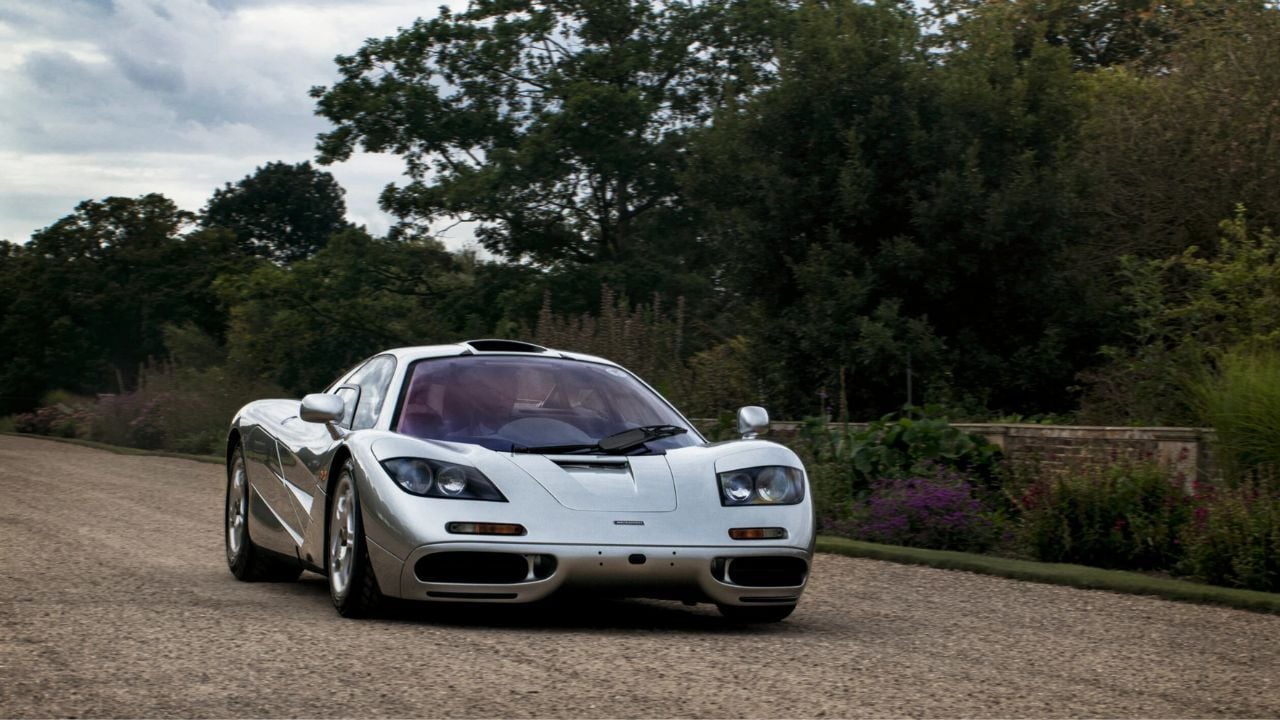
The McLaren F1 makes almost every other manual-era supercar feel slightly ordinary. Its central driving position, naturally aspirated BMW V12, six-speed manual, and obsession with low weight created a machine that still feels futuristic without feeling digital.
McLaren says only 106 examples were made in total, making the F1 one of the most exclusive cars in the world. Across that total, the road-car count is even tighter, with 64 road-specification F1s usually cited separately from prototypes, LMs, GTs, and GTR race cars.
The money reflects more than rarity. McLaren notes that auction prices have reached about $20.5 million, and a 1994 F1 sold for $25,317,500 at RM Sotheby’s Abu Dhabi in 2025.
The F1 is brutally valuable because it is almost impossible to replace. It remains one of the purest expressions of the driver-led supercar dream.
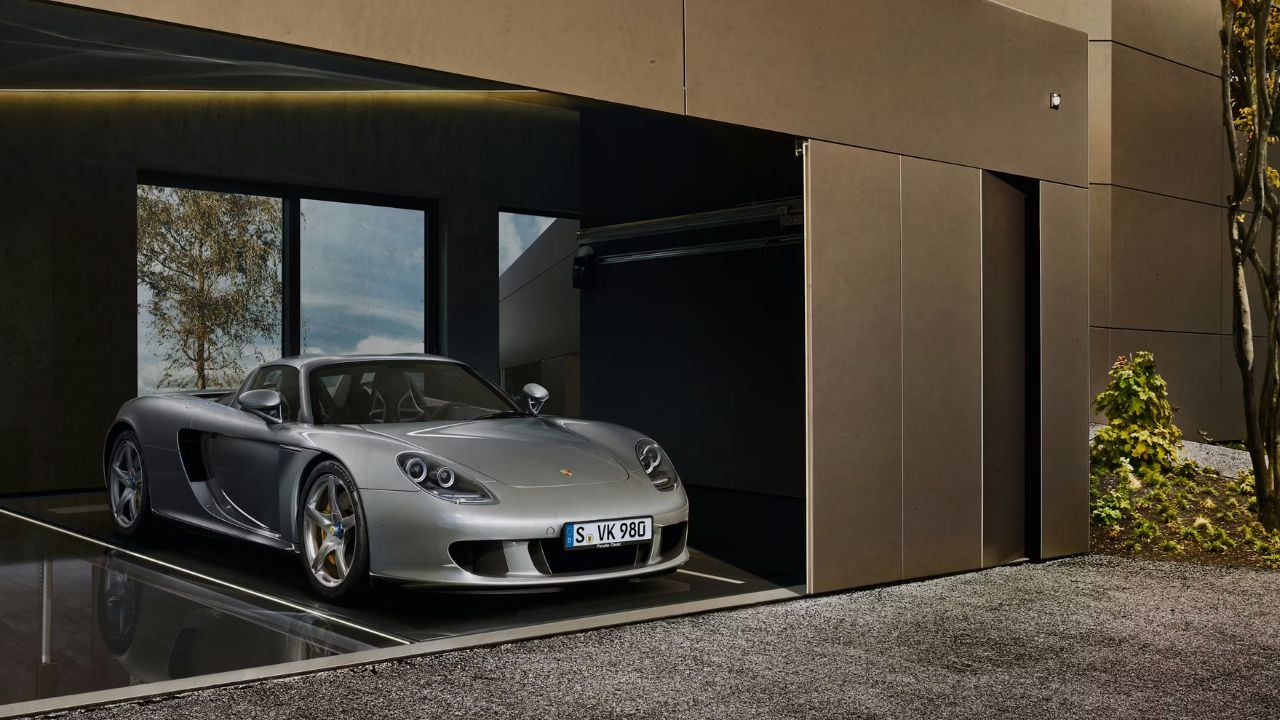
Porsche Carrera GT

The Porsche Carrera GT has moved from feared modern classic to one of the defining manual supercars of the 2000s. Its 5.7-liter V10, roughly 350 cubic inches, six-speed manual, carbon-fiber structure, and compact ceramic clutch demand concentration, which is exactly why collectors now respond so strongly to it.
Porsche lists the Carrera GT’s naturally aspirated V10 at 605 hp, with an 8,400-rpm redline and roots in the LMP2000 race-car program. Period testing placed 0-to-60 mph around the mid-3-second range, while Porsche Classic lists a top speed above 205 mph.
Porsche’s own 2026 Hagerty Bull Market List announcement says values around $1.5 million had begun climbing again after a brief pause, with just 1,270 built from 2003 to 2006.
The Carrera GT’s mix of rarity, sound, danger, and manual control has made it feel more important with every passing year.
Ford GT

The Ford GT is the American manual supercar that no longer looks like an undervalued secret. It has the look of a Le Mans tribute, but the driving experience is wonderfully direct: mid-engine layout, supercharged V8, rear-wheel drive, and a six-speed manual.
Audrain Auto Museum lists the first-generation GT with 550 hp, 500 lb-ft of torque, a 205-mph top speed, and 0-to-60 mph in 3.3 seconds. That puts it firmly in exotic territory, even before the heritage design enters the conversation.
Market data shows how far it has moved. Classic.com lists the first-generation Ford GT’s average sale price around $471,000, with a highest recorded sale of $1.32 million for a 2006 Heritage Edition in January 2026.
The Ford GT keeps climbing because it feels simple, dramatic, and deeply usable by manual supercar standards.
Lamborghini Diablo VT 6.0
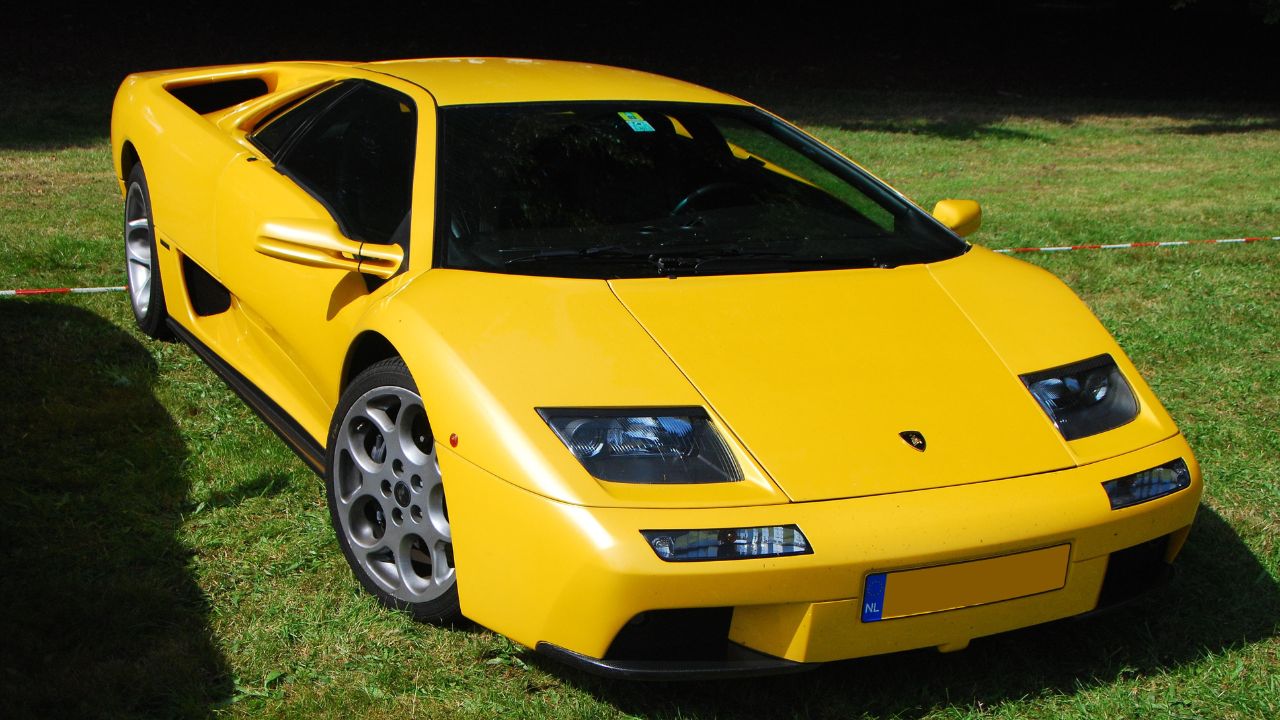
The Lamborghini Diablo VT 6.0 is the final, most polished expression of the old Diablo idea. It still has the width, noise, drama, and intimidation that made the Diablo a bedroom-poster legend, but the 6.0 brought a more mature version of the formula.
Its 5,992-cc V12, roughly 366 cubic inches, produced 550 PS, or about 543 bhp, and 457 lb-ft of torque. The VT 6.0 paired that engine with all-wheel drive and a five-speed manual, giving the last Diablo era a more complete feel without erasing the car’s old-school edge.
Autoevolution lists a 205-mph top speed and a 0-to-62 mph time of 3.9 seconds. The market now treats these cars with far more seriousness, while Classic.com shows the VT 6.0 market with a current benchmark above $540,000.
The last manual-era Diablo has aged into real collector strength because it captures Lamborghini just before the brand changed forever.
Why These Cars Keep Pulling The Market Upward
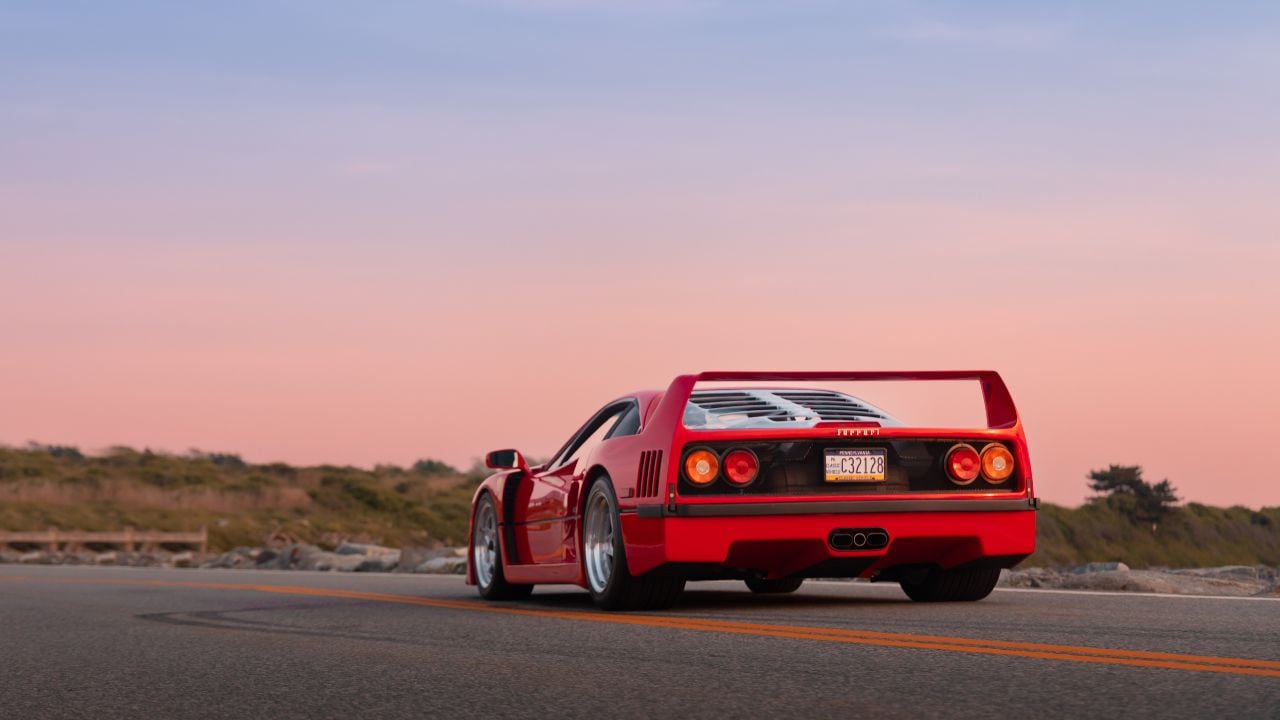
The best manual-era supercars have become valuable for reasons that go beyond speed. Their attraction lives in effort, sound, fear, timing, and the sense that the driver has to earn the result.
Newer hypercars can be faster, yet feel less memorable at normal road speeds. The cars here came from an era when supercars still had rough edges. Those edges once made them difficult. Now they make them precious.
For collectors, the appeal is clear. Machines like the F40, F50, Carrera GT, F1, Diablo, 288 GTO, and Ford GT are no longer just old supercars.
They are mechanical events from a world that will not be built the same way again, and the market keeps rewarding the best examples accordingly.