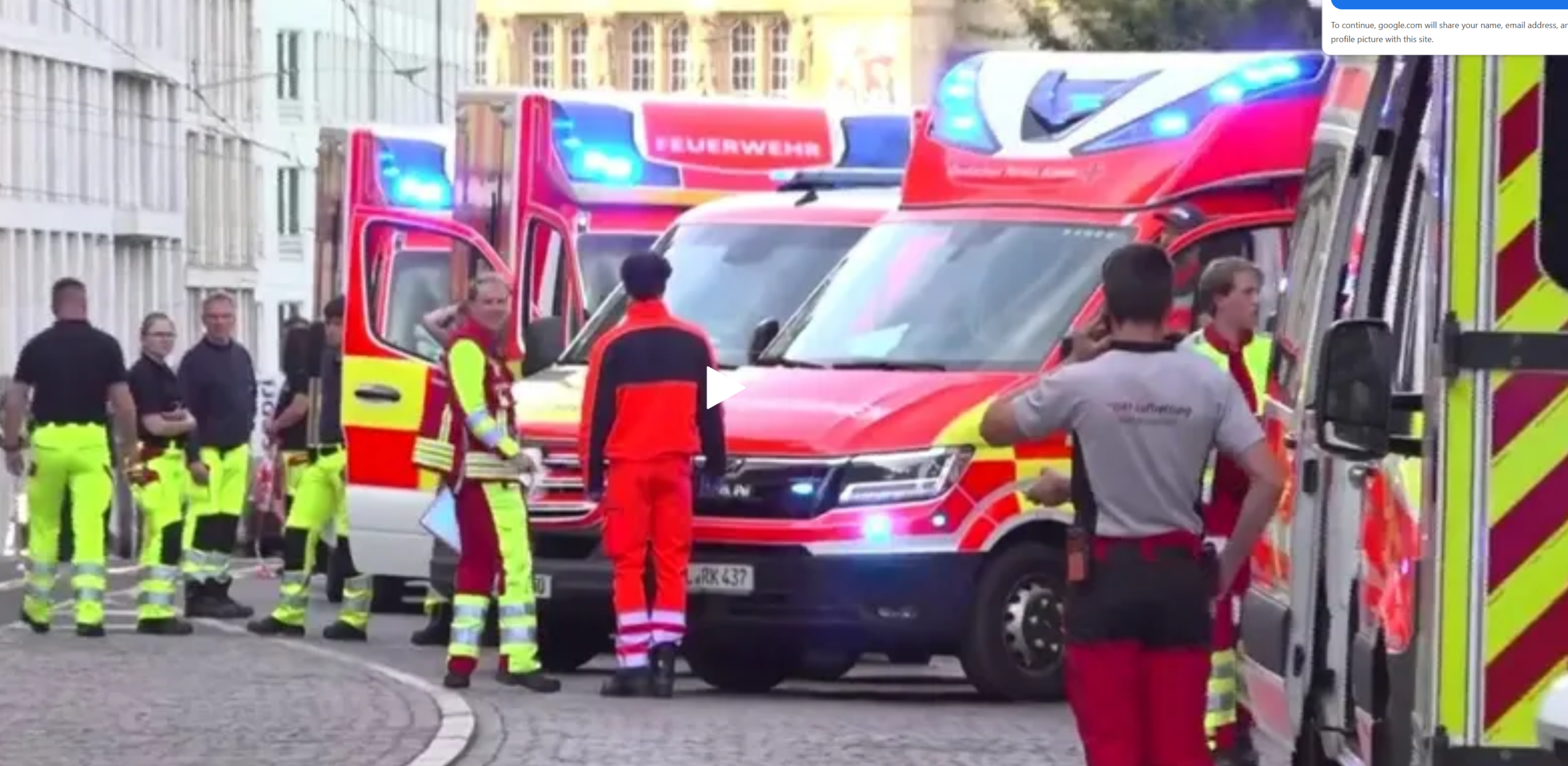
Leipzig, Germany was rocked Monday afternoon when a driver steered a vehicle into a crowded pedestrian zone in the city center, killing two people and leaving at least three others with serious injuries. The incident unfolded in broad daylight, drawing a massive emergency response that shut down surrounding streets and left onlookers shaken.
Police detained the driver, identified as a 33-year-old German man, shortly after the attack. According to officials, he surrendered without any resistance, and authorities moved quickly to assure the public that there was no ongoing threat in the area. Still, the damage was already done, and a city that had been going about its Monday was suddenly in mourning.
Leipzig Mayor Burkhard Jung addressed journalists that evening, describing the scene as a “horrific attack” and confirming the death toll along with the multiple injuries. His tone was somber, and for good reason: finding the right words after something like this, as he admitted himself, is nearly impossible.
The wider context surrounding Monday’s attack is hard to ignore. Germany has been grappling with a troubling pattern of vehicle-ramming and stabbing attacks in recent years, and Leipzig now finds itself added to a list of cities that have faced similar devastation. Officials continue to investigate what drove the suspect to act, but early indications suggest mental health may have been a factor.
What We Know About the Leipzig Attack
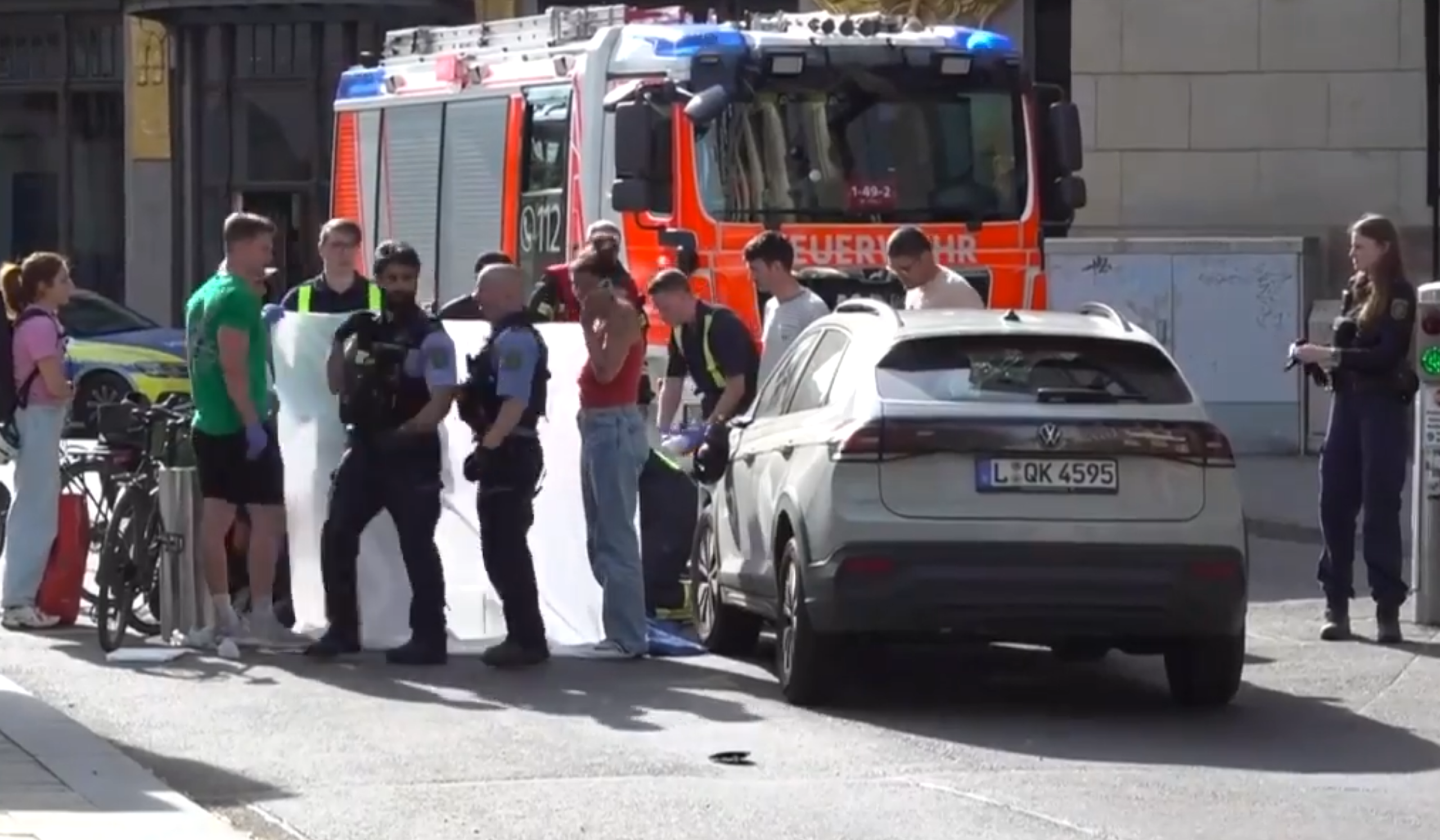
The vehicle involved was a Volkswagen SUV, spotted speeding through the pedestrian zone with alarming speed. Witnesses and local broadcaster Radio Leipzig also reported an unusual and disturbing detail: a person appeared to be on top of the vehicle as it drove through the area. Police flooded the scene with emergency vehicles, and city officials quickly classified the event as a mass casualty incident, though the exact number of people hurt was not immediately pinned down.
Saxony’s Prime Minister Michael Kretschmer weighed in on the suspect’s background, suggesting the man may have been struggling with mental health issues before the attack. That detail, while not yet confirmed, is consistent with the profile of some previous incidents in Germany that did not appear to be politically or ideologically motivated.
Germany’s Troubling Pattern of Vehicle Attacks
Monday’s attack in Leipzig did not happen in a vacuum. Germany has seen a string of similar incidents in recent years that have forced city planners, law enforcement, and policymakers to take a hard look at how to protect public spaces.
Just last year, two people were killed in Mannheim when a driver intentionally drove into pedestrians. Weeks before that, a vehicle attack at a trade union demonstration in Munich claimed two lives and injured more than 40 people, including children. And in December 2024, a car-ramming at a Christmas market in Magdeburg resulted in multiple fatalities, coming just months after a deadly stabbing at a festival in Solingen. The frequency of these events has made it harder and harder for officials to frame each one as an isolated tragedy.
What Can We Learn From This Incident
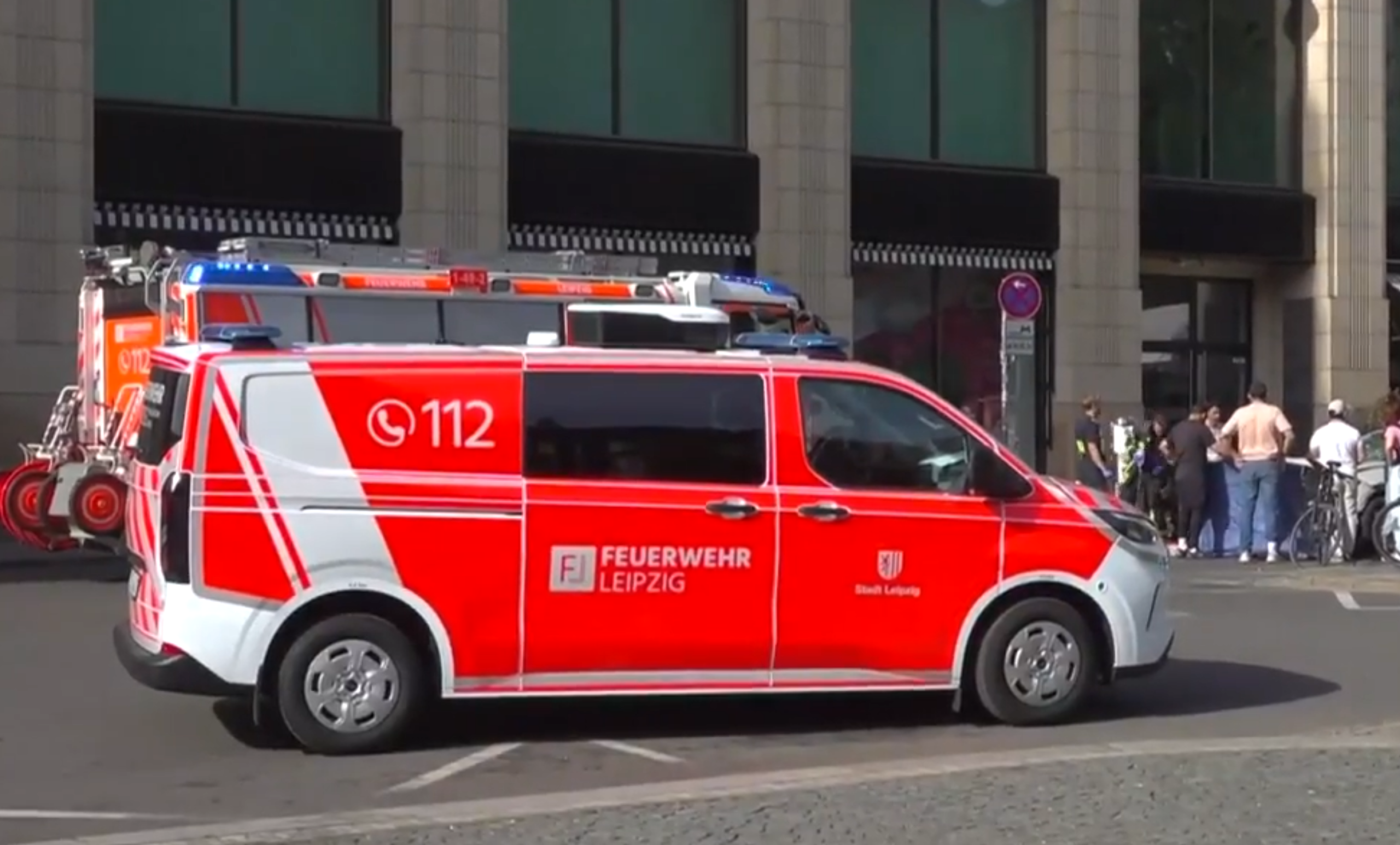
Patterns tend to carry lessons, and Germany’s recent history with attacks in public spaces is no exception. One recurring theme is the vulnerability of pedestrian zones and open-air gathering spots, which by their very nature are difficult to secure without drastically changing what makes them appealing in the first place.
The question of mental health also keeps surfacing. When attacks appear tied to untreated or unaddressed psychological issues rather than organized extremism, it shifts the conversation toward public health infrastructure, early intervention, and how societies identify and support individuals who may be on a dangerous path. There are no easy answers, but repeated incidents suggest the need for ongoing investment in both preventive mental health services and crowd-safety planning in city centers.
The fact that the suspect surrendered without resistance may also point toward someone in crisis rather than someone executing a calculated, ideologically driven plan. That distinction matters for how communities respond, how victims seek to understand what happened, and how governments choose to act going forward.
Leipzig Mourns as Investigation Continues
In the hours after the attack, Leipzig residents gathered near the cordoned-off area, many visibly distressed. Mayor Jung’s words at the press briefing captured what most were feeling: grief, confusion, and the kind of helplessness that comes with sudden, senseless loss.
Investigators are continuing to work through the details of what happened and why, and officials have not yet released a definitive motive. The two people who lost their lives Monday were simply going about their day in a busy part of the city. The fact that a walk through a pedestrian zone can end that way is a reality that Germany, and much of Europe, continues to wrestle with in an increasingly urgent way.