
What makes something cool? Part of it is just a feeling, a vibe you pick up on without needing it explained. And of course, it’s subjective. Not everyone is going to agree on what’s cool, and that’s kind of the point.
That said, scientists and behavioral researchers have actually tried to distill what cool is. What they’ve found is that cool comes from a very delicate balance: doing your own thing, going your own way, but doing it in a manner that still feels socially acceptable. Different enough to stand out, not so different that it feels forced or try-hard.
That definition pretty much sums up most of these classic rides.
For this exercise in cool, we’re using the widely accepted definition of a classic car — the one recognized by DMVs, insurance companies, much of the motoring public, and yes, even Wikipedia editors: vehicles roughly 20 to 40 years old that carry cultural significance beyond just transportation.
A lot of cars could have made this list. And just because a car isn’t included doesn’t mean it isn’t cool or that we don’t love it. We had to pick a sampling of 12, so think of these as some of my favorite examples of classic cool.
1967 Ford Mustang Fastback
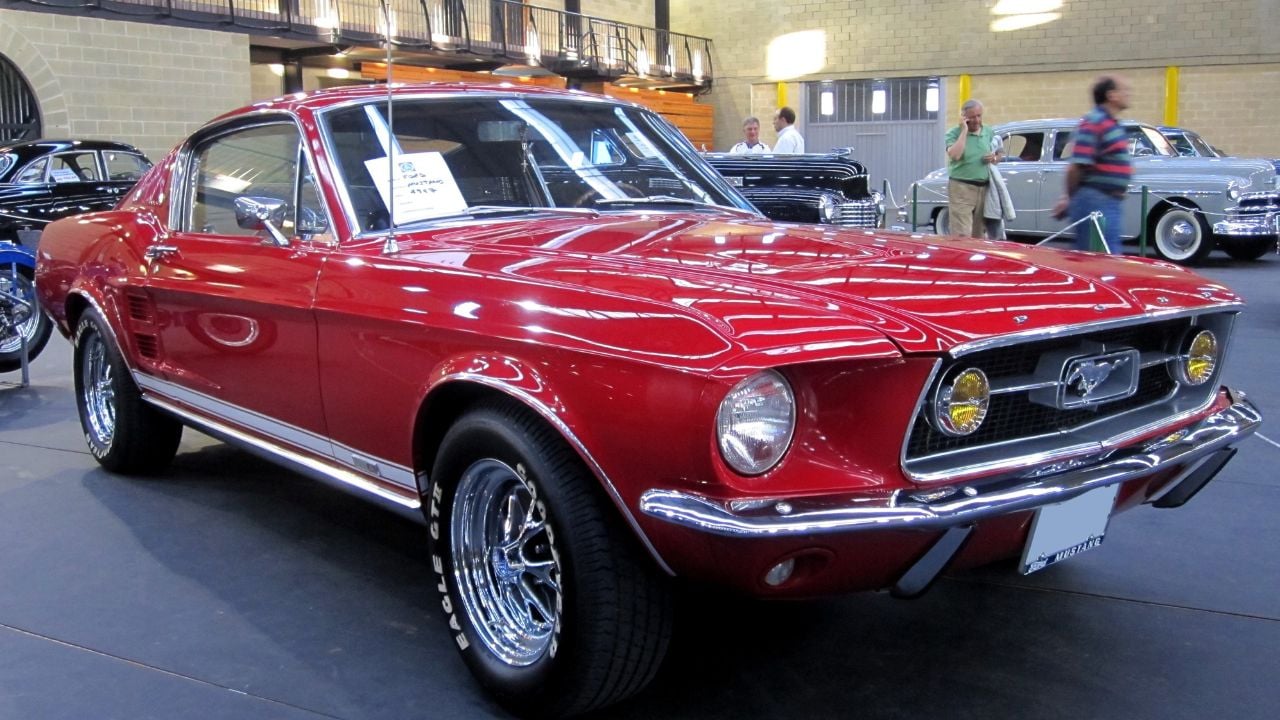
The first-generation Mustang fastback defined the pony car era with its long hood and aggressive stance. When equipped with the 390 cubic-inch V8, it made 320 horsepower, so this wasn’t just about looks: it had legitimate muscle under that iconic sheet metal.
The best part? You can actually work on the engine yourself without needing a computer science degree.
1963 Chevrolet Corvette Sting Ray
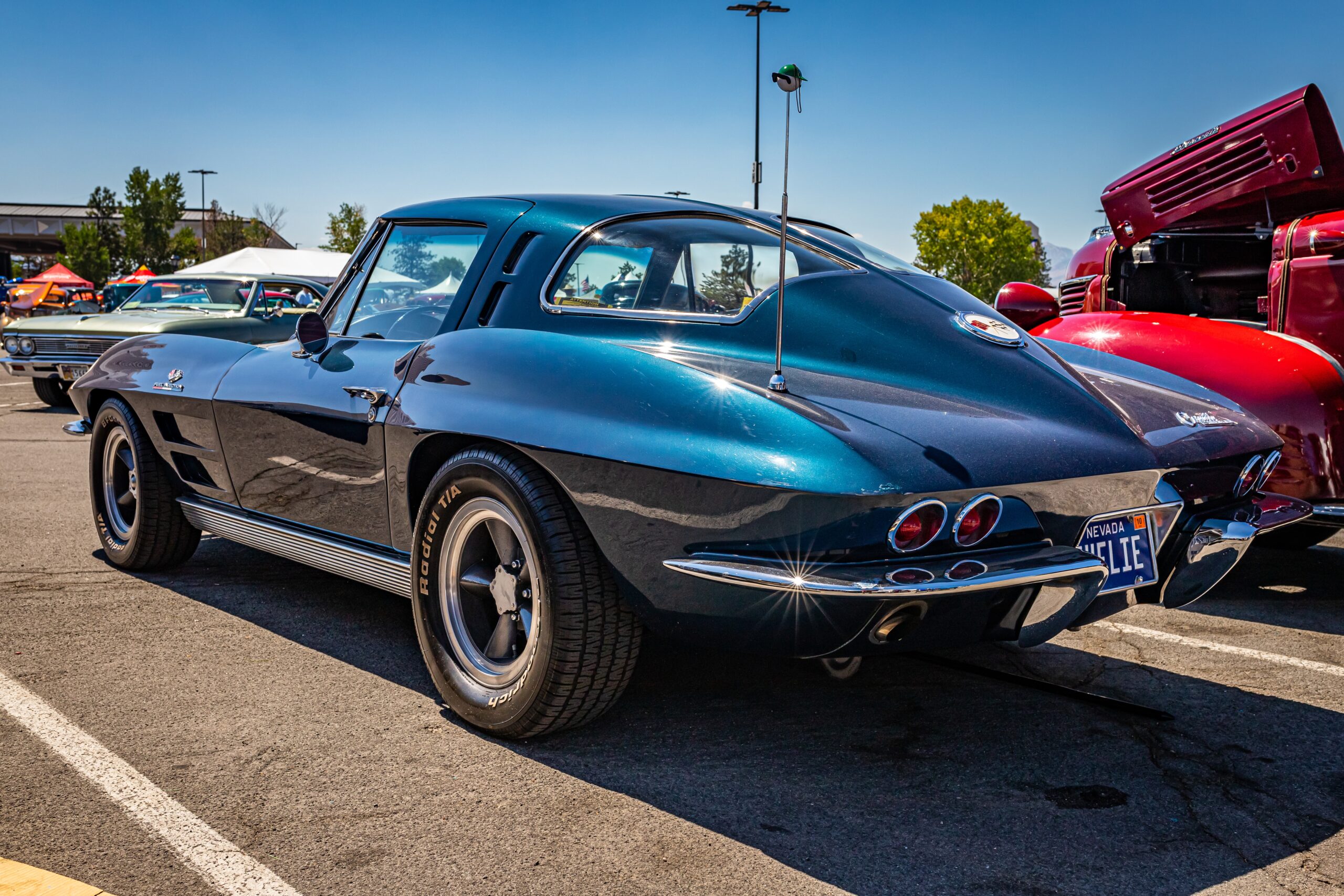
The C2 Corvette introduced the split rear window design that lasted exactly one year, making it instantly recognizable and highly collectible. Its independent rear suspension was cutting-edge for American sports cars at the time, giving it handling that impressed both on the street and at the track.
Pop-up headlights and those side vents created a silhouette that still looks futuristic six decades later.
1969 Dodge Charger

This B-body muscle car became a cultural icon thanks to its appearances in film and television, but it earned that status through genuine performance credentials. The 440 Magnum and 426 Hemi engine options delivered brutal acceleration that modern safety regulations would never allow.
That full-width taillight panel and hidden headlights gave it an attitude that made everything else on the road look timid.
1967 Porsche 911

The original 911 established a design language so successful that Porsche is essentially still refining it today. It was unveiled as the 901 in 1963, with production and the 911 name following in 1964. Its rear-engine layout was unconventional, creating unique handling characteristics that rewarded skilled drivers and punished careless ones.
Air-cooled flat-six engines produced a distinctive sound that no modern turbocharged motor can match.
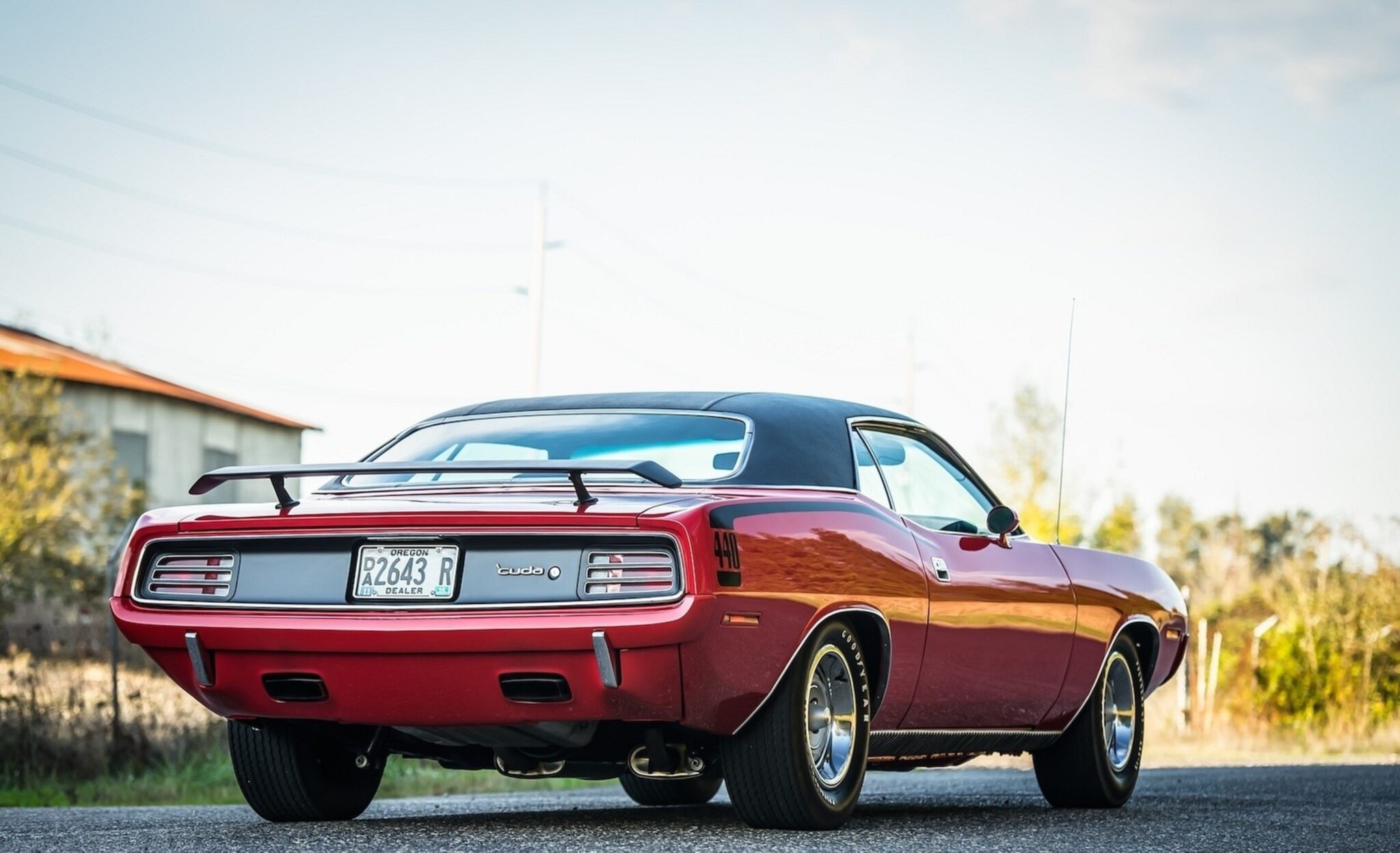
1970 Plymouth Barracuda

The third-generation ‘Cuda finally got its own body style separate from the Valiant, and Plymouth made it count with some of the most aggressive sheetmetal of the muscle car era. When equipped with the 426 Hemi or the 440 Six Pack, this was one of the quickest production cars you could buy.
Only 666 Hemi ‘Cudas were built in 1970, making them among the most valuable American performance cars today. And one of the most beautiful.
1957 Chevrolet Bel Air
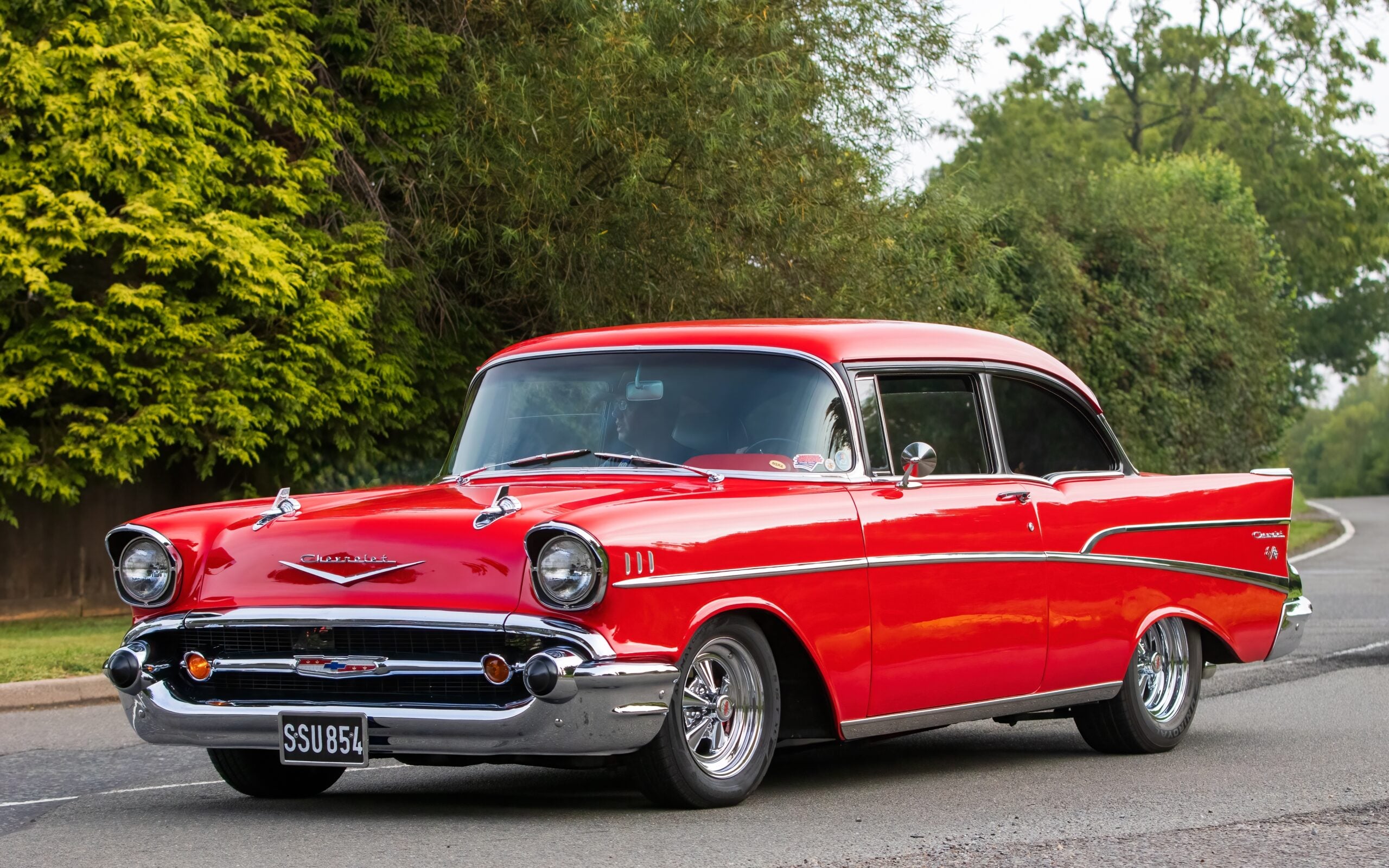
Tri-Five Chevys are beloved for good reason — they hit the sweet spot between chrome-era excess and clean, purposeful design. The ’57 model with its distinctive tailfins and iconic grille became the definitive image of 1950s American automotive style.
Small-block V8 power meant it could back up its good looks with decent performance for the era.
1969 Chevrolet Camaro Z/28
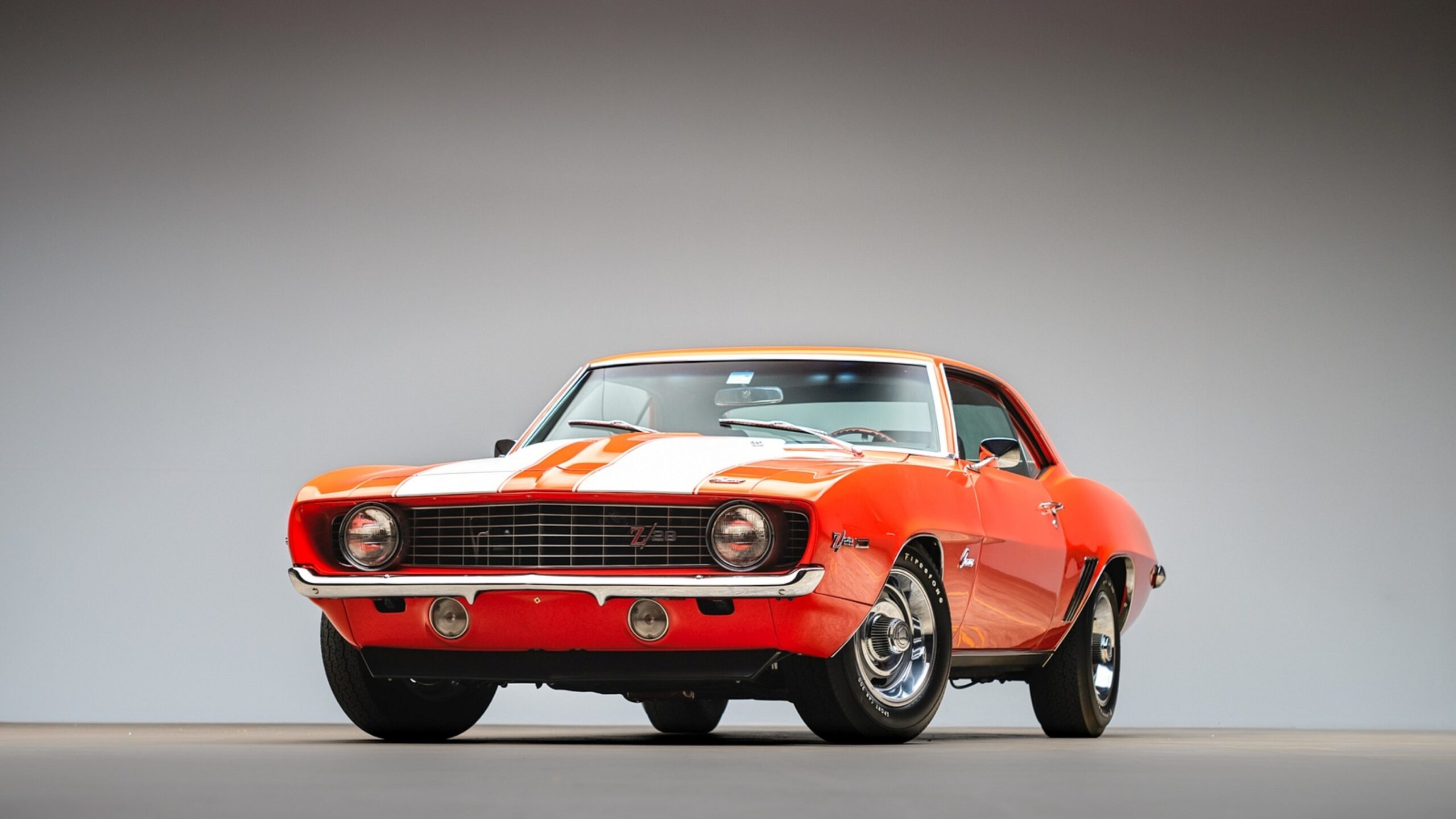
The first-generation Z/28 was built specifically to compete in SCCA Trans-Am racing, which meant it prioritized handling over straight-line muscle. Its 302 cubic inch V8 revved to 7,000 rpm, unusual for American engines at the time, and produced 290 horsepower (though most experts agree the real number was higher).
With rally wheels and factory stripes, it looked ready to race straight off the showroom floor.
1966 GT40
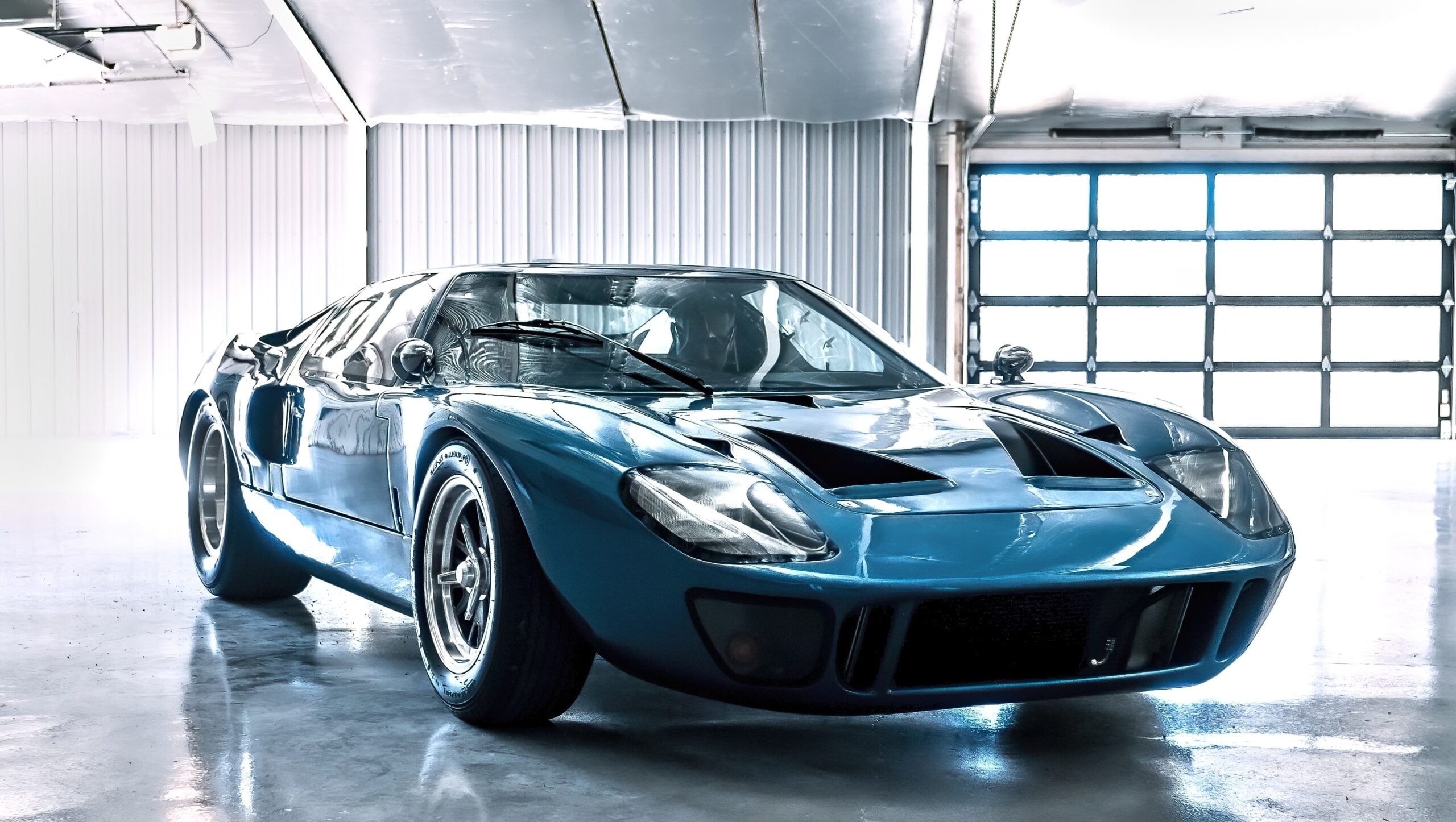
In its Le Mans–winning Mk II form, the GT40 used a 7.0-liter V8 with output commonly quoted around the high-400-hp range, and it exceeded 200 mph on the Mulsanne.
Roughly 100+ GT40s were built in total across all variants, the vast majority intended for racing rather than ordinary street use.
1970 Chevrolet Chevelle SS 454

The LS6 engine option in the 1970 Chevelle represented the absolute peak of muscle car horsepower before emissions regulations changed everything. Rated at 450 horsepower and 500 lb-ft of torque, it could run the quarter mile in the low 13-second range completely stock.
The Chevelle’s understated styling made it a sleeper compared to flashier competitors, which somehow makes it even cooler.
1973 BMW 3.0 CSL
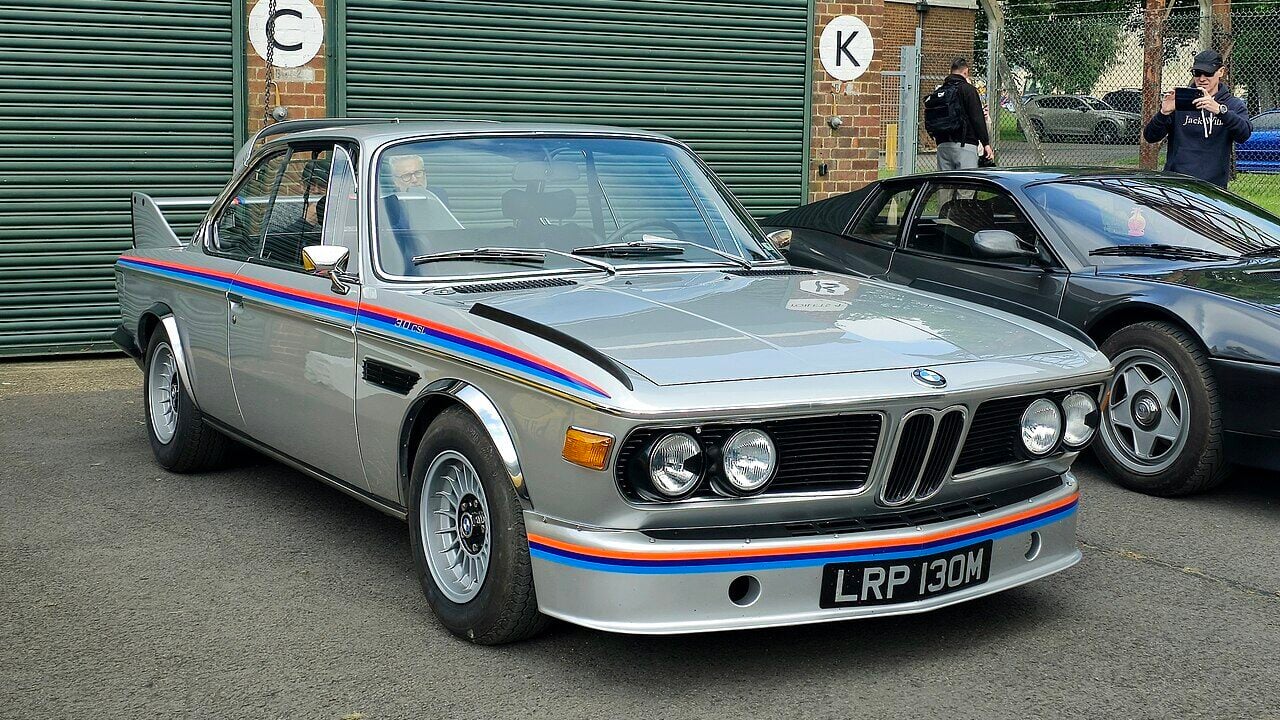
BMW built the “Batmobile” homologation special to dominate European touring car racing, and its lightweight construction philosophy influenced performance cars for decades. By removing sound deadening, using aluminum body panels, and adding that wild aerodynamic kit, BMW created something that weighed roughly 2,600–2,800 pounds, depending on specification
The inline-six engine only made 206 horsepower, but in a car this light, that was plenty.
1968 Ferrari 365 GTB/4 Daytona
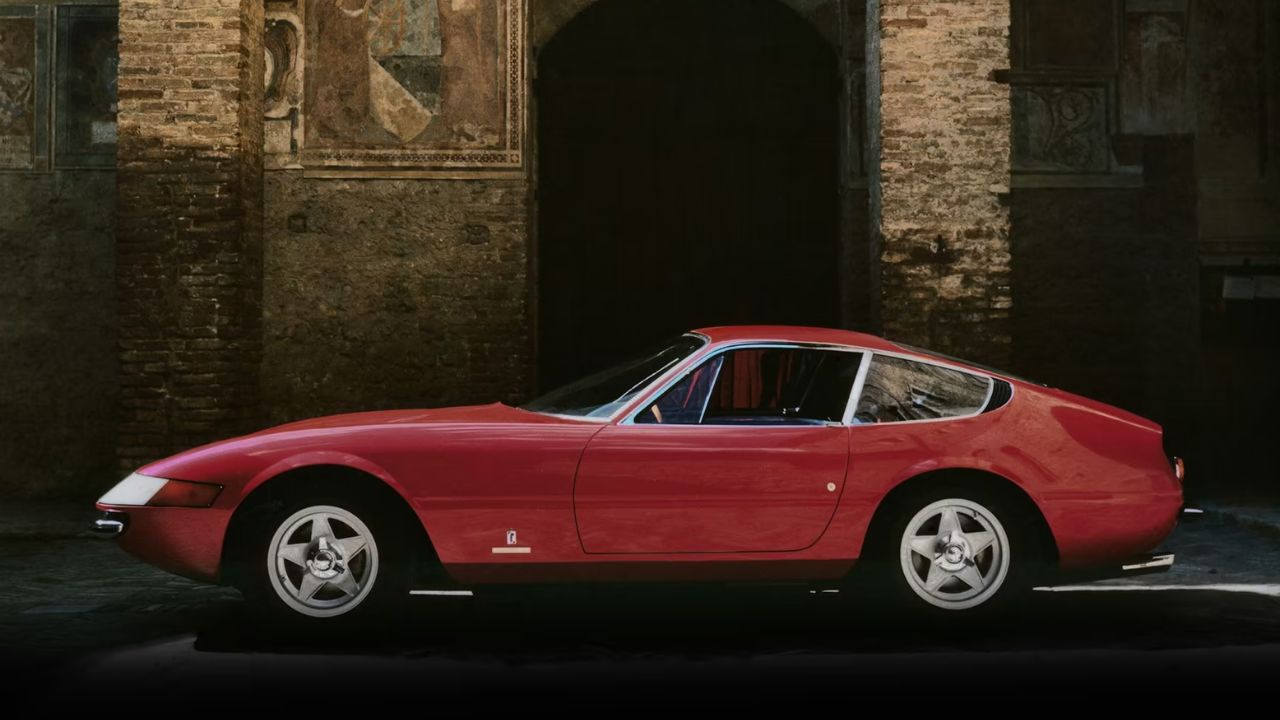
Named unofficially after Ferrari’s 1-2-3 finish at the 1967 24 Hours of Daytona, this grand tourer represented the end of front-engine Ferrari supremacy. Its 4.4-liter V12 produced 352 horsepower and could push the car to 174 mph, making it one of the fastest production cars in the world when it launched.
That long hood and sharp Pininfarina styling created proportions that modern mid-engine supercars simply can’t achieve.
1967 Shelby GT500

Carroll Shelby took Ford’s Mustang and transformed it into something more aggressive by stuffing a 428 cubic inch V8 under the hood. The GT500 produced 355 horsepower in factory trim, though Shelby’s actual power figures were often conservative.
Racing stripes, functional scoops, and Shelby’s signature touches made this the ultimate expression of American muscle meets racing pedigree.
Conclusion
Modern performance cars and modern muscle are faster and certainly more luxurious. They’re impressive machines by any objective measure. But that’s not what we’re looking at here.
This is an exercise in cool and cultural significance — focusing on vehicles that went beyond simply performing well in the moment. These are cars that shaped tastes, attitudes, and expectations, leaving a lasting impression by doing things their own way.
They didn’t just succeed in their era. They helped define it, decades later, these cars still drip cool.