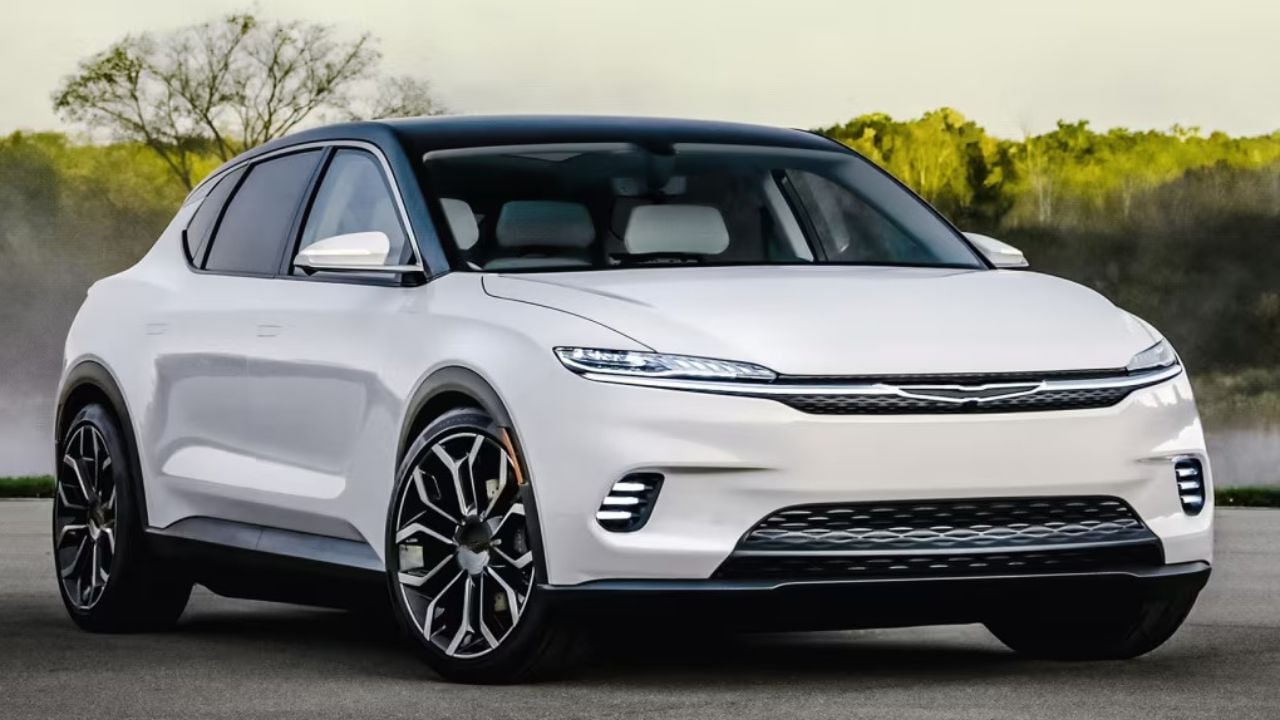
Chrysler has looked for years like a brand surviving almost entirely because of the Pacifica. Now, the latest information from Stellantis suggests the American automaker is not ready to let one of its most historic names fade away.
During a shareholder presentation in Auburn Hills, Michigan, Stellantis revealed that Chrysler is preparing three completely new models. All of them are expected to cost less than $40,000.
Some entry versions are planned to start below $30,000, which would give Chrysler a much more accessible position in the U.S. market.
For a brand that has effectively been reduced to one model, this would be the biggest transformation since the early 2010s. Stellantis is now trying to make Chrysler relevant again with a more rational strategy focused on affordability and higher sales volume.
Arrow And Arrow Cross Will Come From Fiat
Two of the new models will come directly from cooperation with Fiat. They are called the Arrow and Arrow Cross, and both will be adapted for North America through a dedicated homologation process.
The Arrow will be a traditional compact model, while the Arrow Cross will use a more modern fastback shape. That version is expected to have a stronger coupe-like silhouette and a sportier design.
Stellantis clearly wants Chrysler to finally offer affordable cars capable of attracting younger buyers. That is something the brand has lacked for years.
The fact that both models will be part of a new group of vehicles priced below $40,000 shows a major change in direction. Chrysler is moving away from relying mainly on higher-priced models and trying to build a broader base again.
AirFlow Could Become The Main New Model
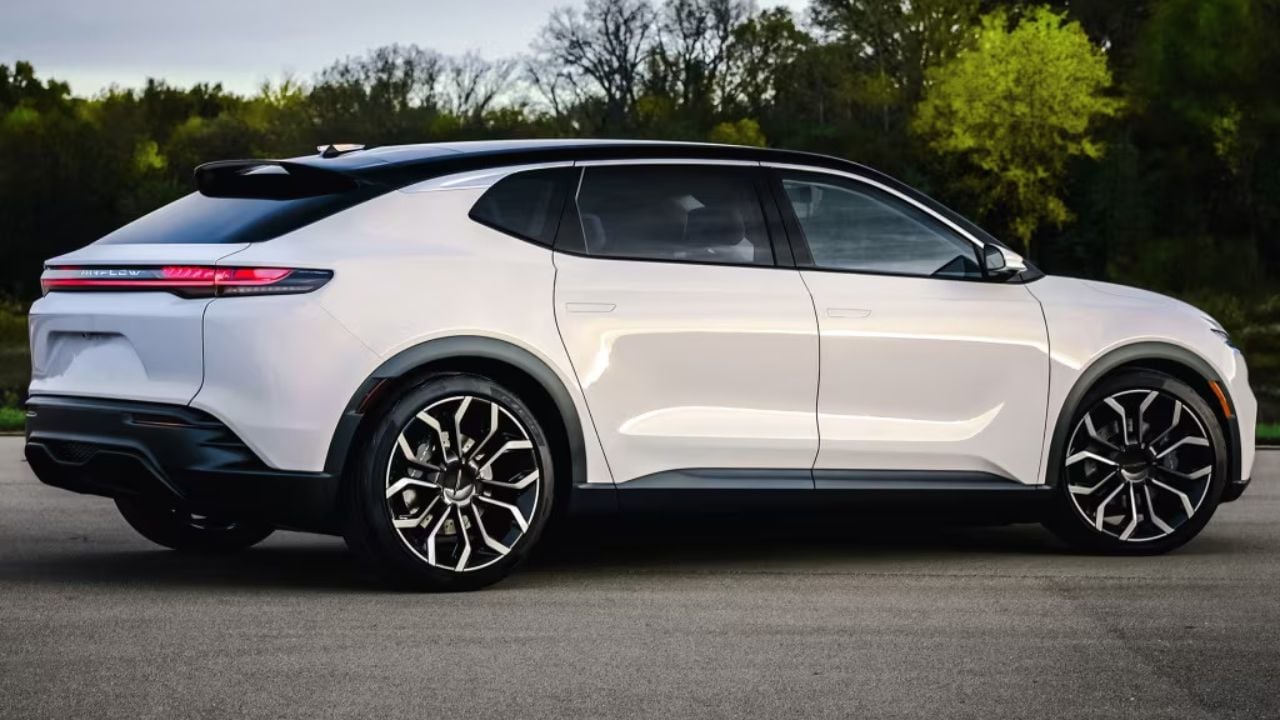
The most important new vehicle is still the long-awaited Chrysler Airflow. The concept was first shown in 2022, and it is now finally moving closer to production.
The AirFlow will use the STLA One platform, which was developed to lower production costs by about 30%. It will be offered with several powertrain options, including a fully electric version.
Its design will be different from typical American crossovers. The body is lower, sleeker, and more aerodynamic, with more focus on a premium appearance than on aggressive SUV styling.
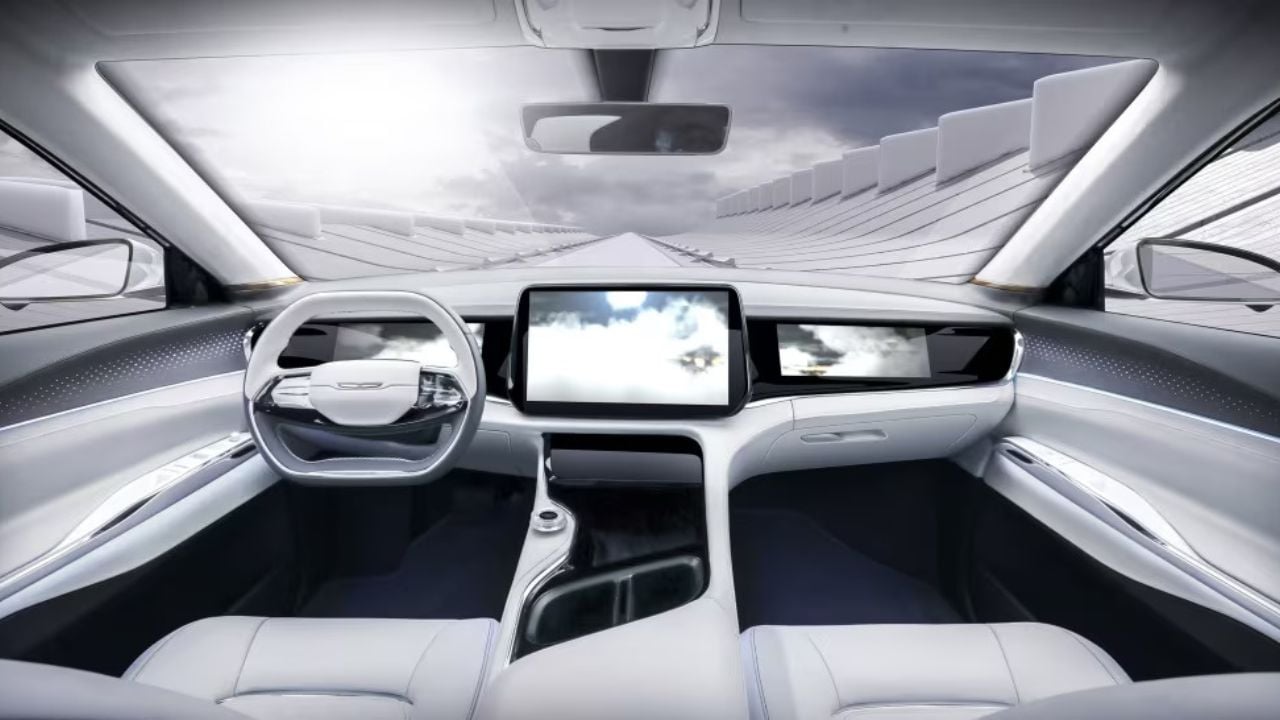
Stellantis describes it as a modern technology-focused vehicle that should return Chrysler to the family crossover segment. Interestingly, the AirFlow will share its platform with the upcoming Dodge GLH. While the Dodge version will emphasize performance and a more aggressive character with nearly 300 horsepower, the AirFlow will take a more refined approach focused on comfort and everyday use.
Pacifica Remains The Brand’s Anchor

At the same time, the Pacifica minivan remains the key to Chrysler’s survival. The 2027 model received a mild design refresh, including a new front end and new wheels.
Stellantis also introduced a base LX version to replace the discontinued Voyager. The company has decided to phase out the plug-in hybrid version, which ended production after 2025.
The Pacifica is now offered only with a gasoline engine. Although the decision to remove the hybrid surprised part of the market, sales results show that the minivan still has a stable position among American family vehicles.
Nearly 22,000 units were sold in the first quarter of this year, an 11% increase compared with the same period last year.
Stellantis Still Believes In Chrysler
Antonio Filosa, the CEO of Stellantis, is one of the strongest supporters of keeping Chrysler alive. Since taking the position in mid 2025, he has insisted that the brand still has potential and remains profitable.
The problem is that Chrysler needs a wider lineup if it wants to increase market share. That will not be easy.
In 2025, Chrysler accounted for only 10% of Stellantis’ total U.S. sales, while the end of the Voyager hurt the numbers further. Total sales volume in the first quarter fell by 28% compared with the previous year.
Still, Stellantis clearly believes Chrysler can become a serious player again. After years of uncertainty and repeated rumors about a possible shutdown, the brand finally appears to be getting a real chance to find its place in the modern American auto industry.
This article originally appeared on Autorepublika.com and has been republished with permission by Guessing Headlights. AI-assisted translation was used, followed by human editing and review.