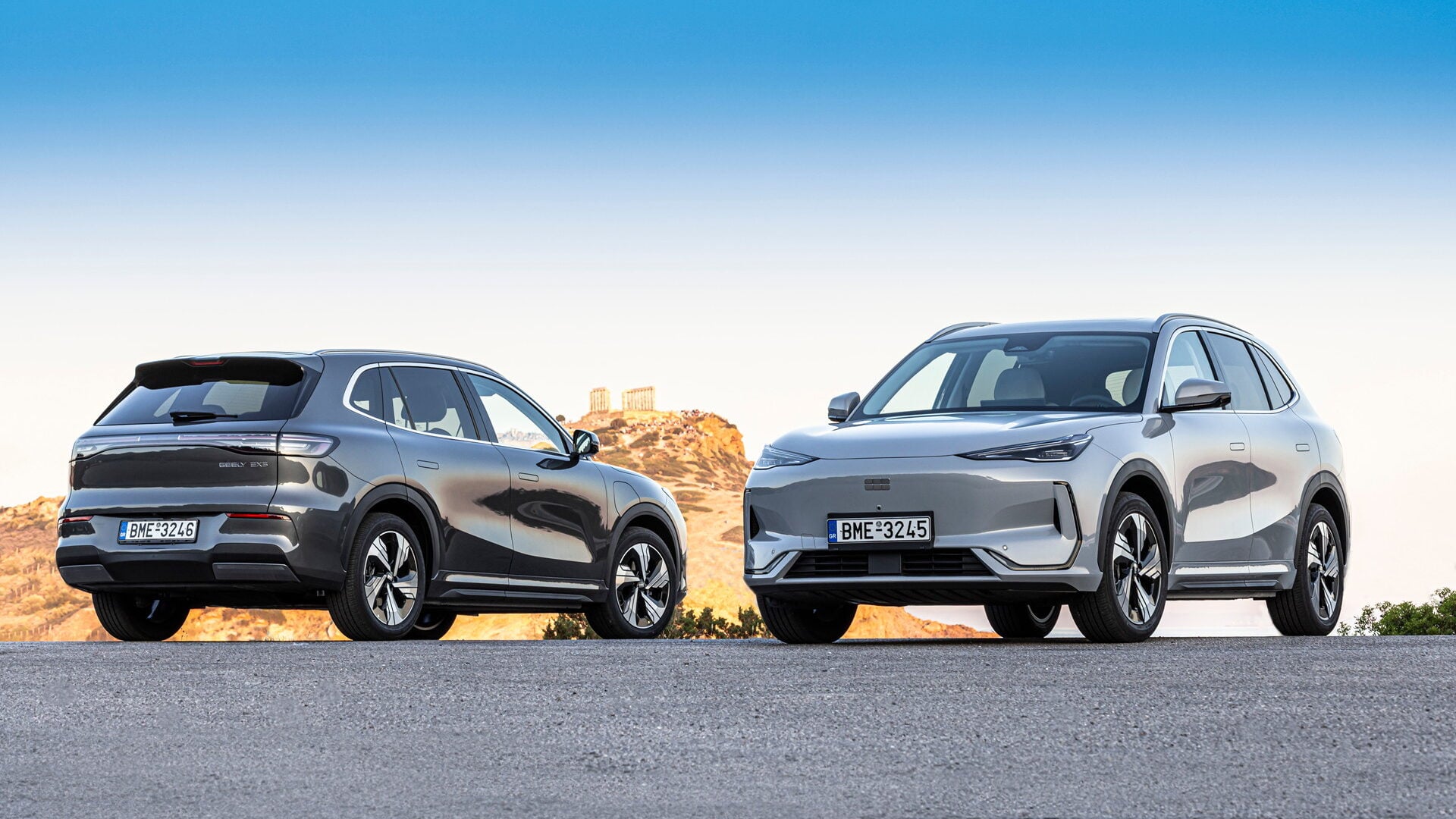
Ford’s underused factory in Valencia, Spain, could soon have a very different mix of vehicles rolling off its production lines. The American automaker has reached an agreement with China’s Geely that will bring Geely-branded electric vehicles to the site while also giving Ford another way to make better use of the sprawling European factory.
Earlier reports suggested Geely could take over an unused portion of Ford’s Almussafes facility and potentially build its affordable EX2 electric hatchback there. More recent reporting from Reuters describes a bigger joint venture that would instead include production of two Geely electric SUVs, including the EX5 already offered in European markets.
The arrangement addresses problems facing both companies at the same time. Ford gets additional production volume for a factory that has been operating far below its potential, while Geely gains a European manufacturing base as Chinese automakers face growing pressure to localize vehicle production within the region.
It is also another sign that the line between traditional Western automakers and their fast-growing Chinese rivals is becoming increasingly complicated. Rather than simply fighting over market share, companies are increasingly looking for opportunities to share factories, technology, platforms, and development costs when doing so makes financial sense.
Ford’s Valencia Factory Needs More Cars To Build
Ford’s Almussafes operation near Valencia was once a much busier part of the company’s European manufacturing network, but recent years have left the facility with significant unused capacity. The factory currently builds the Kuga crossover, while Ford has been looking for additional products capable of securing the site’s longer-term future.
The Geely partnership could help fill some of that empty space without requiring Ford to develop every additional model itself. Reuters reports that production under the new venture is expected to begin in 2028, potentially bringing additional volume and employment as operations expand.
For Ford, keeping an existing factory busy is generally preferable to letting expensive manufacturing infrastructure sit idle. The agreement could therefore become an important part of the company’s effort to make its European operations leaner and more competitive.
Geely Gets A Valuable European Foothold
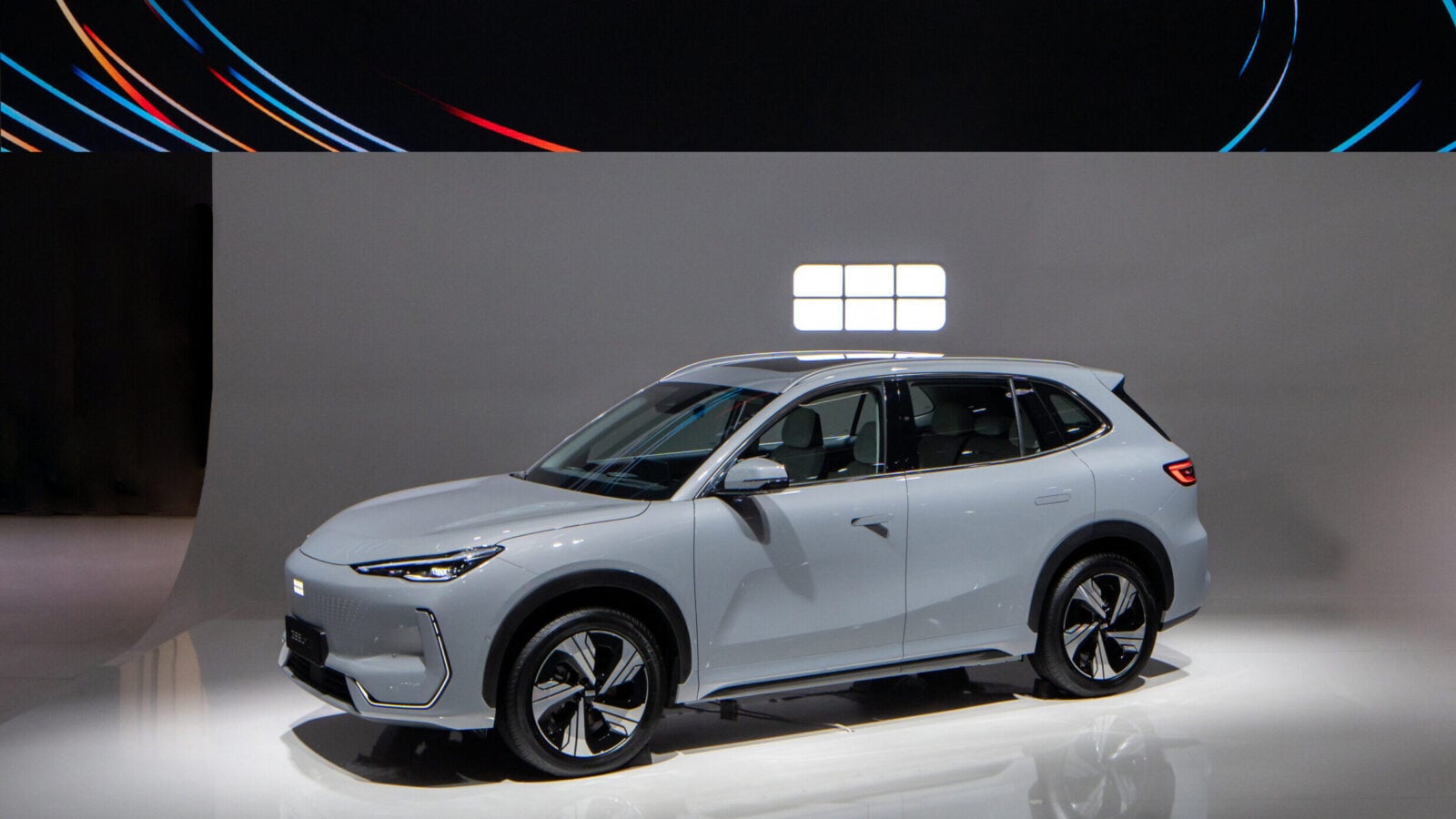
The advantages for Geely are just as obvious. Building vehicles inside Europe gives the Chinese automaker a stronger local presence while reducing its reliance on importing completed electric vehicles from China at a time when European trade and industrial policies are increasingly encouraging regional production.
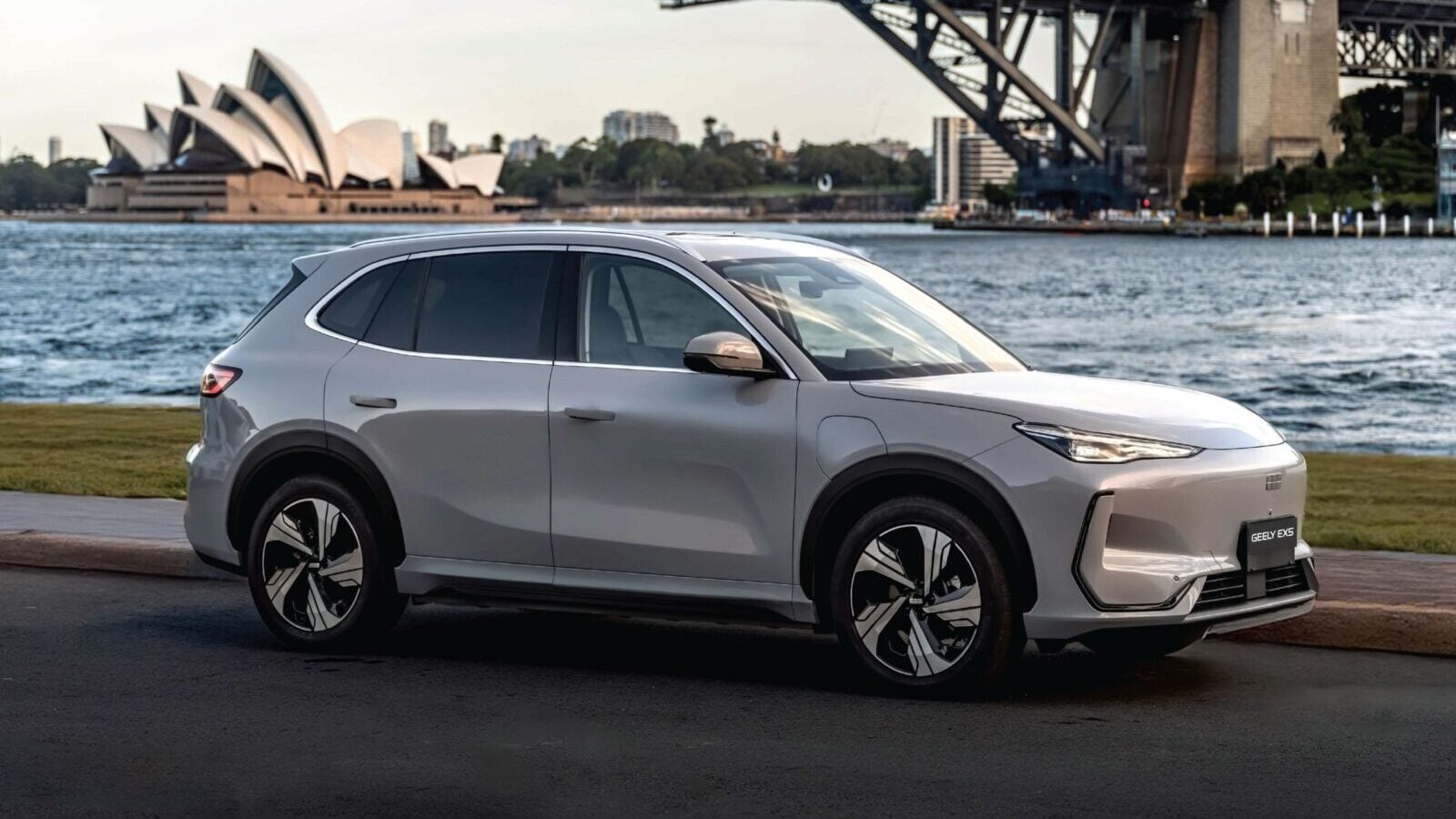
The first Geely model involved will be the EX5 electric SUV, while another electric SUV is also planned for the facility. The companies are additionally expected to collaborate on a new crossover for Ford that could eventually be offered with electric, plug-in hybrid, and range-extended powertrains.
That makes the arrangement substantially more significant than simply renting Geely some spare factory floor. Ford and Geely appear to be moving toward a manufacturing and product-development relationship that could benefit both companies as they attempt to compete in Europe’s increasingly difficult car market.
Spain Is Becoming A Hub For Chinese Automakers
Geely is hardly the only Chinese automotive company looking toward Spain. The country’s manufacturing infrastructure and relatively competitive production costs have made it an increasingly attractive entry point for companies seeking to establish a permanent European industrial footprint.
Chinese automaker Chery has already partnered with Spanish company Ebro around a former Nissan manufacturing site in Barcelona, while other Chinese groups have explored or announced automotive and battery investments in the country. The Ford–Geely agreement therefore fits into a much larger shift in which Chinese automotive investment is becoming embedded within Europe’s existing manufacturing industry.
That could ultimately make tariffs alone less effective at slowing China’s automotive expansion. If Chinese-designed vehicles are increasingly built by European workers inside established European factories, the competitive battle becomes less about where a car was shipped from and increasingly about who can develop desirable vehicles at the right price.
This Could Be Bigger Than One Geely EV
Perhaps the most interesting aspect of the deal is what it could eventually mean for Ford itself. A manufacturing partnership gives the automaker potential access to efficiencies and technology developed by one of China’s largest automotive groups while allowing Ford to concentrate investment where it believes it has the strongest competitive advantage.
There are still plenty of details to emerge about exactly which vehicles will be built in Valencia and how deeply the two companies will cooperate. The latest reports, however, suggest the arrangement is considerably larger than the original idea of putting one Chinese best-seller onto an unused Ford assembly line.
For European buyers, the result could eventually be Geely EVs carrying “Made in Spain” credentials while sharing a factory with familiar Ford models. For Ford, that unlikely combination may be exactly what its underutilized Valencia plant needs to become relevant again.