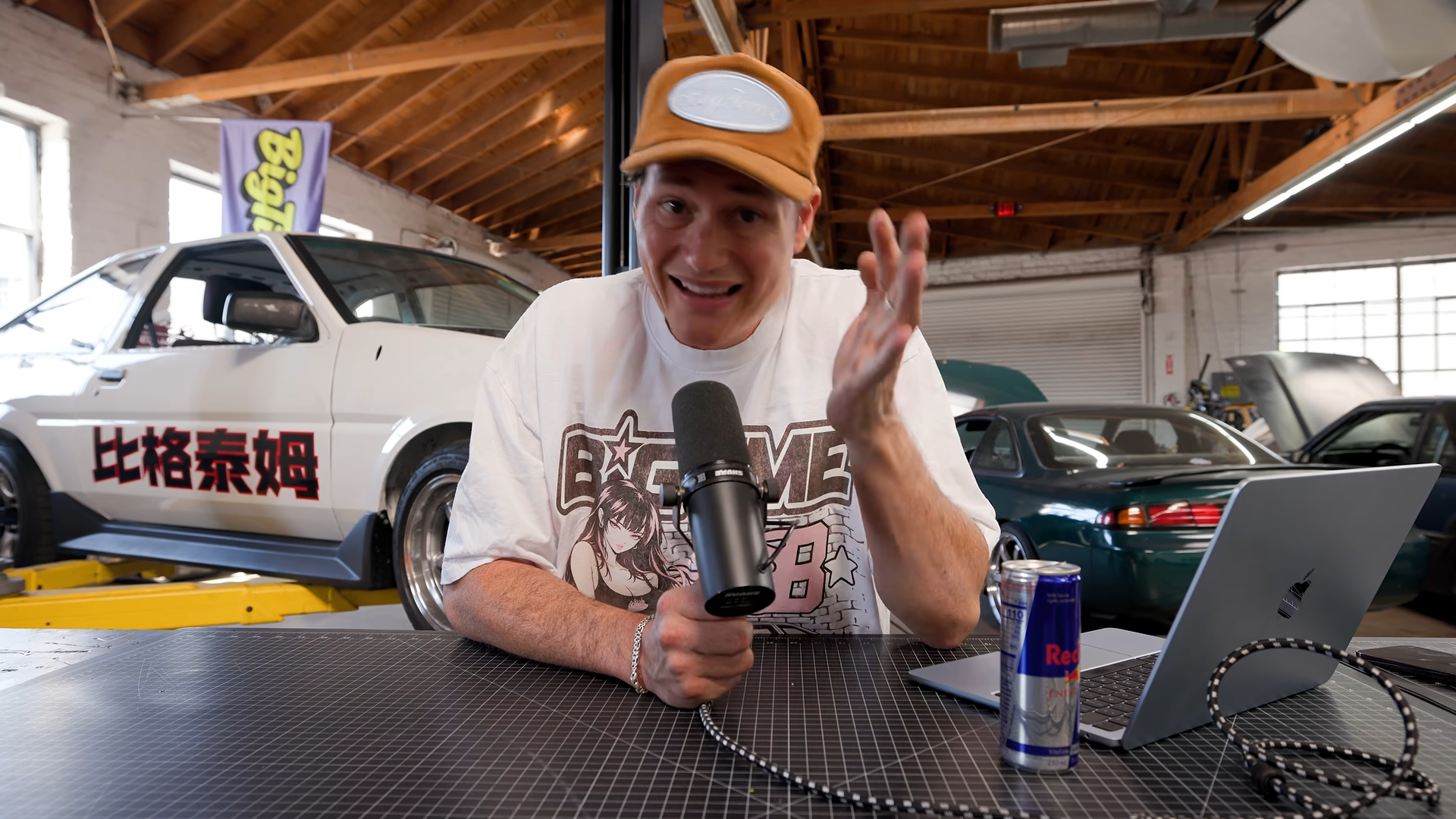
Cheap cars are easy to dismiss until their makers build cars you want. That is the warning in BigTime’s video on China’s rise in the car world.
Its host argues that Americans have seen this story before. Japanese brands won buyers with small, cheap cars. They went on to build sports cars that fans still dream of owning.
China, he believes, could follow a similar path. Drivers who shrug at its EVs may miss the brands that shape their next car.
For U.S. buyers, the appeal comes with a catch. A cheap car in China may never reach an American dealer. Tariffs are only part of the reason.
A Familiar Tune
Embedded media follows; please allow a moment for it to load.
BigTime makes a case that reaches beyond fans of EVs. A cheap daily driver can help its maker gain the skills and cash to build a great sports car.
In the host’s view, Japan’s boom gave carmakers room to dream. He points to the Honda NSX, Nissan Skyline GT-R, and Mazda RX-7 as the payoff. He sees a similar push in China, though he credits state aid with much of its rise.
He also looks at who makes the parts. Using BYD as his main example, he argues that China’s battery plants help its brands build more of each car in-house.
“Japan had computer chips. China has batteries,” he says. He fears U.S. carmakers could fall behind on parts and know-how while Chinese cars stay out of American showrooms.
Both Ends Covered
The BYD Seagull puts a price on that pitch. BigTime calls the small EV a roughly $10,000 car. CarNewsChina reported that the 2025 model launched in China in August 2024 at about $9,700.
At the other end sits the Yangwang U9 Xtreme. BigTime cites its roughly 308 mph run. The FIA recognized an even faster run in Abu Dhabi on November 1, 2026: 312.7 mph. It earned Guinness records for both a production car and an electric production car. Those records cover runs in one direction.
In an October 2024 podcast clip that BigTime includes, Ford CEO Jim Farley discusses a Xiaomi SU7 brought over from China. He had driven it for six months: “I don’t want to give it up.”
A Closed Door
BigTime predicts that tariffs and sales barriers will fall. In that view, U.S. brands will face those rivals more directly. The federal rules now in place set a different course.
The Bureau of Industry and Security cites risks to national security. It warns that cars could share data or be accessed from afar. Its rule targets cars that connect to outside networks, such as through Wi-Fi or cellular service.
Sales limits start with the 2027 model year. They cover these cars when China or Russia owns, controls, or directs their makers, even if the cars are built in America. The rule also bars certain software linked to those countries. Limits on covered connection hardware follow with the 2030 model year, or January 1, 2029, for parts without a model year.