The Ford Fiesta ST and Volkswagen Polo GTI have spent years proving that a hot hatch doesn’t need enormous horsepower to deliver serious driving thrills. Now, two electric challengers are threatening that formula, bringing instant torque and vastly different approaches to performance.
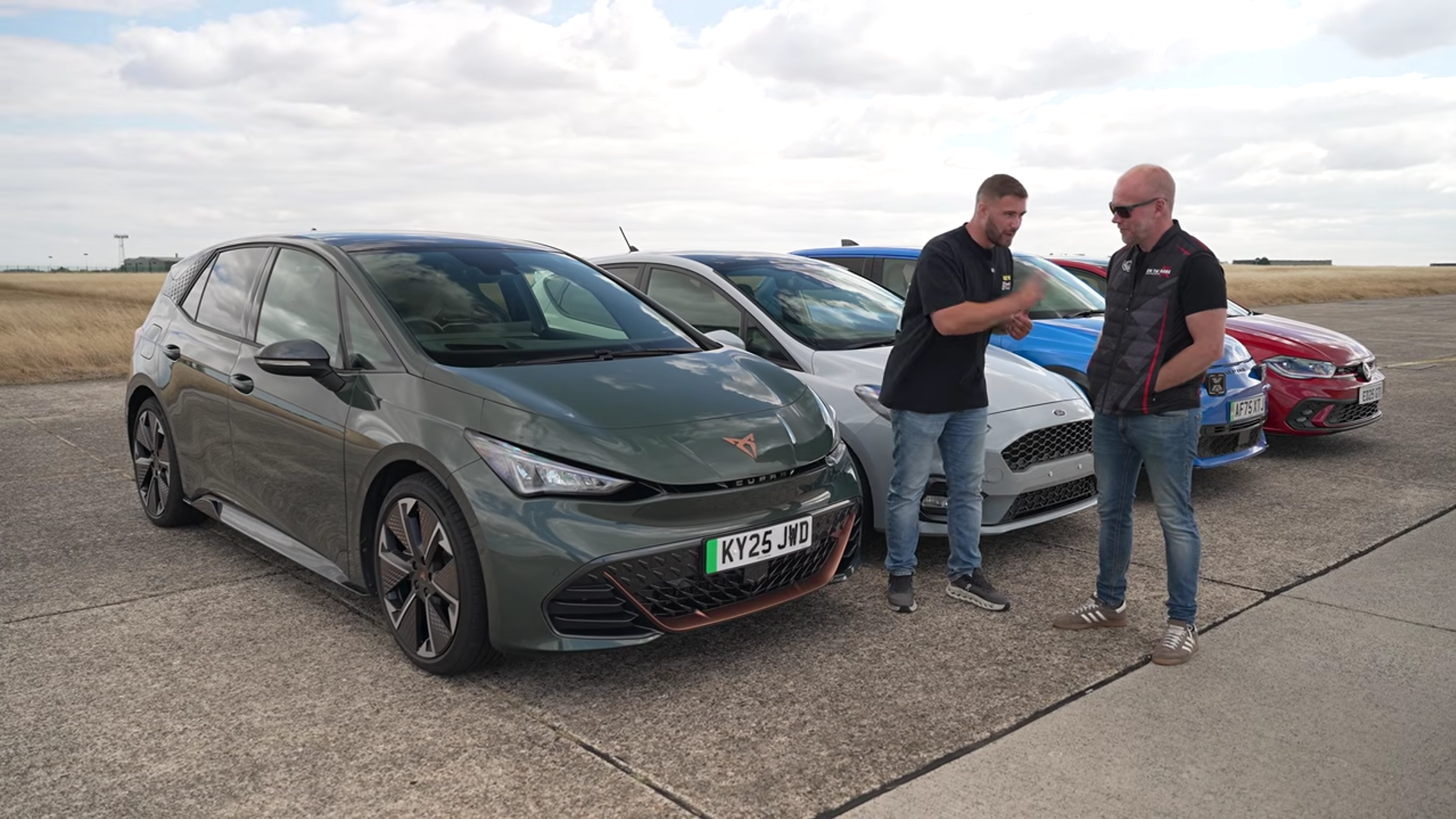
In a recent track battle, the Driven+ YouTube channel lined up four cars to discover whether traditional gas-powered hot hatches could still compete with their electric counterparts. The contenders were a Ford Fiesta ST, Volkswagen Polo GTI, Alpine A290 GTS, and Cupra Born VZ.
Host Max handed driving duties to professional racing driver Sam Maher-Loughnan, known to his friends as Racing Driver Sam. Each car received two warm-up laps before one timed flying lap around the same circuit.
The test promised an interesting contrast between lightweight handling and electric power, although outright speed wasn’t the only consideration. Sam also judged the cars on braking, handling, drivetrain response, and, perhaps most importantly, how much fun they were to drive.
Volkswagen Polo GTI Sets an Unexpectedly Quick Benchmark
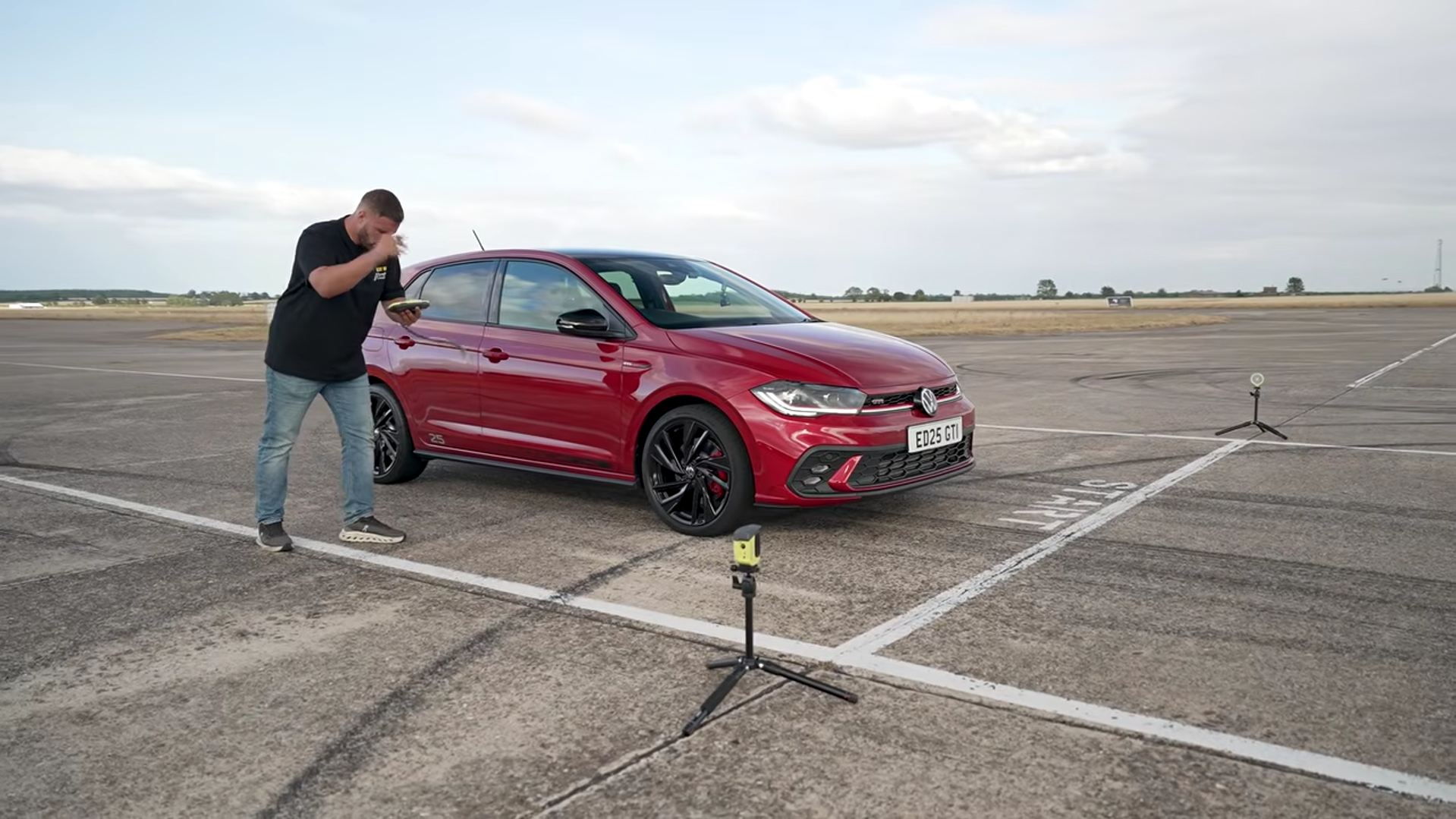
The first contender was a 25th-anniversary Volkswagen Polo GTI, powered by a turbocharged 2.0-liter four-cylinder producing 207 horsepower and 320 Nm, or 236 lb-ft of torque. With a seven-speed DSG transmission, front-wheel drive, and a curb weight of 1,360 kg (3,000 lb), it offered a familiar hot-hatch recipe.
Sam immediately encountered a frustrating problem: the electronic stability and traction systems kept intervening, while the gearbox repeatedly refused his requests for second gear. Despite those interruptions, he praised the chassis and carried impressive speed through the circuit’s corners.
Crossing the line at 53.76 seconds, it was quicker than Sam expected, having predicted something around 54–55 seconds. He gave the Polo’s handling seven out of ten, but its intrusive electronics and reluctant gearbox kept the driving experience from feeling especially rewarding.
Cupra Born VZ Turns Two Tons Into Entertainment
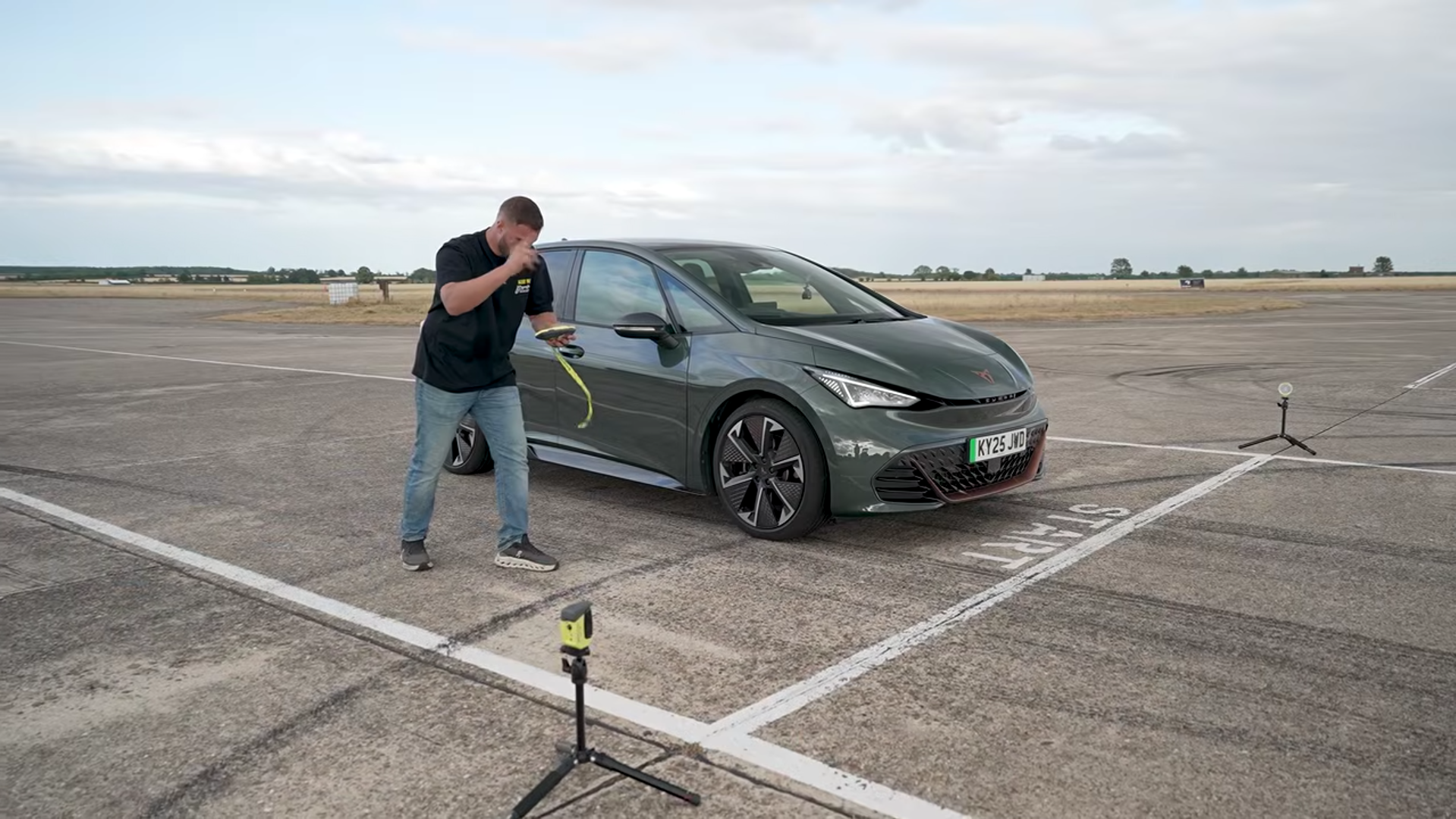
Next came the rear-wheel-drive Cupra Born VZ, the most powerful and heaviest competitor. Its electric motor delivered 322 horsepower and 545 Nm (402 lb-ft) of torque, although the car weighed 1,999 kg (4,407 lb)—roughly 744 kg (1,640 lbs) heavier than the Fiesta.
Sam initially seemed unimpressed by its acceleration, and he struggled with electronic intervention even after selecting the available stability-control settings. Once he started pushing harder, however, the Cupra’s willingness to slide transformed his mood.
The rear end stepped out dramatically through several corners, leaving Sam laughing hysterically as he fought to keep the car’s weight and momentum in check. What initially looked like a cumbersome electric hatchback became one of the most entertaining machines he’d driven that day.
The Cupra crossed the finishing line at 53.65 seconds, and edged ahead of the Polo by just 0.11 seconds, a result that astonished both hosts. Sam awarded it eight out of ten for handling and jokingly scored its entertainment value at eleven, despite criticizing its power delivery and traction-control behavior.
Alpine A290 GTS Proves Power Isn’t Everything
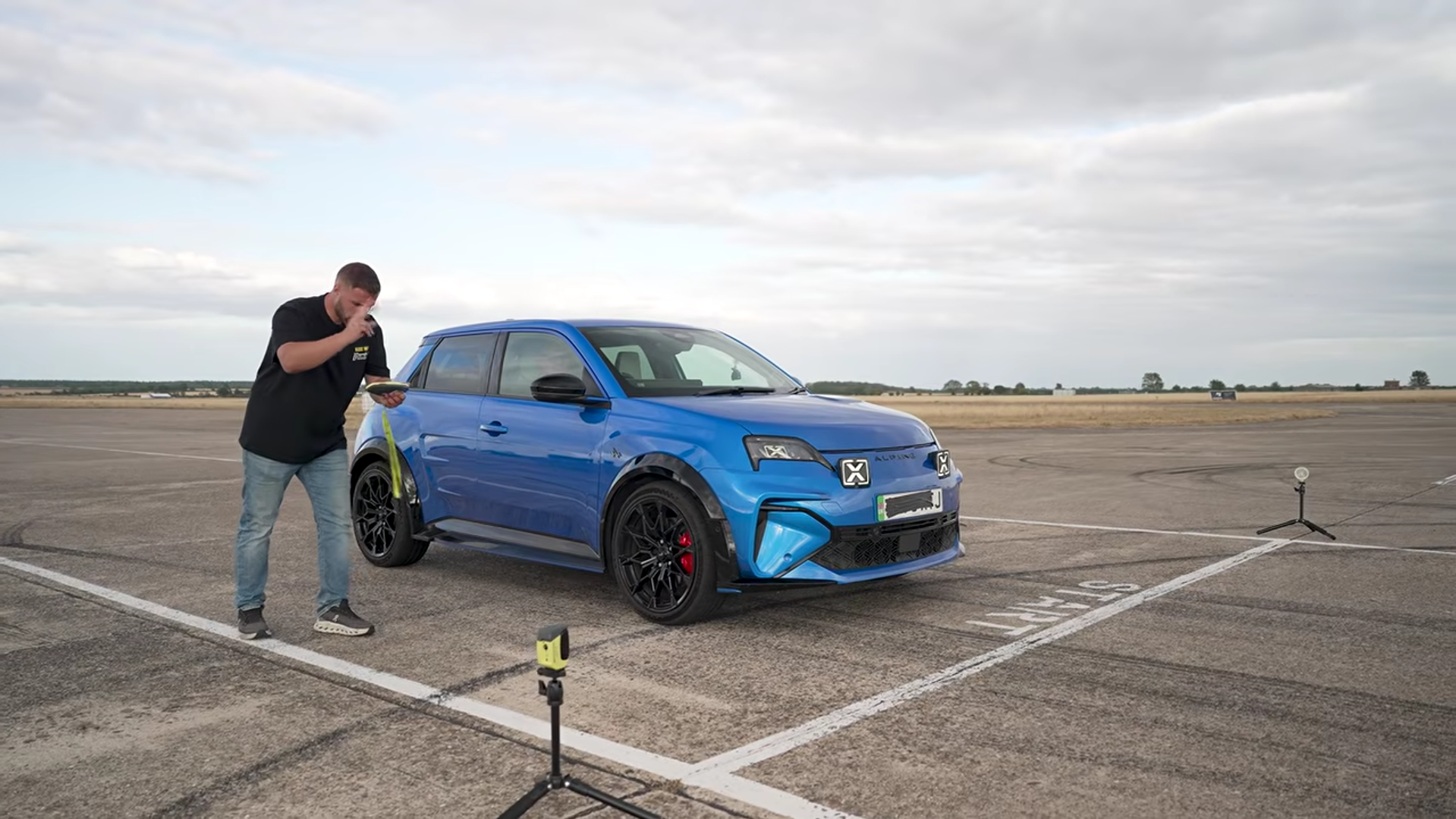
The Alpine A290 GTS arrived with just 217 horsepower and 300 Nm (221 lb-ft) of torque, making it far less powerful than the Cupra. Based on the Renault 5, the front-wheel-drive EV weighed 1,555 kg (3,428 lb) and wore Michelin Pilot Sport 5 tires.
Sam loved its styling and interior but repeatedly complained that it felt really slow on the straights, even while using the steering-wheel-mounted boost function. Max, watching from outside, noticed something different: the Alpine rotated cleanly through corners and changed direction with impressive composure.
During the flying lap, Sam carefully deployed the available boost on corner exits and straights. The result challenged his assessment of the car’s performance.
It flew across the line in just 52.86 seconds, and the Alpine was now the fastest car by 0.79 seconds, despite having 105 fewer horsepower than the Cupra. Sam awarded its handling a perfect ten and said it would be an exceptional package with additional power.
Ford Fiesta ST Delivers the Thrills, but Not the Time
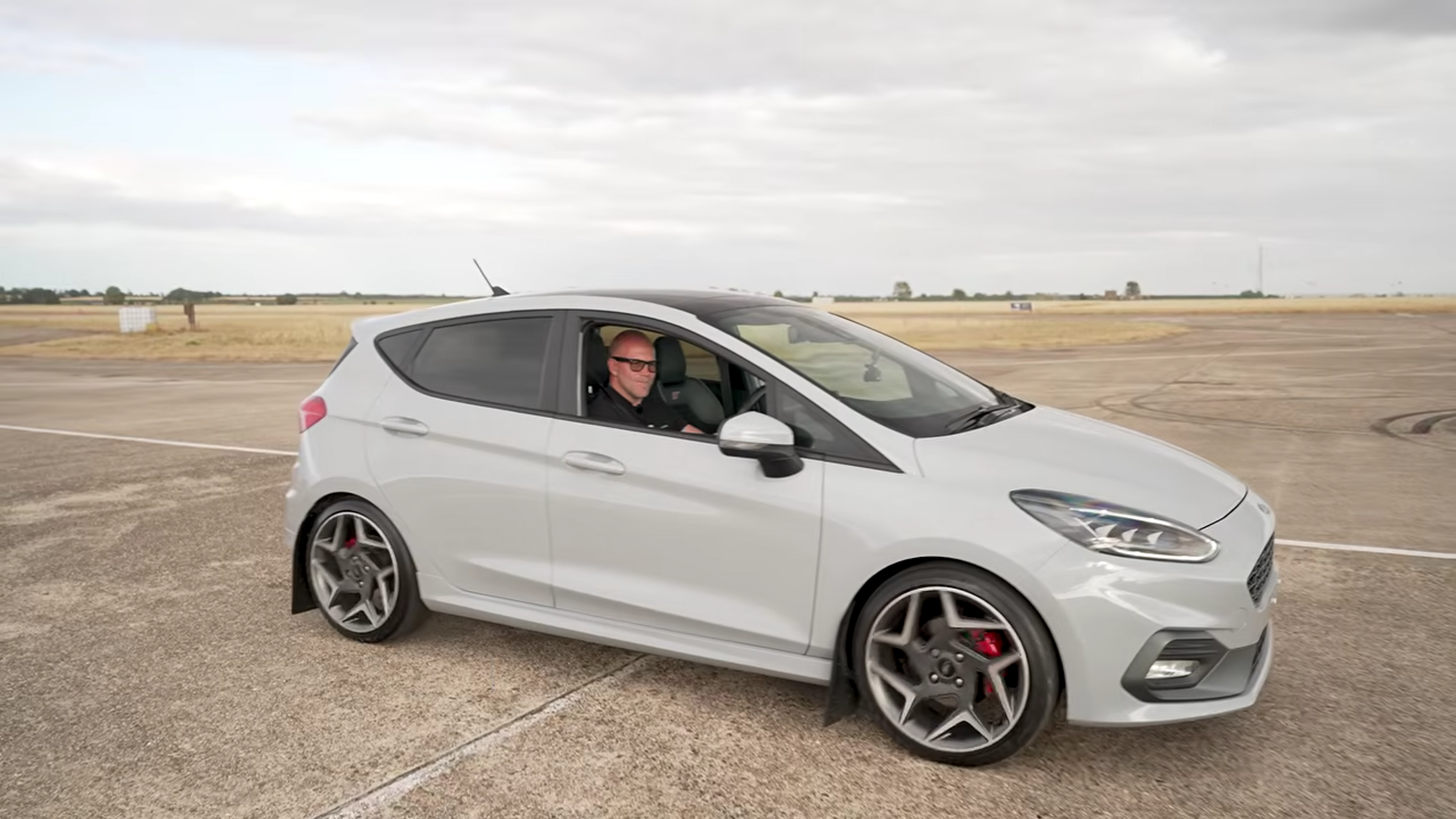
The final challenger was the lightest car of the group: a Ford Fiesta ST weighing 1,255 kg (2767 lb). Its turbocharged 1.5-liter three-cylinder produced 200 horsepower and 219 Nm (162 lb-ft) of torque, driving the front wheels through a six-speed manual gearbox.
Sam and Max hoped the Ford would defend the gasoline hot hatch’s reputation, and the warm-up laps gave them reason for optimism. The Fiesta rotated eagerly through corners, lifting an inside rear wheel as Sam attacked the circuit.
He described it as tremendous fun, praised its brakes and manual gearbox, and appeared confident that a competitive lap was possible. Then came the stopwatch.
It stumbled across the line in 54.63 seconds and finished dead last, 1.77 seconds behind the Alpine, leaving Sam visibly disappointed. He insisted there was little additional time available, even though the Ford earned nine out of ten for braking and handling and a perfect ten for fun.
The Electric Cars Win More Than the Stopwatch
| Position | Hot Hatch | Lap Time |
|---|---|---|
| 1 | Alpine A290 GTS (EV) | 52.86 sec |
| 2 | Cupra Born VZ (EV) | 53.65 sec |
| 3 | Volkswagen Polo GTI (gasoline) | 53.76 sec |
| 4 | Ford Fiesta ST (gasoline) | 54.63 sec |
The electric cars occupied the top two positions, with the Alpine proving that handling balance could overcome a substantial horsepower deficit. Perhaps the bigger surprise was Sam’s personal ranking: Alpine first, Cupra second, Fiesta third, and Polo fourth.
Despite his affection for gas-powered performance cars, the professional driver preferred both EVs to their combustion-engined rivals. The Fiesta is still an outstanding driver’s car, but this particular track battle showed that electric hot hatches can deliver competitive lap times and genuine entertainment.
The results don’t settle every gas-versus-electric argument, particularly with different tires, weights, and electronic systems influencing the outcome. They do, however, explain why Sam spent so much of the test laughing—and why he finished it looking rather surprised.