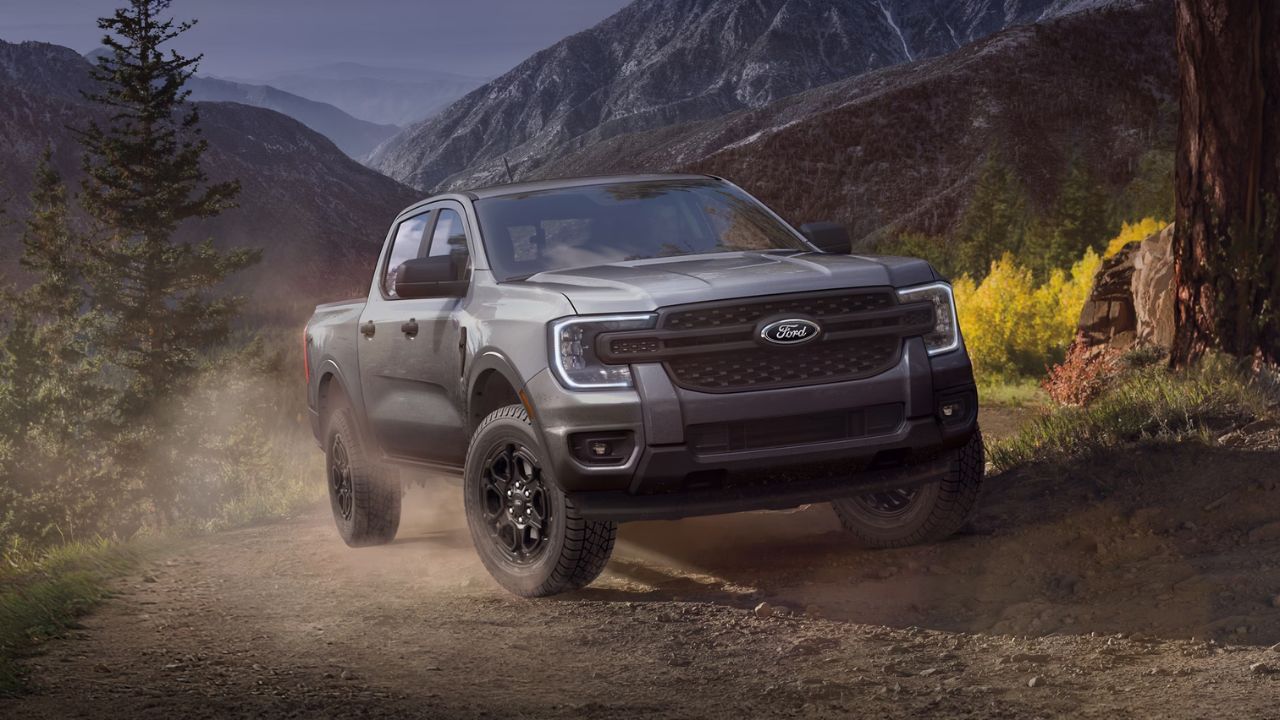
Ford’s Ranger has been a global success story, especially in markets like Australia, where it consistently tops the sales charts. However, the same diesel-powered formula that made it popular is now becoming a problem, as tightening emissions regulations are forcing automakers to rethink how these trucks are built.
That’s where things get interesting, as Chinese auto giant Geely has openly expressed interest in working with Ford to help electrify future Ranger models. Unlike vague industry rumors, this idea is being discussed openly by top executives.
At first glance, it might sound unlikely. A legacy American brand teaming up with a fast-rising Chinese automaker isn’t exactly traditional. Still, the reality is that the industry is changing fast, and partnerships like this are becoming harder to ignore.
Geely is clearly interested, so the real question is whether Ford is willing to take that step, especially with growing pressure to electrify its lineup without blowing up development costs.
Ford Has A Real Emissions Problem To Solve
Ford’s current Ranger lineup leans heavily on diesel engines, particularly in markets like Australia. While that works great for towing, range, and durability, it doesn’t play nicely with modern emissions rules. The New Vehicle Efficiency Standard (NVES) is tightening year by year, and it’s putting brands like Ford in a difficult position.
Most Ranger variants sit well above the required CO2 targets, especially the V6 diesel models. That means Ford could face financial penalties unless it offsets those emissions with lower-emission vehicles. Right now, the plug-in hybrid Ranger helps, but it’s not enough to balance the entire lineup.
This creates a clear dilemma. Ford can either invest heavily in developing new electrified platforms or look for a faster, more cost-effective solution.
Geely Thinks It Has The Answer
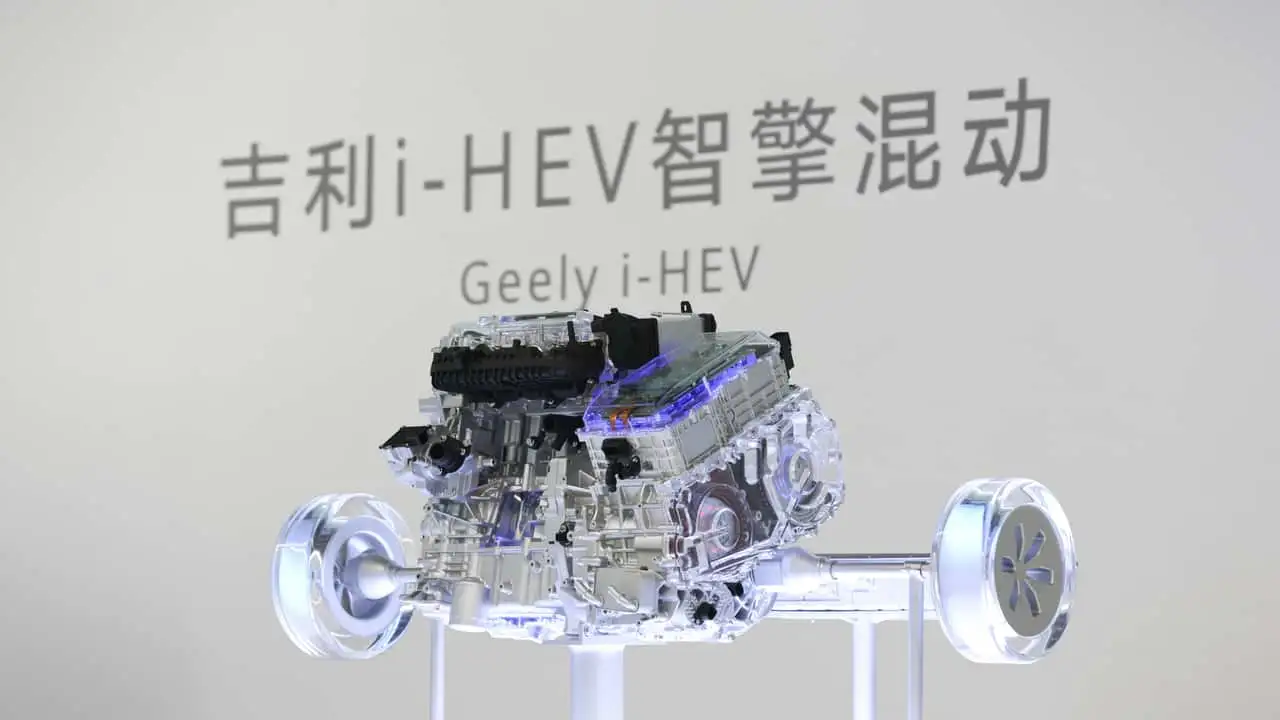
Geely isn’t being subtle about its intentions. The company is actively developing electrified platforms and hybrid systems, and it believes those technologies could benefit legacy automakers. From Geely’s perspective, collaboration is simply the smarter route.
Alex Gu, a senior Geely executive, made that crystal clear when asked about working with Ford. His response—“Why not?”—pretty much sums up the company’s stance. Geely sees partnerships as a way to accelerate development while reducing costs for both sides.
It’s not just talk, either. Geely already has experience collaborating with major brands, including Mercedes-Benz and Renault, which gives it credibility in these kinds of discussions.
Why This Actually Makes Sense
Developing a brand-new electrified platform from scratch is incredibly expensive and time-consuming. For a company like Ford, that means years of development and billions in investment before seeing results. In contrast, partnering with a company that already has the technology can significantly shorten that timeline.
Geely is positioning itself as exactly that kind of partner. It already produces EVs, plug-in hybrids, and advanced hybrid systems, and it’s rapidly expanding its capabilities. That makes it an attractive option for automakers under pressure to electrify quickly.
From a purely business standpoint, the logic is hard to ignore. Faster development, lower costs, and immediate access to proven technology is a compelling combination.
The Ute Market Is Changing Fast
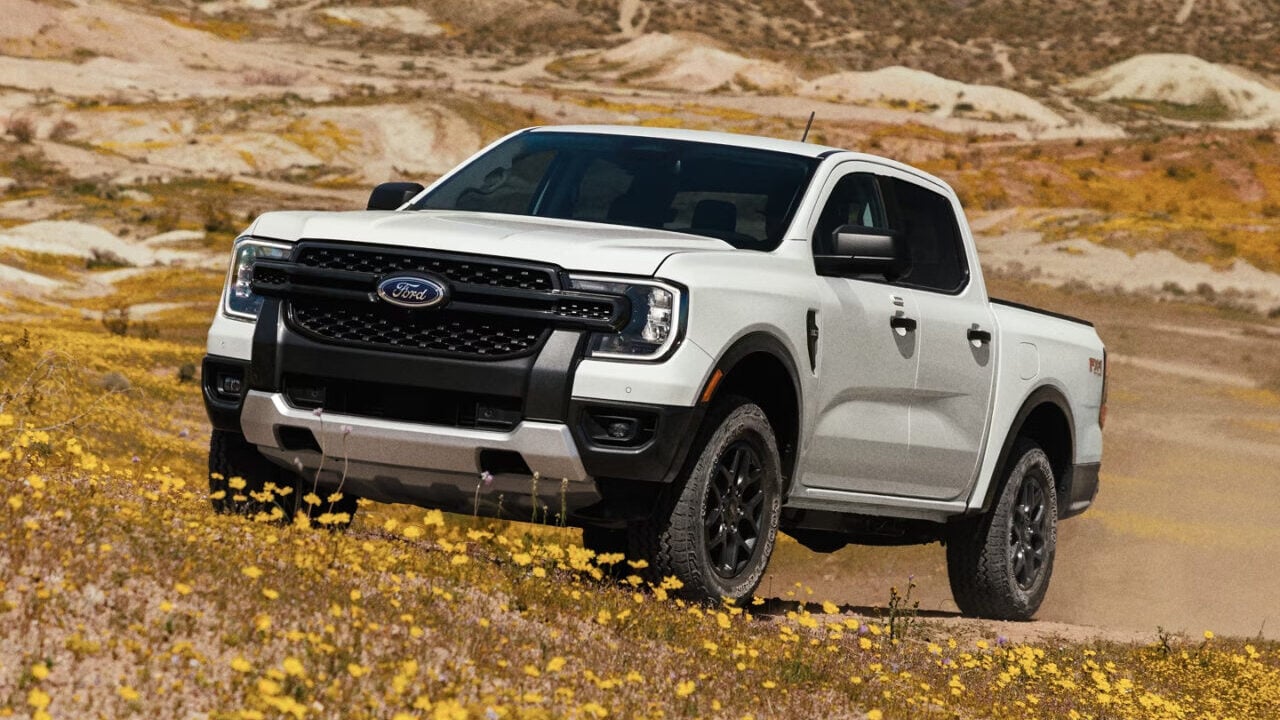
The pickup segment, especially in Australia and Southeast Asia, is evolving rapidly. Buyers still want toughness, towing capacity, and off-road capability, but they’re also starting to expect better efficiency and lower emissions. That’s a tough balance to strike with traditional diesel setups.
New competitors are already moving in this direction. Models like the BYD Shark 6 are combining strong performance with electrified powertrains, showing that buyers are open to something different. That puts additional pressure on established players like Ford and Toyota.
Geely is also planning its own pickup, which means it understands exactly what this market demands. Whether it builds its own rival or partners with an existing brand, it’s clearly aiming for a slice of this segment.
Ford Isn’t Committing… Yet

Despite all the talk, Ford hasn’t confirmed anything. Reports suggest discussions have taken place, but the company has been careful not to publicly commit to any partnership. That’s not surprising, given the political and economic sensitivities around working with Chinese automakers.
Ford CEO Jim Farley has already acknowledged that Chinese brands are becoming serious global competitors. At the same time, partnering with one of them could raise eyebrows, especially in markets like the United States. That makes any potential deal more complicated than it might seem on paper.
Still, silence doesn’t mean the door is closed. Flexibility is everything in the automotive landscape, and Ford knows it needs options.
This Could Be A Sign Of What’s Coming
Whether or not a Ford-Geely partnership actually happens, it’s obvious that Chinese automakers are now becoming technology suppliers in addition to being competitors for the same slice of automotive pie.
The idea of a future Ranger using Chinese-developed hybrid or EV tech might have sounded far-fetched a few years ago, but now, it feels like a real possibility, especially in markets where emissions rules are tightening the fastest. That’s where collaboration makes the most sense.
Ford doesn’t need to make a decision tomorrow, but it does need a plan, and if Geely’s offer is still on the table when the pressure ramps up, it might start looking a lot more appealing.