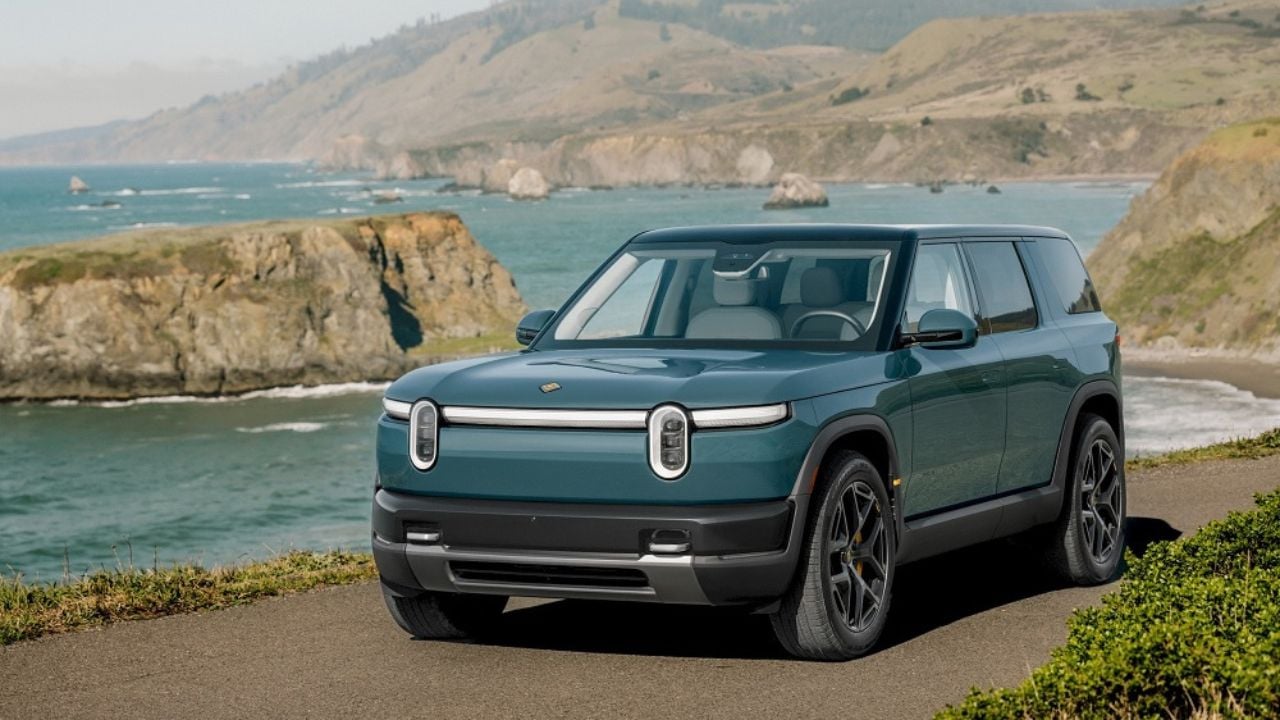
Rivian is entering a make-or-break phase, and the stakes couldn’t be higher. The upcoming R2 is the model that’s supposed to take the brand from niche player to serious mass-market contender. Naturally, any disruption to those plans is going to raise concerns.
That’s exactly what’s happening now. A major federal loan tied to Rivian’s new Georgia plant has been cut by $2 billion, reducing the total funding to $4.5 billion. While that still sounds like a lot of money, it’s a serious reduction for a project of this scale.
On the surface, Rivian is staying calm and sticking to the script, insisting that the project is still on track and that the R2 remains central to its future. However, behind the scenes, a cut like this forces adjustments, whether they’re publicly acknowledged or not.
When your entire growth strategy depends on scaling production quickly and efficiently, every dollar counts. This doesn’t derail Rivian’s plans outright, but it does make execution more critical than ever.
The R2 Is Rivian’s Make-Or-Break Model

Up until now, Rivian has focused on premium offerings like the R1T pickup and R1S SUV. These vehicles have helped build the brand’s reputation, but they aren’t designed to sell in massive volumes. The R2 changes that by targeting a much broader audience with a more accessible price point.
The base version is expected to start below $50,000, which puts it directly in competition with heavy hitters like the Tesla Model Y. Higher trims, including a Performance variant with around 656 horsepower, aim to deliver serious performance alongside practicality. That combination is exactly what the mainstream EV market demands right now.
If Rivian gets this right, the R2 could open the door to millions of new customers. If it doesn’t, the company risks being boxed into a smaller, more limited segment of the market.
The Georgia Plant Was Supposed To Be The Backbone
To support the R2’s expected demand, Rivian has been planning a massive new manufacturing facility in Georgia. This plant is intended to handle large-scale production, not just for the R2 but also for future models like the R3. In many ways, it represents the next phase of Rivian’s growth strategy.
The federal loan was a key part of making that plan work. Originally set at around $6.5 billion, the funding was meant to help cover construction, tooling, and workforce development. With that figure now reduced to $4.5 billion, Rivian has to rethink how it allocates resources.
That doesn’t stop the project, but it does force a more careful approach, and in a capital-intensive business like car manufacturing, that kind of adjustment can change timelines and priorities.
Rivian Is Already Adjusting Its Strategy
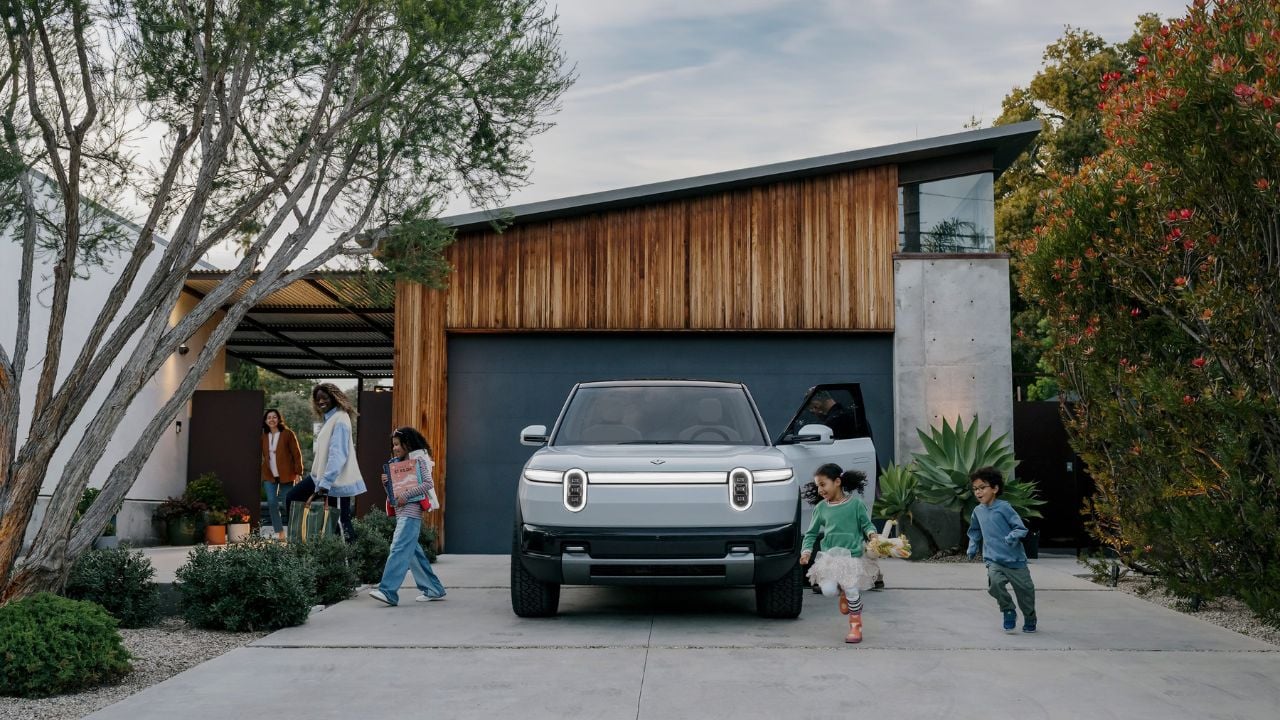
Rather than sticking to its original plan, Rivian is adapting quickly. The company has shifted from a two-phase expansion strategy to a single-phase approach, aiming for an annual production capacity of around 300,000 vehicles. This simplifies the rollout but also concentrates more risk into a single stage.
On paper, this approach makes sense, as it allows Rivian to focus its efforts and avoid spreading resources too thin. At the same time, it means the company needs to get that first phase absolutely right.
There’s less margin for delays or missteps when everything is tied to one major push. That’s the trade-off Rivian is now navigating.
There’s A Potential Upside
Interestingly, the revised loan structure might offer some advantages. Rivian has indicated that it could access the funding earlier than originally planned, possibly starting in 2027. That could accelerate parts of the project, including hiring and equipment installation.
Early access to capital can make a big difference when building a factory from the ground up. It allows the company to move faster in certain areas, even if the total budget is smaller. In that sense, the situation isn’t entirely negative.
Still, faster access doesn’t fully offset having less money overall. Rivian will need to balance speed with careful financial management.
The Competition Isn’t Standing Still
Even if Rivian executes perfectly, the R2 is entering one of the most competitive segments in the auto industry. The Tesla Model Y continues to dominate global EV sales, while entries like the Hyundai Ioniq 5 and Chevrolet Equinox EV are pushing hard on value and range.
That means Rivian can’t rely on brand image alone. The R2 will need to deliver on price, performance, and reliability to stand out. It also needs to be produced at scale without major delays, which has been a challenge for many EV startups.
The market is crowded, and consumers have more choices than ever, making Rivian’s margin for error even smaller.
The Bigger Picture For Rivian
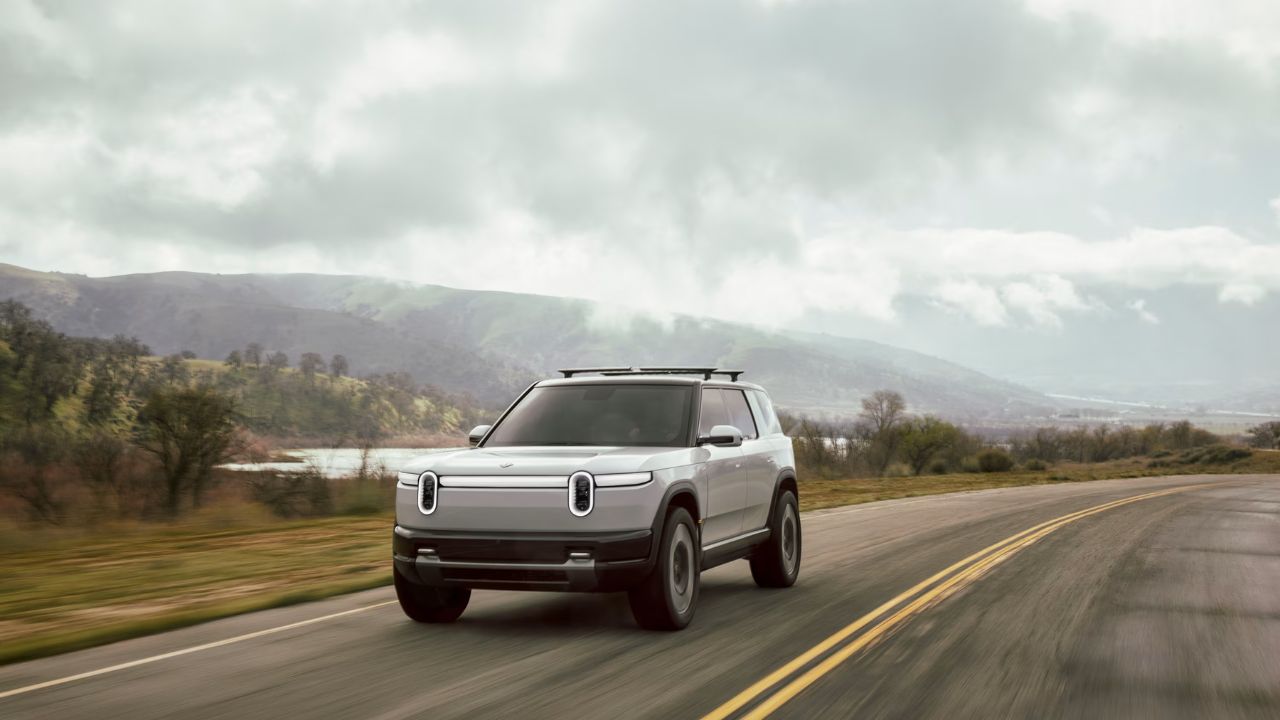
This isn’t just about a loan or a factory. It’s about whether Rivian can successfully transition from a boutique manufacturer to a high-volume automaker. That’s a difficult leap, and many companies have struggled to make it.
The R2 is the key to that transition. It represents Rivian’s attempt to move beyond early adopters and into the mainstream. Everything from pricing to production capacity has to align for that to happen.
The reduced loan doesn’t change the goal, but it does make the path more challenging, and in an industry where execution is everything, that challenge could define Rivian’s future.