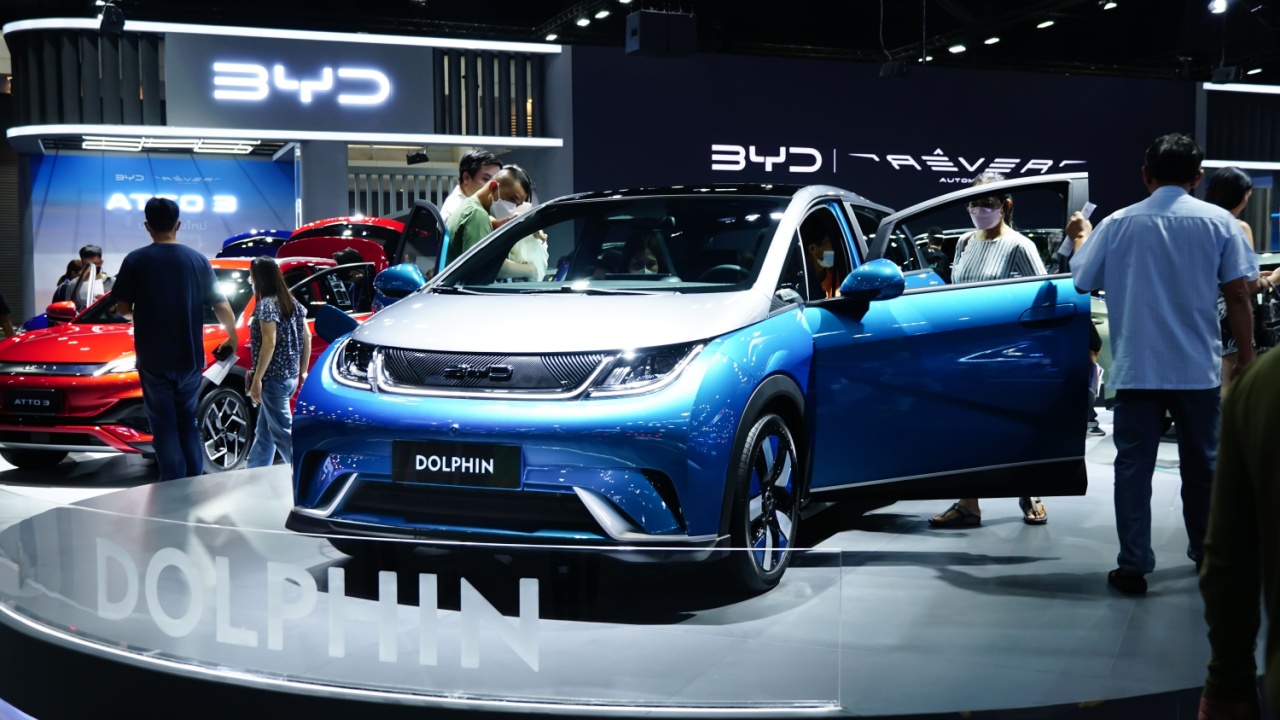
Keeping track of every new car coming out of China is becoming practically impossible. Chinese automakers are launching vehicles at a staggering pace as brands fight for attention in the world’s largest car market.
According to Nikkei Asia, BYD Executive Vice President He Zhiqi recently said 542 models were released in China between January and May 2026. That works out to roughly 108 models every month, or about 3.6 new vehicles every single day.
Some days are considerably busier. July 16 reportedly became known as “Crazy Thursday” after at least eight automakers unveiled new vehicles on the same day.
The relentless launch schedule illustrates just how intense competition has become, particularly among electric and plug-in hybrid manufacturers. It is also creating a problem: even genuinely new cars have very little time to enjoy the spotlight before something else arrives.
A New Car Can Feel Old Within Months
Developing a vehicle remains an expensive and time-consuming process regardless of how quickly manufacturers are introducing them. The BYD exec noted that an automaker can spend years and around 1 billion yuan ($149 million) developing a new model.
Once that vehicle finally reaches showrooms, the initial burst of consumer attention may last less than three months before newer competitors begin stealing the headlines. He described the current environment as “brutal,” which seems appropriate when dozens of alternatives can appear within weeks.
That puts manufacturers under pressure to continually refresh their lineups, add technology, and cut prices. The result is a cycle where companies feel compelled to launch even more vehicles simply to avoid disappearing beneath the next wave of introductions.
Even China’s Biggest Automakers Are Feeling Pressure
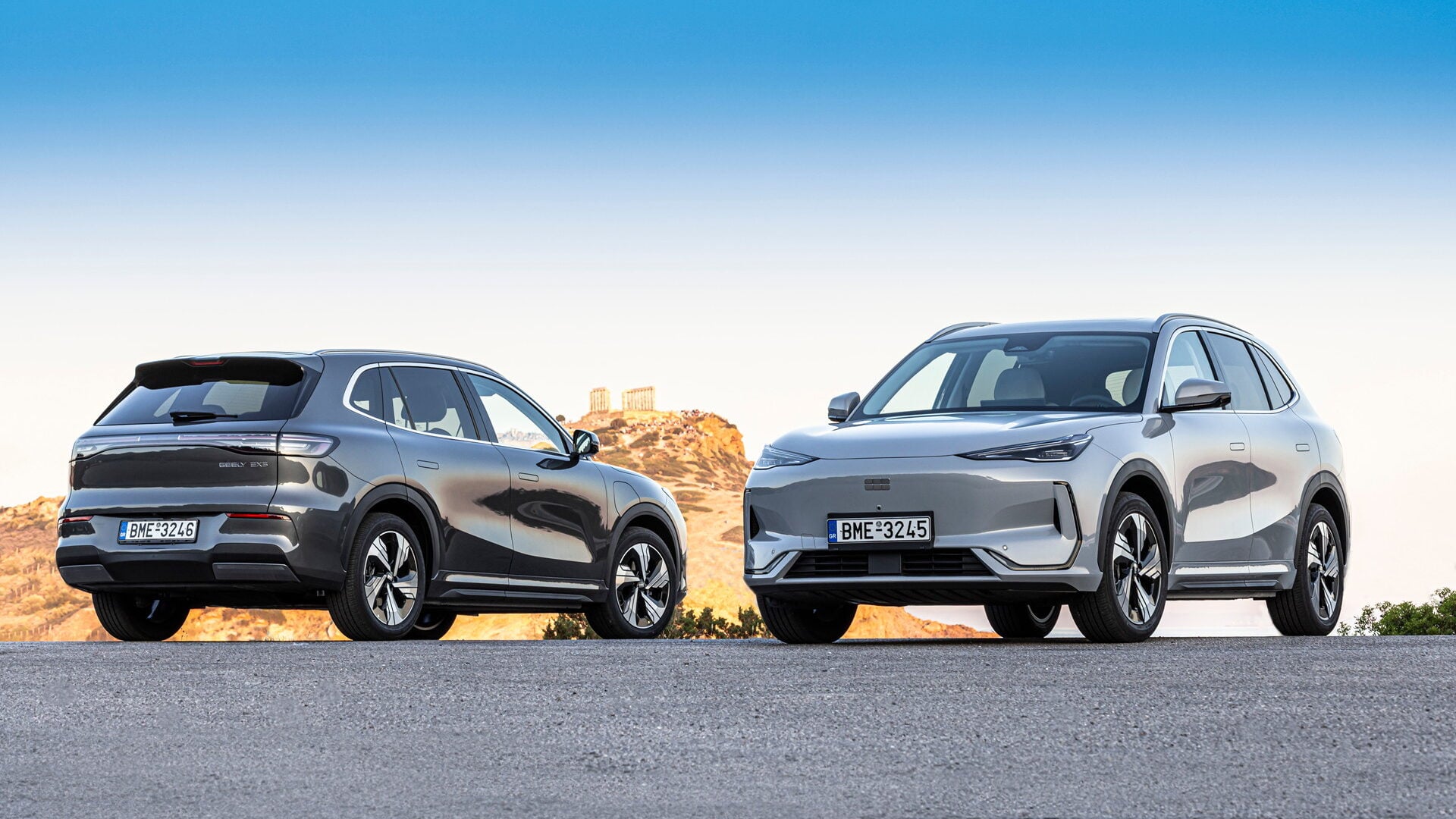
The launch frenzy is happening as China’s domestic automotive market becomes increasingly difficult. Overall sales have fallen 21%, while new-energy vehicle sales dropped 13%, partly following changes to government tax incentives.
Even BYD hasn’t managed to escape the slowdown, as the automaker’s sales declined 16% during the first six months of 2026, marking its first first-half decline in six years.
Other manufacturers are also under pressure. Seres Group expects to report a net loss, while Great Wall Motor’s first-half net profit could decline by roughly 60%.
Exports continue providing Chinese automakers with opportunities outside their home market, but international expansion does not eliminate the fierce competition taking place domestically. With so many brands chasing the same customers, simply having a competitive vehicle is no guarantee of success.
China May Be Reaching Peak Car Launch
Part of the issue is that China’s car market is beginning to mature after years of enormous growth. Nio CEO William Li recently pointed out that many Chinese households already own a vehicle, meaning manufacturers can no longer depend on an endless stream of first-time buyers.
Instead, automakers increasingly need to convince existing owners to replace or upgrade their cars. That could eventually favor longer product cycles and more sustainable sales rather than constantly chasing growth with another new model.
The current pace certainly looks difficult to maintain indefinitely. Developing hundreds of new vehicles requires enormous amounts of engineering, manufacturing capacity, marketing money, and investment, while each individual model gets less time to recover those costs.
Still, slowing down carries its own risk when competitors continue launching cars at breakneck speed. With an average of around 108 new models arriving every month during the first five months of 2026, China’s automotive industry has created a product race where even taking your foot off the accelerator could mean getting left behind.