
Ever heard the phrase “don’t meet your heroes,” because unfortunately, that applies to some dream cars, too. As kids, many of us stared in awe at posters of flashy cars, symbols of speed, freedom, and style. These vehicles dominated toy shelves, video games, and action-packed movie scenes. They were more than machines that fueled our dreams and reminded us not to slack off in school.
As we grew older, so did our perspective. We began to value things like comfort, reliability, and practicality, qualities many of these dream cars lack. Some turned out to be harder to live with than we imagined. Others simply didn’t deliver the excitement their image promised.
Some of these cars we grew up idolizing only to learn that they fell just a bit short of the high pedestal we put them on. Many of them, however, we still love regardless.
How We Picked These Retro Letdowns
We focused on cars that had outsized cultural appeal between the late ’80s and early 2000s. Vehicles that starred in movies, adorned school folders, and sat in our virtual video game garages.
We considered how these cars hold up today, from driving experience to styling, usability, and how they align with modern expectations. Some aged poorly, others never lived up to the hype, and a few just couldn’t carry their larger-than-life reputations into adulthood. This isn’t about hate, it’s about a mismatch between fantasy and reality. A lot of these we still love today, regardless, don’t get us wrong. If these are still your dream car or you finally put one in your own driveway, we certainly aren’t going to judge.
Ferrari Mondial

The Ferrari Mondial was often seen as a gateway into the world of Italian supercars. With the legendary Ferrari name, its elegant proportions, and exotic flair, it easily earned dream-car status among young enthusiasts. It looked like it belonged in a Hollywood action movie or on a racetrack.
However, in practice, the excitement fades fast. It lacks the commanding presence and road feel of other Ferraris, and the driving experience doesn’t match the allure of the badge. The styling feels subdued compared to its flashier siblings, and its appeal is mostly nostalgic. While it still garners respect for being part of the Ferrari family, it rarely stirs the soul the way we once expected it to.
Pontiac Fiero

The Fiero was a sensation when it hit the market. Its bold styling, compact shape, and futuristic vibe made it feel like a sports car for the everyman. Kids saw it as America’s answer to sleek European coupes, and it quickly gained a place in video games and toy collections.
As adults, though, the illusion fades. The Fiero’s driving experience is modest at best, with build quality and interior materials that don’t age gracefully. It feels more like a stylish commuter than a performance icon. It’s certainly unique, and its cult following is deserved, but the excitement it promised never fully materialized behind the wheel.
DeLorean DMC-12

Few cars are as recognizable as the DeLorean DMC-12. With its brushed stainless-steel panels and iconic gull-wing doors, it looked like a prop from a sci-fi movie because it was. Its place in pop culture history, especially through Back to the Future, solidified its dream status.
In reality, the DeLorean was more style than substance. The driving experience lacks the thrill its appearance suggests, and its layout and features feel outdated. The magic is in the aesthetic and nostalgia, not the ride. While it still makes heads turn, those looking for performance or polish often walk away disappointed.
Lamborghini Countach
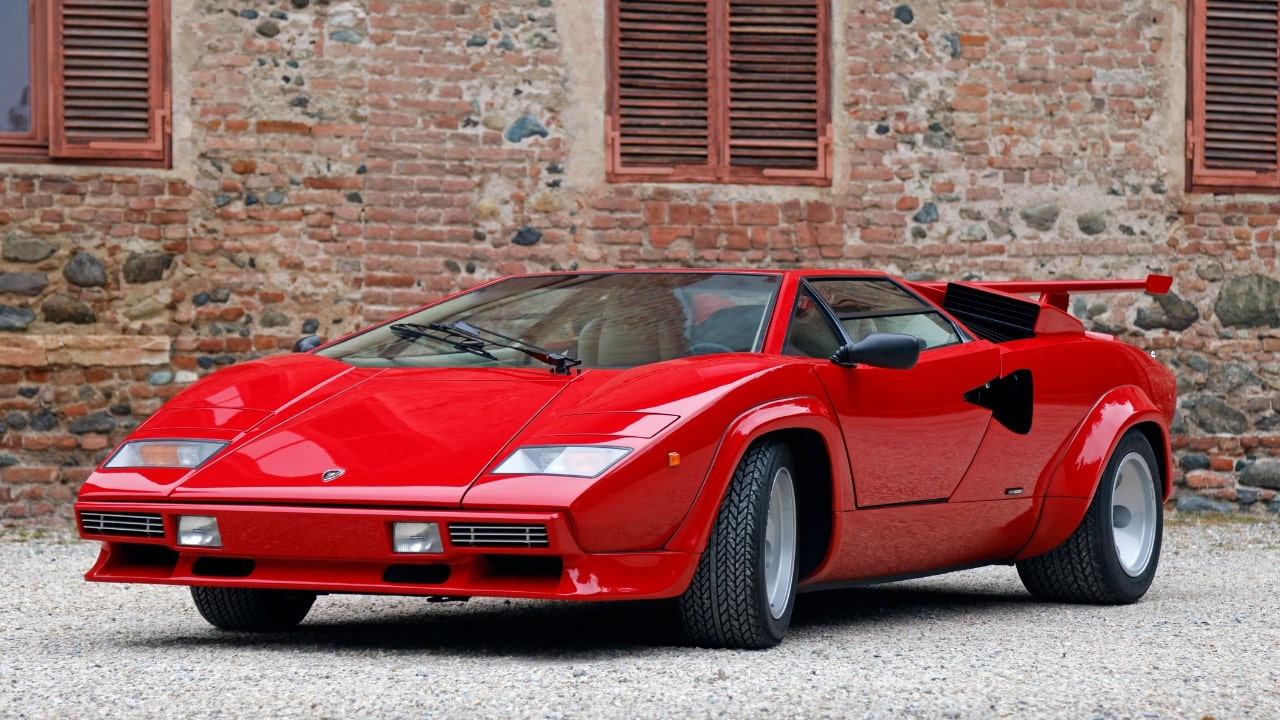
The Lamborghini Countach is arguably the most poster-worthy car of the 80s. Its aggressive angles, scissor doors, and low stance made it look like it came from another planet. For many kids, it was the very definition of a supercar.
However, driving one reveals a harsh truth. It’s incredibly difficult to see out of, uncomfortable to sit in, and lacks the intuitive feel modern cars have. The Countach makes an unforgettable impression at a standstill, but that excitement rarely carries over once you’re actually driving it. It’s a visual masterpiece that demands admiration, just not from the driver’s seat.
Dodge Viper (1st Gen)

The first-generation Dodge Viper was all brawn. Its wide body, massive wheels, and minimal creature comforts made it feel like a beast on four wheels. For young fans, it represented unfiltered, American-made power.
As adults, the reality is that the Viper was extreme to a fault. It was harsh on the road, difficult to drive smoothly, and didn’t offer much in terms of comfort. Without modern amenities or driving aids, it felt more like a machine you fought than one you enjoyed. The thrill is there, but it’s not as fun as we once imagined.
Read our interview with a childhood-dreamer turned owner: No Replacement for Displacement: One Man’s Love for the Dodge Viper.
Toyota MR2 (2nd Gen)
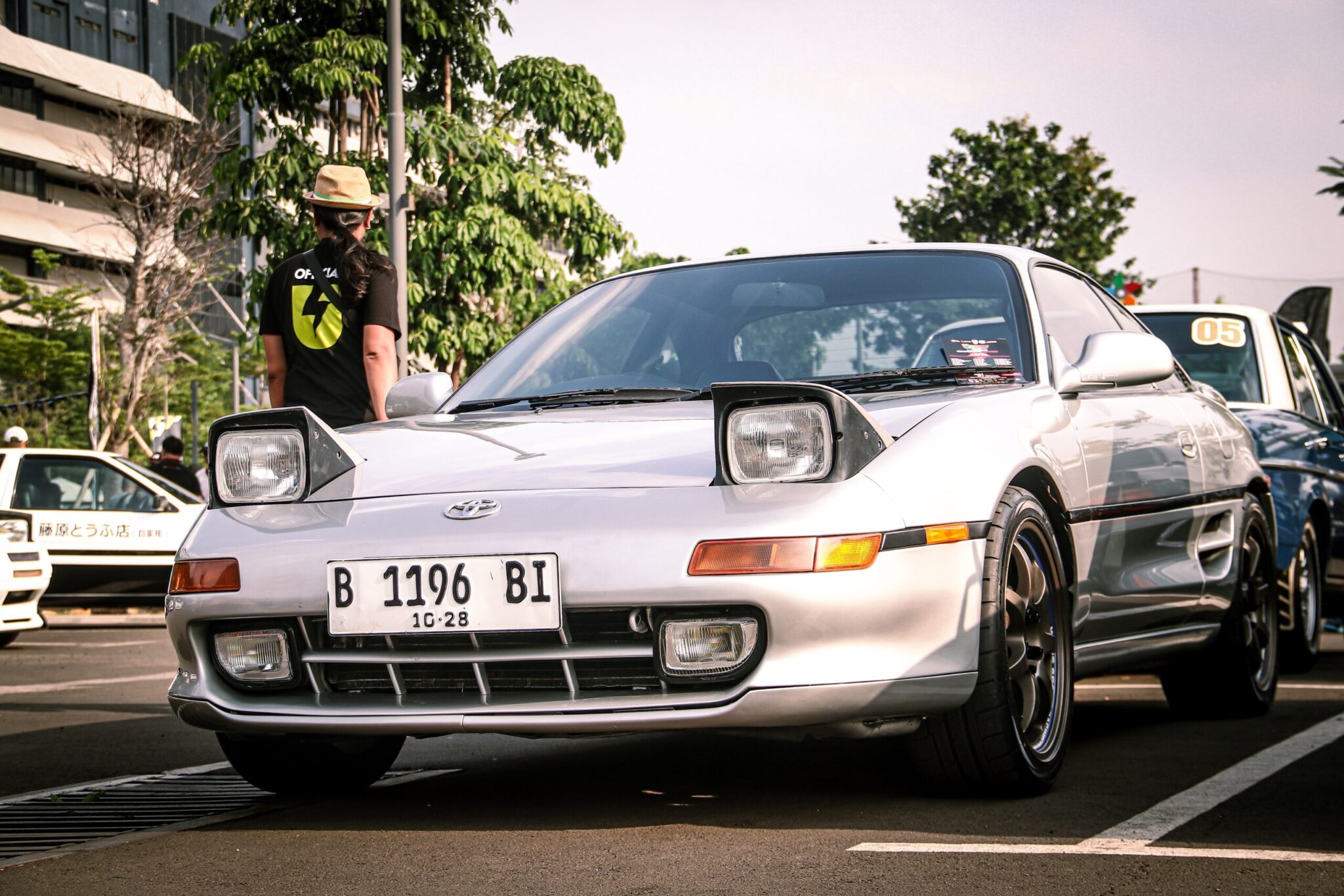
The second-generation MR2 looked like a sleek, budget-friendly sports car. Its low stance and stylish lines made it a favorite for those dreaming of a high-performance look without the high price tag. It looked quick and nimble, even standing still.
Driving it often felt more complicated than rewarding. Its handling could be unpredictable, especially in less-than-ideal conditions, and the compact cabin didn’t offer much comfort. While enthusiasts still appreciate its uniqueness, its no longer the approachable thrill ride many of us believed it to be in our younger years.
Chevrolet Camaro (3rd Gen)

This generation of the Camaro was a cultural icon. It had the right look-aggressive, low, and rebellious. Whether on TV or in your neighbor’s driveway, it captured the imagination of a generation raised on American muscle.
Once behind the wheel, many found it lacking. The build quality felt cheap, and the driving experience failed to live up to the attitude. The bold styling couldn’t hide the flaws in comfort and refinement. Its a car that wears nostalgia well, but doesn’t offer much beyond that.
Plymouth Prowler
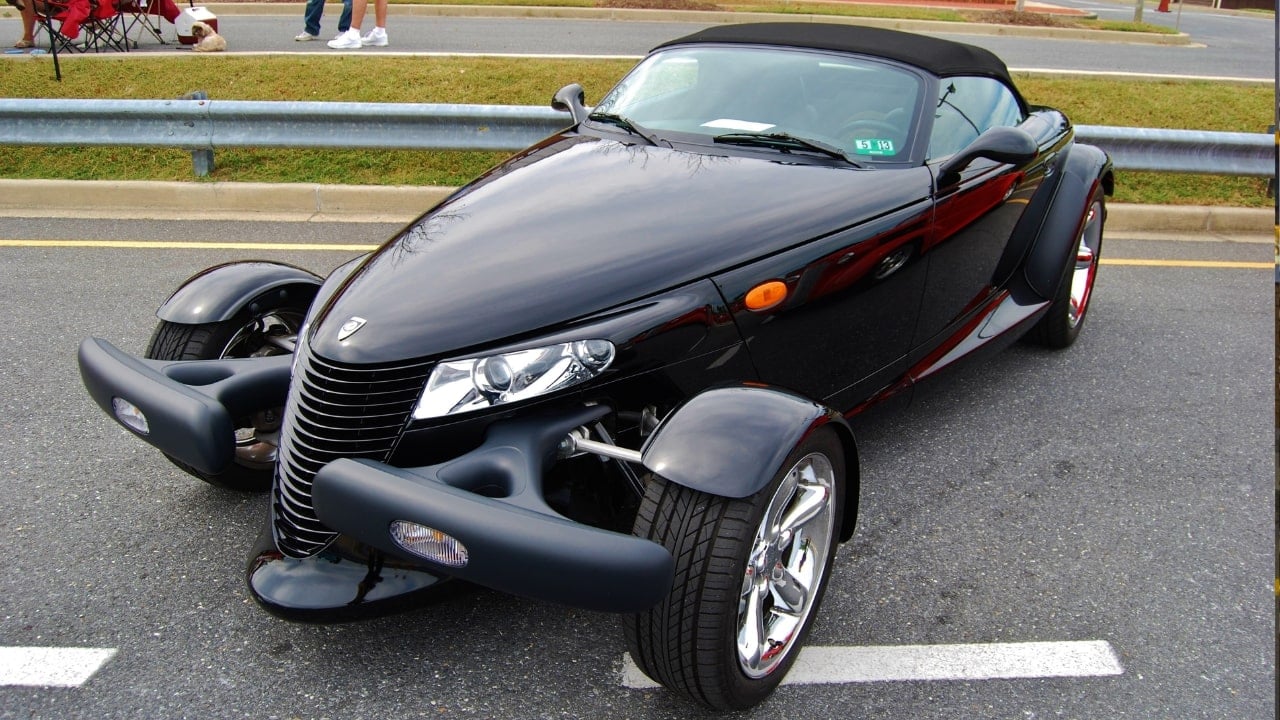
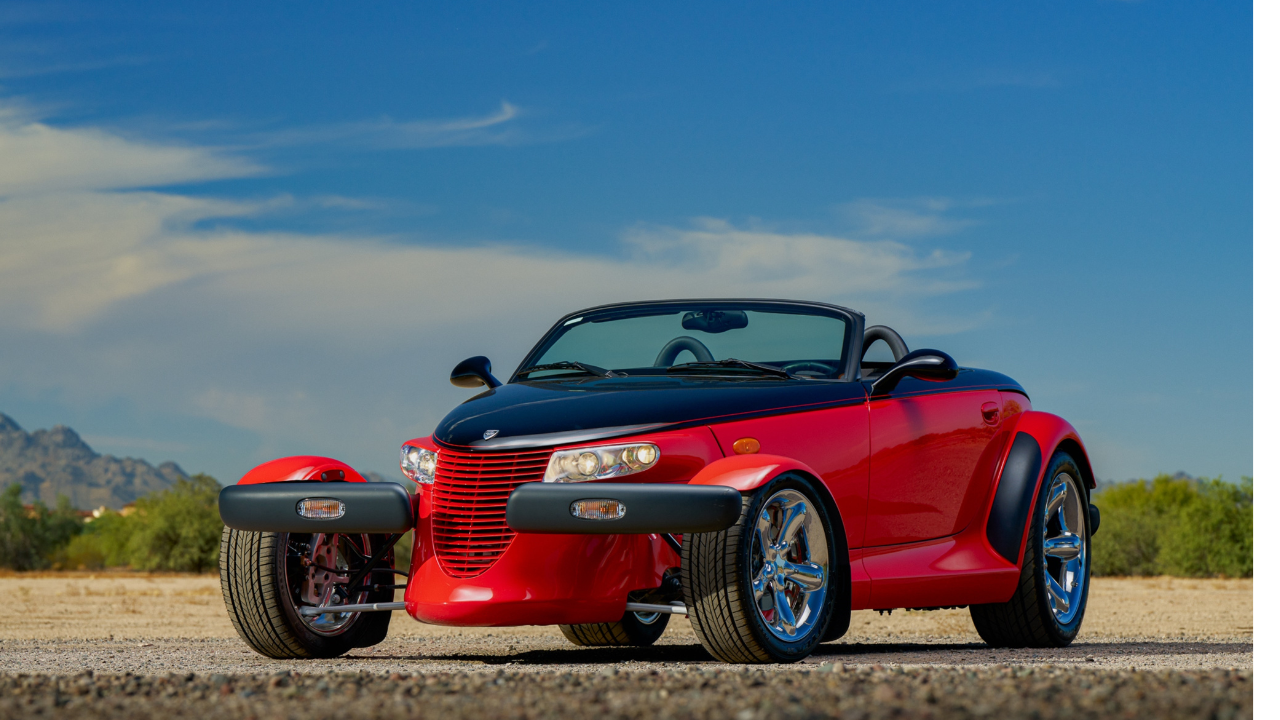
The Plymouth Prowler turned heads like few cars of its era. With its exposed wheels, chopped-down roofline, and wild retro styling, it looked like a futuristic hot rod designed in an alternate 1950s. For kids who loved bold, dramatic cars, it was instantly iconic, something that didn’t resemble anything else on the road.
Beyond the design, the experience falls short. Driving it feels awkward, with comfort sacrificed in favor of looks. Storage is nearly nonexistent, and its road manners are more show than go. It remains a visual spectacle, but most owners agree it’s better appreciated at car shows than on a long drive.
Hummer H2
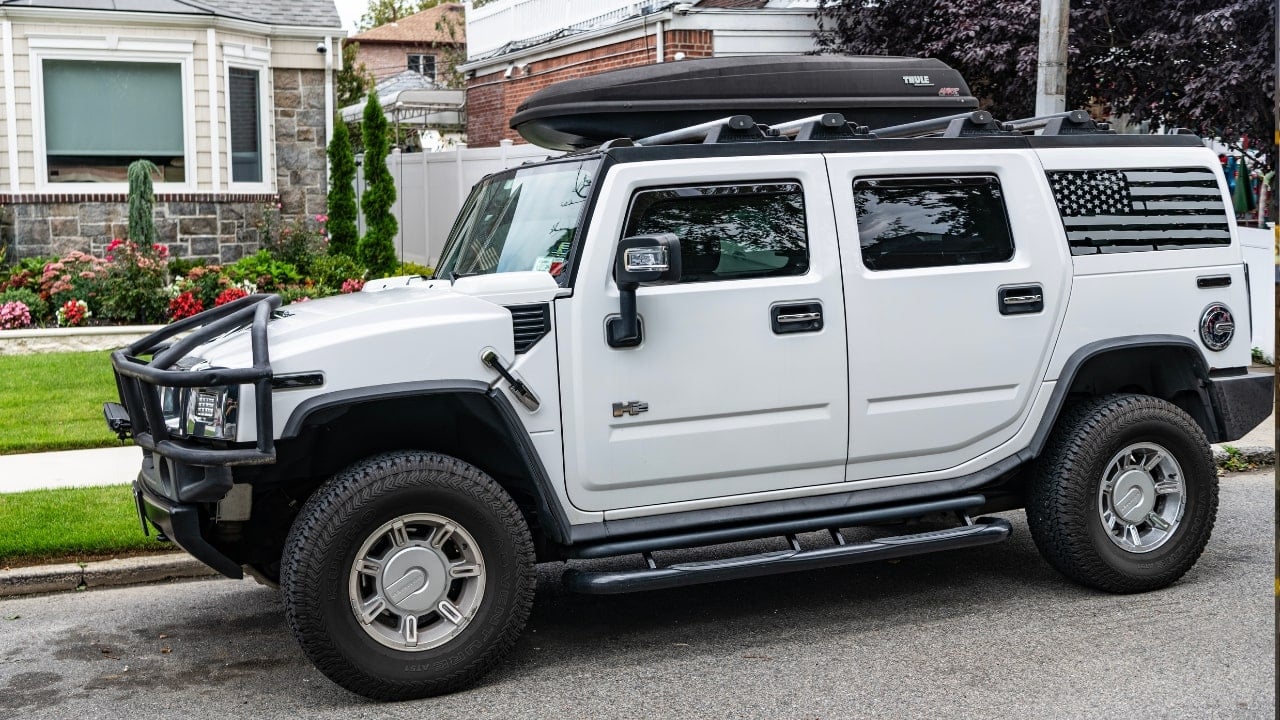
When the H2 launched, it looked unstoppable. Towering over other cars and styled like a military tank, it was everything a kid could want in a tough vehicle. It had presence, attitude, and instant road dominance.
But now it feels like a relic of a different time. It’s impractical in every sense-difficult to maneuver, wasteful on fuel, and more bark than bite. While still eye-catching, the H2 struggles to find relevance or real enjoyment in the modern driving world.
Subaru SVX

The Subaru SVX had a futuristic design that captured attention immediately. Its wraparound windows and sculpted body made it look like a car designed for another decade, and it felt advanced in ways others weren’t.
Despite the visual appeal, it lacked the fun factor. The driving experience was distant, and the unique design introduced quirks that became more frustrating than charming over time. The SVX feels like a bold experiment that didn’t quite hit the mark.
Dream On

These cars captured our imaginations at a time when style and reputation meant everything. They were the stars of our posters, video games, and daydreams, symbols of freedom and personality. Unfortunately,2 as with many childhood ideals, reality can be more complicated.
Driving them today, we notice things we once ignored: clunky handling, dated interiors, and style that doesn’t always translate to substance. Some still hold charm, but not always the kind we expected. They remind us how tastes change, and how growing up means re-evaluating even our most beloved icons.
In the end, these cars aren’t failures, they’re just time capsules. And sometimes, the fantasy is best left in the rearview mirror.