Some cars succeed by selling well. Others succeed by changing what an entire market thinks it needs to build next.
That kind of influence usually comes from timing as much as engineering. A car arrives with the right mix of price, design, practicality, and image, buyers respond immediately, and competing brands realize they can no longer treat that formula as a niche idea.
When that happens, the ripple effect shows up fast. Segments fill with rivals chasing the same balance of attributes, and within a few years the original idea starts to look less like one company’s gamble and more like the new industry standard.
The cars below did exactly that. Some created a category outright, some defined it so clearly that everyone else had to answer, and some proved a once-radical idea was profitable enough to force the rest of the market to follow.
Ford Mustang
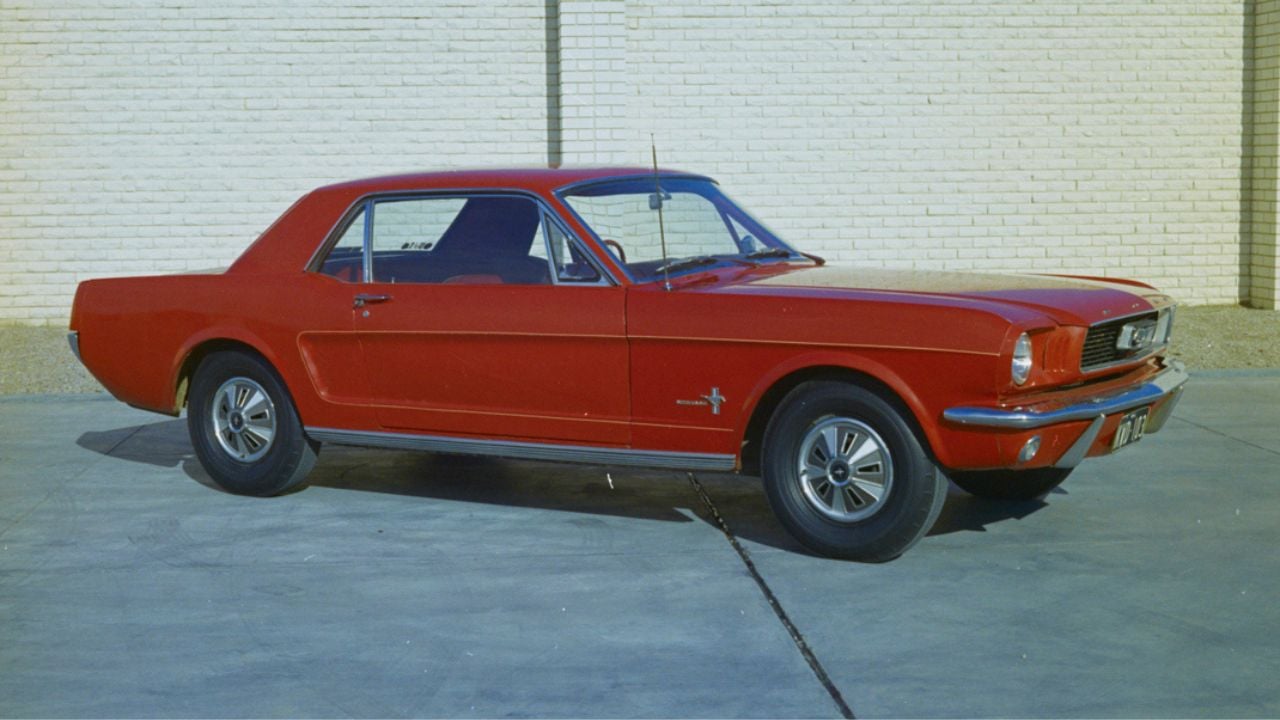
Ford introduced the Mustang in April 1964 and then watched the market erupt around it. The formula was brilliantly judged: sporty styling, a youthful cabin, a long-hood-short-deck profile, and a price that made the whole thing feel attainable rather than exotic.
It is true that Plymouth’s Barracuda reached the market slightly earlier, so the cleanest version of the story is not that the Mustang appeared in total isolation. It is that Ford was the company that turned the idea into a cultural event and a genuine mass-market segment.
That commercial force is what mattered. Chevrolet answered with the Camaro, Pontiac followed with the Firebird, AMC launched the Javelin, and Chrysler eventually broadened its own presence in the category with the Dodge Challenger.
The pony-car market was not defined by whichever name technically arrived first. It was defined by the car that made every other manufacturer realize they needed one, and that car was the Mustang.
Jeep Cherokee (XJ)

When the 1984 Jeep Cherokee arrived, it changed what many buyers thought an SUV could be. It used a unibody design instead of a traditional body-on-frame layout, which helped give it a more civilized on-road feel without stripping away the off-road credibility buyers still expected from a Jeep.
That balance was the breakthrough. The XJ was compact enough to live with every day, tough enough to preserve the SUV image, and efficient enough to make the idea of using a sport utility vehicle as regular transportation feel more practical than before.
The broader market learned quickly from that shift. Some brands pushed toward more family-friendly compact SUVs, while others leaned into the same everyday usability with vehicles that were less rugged in character but easier to live with on pavement.
The Cherokee did not single-handedly invent every later crossover. What it did do was help prove that buyers wanted utility vehicles that felt manageable, space-efficient, and daily-drivable, which became one of the most important ideas in the entire segment.
Volkswagen Golf GTI
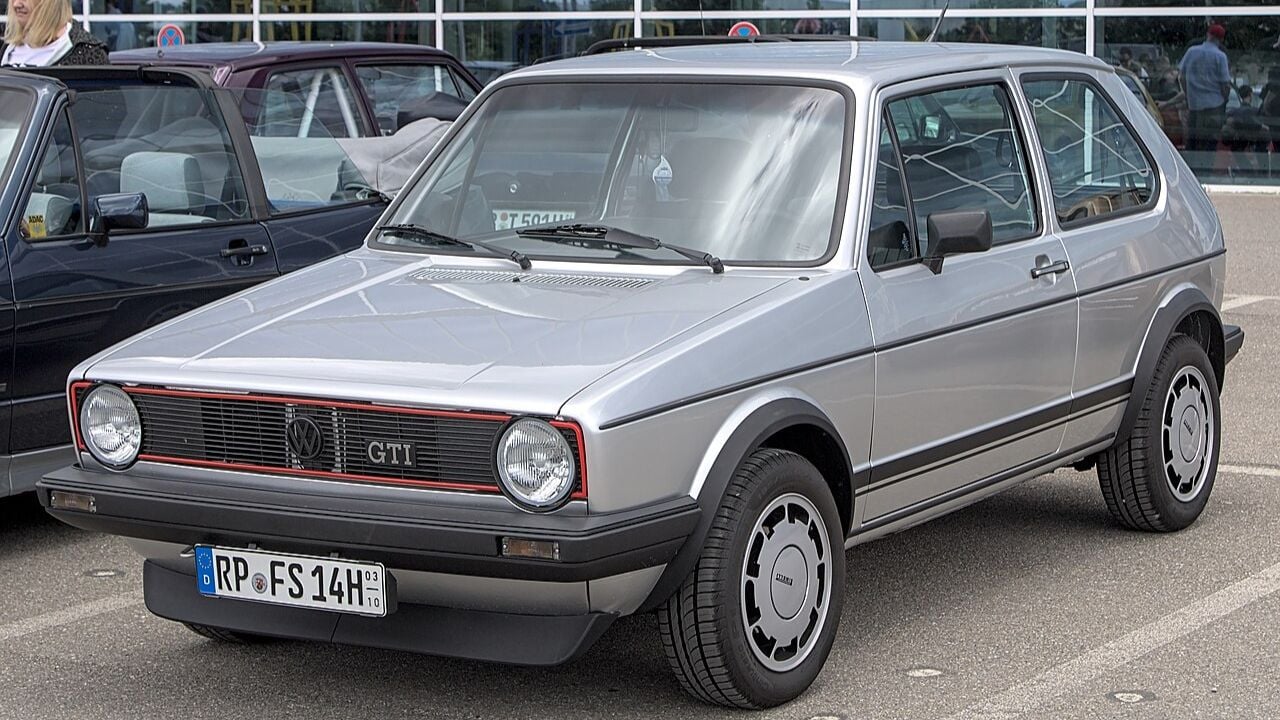
Volkswagen launched the original Golf GTI in 1976 and gave the small performance car a far clearer identity than it had before. The concept was simple but potent: hatchback practicality, everyday affordability, and enough real driving talent to make the car feel exciting rather than merely sensible.
The GTI was not the first sporty hatchback in absolute terms, but it was the car that codified the hot-hatch formula so convincingly that the rest of Europe could not ignore it. It showed that one compact car could carry friends, groceries, and a genuinely enthusiastic driver without forcing a compromise in every direction.
Rivals answered with urgency. Ford developed the Fiesta XR2 and Escort XR3i, Peugeot produced the 205 GTI, Renault built the 5 GT Turbo, and Fiat entered the fight with the Uno Turbo.
By the 1980s, the hot hatch was one of Europe’s most crowded and distinctive performance categories. That happened because the GTI made the formula too appealing, and too commercially obvious, to leave unanswered.
Toyota Prius

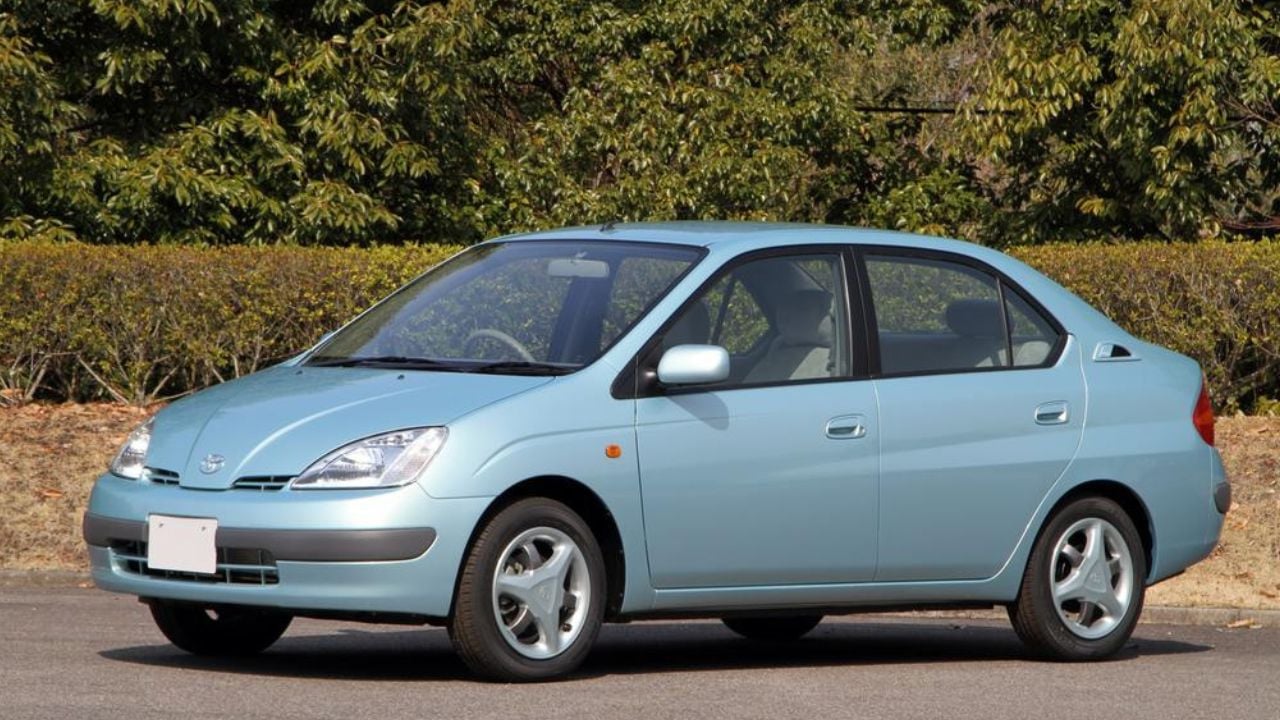
Toyota launched the Prius in Japan in 1997 and brought it to the United States in 2000. It was the first mass-produced hybrid passenger car, and more importantly, it made hybrid technology feel usable, understandable, and normal enough for ordinary buyers to trust.
Honda deserves credit for arriving early with the Insight, so the Prius was not operating in total solitude. But Toyota was the company that turned the hybrid from an intriguing engineering statement into something the mass market could actually recognize, discuss, and buy in meaningful numbers.
That shift mattered far beyond one model line. Once buyers proved willing to accept the idea of combining gasoline and electric power for practical reasons, the rest of the industry had to start planning around it.
Honda, Ford, General Motors, Hyundai, Kia, and eventually nearly every major manufacturer expanded into hybrids of their own. The Prius did not just popularize one car. It validated the whole category.
Porsche Cayenne
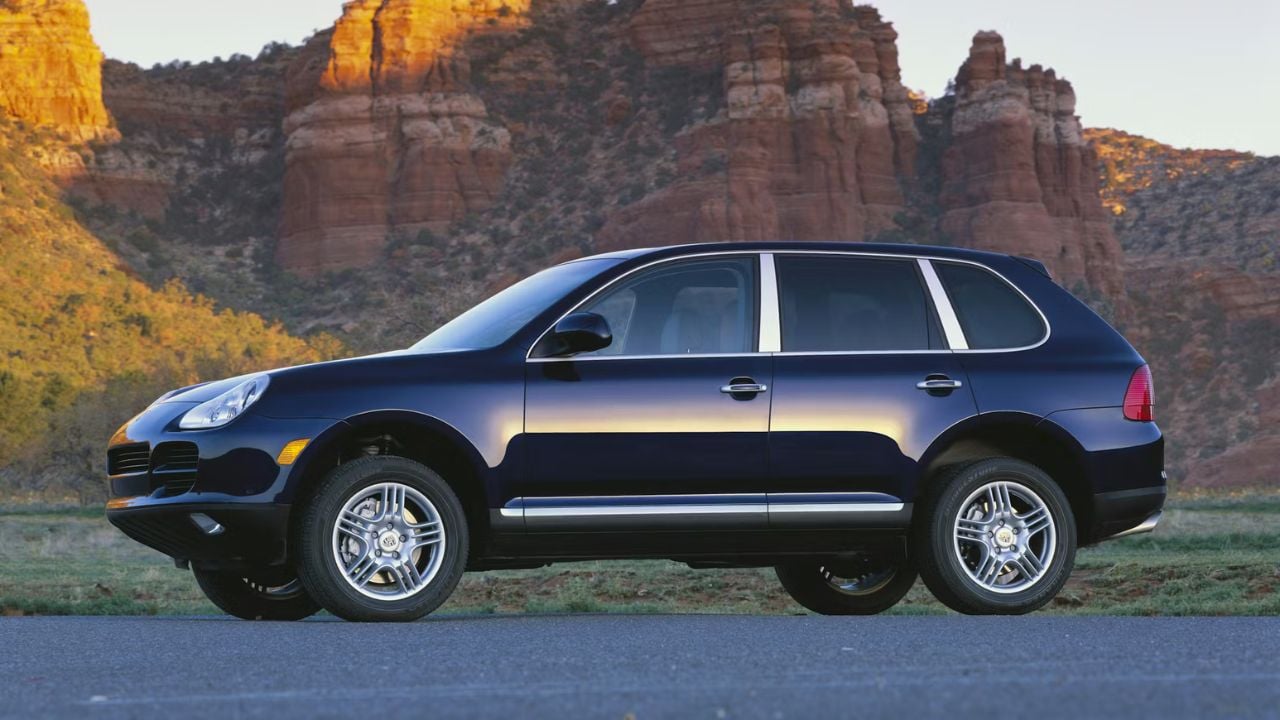
When Porsche decided to build an SUV, a lot of purists hated the idea on principle. Then the Cayenne arrived for the 2003 model year and made the whole debate much harder to dismiss, because it delivered real performance, real utility, and the kind of driving polish buyers expected from the badge.
Luxury SUVs already existed, and high-end manufacturers had not completely ignored the format before Porsche entered it. What the Cayenne proved, however, was something more specific and more consequential: even a sports-car brand could build an SUV without destroying its identity, and the profits could be impossible to ignore.
That lesson spread slowly at first and then almost everywhere. Over the following years, and in some cases more than a decade later, more prestige and exotic brands moved into the segment with SUVs of their own.
The Cayenne did not create the luxury SUV from scratch. It did help legitimize the idea for sports-car and ultra-luxury marques that once would have considered it unthinkable, which may be an even more important kind of influence.
Mazda MX-5 Miata
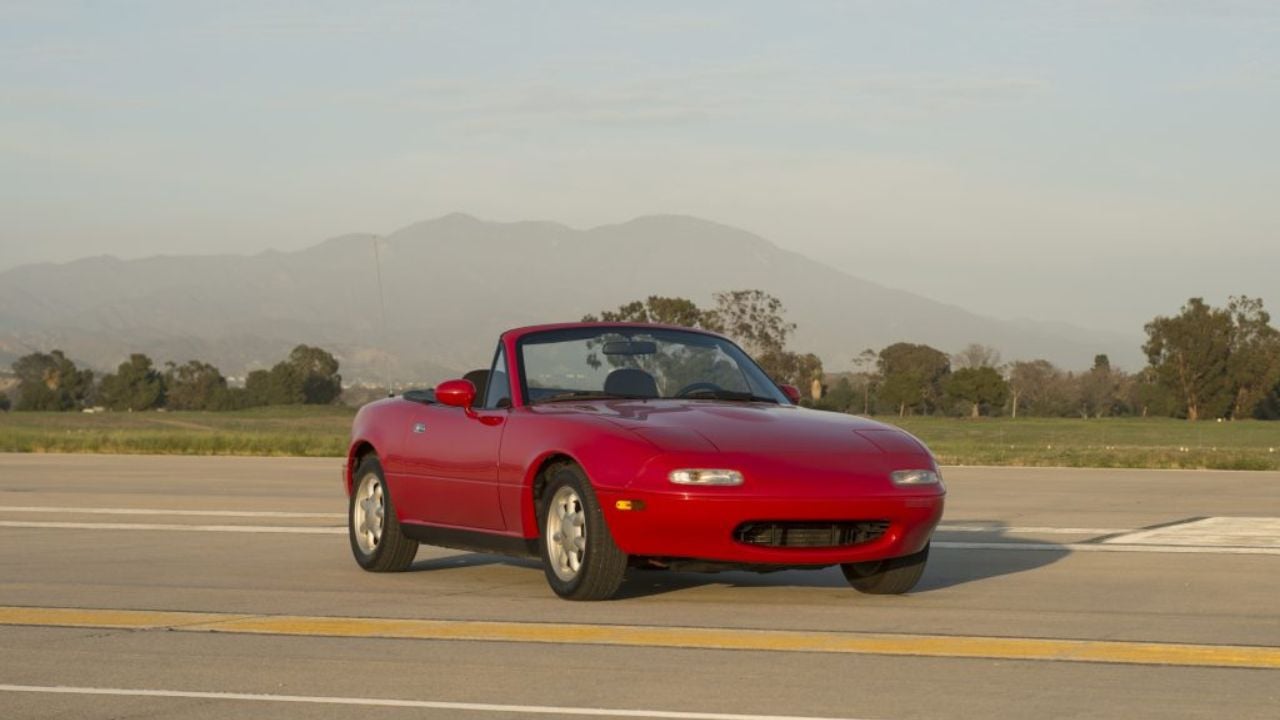
By the late 1980s, the affordable two-seat roadster looked like a charming idea the market had mostly left behind. Mazda brought it back with the MX-5 Miata in 1989 and did so with extraordinary discipline: low weight, rear-wheel drive, simple mechanical honesty, and a price that kept the whole experience within reach.
The brilliance of the Miata was not that it tried to modernize the classic roadster beyond recognition. It was that it understood exactly which parts of the old formula needed to return and which old weaknesses needed to stay buried.
The rest of the industry noticed. The 1990s brought a renewed wave of small open-top sports cars, from more affordable roadsters to premium two-seat convertibles, all chasing the same basic idea that lightweight fun and approachable ownership could still sell.
The Miata did not make every later roadster a copy in some literal sense. It did prove that the affordable driver-focused convertible was still viable, and that alone was enough to pull the segment back into relevance.
Honda Civic
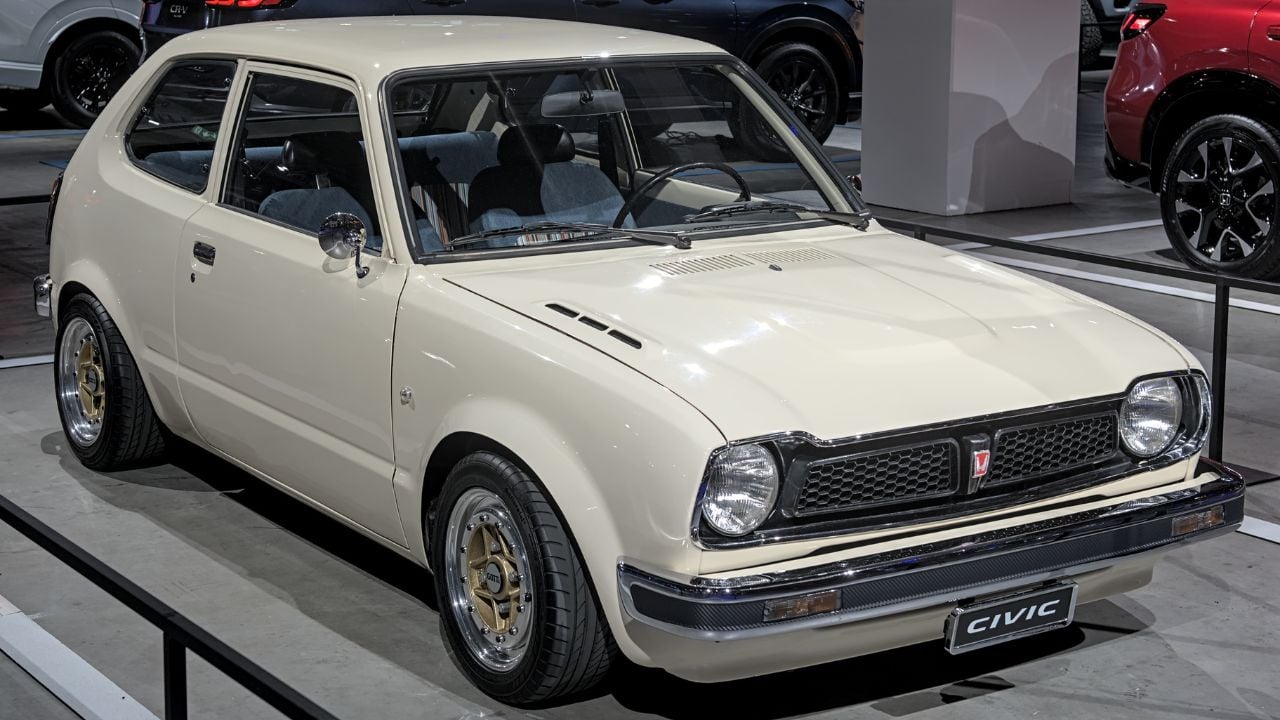
The original Honda Civic reached the United States as a 1973 model and arrived at exactly the right moment. Fuel prices were rising, buyers were becoming more serious about efficiency, and Honda had a compact car that felt well made, economical, and easier to trust than many people expected from the class.
The Civic did not invent the imported compact all by itself, and it did not arrive before every rival. What it did do was help lock in a new set of expectations for the segment: efficiency, durability, sensible ownership costs, and everyday usability without the disposable feel that had shaped many cheap small cars before.
That raised the standard for everyone else. Toyota, Nissan, Volkswagen, and eventually nearly every mainstream manufacturer had to compete harder on quality, reliability, economy, and long-term value because buyers had learned to expect those things from a compact car.
The Civic’s influence was not flashy, but it was profound. It helped teach the American market that a small car could be economical without feeling second-rate, and that lesson reshaped the compact category for decades.
Where One Car Changes Everything

The common thread across these cars is not just success, but clarity. Each one arrived with an idea the market was ready for, expressed that idea in a way buyers immediately understood, and sold well enough to make competitors rework their own plans.
The Mustang made sporty style feel accessible. The Prius made hybrid ownership feel believable. The Cayenne made the SUV acceptable in places it once seemed unwelcome. The Miata made affordable driving pleasure feel commercially viable again.
That is the difference between a popular car and a genuinely influential one. Popularity fades with a model cycle, but influence stays visible long after the original car disappears, because the category it shaped keeps multiplying around it.