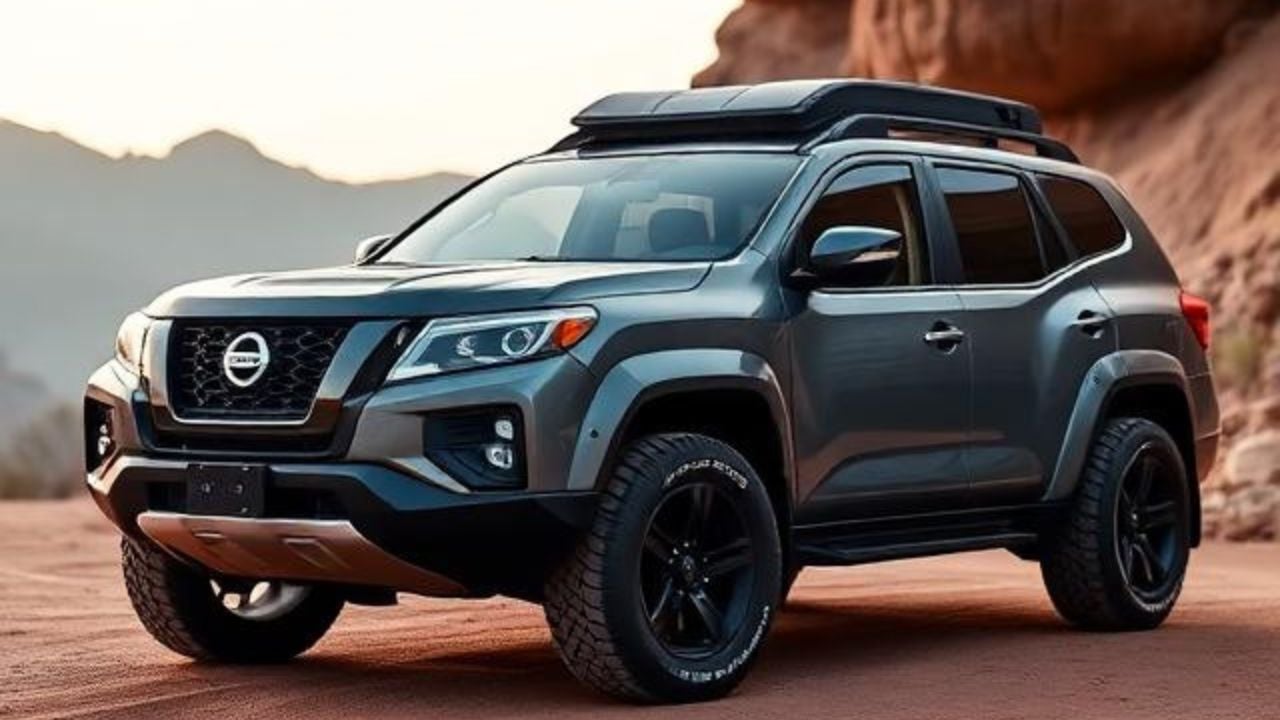

The Nissan Xterra’s return is a case study in how regulatory frameworks can quietly shape the kinds of vehicles automakers are willing, or even able, to build. The headline from CarBuzz frames it bluntly: weaken fuel economy rules, and suddenly a once-doomed SUV springs back to life.
To understand why, you have to rewind to the Xterra’s original demise.
When it said goodbye to the U.S. market after the 2015 model year, the reasons were not mysterious. Poor fuel economy and tightening emissions standards made its rugged, body-on-frame formula increasingly difficult to justify.
What made the Xterra appealing, its truck-like construction, naturally aspirated V6 engines, and unapologetic off-road bias, also made it a liability under Corporate Average Fuel Economy rules.
Apparently, that tension never really disappeared. It was merely deferred.
Thank You, President Trump
According to reporting cited by CarBuzz, Nissan had long been interested in bringing back a proper off-road SUV. The demand never vanished. Buyers still want vehicles that look and behave like tools rather than lifestyle accessories.
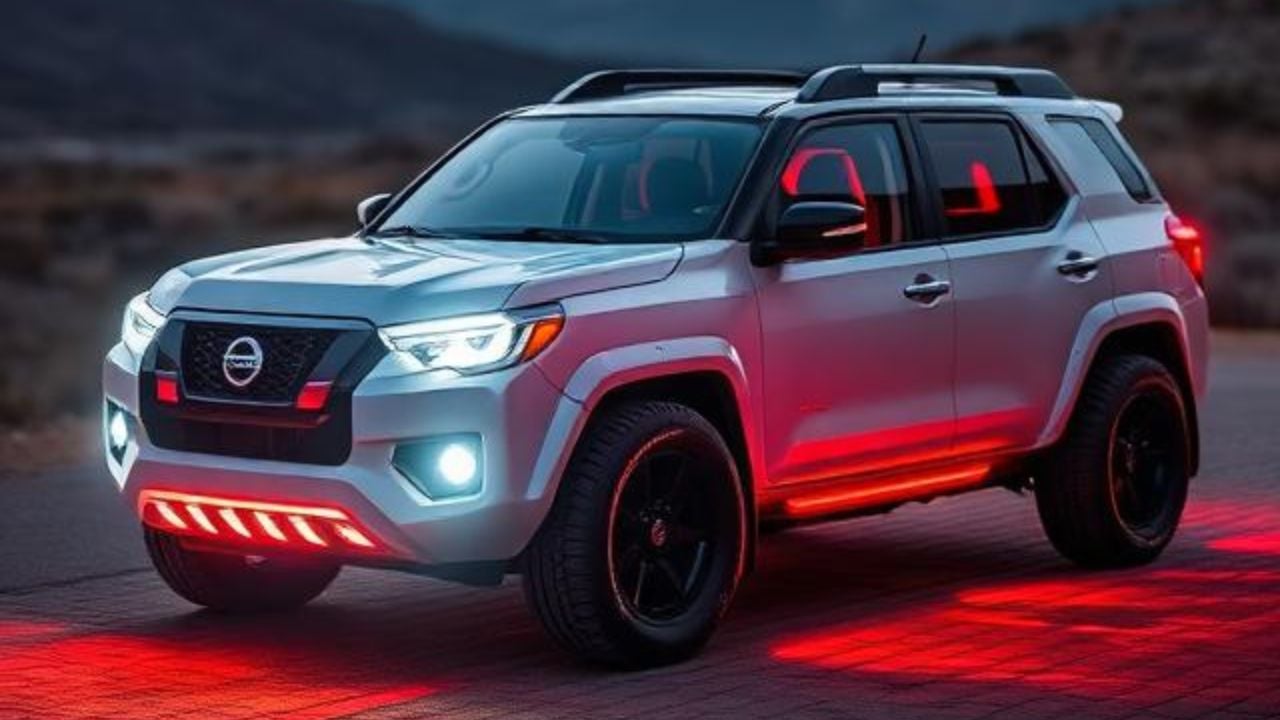
But regulatory math stood in the way. Producing such a vehicle under stricter standards would have required Nissan to offset it with a massive increase in electric vehicle sales just to stay compliant.
That is where the Trump administration’s policy shift changes everything.
Recent rollbacks in U.S. fuel economy and emissions targets effectively lowered the penalty for building less efficient vehicles. For Nissan, this removed a structural barrier. The company’s CEO made it clear that once those constraints eased, the business case for vehicles like the Xterra immediately became viable.
Seen through an analytical lens, the Xterra’s return becomes less about product planning and more about regulatory elasticity.
Automakers operate within a compliance budget. Every high-consumption vehicle must be balanced by lower-emission counterparts. Tighten the rules, and that budget shrinks. Relax them, and suddenly there is room to reintroduce vehicles that had been sidelined.
Vee-Six for Me, Hybrid for Thee
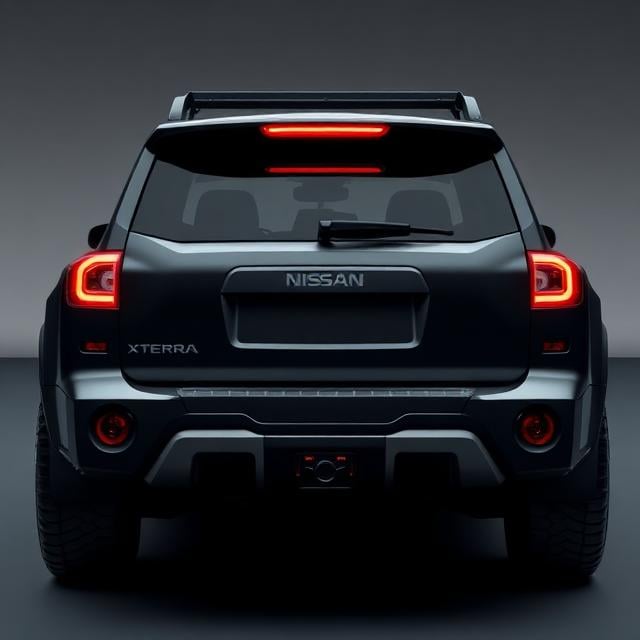
What makes this particularly interesting is how Nissan is threading the needle between old-school engineering and modern expectations. The revived Xterra is expected to retain a body-on-frame architecture and likely launch with a V6 engine, preserving its mechanical identity.
At the same time, a hybrid variant is planned, signaling that even in a more permissive regulatory environment, efficiency cannot be ignored.
This hybridization is not just about emissions compliance. It is also about hedging. Regulations can tighten again, and even Nissan’s shot callers must know that. By embedding electrification into even their most traditional products, Nissan is building flexibility into its future lineup.
There is also a broader strategic layer.
The Xterra is part of a wider push by Nissan to re-embrace body-on-frame vehicles across its portfolio. That suggests the company sees an opportunity to capitalize on a renewed appetite for rugged SUVs, particularly in North America, where vehicles like the Toyota 4Runner and Ford Bronco have found strong footing.
In that context, the Xterra is more than a model revival. It is a signal.
Nissan is recalibrating its identity in a market that has proven it still values authenticity in off-road design. The company is betting that there is room for vehicles that prioritize durability and mechanical honesty, even as the industry marches toward electrification.
Nostalgia Has No Say Here
The irony is hard to miss.
For years, tightening environmental standards pushed automakers toward smaller engines, crossovers, and EVs. Now, a loosening of those same standards has reopened the door for vehicles that many assumed were gone for good.
The Xterra’s return, then, is not just about nostalgia or market demand. It is about timing. When regulation, consumer interest, and corporate strategy briefly align, even a discontinued SUV can find its way back onto the production roadmap.
Sources: Road & Track, CarBuzz