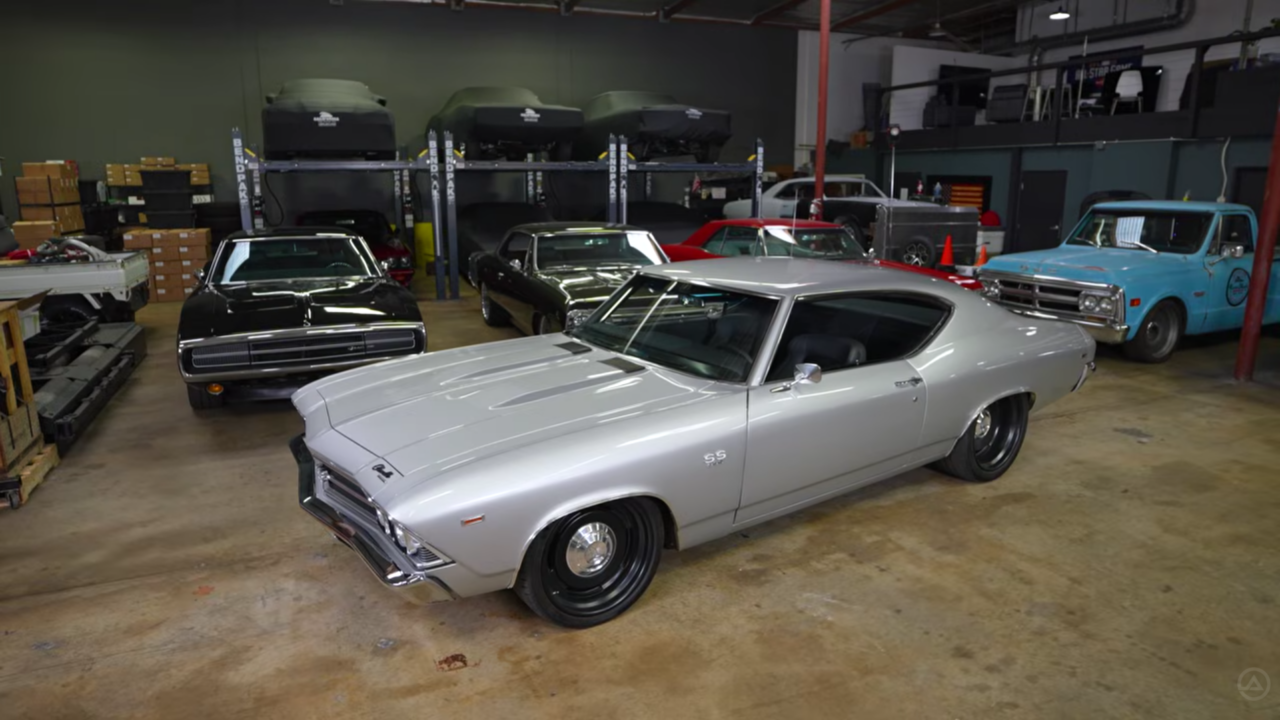
The world of high-end restomods is packed with six-figure builds, but very few of them end up in the hands of ordinary enthusiasts. That’s what makes the latest giveaway from RestoMods so wild. The company’s 34th sweepstakes car is a professionally built 1969 Chevrolet Chevelle packing a massive 466-cubic-inch LSX V8, a Roadster Shop chassis, and enough modern hardware to embarrass plenty of new performance cars.
Built as a full frame-off pro-touring machine, the Chevelle also comes with an extra $50,000 cash prize for the winner. That money could go toward taxes, upgrades, fuel, or simply enjoying life with one of the cleanest A-body builds currently making the rounds online.
The car recently appeared on the AutotopiaLA YouTube channel, where host Shawn Davis spent time driving and inspecting the heavily modified muscle car alongside RestoMods’ Chris Esparza. Throughout the video, both repeatedly emphasized one thing: this isn’t just a flashy build designed for photos. It’s been thoroughly sorted to drive like a modern performance machine.
That’s immediately obvious from the spec sheet alone. Under the hood sits a fully forged LSX-based V8 built by L&M Engines with Callies internals, forged rods and pistons, 11:1 compression, and displacement stretched to roughly 466 cubic inches. According to Esparza, the combination is comfortably capable of producing more than 650 horsepower while remaining smooth and usable on the street.
A Chevelle Built To Be Driven
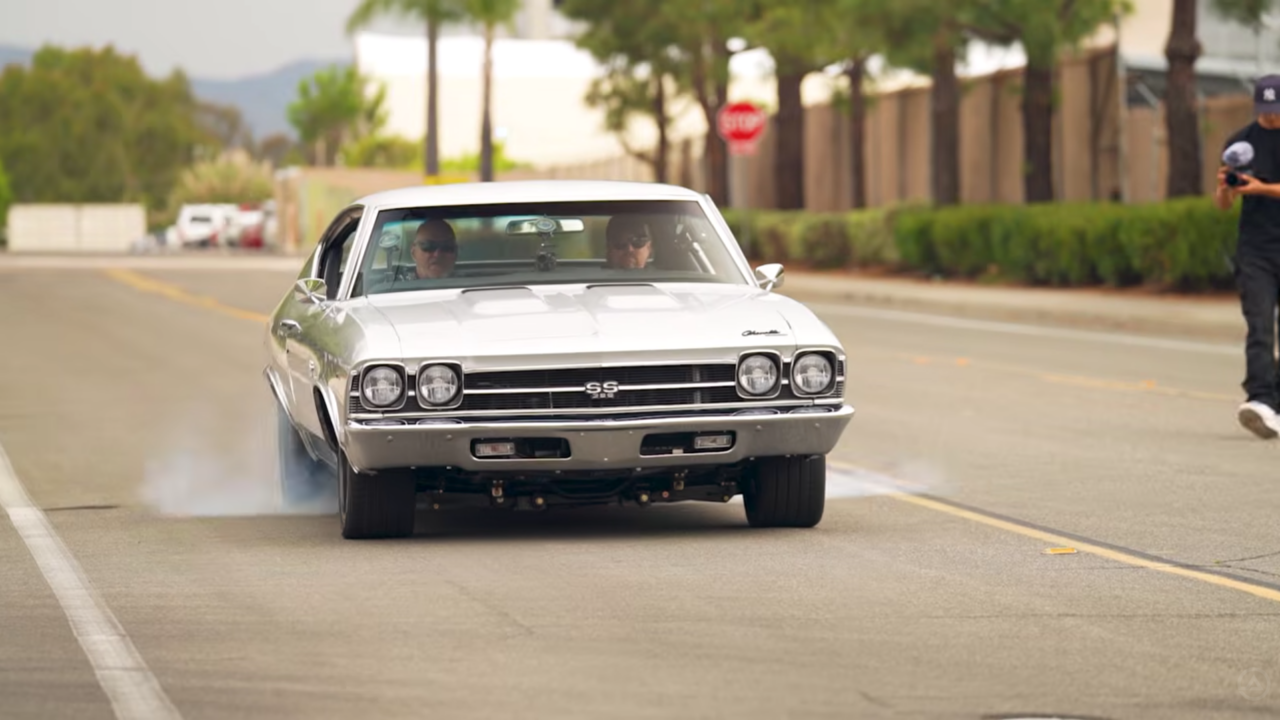
Unlike many pro-touring builds that prioritize dyno numbers over drivability, this Chevelle was specifically designed to feel refined behind the wheel. Power is sent through a heavily built 4L80 automatic transmission with a Reid aftermarket case before reaching a Ford 9-inch rear end with limited slip.
The real magic, however, lies underneath the car. The Chevelle rides on a Roadster Shop chassis paired with RideTech coilovers that were carefully dialed in for both comfort and handling. Esparza noted that the previous owner, Steve Aguilar, spent considerable time fine-tuning the suspension setup, spring rates, and overall road manners to eliminate the drama many older muscle cars still suffer from.
During the drive portion of the video, Davis repeatedly commented on how surprisingly civilized the car feels despite its aggressive performance. Even at highway speeds and during hard acceleration, the Chevelle stays composed, smooth, and confidence-inspiring rather than twitchy or intimidating.
That balance appears intentional. The exhaust system uses resonators, mufflers, and additional sound-canceling components to keep the big-inch LS from becoming unbearably loud during normal driving. It still barks when pushed hard, but the setup avoids the harshness that often ruins long-distance cruising in heavily modified classics.
Modern Hardware Without Losing The Classic Feel
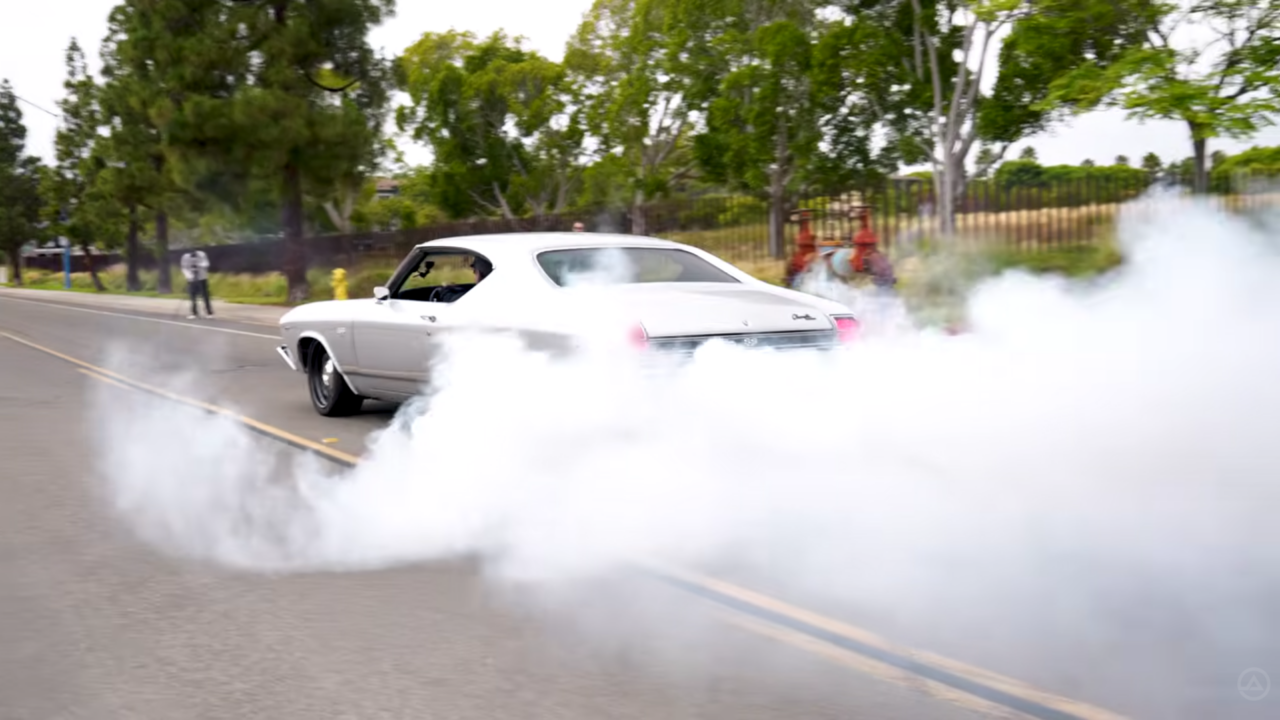
One of the most impressive aspects of the build is how restrained it looks. Rather than turning the Chevelle into a futuristic interpretation of a muscle car, the builders kept much of the original design language intact.
The body retains its recognizable 1969 Chevelle identity with factory-style trim, chrome bumpers, and classic proportions. Even the paint avoids flashy modern trends. While not an original GM color, the muted metallic finish reportedly comes from a modern Japanese vehicle and gives the car a subtle, almost factory-like appearance.
The wheel setup plays a huge role in the overall look. Forged multi-piece wheels from John Henson measure 19 inches up front and 20 inches out back, wrapped in Michelin performance tires measuring 255 mm and 295 mm wide, respectively. Combined with the lowered stance, the Chevelle manages to look aggressive without appearing over-styled.
Inside, the same philosophy continues. The cabin still feels unmistakably Chevelle, though it benefits from extensive modernization. TMI bucket seats with power adjustment, Dakota Digital gauges, Vintage Air climate control, power windows, and a leather-wrapped steering wheel all help bring the car into the modern era without losing its vintage character.
There are also thoughtful touches hidden beneath the surface. The Dakota Digital system integrates tire pressure monitoring, while the braking system uses a modern electronic brake booster paired with Wilwood brakes for improved pedal feel and stopping power.
A Six-Figure Build Someone Will Actually Win
Esparza repeatedly pointed out during the feature that building a car like this from scratch would cost an enormous amount of money and countless hours of labor. Between the custom chassis, drivetrain, suspension, paintwork, interior, and final sorting process, recreating this Chevelle today would likely cost far more than many people expect.
That’s why the appeal of these giveaway builds continues to grow. Instead of spending years chasing parts, troubleshooting issues, and dialing in suspension settings, one winner gets to skip directly to the fun part: driving the car.
Judging by the reactions during the test drive, this particular Chevelle delivers exactly what enthusiasts want from a modernized muscle car. It’s brutally quick when asked, calm enough for daily cruising, and still retains enough old-school personality to remind you that you’re driving a genuine 1969 Chevrolet. For a lot of enthusiasts, that’s the sweet spot.