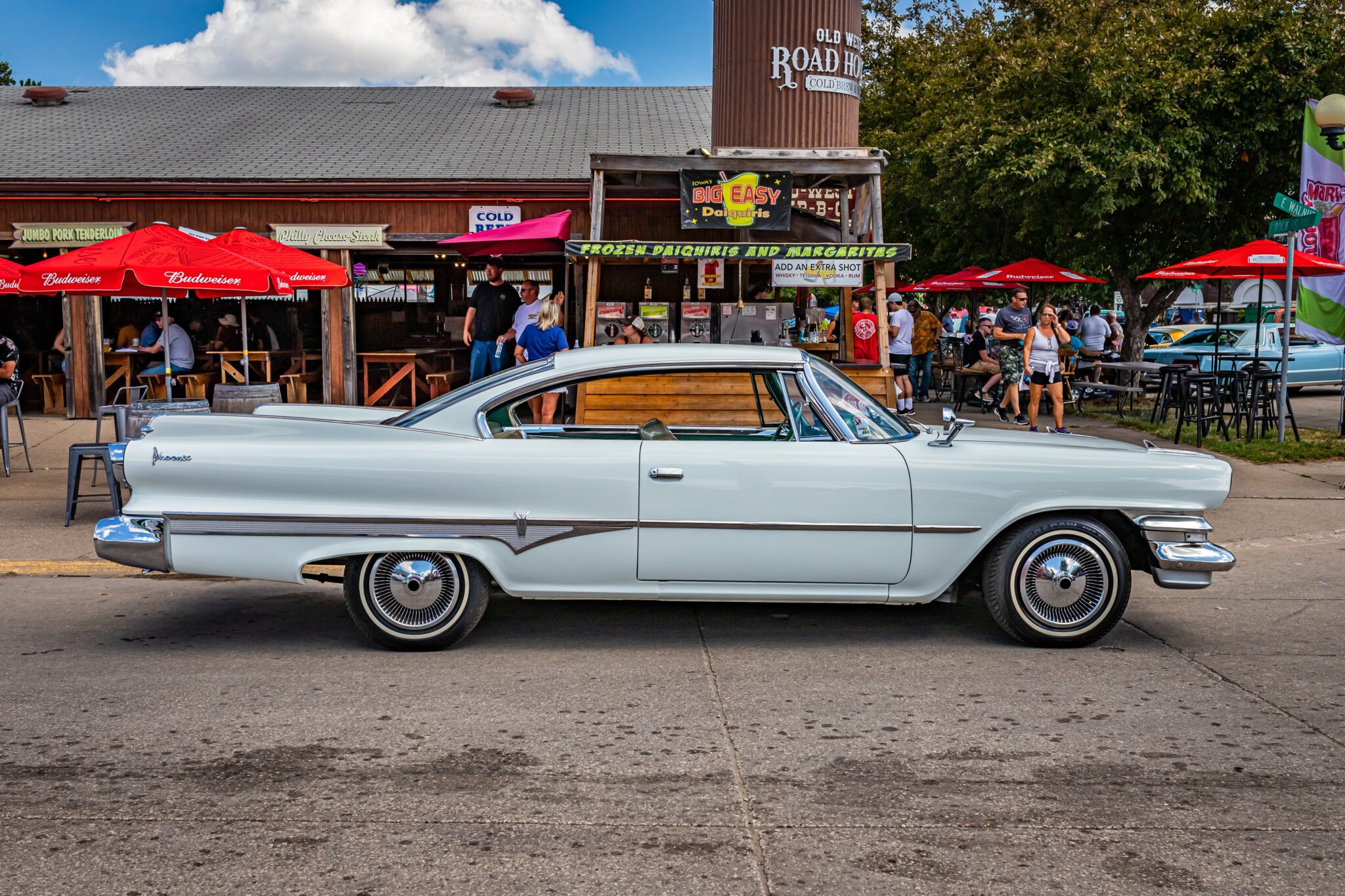
The 1960s gave us some of the most iconic cars ever built, but not every vehicle from that era got the recognition it deserved. Some were misunderstood, others were overshadowed by flashier competitors, and a few just needed time for people to appreciate what they were really about.
Looking back with fresh eyes, these cars from the ’60s turned out to be way cooler than we gave them credit for at the time.
AMC Rambler American
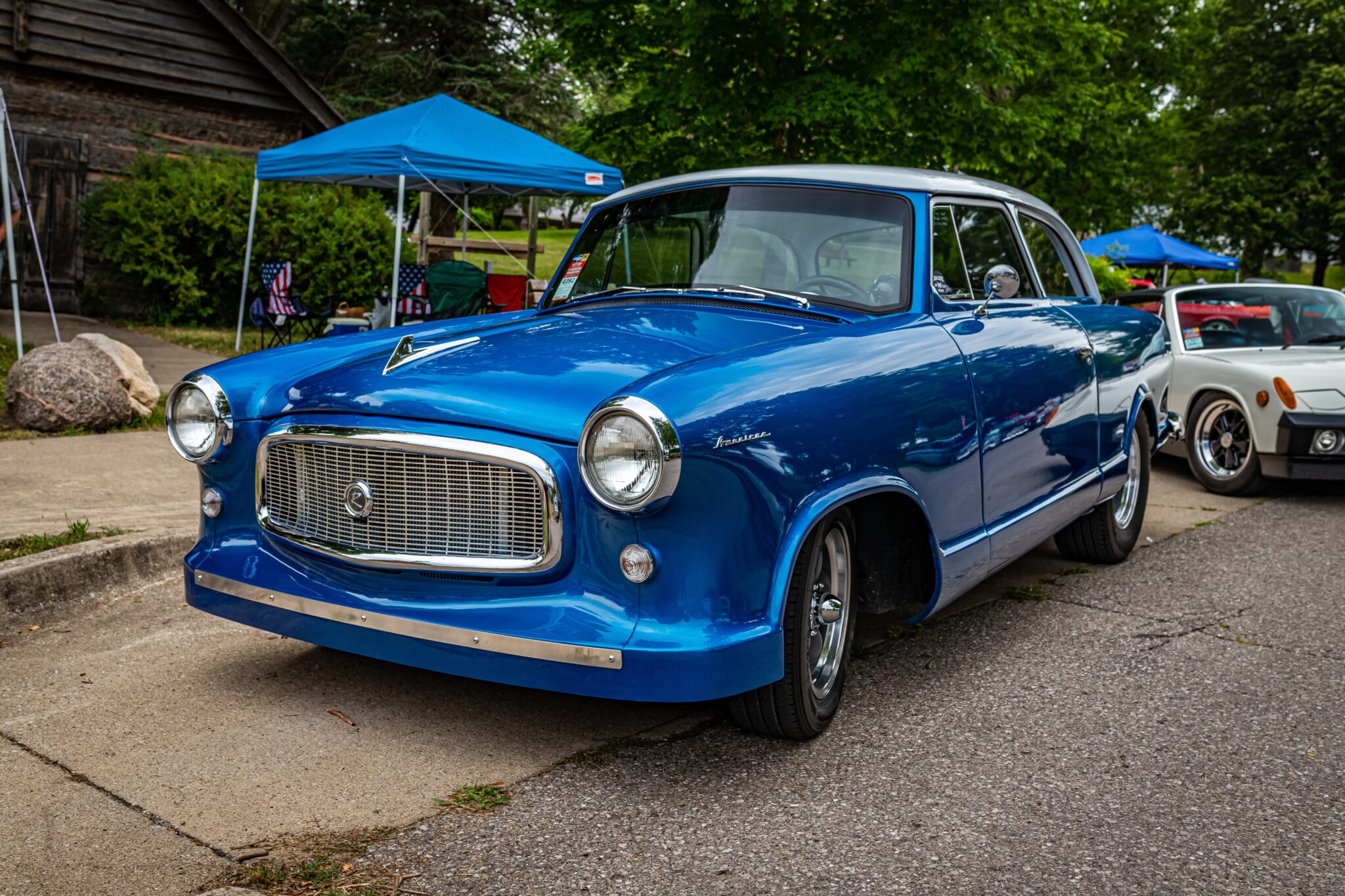
When everyone else was locked in a horsepower war, AMC’s practical little Rambler seemed almost boring by comparison. But that efficient six-cylinder engine and compact size actually made it perfect for real-world driving, and it came loaded with features that cost extra on other cars.
Today, its underdog status and quirky charm make it a refreshing alternative to the usual muscle car suspects.
Studebaker Lark

The Lark gave Studebaker a major short-term boost in 1959, but by the mid-’60s it was seen as just another economy car fighting for scraps. What people missed was how well-engineered it was, with surprisingly nimble handling and thoughtful interior design that prioritized driver comfort.
The Lark proved you didn’t need excessive size or power to build something genuinely enjoyable to drive.
Chevrolet Corvair

Ralph Nader’s criticism nearly killed the Corvair’s reputation, but enthusiasts today recognize it as one of the most innovative American cars of the decade. The rear-engine, air-cooled layout was genuinely adventurous for Detroit, and the second-generation models handled beautifully.
It’s the car that proved American manufacturers could think outside the box when they wanted to.
Plymouth Valiant

In an era obsessed with size and chrome, the Valiant’s sensible approach didn’t win many styling awards. But that slant-six engine became legendary for its durability, earning a reputation for exceptional durability by the standards of the era.
The Valiant was the car your parents bought that you didn’t appreciate until you inherited it and realized it just wouldn’t quit.
Ford Falcon

The Falcon helped popularize the compact car movement in America, but it always seemed like the practical choice rather than the exciting one. That reputation hides the fact that it was the basis for the original Mustang and late in the first generation (1963½) it could be optioned with a 260-cid V8 that made it genuinely quick.
Falcons were used in racing by various teams, and the platform helped pave the way for later Ford performance efforts.
Oldsmobile Toronado

When it launched in 1966, the Toronado’s front-wheel-drive layout seemed like an engineering solution looking for a problem. But that radical drivetrain allowed for a completely flat floor and genuinely distinctive styling that still looks futuristic today.
It was American innovation at its boldest, even if buyers weren’t quite sure what to make of it at the time.
Jeep Wagoneer

The original Wagoneer helped define the modern luxury SUV concept decades before anyone called them that. People saw it as just a fancy truck when it debuted in 1963, missing how it combined genuine off-road capability with an upscale interior that wouldn’t embarrass you at the country club.
It basically wrote the playbook that every modern SUV follows.
Pontiac Tempest (Early Models)

Before the GTO made the Tempest name famous, the early ’60s models featured a rope-drive rear axle (flexible driveshaft). It seemed like unnecessary complexity at the time, but it reduced vibration and was intended to improve ride and balance in clever ways.
These oddball early Tempests are now appreciated for their engineering creativity, even if they didn’t last long.
Dodge Dart GT

The Dart was everywhere in the ’60s, so it felt common and unremarkable even when new. But the GT models (and later trims) with the 273 V8 (introduced for 1964) were genuinely quick little performers that could embarrass bigger, more expensive cars at stoplights.
They’re proof that sometimes the best performance cars are the ones that don’t look like they’re trying too hard.
International Harvester Scout

When the Scout debuted around 1960–1961 (for the 1961 model year), people weren’t sure if they wanted a vehicle that split the difference between a pickup and a Jeep. Turns out, they’d created the blueprint for every compact SUV that followed, with legitimate four-wheel-drive capability and enough comfort for daily driving.
The Scout was about 30 years ahead of the curve, which explains why it seemed odd at the time.
Mercury Comet

Living in the shadow of the Falcon it was based on, the Comet never got much respect as anything other than a rebadged Ford. But Mercury actually gave it slightly nicer trim and better sound insulation, and the later Cyclone GT models were legitimate muscle cars.
It was essentially a more refined take on an already good formula.
Buick Riviera

The early Riviera got overshadowed by the more radical 1966 redesign, but those first-generation cars had restrained, elegant styling that’s aged beautifully. Bill Mitchell’s design team created something that looked expensive without being flashy, and the powerful V8 meant it could back up its sophisticated appearance.
It’s the kind of car that gets better looking every year.
Conclusion

The beauty of looking back at these cars is realizing that popularity and quality don’t always go hand in hand. These twelve vehicles were doing interesting things that the market wasn’t quite ready for, or solving problems in ways that seemed odd at the time.
Some were too practical for the horsepower-obsessed ’60s, others were too innovative for conservative buyers, but all of them deserve a second look from anyone who appreciates automotive history.