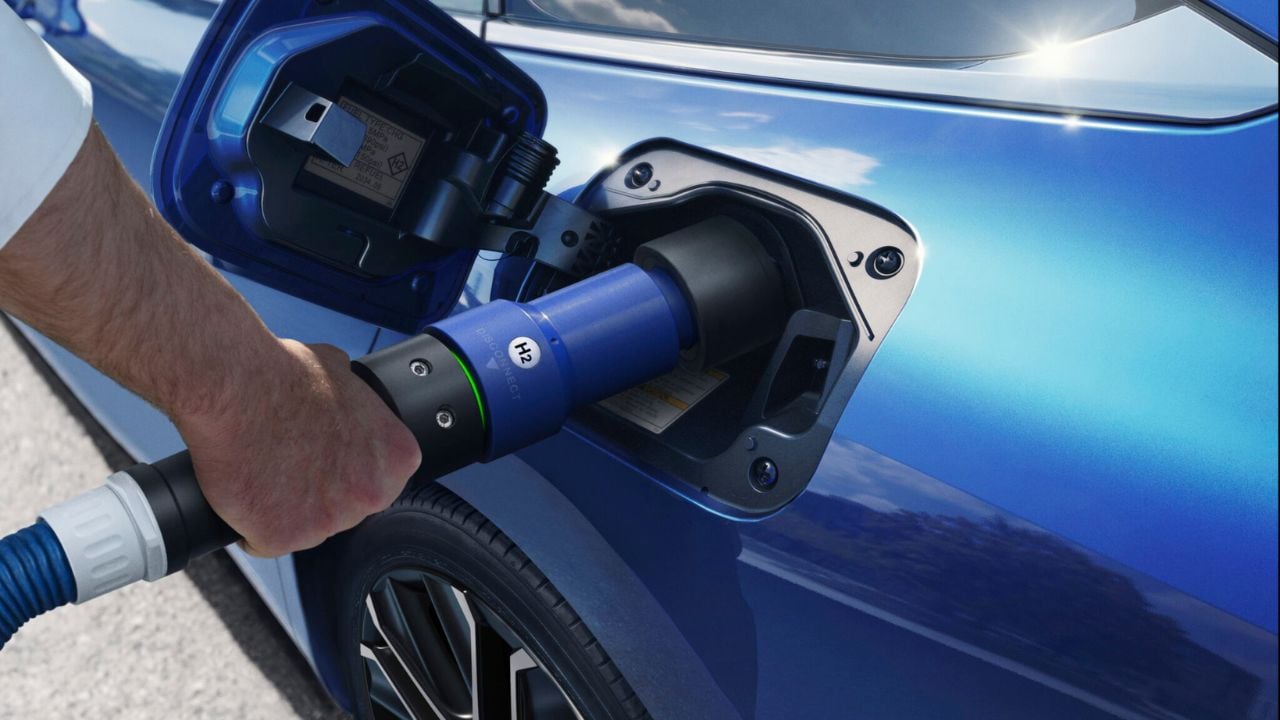
For years, both governments and the auto industry pushed hard in one direction, saying electric vehicles were the future, and everything else was on borrowed time.
Billions were poured into battery tech, factories, and platforms designed to phase out combustion engines entirely. Now, however, that narrative is starting to crack.
Demand hasn’t grown as fast as expected, infrastructure is still inconsistent, and costs remain high. As a result, automakers are beginning to rethink their strategy. Instead of betting everything on EVs, they’re reopening the door to alternatives, especially hydrogen.
It’s not a full reversal, but it’s a clear change in mindset, and for the first time in years, the future of cars looks a lot less one-dimensional.
EV Momentum Isn’t As Strong As Expected
First off, let’s get one thing straight, EVs aren’t going away. However, the idea that they would completely replace everything else is starting to look overly optimistic. Growth has slowed in key markets, and some consumers are hesitant due to charging limitations, range concerns, and rising costs.
At the same time, building EVs at scale hasn’t been cheap. Supply chains for batteries remain volatile, and profit margins are tighter than many automakers had hoped.
That combination is forcing companies to step back and reassess their long-term plans. Instead of doubling down blindly, they’re diversifying.
Hydrogen Re-enters The Conversation
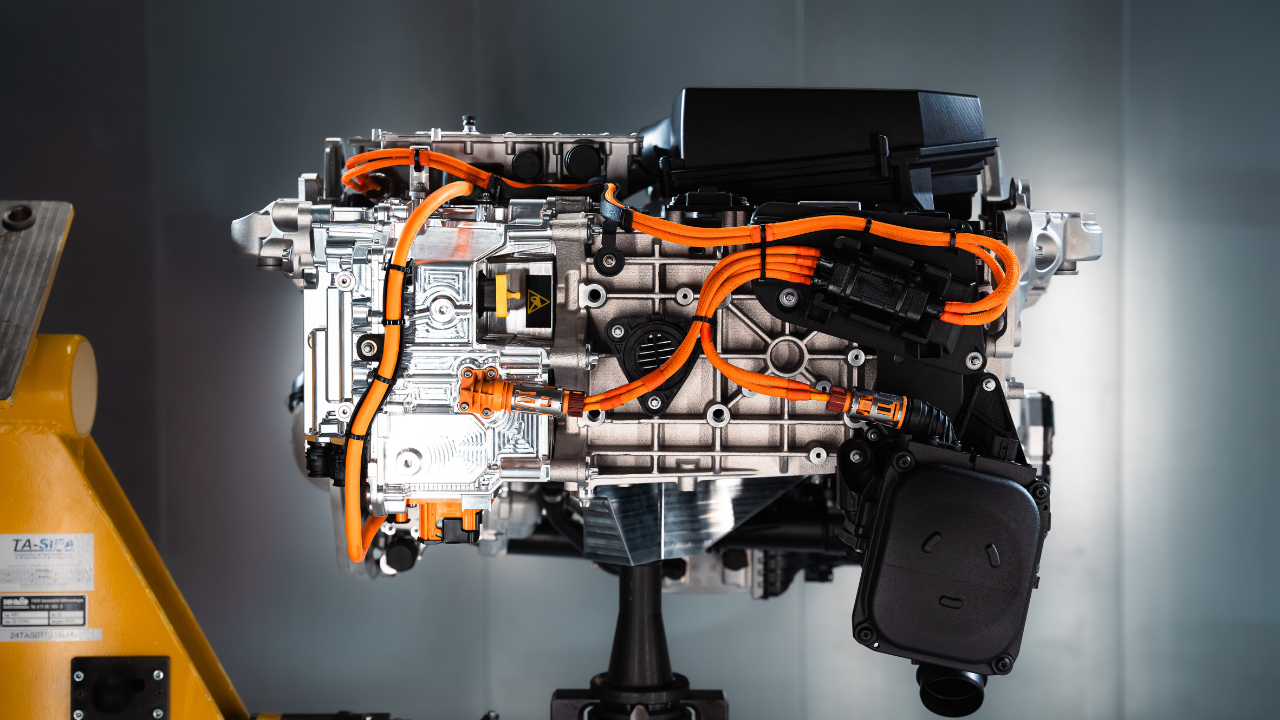
Hydrogen has always been the “what if” technology of the auto industry. It promises fast refueling, long range, and zero emissions at the tailpipe. The problem has always been infrastructure, and that hasn’t magically been solved. Still, major players are investing again.
Toyota continues to develop its hydrogen fuel cell systems, building on models like the Mirai. BMW is working toward a hydrogen-powered production vehicle by the end of the decade, while also leveraging Toyota’s expertise in the field. Honda is also back in the game, launching new hydrogen programs after stepping away from previous partnerships. It’s fair to say that hydrogen is no longer being treated as a side project.
Commercial Vehicles Are Leading The Charge
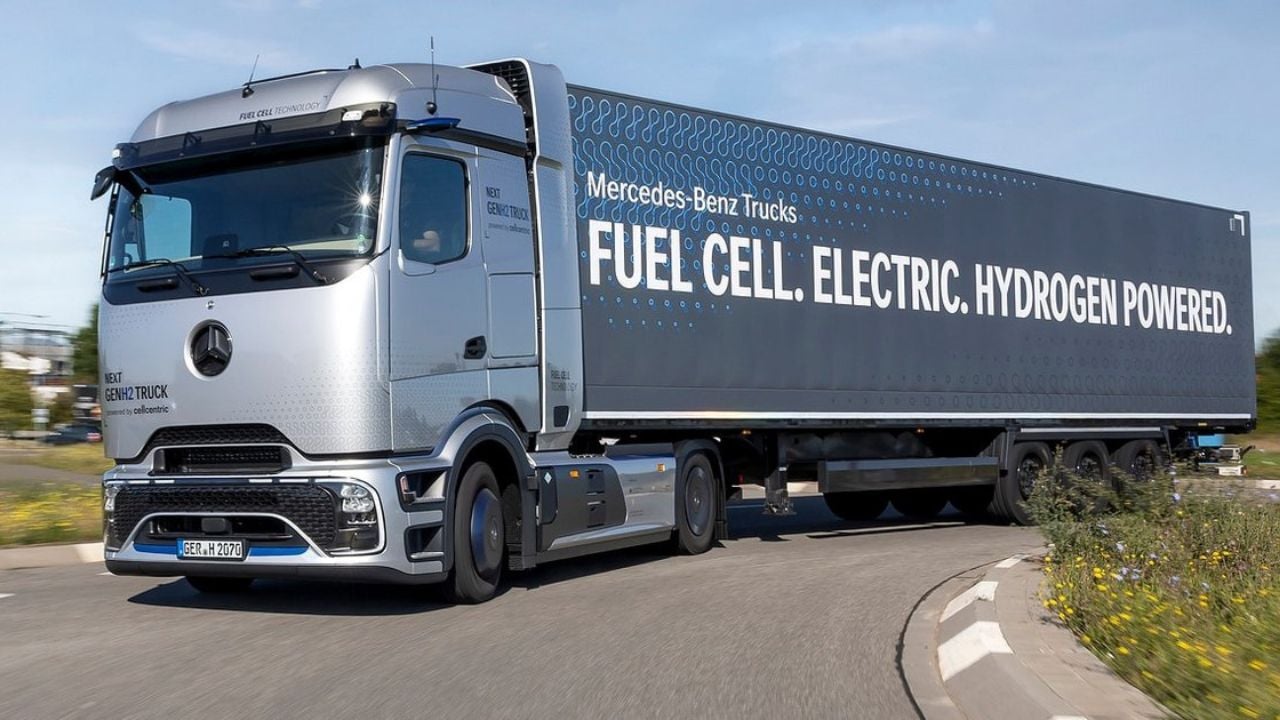
If hydrogen is going to succeed, it likely won’t start with passenger cars. Heavy transport is where the technology makes the most sense right now.
Trucks, buses, and fleet vehicles benefit from fast refueling and long range, which are areas where battery-electric solutions can struggle. That’s why companies like Hyundai are focusing heavily on hydrogen for commercial use.
By building localized ecosystems where fueling stations and vehicles exist in the same network, automakers can actually make hydrogen viable. It’s a more controlled environment compared to trying to roll it out for everyday consumers.
The Infrastructure Problem Isn’t Going Away
Unfortunately, hydrogen still faces massive hurdles. Even in places where it has been introduced, infrastructure issues continue to pop up. In California, one of the few regions with a hydrogen fueling network, multiple stations have gone offline due to supply and technical problems. That’s not exactly confidence-inspiring for potential buyers.
Without a reliable and widespread refueling network, hydrogen passenger cars will remain a niche product, and building that network requires enormous investment, coordination, and time.
Synthetic Fuels Enter The Chat
Hydrogen isn’t the only alternative gaining traction. Some automakers are also investing in synthetic fuels, often called e-fuels. These are created using renewable energy, hydrogen, and captured carbon dioxide, resulting in a near carbon-neutral fuel that can be used in existing internal combustion engines.
Porsche is one of the biggest advocates here, already producing e-fuels and even using them in motorsport. The appeal is obvious, as you get to keep combustion engines alive without relying on fossil fuels. For enthusiasts, this could be the most exciting development of all.
A Multi-Path Future Is Taking Shape

The biggest takeaway from all of this is that there won’t be just one solution. Automakers are starting to treat different powertrains as tools for different jobs.
EVs will continue to grow, especially in urban and commuter settings. Hydrogen could dominate commercial transport and possibly expand into passenger cars later. Synthetic fuels might keep combustion engines relevant in a low-carbon world.
It’s no longer about replacing one technology with another. It’s about building a portfolio that can adapt to changing conditions.
The Industry Is Hedging Its Bets
What we’re seeing right now is the auto industry protecting itself. Relying entirely on one technology, especially one tied to complex supply chains and infrastructure, is risky. By investing in hydrogen, synthetic fuels, and improved combustion engines alongside EVs, automakers are essentially buying insurance for the future.
That might not be as clean or simple as the all-electric vision we were sold a few years ago, but it’s probably a lot more realistic, and in the long run, it could lead to better, more diverse cars for everyone.