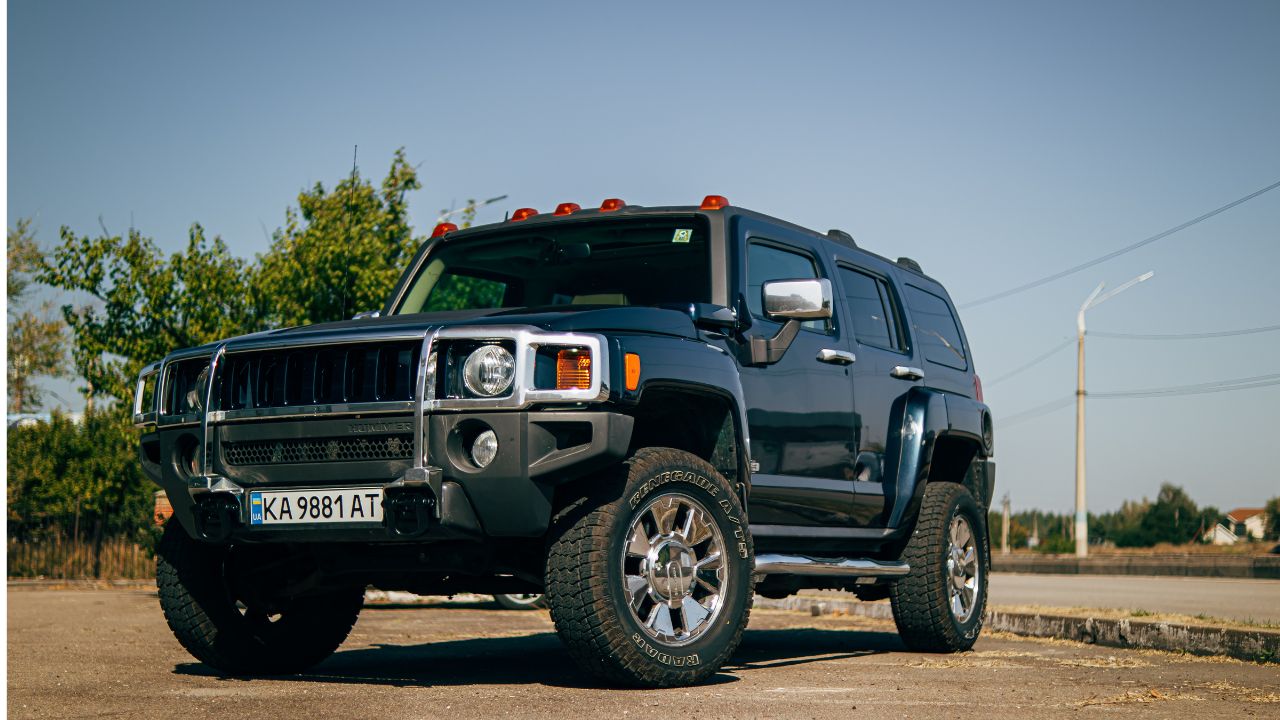
Even the biggest automakers sometimes stumble when it comes to marketing their vehicles. From tone-deaf campaigns to unfortunate timing, these marketing missteps offer fascinating glimpses into how easily things can go wrong in the automotive world. Here are eight memorable car marketing fails that became teaching moments for the industry.
Chevy Nova in Latin America

The ‘Chevy Nova means no va (“doesn’t go”)’ story is a widely repeated myth. In Spanish, ‘Nova’ (one word) and ‘no va’ (two words) are not the same phrase, and there’s no solid evidence the name hurt sales in Spanish-speaking markets. It’s better remembered as a cautionary tale about how branding legends spread, even when they aren’t true.
Ford Pinto’s Explosive Problem
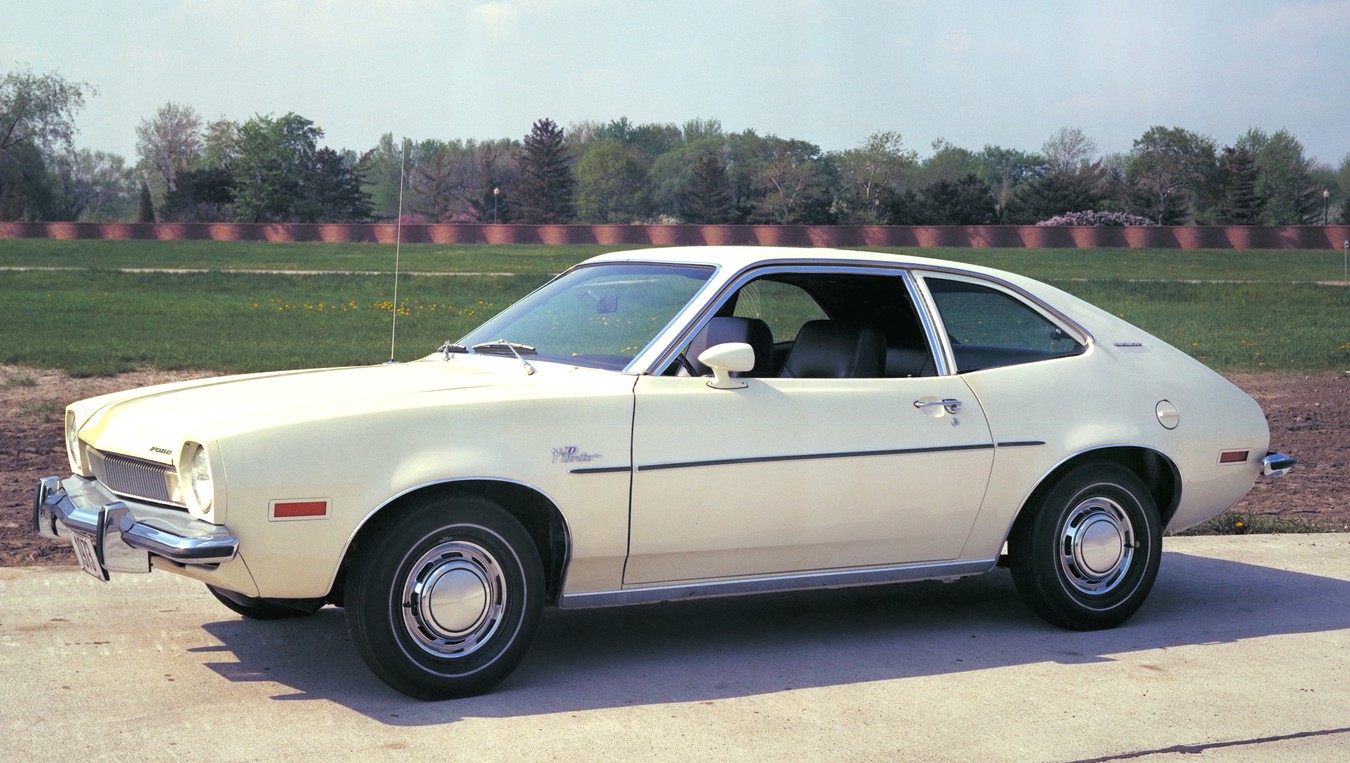
Ford’s marketing team focused heavily on the Pinto being an affordable, compact car for young Americans in the 1970s. However, when reports emerged about rear-impact fuel-system fires that triggered intense media and government scrutiny, those cheerful ads about economy and style suddenly felt tone-deaf.
The contrast between the marketing message and the safety reality created a public relations nightmare that has taught carmakers to not ignore complaints, even if they are exaggerations.
Pontiac Aztek’s Polarizing Design Campaign

General Motors actually embraced the Pontiac Aztek’s unconventional looks in their marketing, GM marketed the Aztek with the tagline ‘Quite possibly the most versatile vehicle on the planet. The problem was that most consumers saw the design as awkward rather than innovative, and the confident marketing tone made the whole campaign feel out of touch.
Despite decent functionality, the Aztek became synonymous with automotive design failure partly because the marketing doubled down on its controversial appearance.
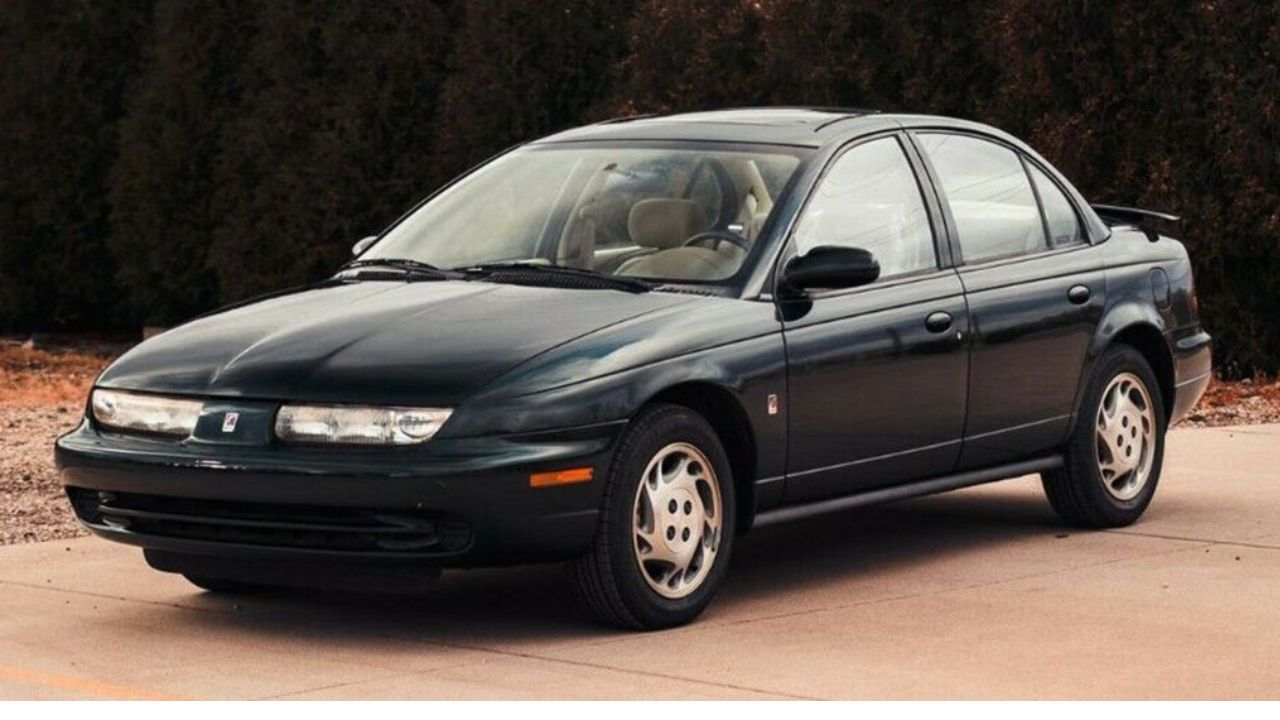
Saturn’s “Different Kind of Company” Overreach

Saturn launched with the slogan ‘a different kind of car company,’ emphasizing no-haggle pricing and a distinct dealer culture with friendly, no-haggle dealerships and community-focused marketing. While initially successful, the campaign created expectations that became impossible to maintain as GM integrated Saturn more closely with their other brands.
When Saturn started selling rebadged GM vehicles, the “different” messaging felt increasingly hollow and dishonest to consumers. This became proof that marketing needs to adapt when things change. Because GM? Different where?
Lincoln Blackwood’s Confused Identity
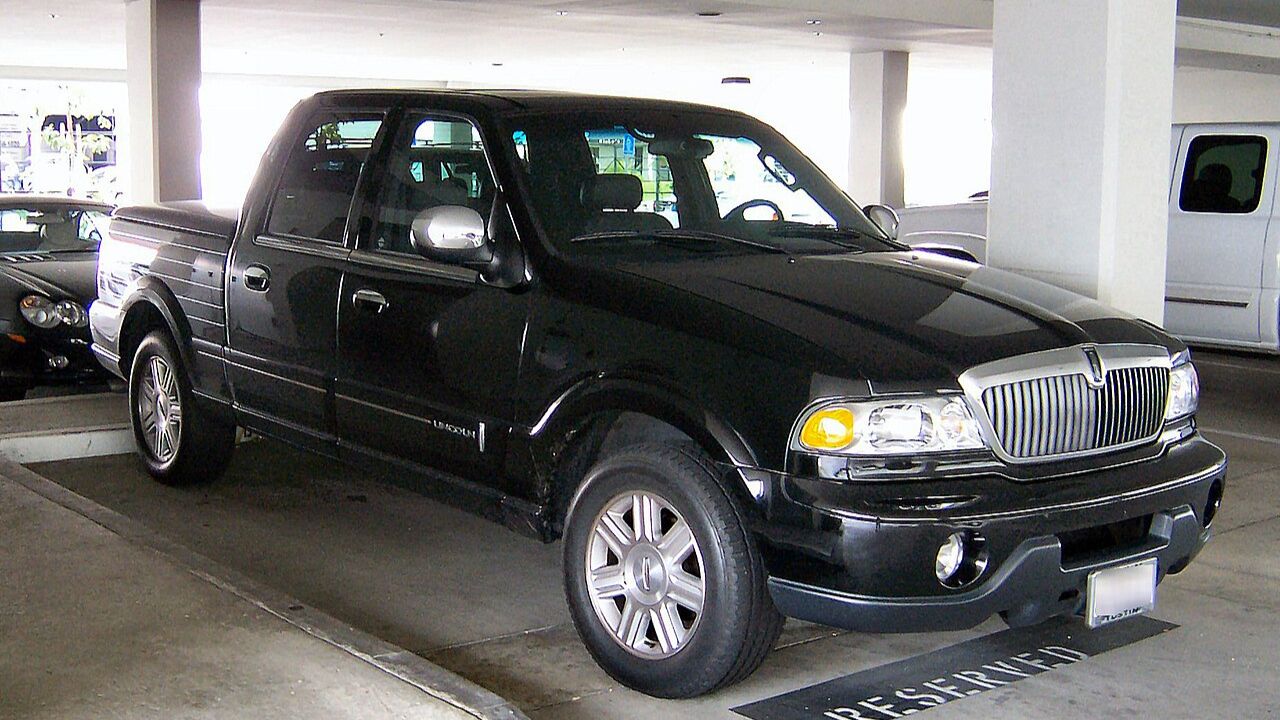
Lincoln marketed the Blackwood as a luxury pickup truck for successful professionals who needed utility with elegance. The marketing images showed the truck in upscale settings, but the reality was a vehicle that couldn’t actually haul much because, despite its 8,700 lb towing capacity, its cargo box was designed more like a carpeted, enclosed trunk than a traditional work-truck bed, limiting dirty or bulky hauling despite respectable towing and payload ratings.
The disconnect between the marketing promise and practical reality left potential buyers scratching their heads about who this truck was actually for. The Autopian reported, “When it launched in 2002, nobody knew quite what to think of the Lincoln Blackwood. In hindsight, this thing’s a marvelous chimera, mating the cab and frame of a rear-wheel-drive F-150, the front clip, interior, and 300-horsepower four-valve 5.4-liter V8 of a Navigator, and a unique imitation wood bed with inlaid aluminum strips together to create one of the weirdest pickup trucks ever sold in America.”
Cadillac Catera’s “Lease a Catera” Jingle
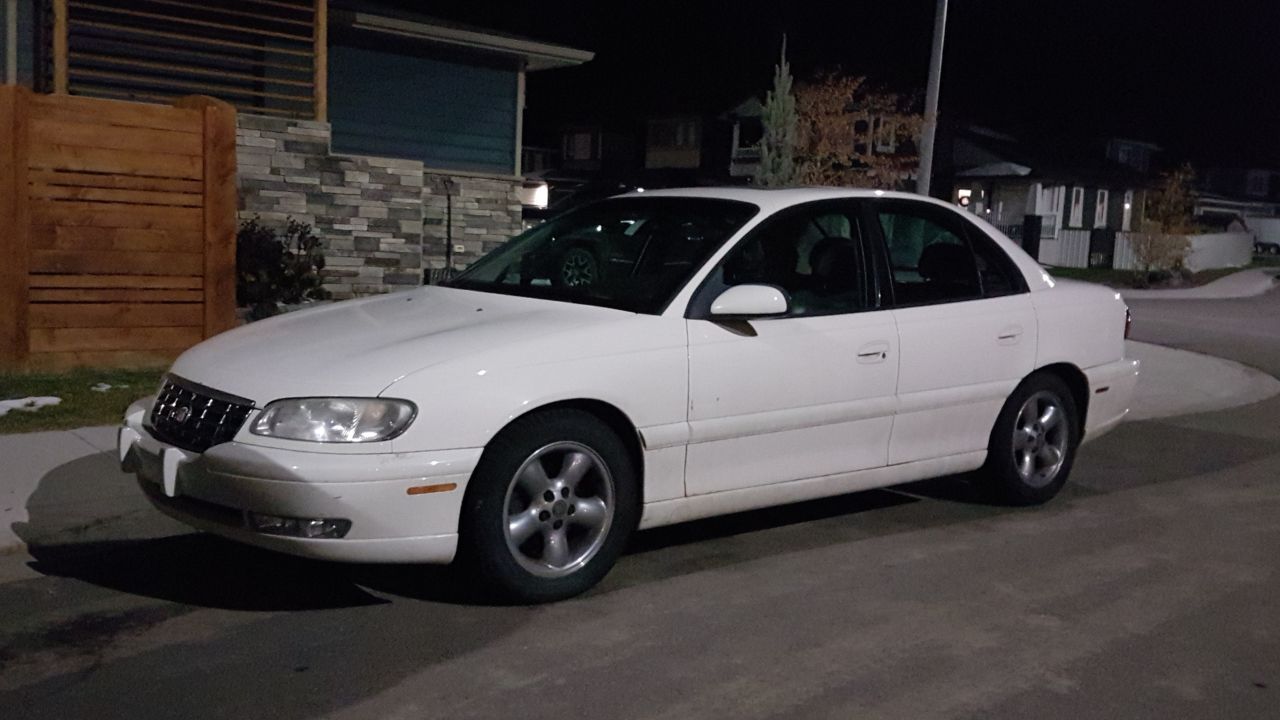
Cadillac’s marketing for the Catera featured a catchy but ultimately annoying Cadillac’s Catera marketing used the tagline ‘The Caddy that zigs’ and featured a cartoon duck mascot named Ziggy, along with the now-infamous ‘Lease a Catera’ jingle The playful approach felt completely at odds with Cadillac’s luxury image and made the brand seem like it was having an identity crisis.
The campaign became more memorable for its lameness than for actually selling cars. Said one enraged car enthusiast: “Cringe… You know some marketing genius was super proud of the idea, too.”
The ultimate sin: Being cringe.
Hummer’s Tough Guy Overcompensation

Hummer’s marketing consistently portrayed the vehicle as the ultimate symbol of rugged masculinity, often featuring extreme scenarios that most owners would never encounter. When gas prices soared and environmental consciousness grew, these over-the-top “conquer everything” ads made Hummer owners look tone-deaf to changing social attitudes.
As fuel prices rose and consumer preferences shifted, Hummer’s image fell out of favor, but the brand ultimately ended due to GM’s restructuring-era decisions and a failed sale, not marketing alone. The Hummer continued to be known for being an overindulgent and over-the-top gas guzzler as Americans shifted interest to more conservative money pinchers.
Subaru Baja’s Identity Crisis
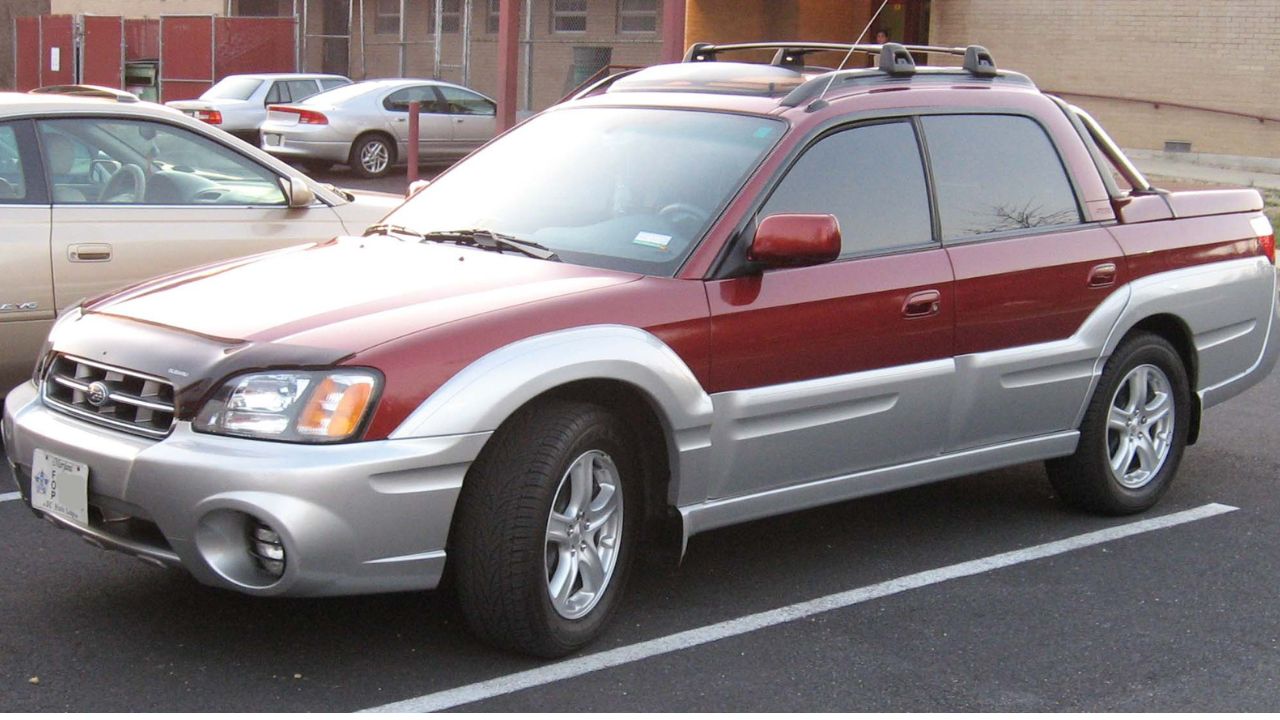
Subaru marketed the Baja as a category-blending ‘multiple-choice vehicle,’ combining elements of a car and a pickup, but the niche positioning, limited advertising, and polarizing design prevented it from reaching a broad audience, and their marketing reflected this confusion with campaigns that tried to appeal to everyone. Some ads emphasized practicality, while others focused on adventure, creating a muddled message that failed to resonate with any specific audience.
Learning from the Mistakes
These marketing missteps share common themes: disconnect from target audiences, failure to research cultural implications, and promises that products couldn’t deliver. The most successful car marketing campaigns tend to be honest about what vehicles actually offer rather than trying to create aspirational identities that don’t match reality.
While these fails provided entertainment and cautionary tales, they also helped the industry understand that authentic messaging resonates better than clever but hollow campaigns.