
A quiet shift shows up in Henley’s January 2026 update: Canada sits 8th, while the United States is 10th. Henley says the ranking is based on how many destinations passport holders can access without a prior visa, using IATA Timatic data and the firm’s ongoing research. That is not the same thing as guaranteed entry, but it is still a useful measure of how often travelers can move without first dealing with an embassy or consulate.
For most people, this is not about bragging rights. A stronger score usually means fewer pre-trip errands, fewer visa appointments, and less “did I miss a form?” anxiety before a trip even starts. The difference between 8th and 10th is not life-changing, but it can matter when plans change quickly or a side trip appears at the last minute. That is why these rankings are most useful when read as a convenience map, not a nationalism contest.
What the Ranking Says Right Now

Henley’s January 2026 release places Canada in 8th and the U.S. in 10th. The same release says the U.S. has returned to the Top 10 after briefly dropping out in late 2025, but also notes that both the U.S. and the U.K. recorded their steepest annual losses in visa-free access over the past year. In other words, the rebound is real, but so is the longer-term slide.
Late 2025 shows how quickly this can move. Henley’s October 2025 release said the U.S. had fallen to 12th place, tied with Malaysia, with visa-free access to 180 of 227 destinations worldwide. That does not sound catastrophic, but it was still the first time the American passport had dropped out of Henley’s Top 10 in the 20-year history of the index.
How “Visa-Free Access” Is Counted

Henley defines its index as a ranking of all the world’s passports according to the number of destinations their holders can access without a prior visa. It says the data comes from IATA Timatic, the travel-information database airlines and border systems use, and is then enhanced by Henley’s research team. In plain terms, it measures how often a passport lets you travel without first getting a visa approved before departure.
One important nuance: “no prior visa” does not mean “no rules.” Many destinations still require online authorizations, proof of onward travel, a return ticket, accommodation details, or a very specific length-of-stay limit. The ranking is best read as an access map, not a promise that a border officer has to wave you through.
Why the U.S. Has Been Sliding
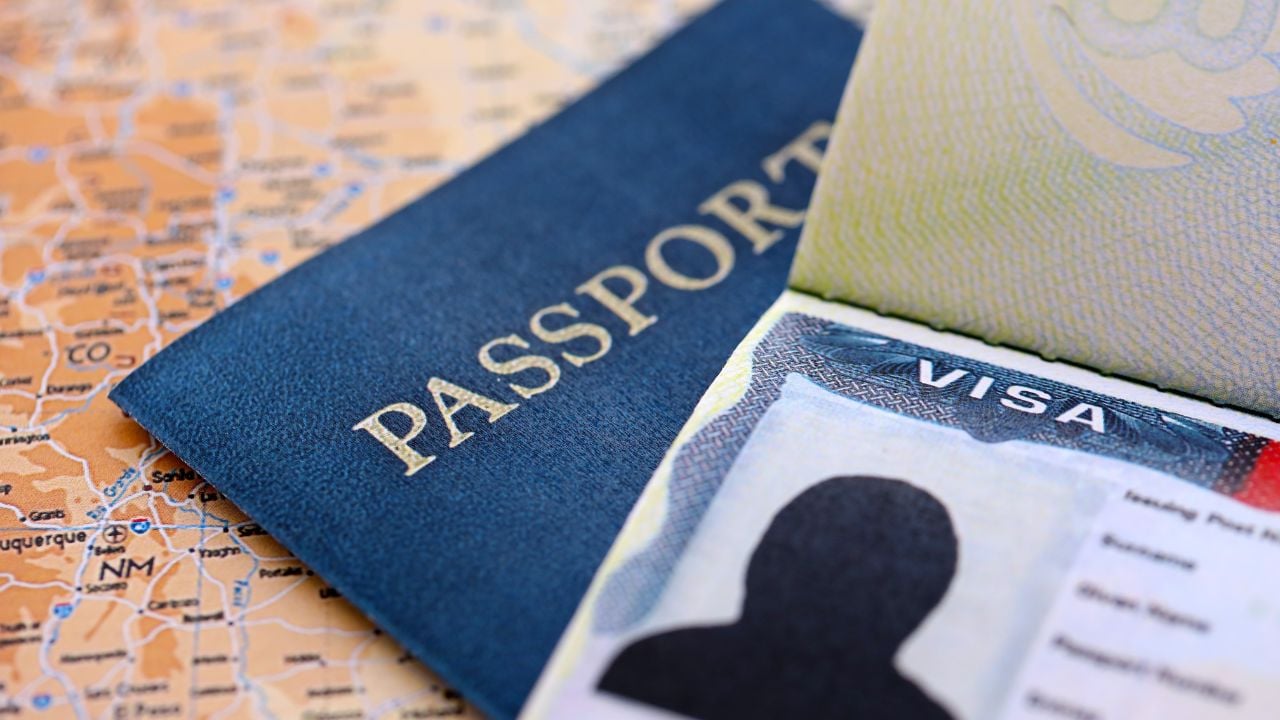
Henley’s October 2025 release ties the U.S. decline to a series of access changes rather than one giant diplomatic event. It specifically says the loss of visa-free access to Brazil in April 2025 and the U.S. being left out of China’s expanding visa-free list helped push the American passport down from 10th to 12th. It then says further adjustments from Papua New Guinea and Myanmar weakened the U.S. score even more.
Those first two examples are easy to verify outside Henley’s own write-up. The U.S. State Department’s Brazil page now says a visa is required for U.S. citizens traveling to Brazil, while China’s visa-free expansion in 2026 added Canada and the U.K., not the U.S. That does not mean the U.S. passport suddenly became weak. It means reciprocity and selective visa-waiver expansion are now moving fast enough to matter.
What Helped Canada Stay Ahead

Canada’s advantage here is not magical. It is the cumulative effect of country-by-country access rules. One clear recent example came in February 2026, when China announced visa-free entry for ordinary passport holders from Canada and the U.K. for stays of up to 30 days through the end of 2026. That is exactly the kind of targeted policy shift that can nudge a passport upward or help it stay ahead of a near rival.
Henley’s January 2026 release also puts Canada among the notable non-European passports near the top, alongside countries like Australia and New Zealand. Canada is not running away from the field, but it is still sitting in a slightly better position than the U.S. in the current snapshot.
What Normal Travelers Should Do With This Information

Use the ranking like a shortcut for planning, not a reason to relax. Before booking, verify entry rules on official pages for your destination, whether that means the U.S. State Department’s destination pages, the Government of Canada’s travel advisories, or the destination country’s own immigration site. “Usually visa-free” is still not the same thing as “nothing to check.”
It also helps to separate tourism access from everything else. Visa-free entry usually covers short visits, not remote work, long stays, study, or paid employment. Overstays, wrong visa categories, or ignoring entry conditions can still create the kind of border problem that ruins a trip and follows you into the next one.
The Bottom Line

Yes, Canada currently ranks above the U.S. in Henley’s 2026 snapshot, and that part is straightforward. The gap is not enormous, but it does reflect a real difference in how the two passports are being treated across borders right now. The bigger lesson is not patriotic chest-thumping. It is that access rules can shift quickly, and even strong passports benefit from travelers who still check the details before they fly.